

P0740 on 2008-2014 Mercedes-Benz C-Class: Torque Converter Clutch Circuit Fixes
On a 2008-2014 C-Class, P0740 almost always points to a faulty transmission conductor plate or the TCC solenoid on it. This is a common failure requiring replacement of the conductor plate, filter, fluid, and 13-pin connector as a kit. For the 7-speed 722.9 transmission, this repair requires special programming (SCN coding) that is often dealer-only, making DIY replacement difficult.
- P0740 on a W204 C-Class is an electrical fault code for the torque converter clutch circuit.
- The most probable cause is a failed transmission conductor plate, a very common issue on these models.
- Always inspect the 13-pin connector for fluid leaks, as this is a frequent and inexpensive related failure point.
- The repair is complex and best left to a professional or experienced DIYer with the correct tools.
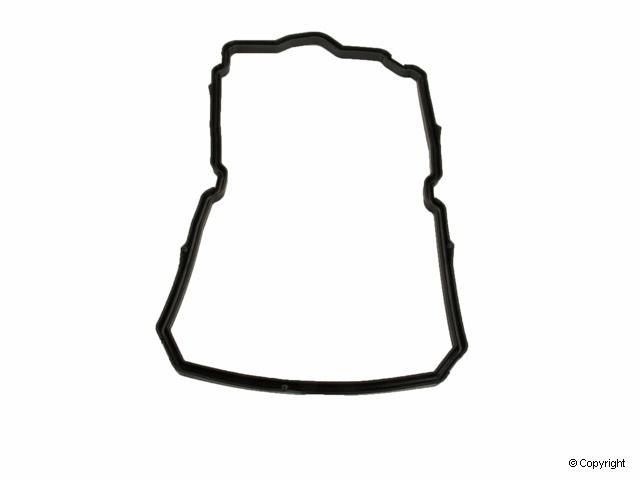
- When servicing, it is highly recommended to replace the conductor plate, filter, pan gasket, and 13-pin connector as a complete set.
What's Unique About the 2008-2014 Mercedes-Benz C-Class
The 2008-2014 C-Class (W204 generation) uses either the 5-speed 722.6 or 7-speed 722.9 '7G-Tronic' automatic transmission. Both are known for the eventual failure of the electro-hydraulic control unit, commonly called the conductor plate. This component, which houses the speed sensors and solenoids, is the most frequent cause of P0740. The issue is so common that many specialists offer repair services and complete replacement kits. A key difference is that replacing the conductor plate on the later 722.9 transmission requires special SCN (Software Calibration Number) coding to 'marry' the new part to the vehicle, a step not required for the 722.6. This makes the 722.9 repair significantly more complex and costly for DIYers.
Symptoms You May Notice
- Check Engine Light illuminated.
- Transmission stuck in 'limp mode' (usually second gear).
- Harsh or delayed shifting.
- Vehicle may shudder or judder, especially during gentle acceleration at low speeds.
- Reduced fuel economy due to the torque converter not locking up.
- Vehicle may stall when coming to a stop.
- Inability to maintain steady speed, feels like slipping.
- Loud thump or bump when shifting into Drive or Reverse.
- Replacing the entire transmission when only the conductor plate is needed.
- Replacing the Transmission Control Module (TCM) when it is only contaminated with fluid from the leaking 13-pin connector.
- Replacing the torque converter when the issue is with the control solenoid or conductor plate.
Most Likely Causes
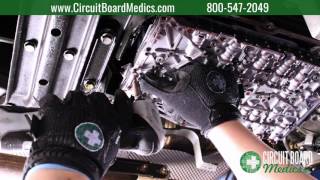
- Defective Transmission Conductor Plate 🔴 High Probability → Shop Transmission Assembly The conductor plate, which integrates the TCM, speed sensors, and solenoid contacts, is a well-documented failure point on both the 722.6 and 722.9 transmissions. The internal plastic and electronic components become brittle and fail from constant heat cycles, leading to cracks and open circuits. Failures of the integrated speed sensors are particularly common on the 722.9. 🎬 Watch: How to diagnose and repair these common speed sensor codes
How to confirm: A Mercedes-specific scan tool (like XENTRY/DAS) is needed to read codes directly from the TCM. P0740 is often accompanied by speed sensor codes (like 0717, 0718, 2767, 2768) when the conductor plate is the culprit. If multiple solenoid or sensor codes are present, the conductor plate is the primary suspect. The TCC solenoid on the 722.9 is designated Y3/8y8.
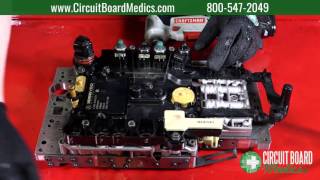
Typical fix: Replace the entire conductor plate assembly. This is typically done as a kit that includes a new pan gasket, filter, and the 13-pin electrical connector plug. For 722.9 transmissions, the new plate must be SCN coded to the vehicle. Some companies offer a repair service for the original plate, which avoids the need for programming.
Est. part cost: $180-$550 - Failed Torque Converter Clutch (TCC) Solenoid 🟡 Medium Probability → Shop Automatic Transmission Torque Converter The TCC solenoid (designated Y3/8y8 on the 722.9) is mounted on the valve body/conductor plate and can fail independently. It's an electronic component that lives in a high-heat, high-vibration environment, and its internal coil can short out or break. On the 722.9, the blue-cap KÜB/TCC solenoid is a known point of failure, sometimes causing shuddering even without setting a code.
How to confirm: If P0740 appears without any speed sensor codes, the TCC solenoid itself is a primary suspect. It can be tested for resistance with a multimeter after removing the valve body. For the 722.6 transmission, the TCC solenoid resistance should be between 2.0-4.0 ohms. A reading outside this range indicates failure. For the 722.9, the resistance of the TCC solenoid (Y3/8y8) should be approximately 4-6 ohms.
Typical fix: Replace the TCC solenoid. However, given the labor involved to access it, most technicians recommend replacing the entire conductor plate and all solenoids at the same time to prevent future failures, especially on higher mileage vehicles.
Est. part cost: $50-$150 - Leaking 13-Pin Electrical Connector 🟡 Medium Probability The O-rings on the 13-pin connector plug on the transmission case are known to fail, allowing transmission fluid to leak. This fluid can wick up the wiring harness via capillary action all the way to the Transmission Control Module (TCM), causing shorts and various electrical fault codes, including P0740.
How to confirm: Visually inspect the 13-pin connector on the passenger side of the transmission for signs of fluid leakage. Disconnect the wiring at the TCM (location varies, often in the passenger footwell or engine bay electronics box) and check for any oil contamination inside the connector pins.
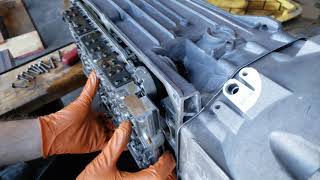
Typical fix: Replace the 13-pin connector plug and its O-rings. If fluid has contaminated the harness, it must be thoroughly cleaned with an electronic cleaner. If the TCM is full of oil, it may also need to be opened and cleaned or replaced. This part is inexpensive and should be replaced preventatively whenever the conductor plate is serviced. 🎬 Watch: How to replace the transmission connector adapter plug
Est. part cost: $15-$40 - Low or Contaminated Transmission Fluid ⚪ Low Probability → Shop Transmission Assembly These transmissions are sensitive to fluid level and condition. While not a direct cause of an electrical circuit code, low or degraded fluid can cause slipping, overheating, and erratic solenoid operation, which may be misinterpreted by the TCM or lead to premature component failure.
How to confirm: Check the transmission fluid level and condition. This requires a special dipstick tool as these vehicles were not equipped with one from the factory. The fluid should be red and clear, not brown, black, or smell burnt. A fluid sample can be inspected for excessive clutch material or metal shavings.
Typical fix: Perform a transmission fluid and filter change using the correct Mercedes-Benz approved fluid (e.g., MB 236.14 for 722.6/early 722.9, or MB 236.15 for later 722.9).
Est. part cost: $150-$250
Rare But Worth Checking
- Faulty Transmission Control Module (TCM): → Shop Transmission Assembly This is rare. The TCM is often misdiagnosed when the actual problem is fluid contamination from a leaking 13-pin connector wicking up the wiring harness. Always check the connector and harness for fluid before condemning the TCM. On 722.9 models, the TCM is integrated into the conductor plate, so they are replaced as one unit.
- Internal Mechanical Failure of Torque Converter: → Shop Automatic Transmission Torque Converter While the code points to an electrical circuit, a severe mechanical failure inside the torque converter (like a damaged clutch lining) could prevent lock-up, potentially triggering this code along with others. This is usually accompanied by significant metal debris in the transmission pan and noticeable shuddering.
Diagnosis Steps
- Scan the vehicle with a Mercedes-Benz specific diagnostic tool (e.g., XENTRY/DAS) to confirm P0740 and check for other related transmission codes (e.g., P0715, P0717, 2767, 2768).
- Check the transmission fluid level and condition using the appropriate dipstick tool. Note any burnt smell, dark color, or metal particles.
- Carefully inspect the 13-pin transmission electrical connector on the outside of the transmission for any signs of fluid leakage.
- Inspect the wiring harness connector at the Transmission Control Module (TCM) for any signs of transmission fluid contamination. The TCM is often located in the passenger footwell or engine bay electronics box.
- If the fluid level is correct and there are no external leaks, the next step is to drop the transmission pan.
- Inspect the transmission pan for excessive metal debris, which could indicate a more severe mechanical failure like a failing torque converter.
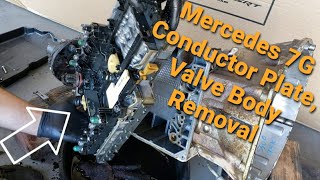
- If the pan is relatively clean, the most likely cause is the conductor plate and/or TCC solenoid. Proceed with removing the valve body to access these components.
- Test the resistance of the TCC solenoid with a multimeter. For a 722.6, it should be 2.0-4.0 ohms. For a 722.9 (Y3/8y8), it should be 4-6 ohms.
- If codes for speed sensors are present or multiple solenoids test bad, replace the conductor plate. It is highly recommended to also replace the filter, pan gasket, and 13-pin connector at the same time.
- After reassembly, fill the transmission with the correct specification fluid to the proper level. For 722.9 transmissions, the new conductor plate must be SCN coded to the vehicle.
- Clear all fault codes and perform a road test to ensure the torque converter clutch engages correctly and the code does not return.
Parts You'll Likely Need
- Transmission Conductor Plate Kit
(OEM #A0002702600 (common for 722.9, but VIN specific))— This is the most common failure point for code P0740 on this platform. The kit approach ensures all related weak points are addressed simultaneously.
Trusted brands: Genuine Mercedes-Benz, Bosch, FCP Euro (Kit), Vaico
OEM price range: $350-$550
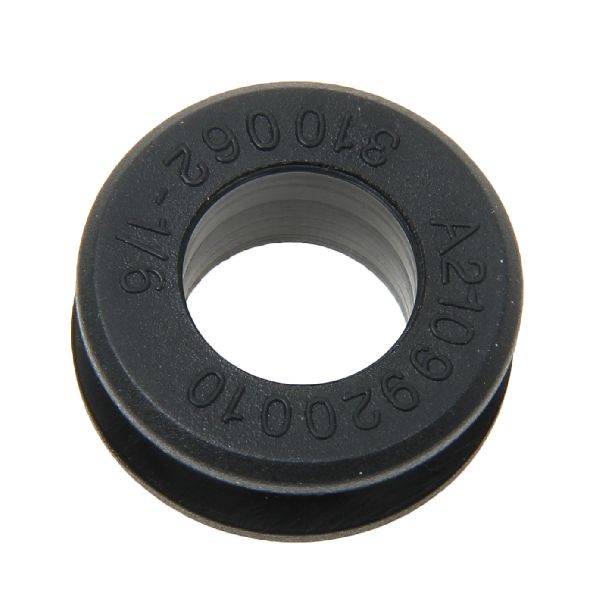
Aftermarket price range: $180-$400 - Transmission Electrical Connector Plug (13-pin)
(OEM #2035400253)— This is a frequent source of leaks that can cause electrical faults and should always be replaced when servicing the conductor plate.
Trusted brands: Genuine Mercedes-Benz, Febi Bilstein, Meyle
OEM price range: $20-$40
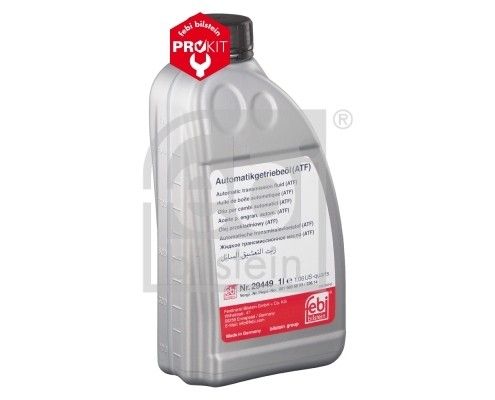
Aftermarket price range: $10-$25 - Automatic Transmission Fluid (ATF)
(OEM #MB Spec 236.14 or 236.15)— Correct fluid is required when refilling the transmission after service. Using the wrong fluid can cause shifting problems and damage.
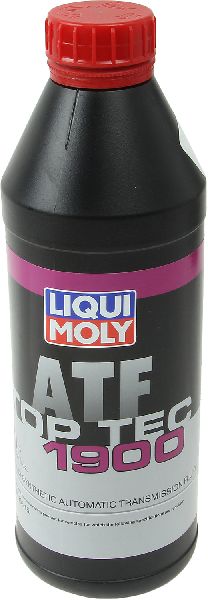
Trusted brands: Genuine Mercedes-Benz, Fuchs Titan, Shell ATF 134, Liqui Moly Top Tec ATF 1600
OEM price range: $20-$30 per liter
Aftermarket price range: $12-$20 per liter - TCC Lock-Up Solenoid
(OEM #1402770435 (for 722.6))— If P0740 is the only code present, the solenoid itself may have failed. It can be replaced independently of the conductor plate.
Trusted brands: Genuine Mercedes-Benz, Bosch
OEM price range: $80-$150
Aftermarket price range: $50-$100
Related Codes That Often Appear With This One
- P0715 — Input/Turbine Speed Sensor 'A' Circuit Malfunction. This sensor is integrated into the conductor plate, so a failing plate will often trigger both codes.
- P0717 — Input/Turbine Speed Sensor 'A' Circuit No Signal. Like P0715, this points directly to a failure of the speed sensor on the conductor plate.
- 2767 / 2768 (Mercedes Specific) — Codes for the internal speed sensor (Y3/8n2) on 722.9 transmissions. These codes are a definitive sign of conductor plate failure.
Platform-Specific Known Issues
- The 722.6 and 722.9 transmissions are known for conductor plate failures, making P0740 a very common code as these vehicles age.
- Fluid wicking from the 13-pin connector up to the TCM is a unique and common problem on this platform that can lead to misdiagnosis of the TCM itself.
Mechanic-Grade Diagnostic Values
- 722.6 TCC Solenoid Resistance — expected: 2.0 - 4.0 Ohms. Failure: A reading outside this range (open or shorted) indicates a failed solenoid.
- 722.9 TCC Solenoid (Y3/8y8) Resistance — expected: 4.0 - 6.0 Ohms. Failure: A reading significantly outside this range indicates a failed solenoid.
- 722.9 13-Pin Connector Voltage (Pin 4 to Pin 5) — expected: Battery Voltage (approx. 12V) with key on. Failure: No voltage indicates a problem with the power supply (fuse/relay) to the TCM/conductor plate.
Hidden / Shadow Codes Worth Checking
- 0748, 2716, 2725, 2734, 2810: These are Mercedes-specific fault codes indicating an internal electrical check failure of various solenoids (K1, K2, K3, B1, B2, Working Pressure) on the 722.9 conductor plate. While not P0740 itself, their presence strongly points to a failing conductor plate as the root cause. (see via Mercedes-Benz XENTRY/DAS diagnostic tool.)
- 0717, 0718, 2767, 2768: These codes indicate a signal from the turbine, internal, or output speed sensors (Y3/8n1, Y3/8n2, Y3/8n3) is not available or defective. Since these sensors are integrated into the 722.9 conductor plate, these codes are a definitive sign of conductor plate failure and often appear alongside P0740. (see via Mercedes-Benz XENTRY/DAS diagnostic tool.)
Scan Tool Commands That Help
- XENTRY/DAS: Initial Start-Up / SCN Coding — This is mandatory after replacing the 722.9 conductor plate (VGS). The new module is a 'virgin' part and must be 'married' to the vehicle's VIN and programmed with the correct software calibration number (SCN) to function.
- XENTRY/DAS or capable aftermarket scanner: Reset Transmission Adaptations — After replacing the conductor plate or solenoids, all learned shift adaptations must be cleared. This forces the TCM to relearn the fill times and pressures for the new components, ensuring smooth shifting.
- XENTRY/DAS or capable aftermarket scanner: Teach-in process for the selection range sensor — After a new conductor plate is installed and coded, the position of the gear selector must be taught to the new range sensor (Y3/8s1) on the plate.
- XENTRY/DAS: Solenoid Actuation Test — To diagnose a specific solenoid, a bidirectional scanner can command the TCC solenoid (Y3/8y8) on and off while monitoring live data (like turbine slip speed) to see if it responds correctly. This helps isolate a faulty solenoid from a wiring or TCM issue.
Wiring & Ground Locations
- 13-Pin Connector (4e) — On the front passenger side of the transmission housing, where the main wiring harness connects.. This is the main electrical interface for the entire valve body. Its internal O-rings are a common failure point, allowing ATF to leak and wick up the harness to the TCM, causing shorts that can trigger P0740. The pins for power are Pin 4 (Circuit 87) and Pin 5 (Ground).
- TCM (N15/3) — For 722.6 transmissions, it's typically in the engine bay's electronics box or under the passenger-side floor/kick panel. For 722.9 transmissions, the TCM (Y3/8n4) is integrated directly into the conductor plate inside the transmission.. This is the control module that detects the fault and sets the code. On 722.6 models, it's crucial to check its connector for oil contamination wicked up from the 13-pin plug.
Real Owner Repair Stories
- YouTube user, CarHavn Euro (Mercedes-Benz with 722.9 transmission, ~55,000 miles) — Loud thump/bump when shifting into Drive or Reverse, car going into limp mode.
❌ Tried (didn't work) A non-specialist transmission shop quoted a full $12,000 transmission rebuild.
✅ What actually fixed it The shop diagnosed the issue using a XENTRY system and found codes pointing to the VGS (conductor plate). They replaced the conductor plate with a new OEM part, which required ordering by VIN as it is a Theft-Relevant Part (TRP). The new plate was then SCN coded to the vehicle, which resolved all symptoms.
OEM Part Supersession History
A0335456732 (VGS1), A0335457332 (VGS2)→A0034460310 / A0002702600 (VGS3)— The original VGS1 and VGS2 conductor plates were prone to failure of the integrated speed sensors and other electronics. The VGS3 is an updated, more robust design.
Heads up: If the vehicle originally had a VGS1 plate, the entire valve body must also be replaced to be compatible with the new VGS3 conductor plate. VGS2 and VGS3 software are not directly compatible, and swapping requires careful programming and SCN coding to ensure function.
Model Year Variations Within This Range
- 2008-2011 (Pre-Facelift): Some earlier W204 models, particularly with smaller engines, may still be equipped with the 5-speed 722.6 transmission. The diagnosis for P0740 is similar but does not require SCN coding for conductor plate replacement, making it a much simpler DIY repair.
- 2008-2014 (722.9 Models): Within the 722.9 transmission's lifecycle, there were three main versions of the conductor plate/TCM: VGS1, VGS2, and VGS3. A 2008 model is more likely to have a VGS2 plate, while a 2014 model will have a VGS3. This is critical because if an early VGS1 plate fails, the entire valve body must be replaced along with the conductor plate, significantly increasing cost.
Diagnostic Flowchart
Other Known Issues on This Vehicle
Issues unrelated to this code that are worth knowing about as an owner of this generation:
- Rear Subframe Corrosion/Failure 🔴 High — Common in regions with road salt. Can fail at any mileage, leading to dangerous handling characteristics. (Ref: Mercedes-Benz extended the warranty to 20 years/unlimited miles for replacement if perforation (holes) from corrosion occurs.)
- Electronic Steering Lock (ESL/ELV) Failure 🔴 High — Very common on pre-facelift (2008-2011) models. Often starts as an intermittent no-start condition and eventually leads to the vehicle being completely immobilized.
- M272 V6 Balance Shaft Sprocket Wear 🔴 High — Affects V6 engines (e.g., C300, C350) built before engine serial number 2729..30 468993 (approx. mid-2008). Repair is extremely labor-intensive and expensive. (Ref: A class-action lawsuit addressed this, but coverage has likely expired for most vehicles.)
- M271 4-Cylinder Timing Chain Stretch 🔴 High — Common on the 1.8L supercharged (Kompressor) and turbocharged engines. A rattling noise on cold starts is the primary symptom. Failure can cause catastrophic engine damage.
- OM651 Diesel Piezo Injector Failure 🟠 Medium — Affects 4-cylinder diesel models (e.g., C220 CDI, C250 CDI). Injectors can fail, causing rough running and poor performance, typically between 100,000 and 180,000 miles.
Used vs. New Parts: Buying Guide for This Vehicle
When a used part is the smart pick: A used valve body assembly (without the conductor plate) is a viable option if the original is confirmed to be cracked or damaged. For the conductor plate itself, a 'repaired' or 'remanufactured' unit from a reputable specialist is often a smart choice, as they repair the common failure points and, crucially, can 'virginize' it, allowing it to be programmed to a new vehicle.
Donor-vehicle mileage cap: roughly under 80000 miles for the part to have meaningful remaining life.
What to inspect on the donor part:
- For a valve body, ensure there are no visible cracks, scoring on the bores, or signs of heavy sludge.
- For a used conductor plate, only buy from a seller who guarantees it has been tested and 'virginized' (reset for programming). A locked plate from a donor car is useless.
- Verify the VGS version (VGS2, VGS3) matches what your vehicle requires.
OEM-only on this vehicle (don't cheap out):
- New Conductor Plate (TCM/VGS): This is a 'Theft-Relevant Part' (TRP) and must be purchased new from a Mercedes-Benz dealer or authorized agent with proof of ownership. A new, unprogrammed plate is required for SCN coding.
Aftermarket brands forum-validated for this vehicle:
- For remanufactured/repaired conductor plates, services like Circuit Board Medics are frequently mentioned in forums as reliable options that avoid the need for SCN coding by repairing the original unit.
Brands owners have reported issues with on this vehicle:
- Unknown, no-name conductor plates from online marketplaces. These are often untested, may be the wrong hardware version, and are frequently still locked to a donor vehicle, making them impossible to program.
Real Owner Stories
Aggregated from forums and TSBs cited above. Mileages and costs reflect what owners reported in those sources.
Mercedes-Benz C-Class (W204)
Symptoms: The owner reported the transmission was 'bad' and likely related to the conductor plate, a common failure point for this platform.
What fixed it: Replacement of the conductor plate.
Source hint: https://mbworld.org/forums/c-class-w204/871891-conductor-plate-bad.html
Mercedes-Benz C-Class with 722.6 Transmission
Symptoms: The vehicle triggered an OBD error code 740.
What fixed it: Diagnostic steps focused on the 722.6 transmission's internal electrical components.
Source hint: https://www.peachparts.com/shopforum/tech-help/434679-722-6-transmission-odb-error-code-740-a.html
Related OBD-II Codes
Frequently Asked Questions
My 2008-2014 C-Class is stuck in second gear and won't shift. Is this related to P0740?
Can I just replace the TCC solenoid (Y3/8y8) on my 722.9 transmission to fix this?
Do I need special tools to check the transmission fluid on my C-Class?
If I replace the conductor plate on my 722.9 transmission, is it a simple 'plug and play' repair?
How can a leaking 13-pin connector cause a P0740 code in the passenger footwell?
What specific transmission fluid should I use for my C-Class to prevent TCC issues?
Helpful Videos

We Have This Part in Stock

The information in this article is provided for general reference and educational purposes only. Vehicle specifications, procedures, and part compatibility can vary by production date, trim level, and region. Always consult your vehicle's factory service manual and verify part numbers before purchasing or performing repairs. Safety-critical components such as airbags, seat belts, and braking systems should be installed by a qualified professional.
- Mercedes-Benz C-Class:
- 🧭 Diagnostic Flowchart
- 🎬 Helpful Videos
- 🛍️ Shop This Part
- What's Unique About the 2008-2014 Mercedes-Benz C-Class
- Symptoms You May Notice
- Most Likely Causes
- Rare But Worth Checking
- Diagnosis Steps
- Parts You'll Likely Need
- Related Codes That Often Appear With This One
- Platform-Specific Known Issues
- Mechanic-Grade Diagnostic Values
- Hidden / Shadow Codes Worth Checking
- Scan Tool Commands That Help
- Wiring & Ground Locations
- Real Owner Repair Stories
- OEM Part Supersession History
- Model Year Variations Within This Range
- Other Known Issues on This Vehicle
- Used vs. New Parts: Buying Guide for This Vehicle
- Real Owner Stories
- Mercedes-Benz C-Class (W204)
- Mercedes-Benz C-Class with 722.6 Transmission
- Related OBD-II Codes
- Frequently Asked Questions
- 🎟️ Get 5% Off