

P0741 on 2015-2019 Kia Sedona: Causes and Fixes for Torque Converter Clutch Issues
For a 2019 Kia Sedona, code P0741 is likely caused by a software glitch fixed with a dealer-installed TCU update per TSB SA387. On 2015-2018 models with the 6-speed automatic, it's more commonly a faulty torque converter clutch (TCC) solenoid or low/dirty transmission fluid, requiring part replacement.
- For a 2019 Kia Sedona, the very first step should be to check with a dealer about the TCU software update (TSB SA387).
- For 2015-2018 models, the most likely culprit is a bad TCC solenoid inside the transmission.
- Always start diagnosis by checking the transmission fluid level and condition, as low or dirty fluid can cause this code.
- This is not a DIY-friendly repair for most people due to the need for special tools, software, or internal transmission work.
- Continuing to drive with this code can lead to poor fuel economy and may cause more severe transmission damage over time.
What's Unique About the 2015-2019 Kia SEDONA
The 2015-2019 Kia Sedona spans a key transmission change. The 2015-2018 models use a 6-speed automatic (A6LF family) where P0741 is often a mechanical issue with the TCC solenoid, a known weak point across many Kia/Hyundai vehicles. In contrast, the 2019 model, which introduced an 8-speed automatic (A8LF1), has a specific Technical Service Bulletin (TSBTRA082_R1 / SA387) identifying a software logic issue as the primary cause for vehicles produced from February 14, 2018, through October 15, 2018, making a dealer software update the most likely fix.
Diagnostic Flowchart
Tap your situation to follow the diagnostic path that matches what you're seeing on this vehicle.
Generation note: This range covers the third generation (YP) Sedona. However, 2015-2018 models use a 6-speed automatic transmission (from the A6LF family), while the 2019 model uses an 8-speed automatic (A8LF1). The causes and primary fixes for P0741 differ significantly between these two transmissions.
Symptoms You May Notice
- Check Engine Light is on
- Reduced fuel efficiency
- Engine RPMs are higher than usual at highway speeds
- Transmission may feel like it's slipping or not shifting into the final gear
- Vehicle may shudder or vibrate, sometimes described as driving over rumble strips
- Transmission may overheat, especially under load
- Possible stalling when coming to a stop if the clutch fails to disengage properly
- Replacing the entire transmission when only a software update (on 2019 models) or an inexpensive solenoid is needed. TSB-TRA051 explicitly warns against this for the 6-speed models.
- Replacing the torque converter when the actual fault lies with the controlling solenoid, wiring, or the transmission fluid.
Most Likely Causes
- TCU Software Logic Needs Update (2019 Models) 🔴 High Probability Kia issued a specific service bulletin (TSBTRA082_R1 / SA387) for 2019 Sedona models produced between Feb 14, 2018, and Oct 15, 2018, with the 8-speed automatic, indicating the fault is triggered by incorrect software logic in the Transmission Control Unit.
How to confirm: A Kia dealer or a qualified shop with access to Kia's diagnostic system (KDS) can check if the vehicle's VIN is affected and if the software update (Upgrade Event #421) has been applied.
Typical fix: Reprogramming the Transmission Control Unit (TCU) with the updated software provided by Kia. This is a dealer-level repair.
Est. part cost: $0 (if covered under warranty or service action) - Faulty Torque Converter Clutch (TCC) Solenoid (2015-2018 Models) 🔴 High Probability → Shop Automatic Transmission Torque Converter On the 6-speed automatic (A6LF family), this solenoid can fail electrically or become clogged with debris, preventing it from operating the TCC lockup mechanism. TSB-TRA051 explicitly instructs dealers to replace the solenoid for P0741 instead of the entire transaxle.
How to confirm: A mechanic can use a scan tool to command the solenoid on/off and check its response while monitoring TCC slip RPM. If it fails to respond or slip remains high, it can be tested for resistance with a multimeter after accessing it inside the transmission. The expected resistance is around 5.1 Ω.
Typical fix: Drop the transmission valve body cover and replace the faulty solenoid.
Est. part cost: $50-$150 - Low or Dirty Automatic Transmission Fluid (ATF) 🟡 Medium Probability → Shop Transmission Assembly Low fluid level reduces the hydraulic pressure needed to actuate the clutch. Old, degraded, or contaminated fluid can clog the fine passages in the valve body or the TCC solenoid itself, preventing proper operation.
How to confirm: Check the transmission fluid level and condition. The Sedona does not have a traditional dipstick, so this must be done via a fill/check plug on the transmission case, typically when the vehicle is level and at a specific temperature (122°F~140°F).
Typical fix: Perform a transmission fluid drain-and-fill or a full fluid exchange. If the fluid is very dirty or contains metal shavings, internal damage is likely and the solenoid or torque converter may still need to be replaced.
Est. part cost: $75-$200 - Damaged Wiring or Connectors ⚪ Low Probability
How to confirm: Visually inspect the transmission wiring harness for any signs of damage, corrosion, or loose connections, both at the main external connector and the internal harness leading to the solenoid.
Typical fix: Repair or replace the damaged section of the wiring harness or the connector.
Est. part cost: $20-$300
Rare But Worth Checking
- Failed Torque Converter: → Shop Automatic Transmission Torque Converter If the solenoid and wiring are confirmed to be good but the fluid contains metal shavings, the mechanical clutch inside the torque converter itself may have failed. This is a major repair that requires removing the transmission.
- Internal Valve Body Issue: → Shop Transmission Valve Body A blockage in the hydraulic passages of the valve body or a stuck valve can prevent fluid from reaching the TCC, even with a good solenoid. In some cases, owners have reported needing a valve body replacement. This often requires valve body replacement or a complete rebuild.
Diagnosis Steps
- Check the transmission fluid level and condition. This is the first and easiest check, though it requires lifting the car and removing a check plug.
- Use an OBD-II scanner to confirm P0741 and check for any other related transmission codes like P0743 or P0700.
- For 2019 models, check with a Kia dealer for TSB TSBTRA082_R1 (SA387) to see if a TCU software update is available and required for your VIN.
- If a software update is not applicable or does not resolve the issue, use an advanced scan tool to monitor live data. While driving at a steady speed (e.g., 50-60 mph), observe the 'TCC Command' status and 'Torque Converter Slip RPM'. A high slip rate (over 200 RPM) when lock-up is commanded indicates a problem.
- Inspect the transmission's main wiring harness and connector for any visible damage or corrosion.
- If external wiring is okay, the next step is to gain access to the TCC solenoid by removing the transmission valve body cover.
- Test the solenoid's resistance with a multimeter. For the 6-speed A6LF transmission, it should be around 5.1 Ω. A reading that is significantly different, open, or shorted indicates a failed solenoid.
- If the solenoid tests good, the issue may be a clogged valve body, a failing torque converter (check fluid for metal), or a more complex internal transmission issue.
Parts You'll Likely Need
- Torque Converter Clutch Solenoid
(OEM #46313-3B030 or 46313-3B073 (for 6-speed A6MF/LF models, verify by VIN))— This solenoid is the most common mechanical failure point for P0741 on the 6-speed automatic (2015-2018 models), as confirmed by Kia TSBs.
Trusted brands: Kia (OEM), Mando, Rostra
OEM price range: $80-$150
Aftermarket price range: $50-$110 - Automatic Transmission Fluid (ATF)
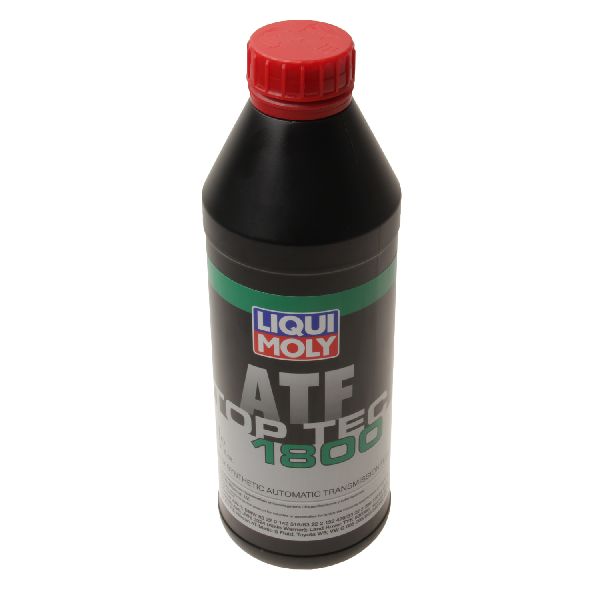
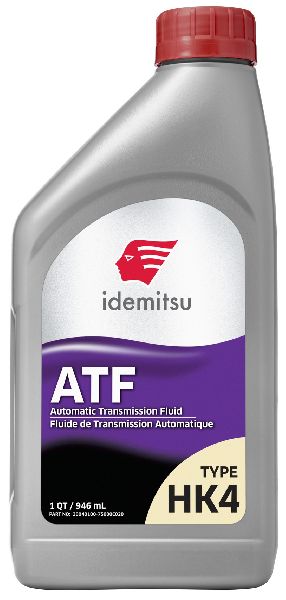
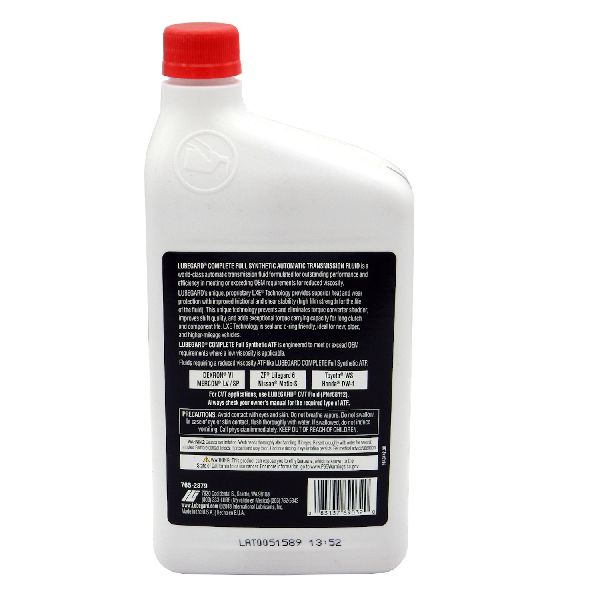
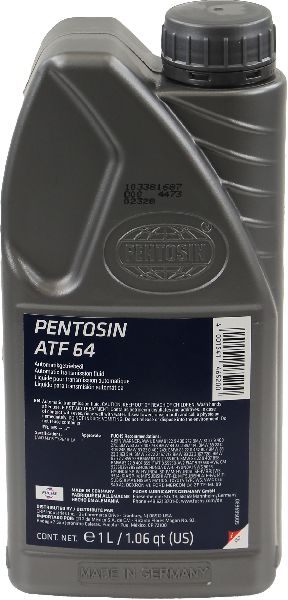
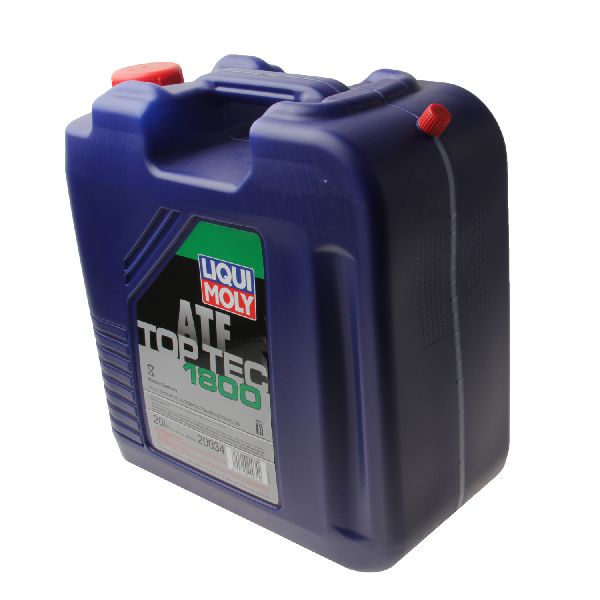
(OEM #SP-IV (for 6-speed), ATF SP-IV-M (for 8-speed))— Fluid must be replaced when dropping the pan/cover to access internal components. Use only fluid that meets Kia's specific specification to avoid damage.
Trusted brands: Kia/Hyundai (OEM), Idemitsu, ENEOS, Valvoline MaxLife ATF
OEM price range: $15-$25 per quart
Aftermarket price range: $10-$18 per quart - Transmission Valve Body Cover Gasket
(OEM #45285-3B700 (example for 6-speed, verify by VIN))— This is a one-time-use gasket that must be replaced anytime the valve body cover is removed to prevent leaks. Some TSBs note using RTV sealant for steel pans.
Trusted brands: Kia (OEM), Fel-Pro
OEM price range: $25-$50
Aftermarket price range: $15-$30
Related Codes That Often Appear With This One
- P0743 — This code indicates an electrical circuit failure (short or open) of the TCC solenoid, which can appear alongside P0741 if the solenoid has an internal electrical fault.
- P0700 — This is a general transmission control system fault code. It acts as an 'aggregator' code, indicating that the TCM has stored one or more specific fault codes, such as P0741.
Technical Service Bulletins (TSBs) & Recalls
- TSBTRA082_R1 / SA387: Recommends a TCU logic improvement (software update) for 2019 Sedona models with the 8-speed automatic.
Platform-Specific Known Issues
- A known software logic issue on 2019 Sedona models (produced Feb 2018 - Oct 2018) with the 8-speed automatic transmission is a primary cause for P0741, addressed by TSB TSBTRA082_R1 / SA387.
- On the 6-speed automatic used in 2015-2018 models, the Damper Clutch (TCC) solenoid is a frequent point of failure, as documented in TSBs for other Kia vehicles using the same transmission (e.g., TSB-TRA051). The bulletin explicitly states to replace the solenoid, not the transaxle.
Mechanic-Grade Diagnostic Values
- TCC Solenoid Resistance — expected: 10-30 ohms (general spec). Failure: A reading outside of the specified range, open, or shorted.
- Transmission Fluid Temperature for Level Check (A6LF) — expected: 95°F to 113°F (35°C to 45°C). Failure: Checking the fluid level outside this temperature range will result in an inaccurate reading.
Scan Tool Commands That Help
- Kia GDS (Global Diagnostic System): ECU Upgrade - Event #421 — This specific function is used on 2019 Sedona models to apply the TCU logic improvement outlined in TSB SA387 to fix the P0741 code.
- Kia GDS (Global Diagnostic System): DTC Analysis — To read manufacturer-specific fault codes and access detailed diagnostic procedures and component information.
- Kia GDS (Global Diagnostic System): Current Data / Live Data — To monitor real-time data from transmission sensors, including TCC command status and slip RPM, to confirm the fault during a test drive.
- Kia GDS (Global Diagnostic System): Resetting Adaptive Values — After replacing a component like a solenoid or valve body, this function resets the transmission's learned shift points and pressures. A relearn drive cycle must then be performed.
Real Owner Repair Stories
- Reddit user mylesd23 (Kia Telluride (shares powertrain components with Sedona)) — Check Engine Light with code P0741.
❌ Tried (didn't work) The user received the recommended software update for the P0741 issue.
✅ What actually fixed it A month after the software update, the vehicle began jerking during acceleration, indicating the software update did not resolve the underlying problem or a new one had developed. The final resolution was not posted, but it highlights that the TSB fix may not be the final answer in all cases.
OEM Part Supersession History
46313-3B020→46313-3B030— Part revision or manufacturer change.
Heads up: The new part number 46313-3B030 is the correct replacement for the older 46313-3B020 for the A6LF/MF/GF family of transmissions.
Model Year Variations Within This Range
- 2015-2018: These models use the 6-speed A6LF family transmission, where P0741 is commonly caused by a faulty TCC solenoid or internal valve body wear.
- 2019: This model uses an 8-speed A8LF1 transmission. For vehicles built between Feb 14, 2018, and Oct 15, 2018, the primary cause of P0741 is a software logic error fixed by a TCU update per TSB SA387.
Helpful Videos


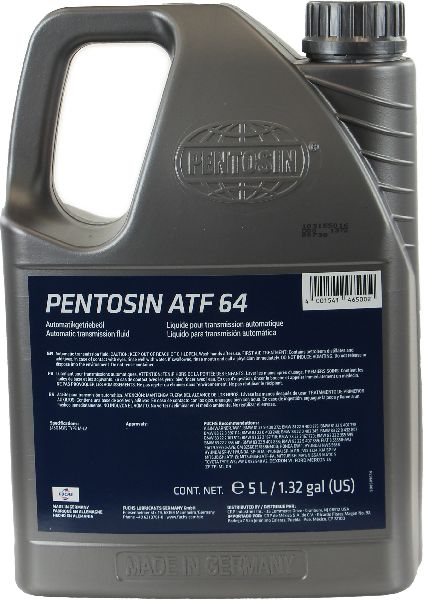
We Have This Part in Stock

The information in this article is provided for general reference and educational purposes only. Vehicle specifications, procedures, and part compatibility can vary by production date, trim level, and region. Always consult your vehicle's factory service manual and verify part numbers before purchasing or performing repairs. Safety-critical components such as airbags, seat belts, and braking systems should be installed by a qualified professional.
- Kia SEDONA:
- 🧭 Diagnostic Flowchart
- 🎬 Helpful Videos
- 🛍️ Shop This Part
- What's Unique About the 2015-2019 Kia SEDONA
- Symptoms You May Notice
- Most Likely Causes
- Rare But Worth Checking
- Diagnosis Steps
- Parts You'll Likely Need
- Related Codes That Often Appear With This One
- Technical Service Bulletins (TSBs) & Recalls
- Platform-Specific Known Issues
- Mechanic-Grade Diagnostic Values
- Scan Tool Commands That Help
- Real Owner Repair Stories
- OEM Part Supersession History
- Model Year Variations Within This Range
- 🎟️ Get 5% Off