

P0751 on 2014-2016 Chevrolet SS: Causes and Fixes for a Stuck Shift Solenoid
On a 2014-2016 Chevy SS, code P0751 is almost always caused by a sticking 'Clutch Select Solenoid Valve 2' inside the 6L80 transmission, a known issue confirmed by GM service bulletins. The fix requires replacing the solenoid and often the entire lower valve body (ACDelco P/N: 24254908), costing between $700 and $1,500 at a shop.
- P0751 on a 2014-2016 SS is a very specific, well-documented problem, not a random failure.
- The most likely symptom is poor acceleration from a stop, which is caused by the transmission being stuck in 4th gear.
- Do not continue to drive with this code, as it can quickly lead to more severe and expensive transmission damage.
- The official GM-recommended repair is often to replace the entire lower valve body, not just the single solenoid, if the valve bore is scored.
- This is not a beginner-friendly DIY repair; professional service is strongly recommended.
What's Unique About the 2014-2016 Chevrolet SS
The 2014-2016 Chevrolet SS uses the 6L80 transmission, which has a well-documented history with this specific fault. General Motors has issued multiple Technical Service Bulletins (TSBs), including PI1344C, that directly address P0751 on this platform and its relatives like the Caprice PPV. The bulletins state the cause is often the Clutch Select Solenoid Valve 2 sticking in its bore, leading to a distinct symptom of the car starting in 4th gear from a stop. This makes the diagnosis on an SS more direct than on vehicles where this isn't a known pattern failure.
Symptoms You May Notice
- Very poor or sluggish acceleration from a complete stop.
- A feeling of the transmission slipping when starting from a launch (this is actually the car starting in 4th gear).
- Vehicle is stuck in a single gear, often 4th gear (limp mode).
- Harsh or delayed shifting.
- Check Engine Light is illuminated.
- Transmission may feel like it slams or clunks into gear.
- Replacing only the single shift solenoid when the valve body bore is scored. The problem will likely return if the bore itself is damaged.
- Assuming the entire transmission needs to be rebuilt 🎬 Watch: A deep dive into the real causes of 6L80 failure without first inspecting the valve body, which is a much less expensive repair.
- Replacing the entire TEHCM (solenoid pack and computer) when the fault is purely mechanical with the valve sticking in the separate lower valve body casting.
Most Likely Causes
- Sticking Clutch Select Solenoid Valve 2 (Shift Solenoid 'A') 🔴 High Probability → Shop Transmission Valve Body This is a widely documented failure on GM 6L80 transmissions, as noted in TSB PI1344C. The valve itself can develop scratches or stick in its bore within the valve body, preventing it from moving freely. This is a mechanical failure, not an electrical one, so the solenoid may test fine electrically.
How to confirm: A technician can perform a solenoid performance test using a diagnostic scan tool to command PC Solenoid 2. Definitive confirmation requires dropping the pan and removing the valve from the lower valve body to inspect it for any visible scratches or scoring. The valve may become unstuck when the valve body bolts are loosened, so inspection is key.
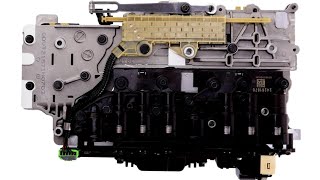
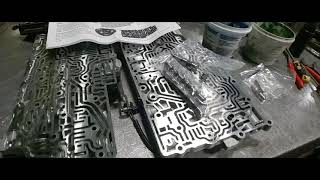
Typical fix: Replace the lower control valve body (ACDelco P/N: 24254908). GM's recommendation for a scored bore is to replace the entire lower valve body. Some transmission shops may opt to use an aftermarket kit from Sonnax or TransGo which includes improved steel valves or updated springs (Sonnax P/N: 104740-02K) to prevent future sticking. A technical update from Jasper Engines also suggests installing a notched valve body spacer plate gasket to improve oil flow 🎬 Watch: Jasper Engines explains the P0751 oil flow update to the solenoid.
Est. part cost: $250-$500 - Low or Contaminated Transmission Fluid 🟡 Medium Probability → Shop Transmission Assembly Fluid that is old, dirty, or broken down can cause hydraulic components like solenoids to stick or operate sluggishly. Debris from normal wear or a failing torque converter can clog the fine passages in the valve body and solenoids. The Chevrolet SS does not have a dipstick, making fluid checks less frequent for many owners.
How to confirm: Check the transmission fluid level and condition via the fill plug on the side of the transmission case while the fluid is at operating temperature (86°F to 122°F). The fluid should be at the correct level, red in color (DEXRON-VI), and not have a burnt smell or contain excessive metallic particles.
Typical fix: Perform a transmission fluid and filter change using DEXRON-VI fluid. If the fluid is heavily contaminated, a full flush may be needed, and other parts like the torque converter may be failing.
Est. part cost: $100-$200 - Failing Torque Converter ⚪ Low Probability → Shop Automatic Transmission Torque Converter A known issue on some 6L80-equipped vehicles is the failure of the torque converter clutch, which sheds debris into the fluid. This debris can clog the valve body and cause the P0751 code, even if the converter itself hasn't thrown a specific code yet.
How to confirm: This is difficult to confirm without other symptoms like a shudder or specific torque converter clutch (TCC) codes (e.g., P0741). A technician may analyze transmission data or inspect the fluid in the pan for excessive metallic debris, which is a strong indicator.
Typical fix: Replacement of the torque converter, along with a full transmission flush and replacement of the valve body/solenoids that were damaged by the debris.
Est. part cost: $400-$800
Rare But Worth Checking
- Faulty Transmission Control Module (TCM) or Wiring: → Shop Transmission Assembly While rare, a failure within the TCM (which is part of the TEHCM assembly inside the pan) or the internal wiring harness can cause this code. This is usually considered only after the more common mechanical parts have been ruled out, as the P0751 is most often a mechanical issue with the valve itself, not electrical.
Diagnosis Steps
- Verify the transmission fluid level and condition. Ensure it is full and the fluid is clean and red. The Chevrolet SS requires checking via a fill plug at a specific temperature.
- Use a professional scan tool to confirm P0751 is the active code and check for any other transmission-related codes.
- Follow the diagnostic procedure outlined in GM TSB PI1344C.
- Using the scan tool, perform a solenoid performance test, specifically commanding PC Solenoid 2 on and off, checking for a response.
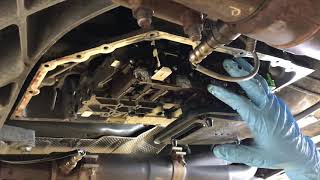
- If the test fails or is inconclusive, drop the transmission pan to access the valve body. 🎬 See this walkthrough on how to remove the valve body
- Remove the lower valve body and then remove and inspect the Clutch Select Solenoid Valve 2 for any visible scratches, scoring, or signs of it sticking in the valve body bore.
- If the valve is scored or the bore is damaged, the lower valve body must be replaced.
- If the valve and bore appear clean, the issue may be the solenoid itself, a wiring issue within the transmission, or a lack of oil supply which can be addressed with an updated spacer plate gasket.
- Inspect the internal wiring harness for any signs of damage or corrosion.
Parts You'll Likely Need
- Transmission Lower Control Valve Body
(OEM #24254908)— This is the most common fix, as per GM TSBs. The bore for the solenoid becomes scored, and the entire lower valve body assembly needs to be replaced to permanently fix the issue.
Trusted brands: ACDelco
OEM price range: $300-$500
Aftermarket price range: $200-$400 - Transmission Fluid (DEXRON-VI)
(OEM #10-9395)— Fluid must be replaced anytime the transmission pan is dropped. Approximately 6-8 quarts are needed for a pan drop service.
Trusted brands: ACDelco
OEM price range: $10-$15 per quart
Aftermarket price range: $8-$12 per quart - Transmission Filter Kit — The filter should always be replaced when servicing the transmission to ensure clean fluid flow.
Trusted brands: ACDelco
OEM price range: $40-$60
Aftermarket price range: $20-$40
Related Codes That Often Appear With This One
- P0700 — P0700 is a generic code that simply means the Transmission Control Module (TCM) has stored a fault. It acts as a 'check engine light' for the transmission and will almost always appear with a specific code like P0751.
Technical Service Bulletins (TSBs) & Recalls
- PI1344C: Addresses reduced acceleration and slipping from a launch caused by DTC P0751. It identifies the cause as a sticking Clutch Select Solenoid Valve 2 and recommends inspecting the valve for scratches, replacing the lower valve body if damage is found. Manufacturer Bulletin #PI1344C provides diagnostic tips and repair information to correct customer concerns regarding reduced acceleration at low speeds when this code is set.
- PI1344B: An earlier version of the bulletin with similar information, also pointing to the Clutch Select Solenoid Valve 2 as the culprit.
Platform-Specific Known Issues
- GM Technical Service Bulletin PI1344C specifically identifies DTC P0751 on the 2014-2016 Chevrolet SS. It notes the cause is the Clutch Select Solenoid Valve 2 sticking, resulting in a 4th gear start.
- A technical bulletin from Jasper Engines & Transmissions identifies a root cause for the solenoid sticking as a lack of oil, which can be permanently fixed by installing an updated, notched valve body spacer plate gasket to improve oil flow.
Mechanic-Grade Diagnostic Values
- Shift Solenoid 'A' (On/Off type) Coil Resistance — expected: 20-40 Ohms. Failure: A reading of 0 Ohms (short) or infinite/OL (open) indicates a failed solenoid coil. However, a mechanically sticking solenoid can still test good electrically.
- Shift Solenoid 'A' (On/Off type) Current Draw — expected: 0.3 - 0.7 Amps at 12 Volts. Failure: Current draw outside this range indicates a faulty solenoid coil or wiring issue.
- Solenoid Power Supply Voltage at Connector — expected: Approximately 12.6V (Battery Voltage) when commanded ON. Failure: Voltage significantly below battery voltage suggests a wiring issue, poor ground, or a problem with the TCM power supply circuit.
Scan Tool Commands That Help
- GM GDS2 / Tech2: Solenoid Valve State Control / Output Control — This bidirectional command allows a technician to manually command Shift Solenoid 'A' (Clutch Select Solenoid 2) ON and OFF with the engine running or off. This helps verify if the solenoid clicks audibly and if the command causes a change in the hydraulic system, isolating a mechanical vs. electrical failure.
- GM GDS2 / Tech2: Service Fast Learn Adapts — This procedure is mandatory after replacing the valve body or the entire TEHCM. It allows the TCM to learn the hydraulic characteristics and clutch volumes of the new components to ensure smooth shifting and prevent future codes. The transmission fluid must be within a specific temperature range (e.g., 160°F - 200°F) to initiate the process.
- GM GDS2 / Tech2: Solenoid Cleaning Process — This is an automated diagnostic routine that cycles all solenoids to attempt to flush debris from the valves and their circuits. It can be attempted before parts replacement if the issue is suspected to be minor contamination.
Wiring & Ground Locations
- Main Engine-to-Chassis/Transaxle Ground — On many GM V8 platforms, a primary ground strap runs from the negative battery terminal or engine block to a stud on the transmission case, often near the starter motor. Another critical ground is often located on the back of the driver's side cylinder head/engine block.. The TEHCM (TCM) is located inside the transmission and relies on a solid chassis ground. A poor or corroded main ground can cause erratic voltage, leading to unpredictable behavior from electronic components like shift solenoids and potentially triggering performance codes like P0751.
- TEHCM Main Connector — The main round electrical connector is located on the passenger side of the 6L80 transmission case, above the pan rail.. This is the sole external electrical interface for the internal TEHCM, which controls Shift Solenoid 'A'. Damage to this connector or its wiring harness (chafing, corrosion, bent pins) can interrupt the command or feedback signal for the solenoid, directly causing a P0751 code.
Model Year Variations Within This Range
- Pre-2010 (General 6L80 Family): Earlier 6L80 transmissions used a different valve body separator plate and clutch select valve springs with a higher load. GM later updated these parts to address the P0751 code. If servicing an older transmission or using salvaged parts, it's critical to use the updated separator plate and correct springs (or an aftermarket kit like Sonnax 104740-02K) to prevent the code from returning.
- 2014-2016: The TEHCM (Transmission Electro-Hydraulic Control Module) used in 2014-2016 6L80 transmissions contains specific calibration data and is not directly interchangeable with units from earlier or later model years without reprogramming. Using a TEHCM from a different year range will likely cause shifting problems or a no-start condition.
Diagnostic Flowchart
Used vs. New Parts: Buying Guide for This Vehicle
When a used part is the smart pick: For this specific P0751 issue, a used lower valve body from a junkyard is a high-risk, low-reward choice. The primary failure is mechanical wear (scoring) in the valve bore, which is impossible to see without disassembly and can exist even on a low-mileage donor. A professionally remanufactured valve body, which has been inspected, cleaned, and often updated with improved parts like Sonnax valves, is a much safer and more reliable option than a used part.
Donor-vehicle mileage cap: roughly under 60000 miles for the part to have meaningful remaining life.
What to inspect on the donor part:
- Check for any cracks or damage to the transmission case or bellhousing, which indicates it was dropped.
- Ask to see the fluid from the donor transmission if possible. Fluid that is black, burnt, or full of metallic particles indicates severe internal wear, and the valve body is likely contaminated.
- Inspect the main electrical connector for bent, broken, or corroded pins.
- Avoid any parts sold 'as-is' with no warranty or return policy, as this is common for problematic used components.
OEM-only on this vehicle (don't cheap out):
- Transmission Fluid (DEXRON-VI): While aftermarket fluids may claim compatibility, using genuine ACDelco DEXRON-VI eliminates any fluid-related variables in diagnosis and performance.
Aftermarket brands forum-validated for this vehicle:
- Sonnax: Widely respected in the transmission industry for providing high-quality valve body repair kits, including specific solutions for the P0751 code like oversized valves and updated springs (e.g., 104740-02K).
- TransGo: Another reputable brand that produces shift kits and valve body repair components for the 6L80.
Brands owners have reported issues with on this vehicle:
- Unbranded, no-name valve bodies or TEHCMs from online marketplaces. These are often just cleaned-up used parts with no correction for the underlying wear issues and frequently fail shortly after installation.
Real Owner Stories
Aggregated from forums and TSBs cited above. Mileages and costs reflect what owners reported in those sources.
2014 Chevrolet SS 6L80
Symptoms: Owner experienced the P0751 code and the vehicle went into limp mode.
What fixed it: The dealer replaced the lower valve body and seals.
Cost: $1050-$1150
Source hint: ssforums.com thread titled 'P0751 code, what did you do?'
Related OBD-II Codes
Frequently Asked Questions
Is there a TSB for the P0751 code on my 2015 Chevrolet SS?
My SS with code P0751 feels like it's slipping from a stop. What's actually happening?
My mechanic said the shift solenoid tests fine electrically. Could it still be the cause of P0751?
The dealer wants to replace the entire lower valve body for P0751. Is this the correct repair?
Are there any aftermarket parts to prevent the P0751 issue from happening again on my SS?
Could a failing torque converter cause the P0751 code on my 6L80 transmission?
How do I check the transmission fluid on my Chevrolet SS, and could it be related to P0751?
Helpful Videos

We Have This Part in Stock



The information in this article is provided for general reference and educational purposes only. Vehicle specifications, procedures, and part compatibility can vary by production date, trim level, and region. Always consult your vehicle's factory service manual and verify part numbers before purchasing or performing repairs. Safety-critical components such as airbags, seat belts, and braking systems should be installed by a qualified professional.
- Chevrolet SS:
- 🧭 Diagnostic Flowchart
- 🎬 Helpful Videos
- 🛍️ Shop This Part
- What's Unique About the 2014-2016 Chevrolet SS
- Symptoms You May Notice
- Most Likely Causes
- Rare But Worth Checking
- Diagnosis Steps
- Parts You'll Likely Need
- Related Codes That Often Appear With This One
- Technical Service Bulletins (TSBs) & Recalls
- Platform-Specific Known Issues
- Mechanic-Grade Diagnostic Values
- Scan Tool Commands That Help
- Wiring & Ground Locations
- Model Year Variations Within This Range
- Used vs. New Parts: Buying Guide for This Vehicle
- Real Owner Stories
- 2014 Chevrolet SS 6L80
- Related OBD-II Codes
- Frequently Asked Questions
- 🎟️ Get 5% Off