

P0751 on 2011-2016 Kia Sportage: Shift Solenoid 'A' Performance Causes and Fixes
P0751 on a 2011-2016 Kia Sportage most often indicates a failed shift solenoid 'A' or the internal wiring harness inside the A6MF1 6-speed automatic transmission. The fix typically involves replacing the solenoid and/or the harness, along with a transmission fluid and filter change. Expect to pay $350-$750 at a shop.
- P0751 on a 2011-2016 Sportage points to an internal transmission issue, most commonly the 'A' shift solenoid or the internal wiring harness that contains the temperature sensor.
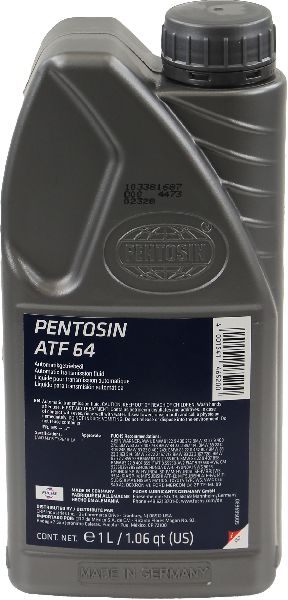
- Always start diagnosis by checking the transmission fluid level and condition. Use only SP-IV compatible fluid.
- The internal wiring harness (P/N 46307-3B650) is a very frequent point of failure and should be strongly considered for replacement during the repair.
- This is not a beginner-friendly DIY repair. It requires removing the transmission valve body.
- Due to the labor involved, it is wise to consider replacing all shift solenoids and the internal wiring harness at the same time to prevent future issues.
What's Unique About the 2011-2016 Kia Sportage
The 2011-2016 Kia Sportage uses a 6-speed automatic transmission (from the A6MF family) that is shared with many other Kia/Hyundai models of this era. These transmissions are known for issues with internal components. While P0751 is a generic code, on this platform it frequently points to failure of the solenoid itself, the internal wiring harness becoming brittle from heat, or a faulty transmission fluid temperature sensor which is integrated into that harness. A bad temperature reading can cause the TCM to command incorrect line pressures, leading to harsh shifts that can trigger a performance code even if the solenoid itself is mechanically sound.
Generation note: The 2011-2016 model years cover the third generation (SL) of the Kia Sportage. The issues and repairs are generally consistent across this generation as they share the same A6MF1 transmission.
Symptoms You May Notice
- Harsh or delayed shifting
- Transmission slipping or getting stuck in one gear (limp mode, often 3rd gear)
- Check Engine Light is on
- Reduced fuel economy
- Transmission overheating
- Vehicle feels sluggish or has poor acceleration
- Replacing the entire transmission when only an internal component like a solenoid or wiring harness has failed. Kia has issued TSBs on similar models advising against this for related codes.
- Replacing only the shift solenoid when the root cause is the internal wiring harness or the integrated temperature sensor.
Most Likely Causes
- Failed Shift Solenoid 'A' 🔴 High Probability → Shop Transmission Valve Body The solenoids in this transmission family are a known high-failure item due to heat and vibration, as acknowledged by Kia in TSBs for related codes on similar models.
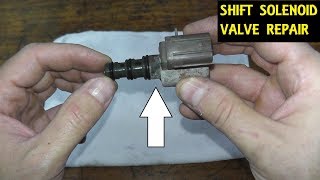
How to confirm: A mechanic can test the solenoid's resistance with a multimeter (should be around 12-25 ohms) 🎬 Watch: How to test and replace shift solenoid valves or use a high-end scan tool to command the solenoid on and off to check its operation.
Typical fix: Replace the faulty shift solenoid. It is often recommended to replace the entire solenoid pack or set while the valve body is removed to prevent future failures of other solenoids.
Est. part cost: $80-$200 - Faulty Internal Transmission Wiring Harness 🔴 High Probability → Shop Transmission Assembly This is arguably the most common cause for P0751 on this platform. The wiring harness inside the transmission is submerged in hot fluid and can become brittle, developing cracks or shorts over time. This harness also contains the Transmission Fluid Temperature (TFT) sensor, whose failure is a known issue.
How to confirm: Visually inspect the harness for damage when the transmission pan and valve body are removed. Test for continuity on the solenoid's circuit from the TCM connector to the solenoid.
Typical fix: Replace the internal transmission wiring harness. The OEM part number is typically 46307-3B650.
Est. part cost: $100-$250 - Low or Dirty Transmission Fluid 🟡 Medium Probability → Shop Transmission Assembly Neglected fluid changes can lead to sludge and debris that clog the small passages in the valve body and impede solenoid movement. This transmission is sensitive to fluid type and condition.
How to confirm: Check the transmission fluid level and condition via the check plug. The fluid should be red and clear, not brown, black, or burnt-smelling.
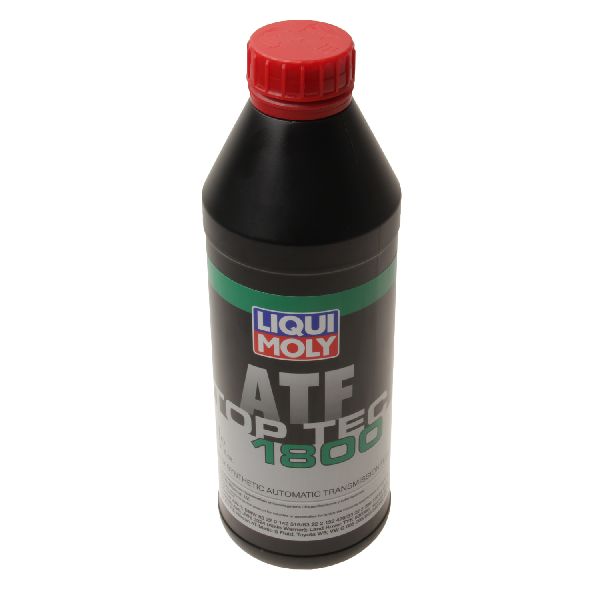
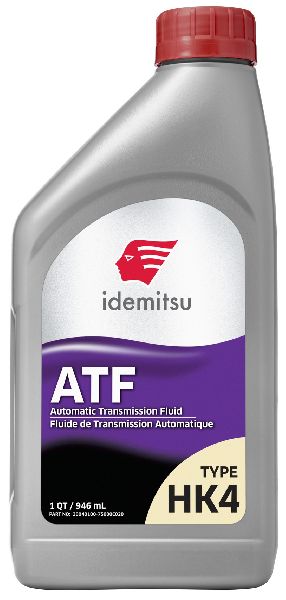
Typical fix: Perform a transmission fluid drain and fill, or a full fluid exchange. Use only fluid that meets the Kia SP-IV specification.
Est. part cost: $75-$150 - Failing Transmission Fluid Temperature (TFT) Sensor 🟡 Medium Probability → Shop Transmission Assembly Failure of the TFT sensor is a known issue on these transmissions, as noted in Kia TSB TRA-045 for the Sorento. A bad sensor can cause the TCM to default to maximum line pressure, causing harsh shifts that can trigger a solenoid performance code. The sensor is integrated into the internal wiring harness, so the cause and fix are linked.
How to confirm: Monitor the TFT sensor data on a scan tool for erratic or illogical readings (e.g., reading -40°F when the transmission is warm).
Typical fix: Replace the TFT sensor, which requires replacing the entire internal wiring harness (P/N 46307-3B650).
Est. part cost: $100-$250
Rare But Worth Checking
- Clogged transmission fluid passages or faulty valve body: → Shop Transmission Assembly If the fluid is heavily contaminated, debris can clog the hydraulic passages within the valve body, preventing proper shifting even with a good solenoid. In some cases, the valve body itself can have internal wear.
- Transmission Control Module (TCM) Failure: → Shop Transmission Assembly While rare, the TCM itself can fail, causing it to incorrectly command or interpret signals from the transmission. This is usually the last item to suspect after all other possibilities are ruled out.
Diagnosis Steps
- Check the transmission fluid level and condition. If it is low, top it off with SP-IV compatible fluid and check for leaks. If it is dark, burnt, or contains debris, a fluid and filter change is necessary.
- Use a professional scan tool to check for other transmission-related trouble codes and to monitor live data, specifically the Transmission Fluid Temperature (TFT). An illogical TFT reading points towards the internal harness.
- Clear the codes and test drive the vehicle to see if the P0751 code returns.
- If the code returns, the next step is to drop the transmission pan for a visual inspection of the fluid, filter, and to check for excessive metal shavings.
- Test the resistance of Shift Solenoid 'A' and its wiring at the transmission connector. A good solenoid should read between 12-25 ohms.
- If wiring and resistance are good, and the TFT sensor reads correctly, the issue is likely a mechanical problem with the solenoid itself or a blockage in the valve body.
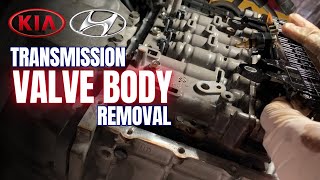
- Remove the valve body to access and replace the shift solenoid and internal wiring harness. It is highly recommended to replace the harness (which includes the TFT sensor) whenever the valve body is removed. 🎬 See how to remove and replace the valve body
Parts You'll Likely Need
- Internal Transmission Wiring Harness
(OEM #46307-3B650)— A very common failure point due to heat degradation, causing electrical issues for the solenoids and the integrated temperature sensor. Often the true root cause of P0751.
Trusted brands: Kia/Hyundai (OEM)
OEM price range: $150-$250
Aftermarket price range: $100-$180 - Automatic Transmission Control Solenoid
(OEM #46313-3B030)— This is the component directly implicated by the code and is a frequent failure item.
Trusted brands: Kia/Hyundai (OEM), Standard Motor Products
OEM price range: $120-$180
Aftermarket price range: $80-$130 - Automatic Transmission Fluid and Filter Kit — Required for any repair that involves opening the transmission pan. Clean fluid meeting the SP-IV specification is critical for transmission health.
Trusted brands: Kia (OEM), Beck/Arnley
OEM price range: $100-$150
Aftermarket price range: $60-$100
Related Codes That Often Appear With This One
- P0700 — This is a generic code indicating the Transmission Control Module (TCM) has stored a fault. It will almost always be present alongside a more specific transmission code like P0751.
- P0756 — This code indicates a performance issue with Shift Solenoid 'B'. It's common to see codes for multiple solenoids if there is a widespread issue like dirty fluid or a failing wiring harness.
- P0741 — This code relates to the Torque Converter Clutch Solenoid. If fluid is dirty or the wiring harness is failing, it can affect multiple solenoid circuits simultaneously.
Technical Service Bulletins (TSBs) & Recalls
- TSB TRA-045 (for Sorento with same transmission family): Addresses replacement of the transaxle oil temperature sensor for related shifting symptoms, corroborating the harness/sensor failure pattern.
- TSBTRA051R1 (for Sorento/Optima with same transmission family): Acknow
Platform-Specific Known Issues
- Owner Experience on Kia-Forums.com: A user with a 2012 Kia Sorento (same A6MF1 transmission) reported experiencing harsh shifting and the P0751 code. After a transmission shop quoted a full rebuild, they found information online pointing to the internal wiring harness. They replaced the harness (which included the temperature sensor) and all solenoids as a preventative measure. The total cost for parts was around $400, and the repair completely solved the shifting issues.
- DIY Repair on YouTube: Multiple videos for Hyundai/Kia models with the A6MF1 transmission show the step-by-step process of dropping the pan and valve body to replace the solenoids and harness. Commenters frequently confirm that replacing the harness (part 46307-3B650) fixed their P0751 and related shifting problems, even when the solenoids themselves tested as good.
Mechanic-Grade Diagnostic Values
- Shift Solenoid 'A' (SSA) and 'B' (SSB) Resistance — expected: 10-11 ohms. Failure: A reading significantly outside this range, or an open/infinite resistance, indicates a failed solenoid coil.
- Variable Force Solenoids (VFS) Resistance — expected: 5.0-5.6 ohms. Failure: While not directly related to P0751 (which is for an on/off solenoid), knowing this value is crucial when testing the entire solenoid pack. An incorrect reading indicates failure of a different solenoid.
- Transmission Fluid Temperature (TFT) Sensor Resistance — expected: Approximately 2.5k ohms at 68°F (20°C). Failure: A reading that is open, shorted, or does not change logically as the transmission warms up points to a failure in the sensor, which is integrated into the internal wiring harness.
- Valve Body Bolt Torque — expected: 7.2-8.7 lb-ft. Failure: Improper torque can lead to hydraulic leaks within the valve body, causing shifting issues. This is a critical reassembly specification.
Scan Tool Commands That Help
- Kia GDS (Global Diagnostic System) or equivalent professional scan tool: Resetting Auto T/A Values / Init Of TCU Learning — This function MUST be performed after replacing the transmission, valve body, solenoids, or TCM. It erases the old, learned adaptive values that compensated for wear in the previous components. Failure to reset adaptations will result in poor shift quality even with new parts.
- Kia GDS (Global Diagnostic System) or equivalent professional scan tool: Transmission Adaptive Value Relearn (Drive Cycle) — After resetting the adaptive values, a specific relearn drive cycle is required. This involves driving the vehicle with the ATF temperature between 86°F and 203°F, accelerating gently (10-20% throttle) through all gears from 1-6, and repeating this 5 times. This 'teaches' the TCM the correct line pressures and shift points for the new components.
Wiring & Ground Locations
- Main Transmission Case Connector — On the front or top of the transmission case, where the external vehicle harness connects to the internal components.. This is the primary external point for testing the electrical integrity of the shift solenoids and internal harness without removing the transmission pan. A technician can perform resistance and voltage checks at the pins corresponding to Shift Solenoid 'A' from this location.
- Transmission Case Ground — A grounding strap or wire bolted directly from the transmission housing to the vehicle's chassis or engine block.. A poor or corroded ground connection can cause a variety of electrical issues within the transmission, including erratic solenoid behavior that could trigger performance codes like P0751. Verifying this ground is clean and tight is a fundamental electrical diagnostic step.
OEM Part Supersession History
46307-3B610, 46307-3B620→46307-3B650— The internal wiring harness was updated to improve reliability and address known failure points, particularly with the integrated Transmission Fluid Temperature (TFT) sensor. The updated harness is recommended for all repairs.
Diagnostic Flowchart
Other Known Issues on This Vehicle
Issues unrelated to this code that are worth knowing about as an owner of this generation:
- Theta II Engine Failure (2.4L MPI & 2.0L T-GDI) 🔴 High — Widespread across 2011-2019 models. Manufacturing debris can block oil passages, leading to connecting rod bearing failure and engine seizure. Often occurs between 60,000 and 120,000 miles. (Ref: Recall SC147; Kia has also extended warranties and settled class-action lawsuits over this issue.)
- Excessive Oil Consumption 🟠 Medium — Common on Theta II engines, often related to piston ring issues, which can lead to oil sludge and premature engine wear if not monitored closely. (Ref: Related TSBs have been issued addressing oil consumption tests.)
- Steering Column Knock or Click 🟡 Low — A common annoyance where the flexible coupling in the steering column wears out, causing a clicking or knocking sound when turning the wheel. The part is inexpensive but labor can be significant.
- Brake Light Switch Failure 🟠 Medium — The switch can fail, preventing the brake lights from illuminating or causing them to stay on. This can also prevent the vehicle from shifting out of Park. (Ref: Recall SC121)
- AC Compressor Failure 🟠 Medium — The AC compressor clutch or the entire unit is a common failure point, leading to a loss of air conditioning. This often happens after 80,000 miles.
Used vs. New Parts: Buying Guide for This Vehicle
When a used part is the smart pick: For this specific repair, using used electronic parts like solenoids or the internal wiring harness from a junkyard is strongly discouraged. These components are known high-failure items that degrade with heat and time. A used part may have significant wear and could fail shortly after installation, forcing you to pay for the labor-intensive repair a second time.
Donor-vehicle mileage cap: roughly under 30000 miles for the part to have meaningful remaining life.
What to inspect on the donor part:
- If considering a used valve body assembly, look for a donor vehicle with the lowest possible mileage.
- Avoid parts from vehicles that show signs of transmission overheating (dark, burnt fluid).
- Ensure the donor vehicle was not in a severe front-end collision that could have damaged the transmission case or connectors.
OEM-only on this vehicle (don't cheap out):
- Internal Transmission Wiring Harness: Given the high failure rate and subsequent part updates by Kia/Hyundai, using a new OEM harness (46307-3B650) is the most reliable option to ensure longevity and compatibility.
- Transmission Fluid: Only use fluids that explicitly meet the Kia SP-IV specification. Using a generic or incorrect fluid type can cause shifting problems and long-term damage.
Aftermarket brands forum-validated for this vehicle:
- Standard Motor Products (SMP): Offers aftermarket solenoids that are generally considered reliable alternatives to OEM.
Brands owners have reported issues with on this vehicle:
- Unbranded, no-name solenoids and harnesses from online marketplaces should be avoided. These often lack proper quality control and may not meet the precise resistance and flow specifications required by the TCM, leading to persistent codes and poor performance.
Real Owner Stories
Aggregated from forums and TSBs cited above. Mileages and costs reflect what owners reported in those sources.
2012 Kia Sorento (A6MF1 Transmission)
Symptoms: Harsh shifting and a P0751 code. A transmission shop initially recommended a full rebuild.
What fixed it: Replaced the internal wiring harness (including the temperature sensor) and all solenoids as a preventative measure.
Cost: $400-$400
Source hint: Owner Experience on Kia-Forums.com
2011 Kia Sorento
Symptoms: Shifting problems and P0751 code; solenoids sometimes test as good but the code persists.
What fixed it: Replacing the internal transmission harness (part 46307-3B650).
Source hint: DIY Repair on YouTube
Related OBD-II Codes
Frequently Asked Questions
Is there a specific part number I should look for to fix the P0751 code on my Kia Sportage?
My Sportage is shifting harshly; could this be related to the Transmission Fluid Temperature (TFT) sensor mentioned in Kia TSBs?
What is the correct transmission fluid for a 2011-2016 Kia Sportage to prevent solenoid issues?
Can I just replace the Shift Solenoid 'A' to clear the P0751 code?
What should the resistance be for a healthy shift solenoid in this Kia model?
Is the P0751 code related to the Theta II engine recalls on the Sportage?
Helpful Videos

We Have This Part in Stock



The information in this article is provided for general reference and educational purposes only. Vehicle specifications, procedures, and part compatibility can vary by production date, trim level, and region. Always consult your vehicle's factory service manual and verify part numbers before purchasing or performing repairs. Safety-critical components such as airbags, seat belts, and braking systems should be installed by a qualified professional.
- Kia Sportage:
- 🧭 Diagnostic Flowchart
- 🎬 Helpful Videos
- 🛍️ Shop This Part
- What's Unique About the 2011-2016 Kia Sportage
- Symptoms You May Notice
- Most Likely Causes
- Rare But Worth Checking
- Diagnosis Steps
- Parts You'll Likely Need
- Related Codes That Often Appear With This One
- Technical Service Bulletins (TSBs) & Recalls
- Platform-Specific Known Issues
- Mechanic-Grade Diagnostic Values
- Scan Tool Commands That Help
- Wiring & Ground Locations
- OEM Part Supersession History
- Other Known Issues on This Vehicle
- Used vs. New Parts: Buying Guide for This Vehicle
- Real Owner Stories
- 2012 Kia Sorento (A6MF1 Transmission)
- 2011 Kia Sorento
- Related OBD-II Codes
- Frequently Asked Questions
- 🎟️ Get 5% Off