

P0751 on 2013-2021 Land Rover Range Rover: Shift Solenoid 'A' Causes and Fixes
P0751 on a Range Rover most often points to low or degraded transmission fluid, or a fault within the transmission's mechatronic unit (valve body). Start by checking the fluid level and condition, as this is the most common and least expensive fix. A complete fluid and filter service may resolve the issue; otherwise, expect a more costly mechatronic unit repair or replacement.
- P0751 on a 2013-2021 Range Rover is a serious code that will cause noticeable driving problems and should be addressed promptly.
- The first and most important diagnostic step is to have the transmission fluid level and condition professionally checked.
- Due to the ZF 8-speed transmission design, the fix is often not a single solenoid but a fluid service or a complete mechatronic unit replacement.
- This is not a DIY-friendly repair. It requires specialized knowledge for diagnosis, fluid service, and potential programming of new components.
What's Unique About the 2013-2021 Land Rover Range Rover
The 2013-2021 (L405 generation) Range Rover uses a sophisticated ZF 8-speed automatic transmission, typically the 8HP70 model. Unlike some transmissions where individual shift solenoids are easily replaced, on the ZF 8-speed, the solenoids are integrated into the complex mechatronic unit (valve body). This unit acts as the electro-hydraulic brain of the transmission. Therefore, a persistent P0751 code on this vehicle often points towards an issue with the entire mechatronic assembly rather than just a single, inexpensive solenoid. While some shifting issues on early L405s can sometimes be related to software, a hard P0751 fault typically indicates a mechanical or hydraulic fault within the transmission.
Symptoms You May Notice
- Check Engine Light is on
- "Transmission Fault" message on the dashboard
- Vehicle enters 'limp mode' (stuck in one gear, often 2nd or 3rd)
- Harsh, delayed, or erratic shifting
- Transmission slipping (engine revs but vehicle doesn't accelerate properly)
- Failure to shift into or out of a specific gear
- Decreased fuel economy
- Replacing only a single shift solenoid. On the ZF 8-speed transmission, the solenoids are part of the mechatronic assembly and are not typically serviced individually. The entire unit is the standard repair.
- Assuming the transmission is failing and needs a full replacement without first performing a fluid and filter service, which is a common fix for this code.
- Replacing the mechatronic unit without first checking for a leaking connector sleeve, which is a much cheaper and simpler repair.
Most Likely Causes
- Low or Degraded Transmission Fluid 🔴 High Probability → Shop Transmission Assembly Land Rover calls the transmission fluid "lifetime" or "fill-for-life," which can lead to owners neglecting fluid service. However, the transmission manufacturer, ZF, recommends a fluid and filter change around 93,000 miles (150,000 km) for longevity. Over time, the fluid breaks down, loses its lubricating properties, and becomes contaminated with clutch material. This degraded fluid can impede the function of the hydraulic passages and solenoids within the mechatronic unit, causing them to stick.
How to confirm: A technician must check the transmission fluid level and condition. This is a precise procedure on the ZF 8-speed as it must be done at a specific fluid temperature (typically 30-50°C) with the engine running. The fluid should be a clear green or brown (depending on the specific type used); dark, burnt-smelling fluid indicates excessive wear and a likely problem.
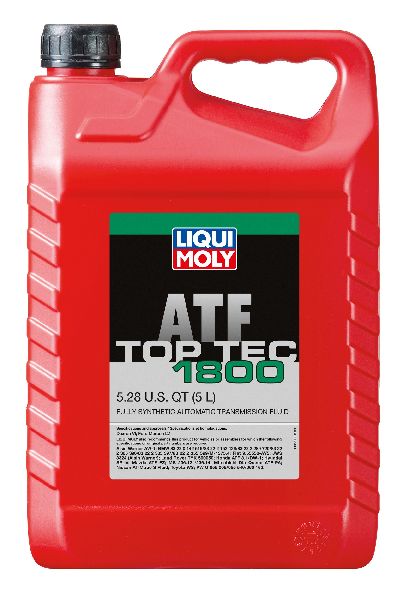
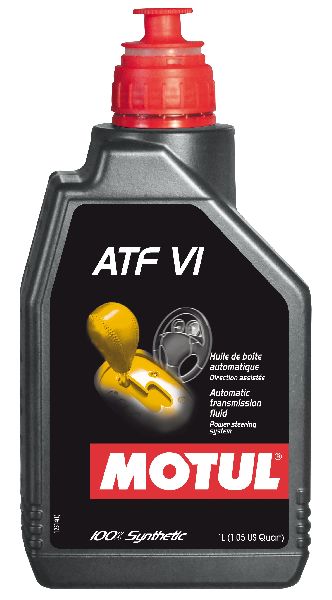
Typical fix: Perform a complete transmission fluid and filter (pan) service using only the correct ZF-spec fluid (ZF Lifeguard 8). The filter is integrated into the plastic transmission pan, so the entire pan assembly is replaced.
Est. part cost: $250-$450 for a genuine ZF fluid and filter kit. - Failed Mechatronic Unit (Valve Body) 🟡 Medium Probability → Shop Transmission Valve Body The mechatronic unit is the electro-hydraulic brain of the transmission. Debris from normal wear can clog its small passages, or the integrated solenoids can fail electrically or mechanically. This is a known failure point on ZF 8-speed transmissions across various makes, often due to aggressive driving habits or extended fluid service intervals which cause the torque converter lock-up clutch to wear and contaminate the solenoids.
How to confirm: If a fluid service doesn't resolve the code, a technician will need to perform advanced diagnostics. This involves testing the electrical signals to the solenoid from the TCM and checking hydraulic pressures. Often, the diagnosis is made by ruling out fluid and external wiring issues. A definitive diagnosis usually requires removing the mechatronic unit for inspection or testing.
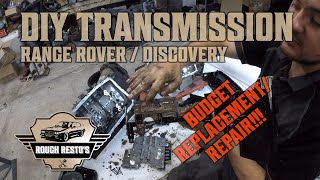
Typical fix: Replacement of the entire mechatronic unit. This part must be programmed to the vehicle's VIN. In some cases, specialized shops can rebuild the mechatronic unit by replacing the solenoids and cleaning the valve body.
Est. part cost: $1200-$2500 for a new mechatronic unit. - Damaged Wiring or Leaking Connector Sleeve ⚪ Low Probability The main transmission wiring harness connector sleeve is a known weak point on ZF transmissions. The O-rings on the sleeve can degrade over time, allowing transmission fluid to leak out. This fluid can wick up into the wiring harness, causing corrosion and electrical faults that can trigger a P0751 code. The harness is also exposed to road debris and heat.
How to confirm: Visually inspect the main transmission connector where the harness plugs into the transmission case (typically on the passenger side) for any signs of fluid leaks or corrosion. Perform a continuity and resistance test on the wiring for Shift Solenoid 'A' between the TCM and the transmission.
Typical fix: Replace the connector sleeve and clean the contacts. This should be done anytime the transmission pan is off for a fluid service. If the harness is contaminated, it may need to be cleaned or replaced.
Est. part cost: $20-$50 for a new connector sleeve (e.g., ZF Part No. 0501220929).
Rare But Worth Checking
- Faulty Transmission Control Module (TCM): → Shop Transmission Assembly The TCM itself can fail, but this is much less common than a fluid or mechatronic issue. A faulty TCM would typically be suspected only after all other possibilities, including the mechatronic unit and wiring, have been ruled out.
- Internal Mechanical Failure: In severe cases, debris from a failing clutch pack or torque converter can clog the mechatronic unit, causing the P0751 code. If significant metal shavings are found in the transmission pan during a fluid service, it's a sign of a much more serious problem requiring a transmission rebuild or replacement.
Diagnosis Steps
- Scan the vehicle's computer systems for all stored fault codes. Note P0751 and any other related codes.
- Perform a thorough check of the transmission fluid level and condition. This must be done at the correct operating temperature (typically 30-50°C) with the engine running and the vehicle on a level surface.
- If the fluid is low, top it off with the correct ZF Lifeguard 8 fluid and inspect for leaks, paying close attention to the main electrical connector sleeve.
- If the fluid is dark, burnt, or service is overdue, perform a complete fluid and filter change. The filter is integrated into the transmission pan.
- While the pan is off, replace the mechatronic connector sleeve O-rings as a preventative measure.
- Clear the codes and perform a test drive, ensuring the transmission reaches operating temperature, to see if the fault returns. If it does, proceed with further diagnosis.
- Inspect the transmission wiring harness and connector for any signs of damage, corrosion, or fluid intrusion.
- Using an advanced scan tool, command the shift solenoids to operate and monitor the live data from the TCM to check for proper electrical response.
- If the fluid and wiring are good, but the code persists, the fault is likely within the mechatronic unit, which will require replacement.
Parts You'll Likely Need
- Transmission Fluid and Filter Kit
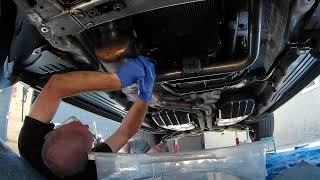
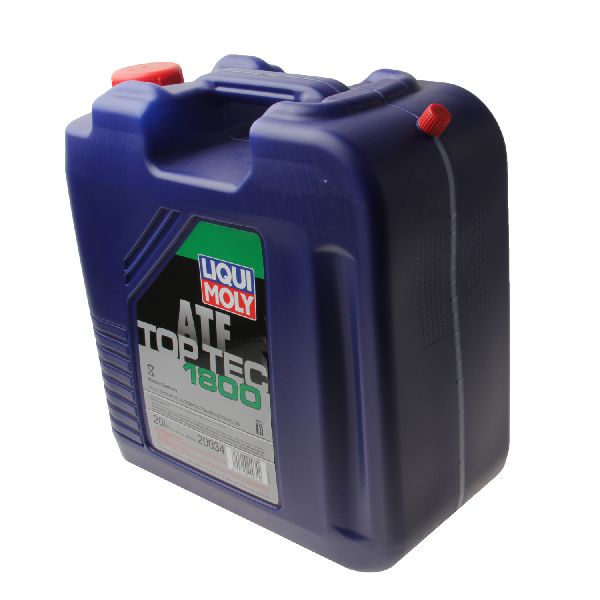
(OEM #Pan/Filter: LR065238, Fluid: LR023288 (ZF Lifeguard 8))— Low or degraded fluid is the most common cause of shifting issues. A fluid and filter service is the first logical step in repair. The filter is integrated into the pan. 🎬 Watch: Full L405 major service and transmission fluid swap
Trusted brands: ZF (OEM)
OEM price range: $250-$450
Aftermarket price range: $200-$350 - Transmission Mechatronic Unit (Valve Body)
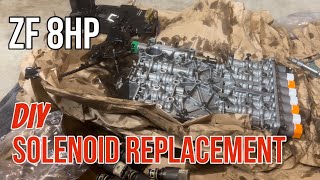
(OEM #Varies by VIN)— This is the electro-hydraulic control unit of the transmission. The shift solenoids are integrated into it, and it's the most likely hardware failure point for a P0751 code if a fluid service does not fix the issue.
Trusted brands: ZF (OEM)
OEM price range: $1200-$2500 - Transmission Connector Sleeve
(OEM #ZF Part: 0501220929 (Land Rover equivalent TZV500010 or LR082632))— This seal is a common leak point on ZF transmissions. It should be replaced whenever the transmission pan is removed for service to prevent future fluid leaks and electrical issues.
Trusted brands: ZF (OEM)
OEM price range: $20-$40
Aftermarket price range: $15-$30
Related Codes That Often Appear With This One
- P0700 — P0700 is a generic code that simply means the Transmission Control Module (TCM) has stored a fault code. It will almost always be present alongside a more specific transmission code like P0751.
Platform-Specific Known Issues
- Some early L405 models experienced lazy or delayed shifting, particularly when cold, which could be addressed with a TCM software update from a Land Rover dealer. While this is not a direct fix for a hard P0751 fault, ensuring the vehicle has the latest software is a good practice.
Mechanic-Grade Diagnostic Values
- Shift Solenoid Resistance (All VFS Solenoids) — expected: Approximately 5.0 - 5.5 ohms at 20°C (68°F).. Failure: A reading significantly higher (open circuit) or lower (short circuit, e.g., under 1 ohm) indicates a failed solenoid coil.
- Transmission Fluid Temperature for Level Check — expected: 30°C to 50°C (86°F to 122°F).. Failure: Checking the level when the fluid is too cold will result in underfilling; checking when too hot will result in overfilling. Both can cause shifting problems.
Scan Tool Commands That Help
- JLR SDD/Pathfinder or advanced aftermarket (e.g., iCarsoft LR V4.0): Reset Adaptation / Transmission Adaptation Reset — This is a critical step after replacing the transmission fluid, mechatronic unit, or solenoids. The Transmission Control Module (TCM) stores learned values for clutch pressures. Resetting these forces the TCM to re-learn the shift points with the new components or fluid, which can resolve harsh or erratic shifting.
- JLR SDD/Pathfinder or advanced aftermarket: Live Data Monitoring - Transmission Oil Temperature — Essential for accurately checking the transmission fluid level. The level must be checked within a specific temperature window, and this data stream is the only way to know the precise temperature.
Real Owner Repair Stories
- Land Rover Forum User (2013 Range Rover 5.0L) — Vehicle would not start, transmission errors.
❌ Tried (didn't work) Initial diagnosis pointed towards a major transmission or mechatronic failure.
✅ What actually fixed it The mechatronic connector sleeve was not fully seated, preventing the main wiring harness from locking into place. This caused a loss of communication. Reseating the sleeve and ensuring the harness connector locked properly resolved all symptoms. This was discovered after a full mechatronic service.
OEM Part Supersession History
LR023294→LR065238— Standard part update and consolidation by Land Rover for the ZF 8-speed transmission pan with integrated filter.
Model Year Variations Within This Range
- 2018-2021: The L405 Range Rover received a significant facelift for the 2018 model year. This included updated exterior styling, new LED headlights, and a redesigned interior featuring the Touch Pro Duo infotainment system. While the core ZF 8-speed transmission remained, software calibrations and TCM integration may differ from the earlier 2013-2017 models. A plug-in hybrid (P400e) variant was also introduced, which uses a modified version of the ZF 8-speed transmission.
Diagnostic Flowchart
Other Known Issues on This Vehicle
Issues unrelated to this code that are worth knowing about as an owner of this generation:
- Air Suspension Failure 🔴 High — Very common. Leaks from air springs (bags) or compressor failure often occur after 5-8 years or 60,000-100,000 miles.
- 5.0L V8 Timing Chain Guide Wear 🔴 High — Common on 2013-2016 models, often presenting as a rattling noise on cold starts between 50,000 and 100,000 miles. Failure can lead to catastrophic engine damage. (Ref: JLR has issued TSBs for this issue on related models.)
- Plastic Coolant Pipe Leaks 🔴 High — The plastic coolant crossover pipes, especially on V8 and SCV6 engines, are prone to cracking with age and heat cycles, causing coolant loss. This can lead to overheating and severe engine damage if not caught early.
- Front Suspension Control Arm Bushing Wear 🟠 Medium — The lower control arm bushings are a common wear item, leading to a knocking or clunking sound from the front suspension, especially at low speeds over bumps or during braking. Typically requires attention around 50,000-80,000 miles.
- Infotainment System Glitches 🟡 Low — Pre-facelift (2013-2017) models are known for slow response, freezing, or blank screens on the infotainment system. Often resolved with a software update or a system reset.
- Door Latch Failure 🟠 Medium — Door latch mechanisms can fail, preventing a door from locking or opening correctly.
Used vs. New Parts: Buying Guide for This Vehicle
When a used part is the smart pick: A used mechatronic/valve body assembly can be a cost-effective alternative to a new unit, but only if sourced from a reputable rebuilder or a low-mileage donor vehicle. Given the high cost of a new unit, a tested, used part can save thousands.
Donor-vehicle mileage cap: roughly under 75000 miles for the part to have meaningful remaining life.
What to inspect on the donor part:
- Verify the exact part number matches your original unit.
- Obtain the VIN of the donor vehicle to check its service history if possible.
- Inspect the electrical connector pins for any signs of corrosion or damage.
- Ask if the unit has been tested or comes with any warranty from the dismantler.
OEM-only on this vehicle (don't cheap out):
- Transmission Fluid (ZF Lifeguard 8 or Land Rover equivalent)
- Mechatronic Unit (New or OEM Remanufactured is safest)
Aftermarket brands forum-validated for this vehicle:
- ZF (Original Equipment Manufacturer for the transmission, pan, and fluid)
Brands owners have reported issues with on this vehicle:
- Unbranded, low-cost mechatronic units from online marketplaces, as they are often untested and may have programming incompatibilities.
Real Owner Stories
Aggregated from forums and TSBs cited above. Mileages and costs reflect what owners reported in those sources.
2013-2021 Range Rover (L405)
Symptoms: Shift quality issues and transmission fault codes despite the manufacturer's 'sealed for life' claim.
What fixed it: A complete transmission fluid and filter service.
Source hint: rangerovers.net: Numerous threads discuss ZF 8-speed transmission faults
2013-2021 Range Rover (L405)
Symptoms: Transmission fault codes and failure of the electro-hydraulic brain of the transmission.
What fixed it: Replacement of the mechatronic unit and programming the new unit to the vehicle.
Source hint: fullfatrr.com: This forum has detailed discussions on mechatronic unit failures
Related OBD-II Codes
Frequently Asked Questions
Land Rover says my transmission fluid is 'lifetime' or 'fill-for-life.' Do I really need to change it to fix P0751?
My 2014 Range Rover has lazy shifting when cold but no hard fault yet. Is there a software fix?
Can I just replace the fluid to fix P0751, or do I need a new transmission pan?
Is it true that a leak at the electrical connector can cause transmission codes?
How much should I expect to pay for a new mechatronic unit if the fluid service doesn't work?
What temperature should the fluid be at when checking the level on my Range Rover?
Helpful Videos

We Have This Part in Stock



The information in this article is provided for general reference and educational purposes only. Vehicle specifications, procedures, and part compatibility can vary by production date, trim level, and region. Always consult your vehicle's factory service manual and verify part numbers before purchasing or performing repairs. Safety-critical components such as airbags, seat belts, and braking systems should be installed by a qualified professional.
- Land Rover Range Rover:
- 🧭 Diagnostic Flowchart
- 🎬 Helpful Videos
- 🛍️ Shop This Part
- What's Unique About the 2013-2021 Land Rover Range Rover
- Symptoms You May Notice
- Most Likely Causes
- Rare But Worth Checking
- Diagnosis Steps
- Parts You'll Likely Need
- Related Codes That Often Appear With This One
- Platform-Specific Known Issues
- Mechanic-Grade Diagnostic Values
- Scan Tool Commands That Help
- Real Owner Repair Stories
- OEM Part Supersession History
- Model Year Variations Within This Range
- Other Known Issues on This Vehicle
- Used vs. New Parts: Buying Guide for This Vehicle
- Real Owner Stories
- 2013-2021 Range Rover (L405)
- 2013-2021 Range Rover (L405)
- Related OBD-II Codes
- Frequently Asked Questions
- 🎟️ Get 5% Off