

P0756 on 2009-2010 GMC Sierra 2500: Shift Solenoid 'B' Performance / Stuck Off Guide
On a 2009-2010 GMC Sierra 2500, code P0756 usually indicates a problem with the 2-4 Shift Solenoid 'B' inside the 6L80/6L90 transmission. The most common cause is debris in the transmission fluid clogging the valve body, a known issue cited in GM Technical Service Bulletin #PIP4831E. The fix often requires dropping the transmission pan to clean or replace the entire Control Solenoid Valve Assembly (TEHCM), as simply replacing the solenoid often fails to resolve the underlying hydraulic issue.
- P0756 on a 2009-2010 Sierra 2500 is a serious transmission code that should be addressed immediately to prevent further damage.
- The most likely cause is not a simple electrical failure, but rather contaminated transmission fluid that has clogged the valve body or caused Shift Solenoid 'B' to stick, a known issue for this platform.
- The proper fix involves dropping the transmission pan, inspecting for debris, cleaning the valve body, and likely replacing the shift solenoid (or the entire TEHCM assembly).
- This is not a recommended DIY repair for beginners. The complexity of internal transmission work means it is best left to a qualified professional.
What's Unique About the 2009-2010 Gmc SIERRA 2500
The 2009-2010 Sierra 2500 uses the robust 6L80 or, more commonly, the heavy-duty 6L90 transmission. A well-documented issue with these units is debris from normal wear (clutch material, metal shavings) contaminating the fluid, which then clogs the very small passages within the valve body and the solenoids themselves. GM has issued multiple Technical Service Bulletins (TSBs) about this exact problem. TSB #PIP4831E specifically instructs technicians to disassemble the valve body to inspect for and clean out debris when codes like P0756 appear. This makes fluid contamination and a physically stuck valve within the valve body a primary suspect, often more so than a simple electrical failure of the solenoid itself.
Diagnostic Flowchart
Tap your situation to follow the diagnostic path that matches what you're seeing on this vehicle.
Symptoms You May Notice
- Check Engine Light is on
- Transmission is stuck in one gear (limp mode)
- Harsh or delayed shifting, especially the 1-2 shift
- Failure to shift into certain gears
- Sluggish acceleration from a stop
- Transmission slipping
- Transmission overheating warning light
- Engine has misfire-like symptoms
- Replacing only the shift solenoid without cleaning the valve body or addressing the source of fluid contamination. A GMTNation forum user reported this exact scenario, where changing solenoids had no effect until the valve body was removed and a stuck 2-3 shift valve was discovered and freed. If debris caused the original solenoid to fail, it will quickly ruin the new one as well.
Most Likely Causes
- Contaminated Transmission Fluid / Debris in Valve Body 🔴 High Probability → Shop Transmission Assembly As noted in GM TSB #PIP4831E, debris in the valve body is a known cause for this code. The bulletin directs technicians to remove, disassemble, and inspect the valve body, spacer plate, and fluid transfer plate for debris. Forum users report finding metal shavings that physically jam the valves in their bores, which is why simply replacing the solenoid often doesn't fix the problem.
How to confirm: Drop the transmission pan and inspect the fluid and pan magnet for excessive metal shavings or clutch material. A professional can follow TSB #PIP4831E to disassemble and inspect the valve body for stuck valves or blocked passages.
Typical fix: Drop the transmission pan, remove and thoroughly clean the valve body assembly with GM Brake Clean or equivalent, ensuring all valves move freely. Replace the transmission fluid (DEXRON-VI) and filter. In many cases, the entire TEHCM/valve body assembly is replaced as a unit.
Est. part cost: $75-$200 for a fluid and filter - Faulty Shift Solenoid 'B' (SS2) 🔴 High Probability → Shop Transmission Valve Body The solenoid itself can fail electrically (open or shorted coil) or mechanically (stuck plunger). Debris in the fluid is a common reason for mechanical failure. On the 6L80/6L90, the solenoids are integrated into the TEHCM and are not typically replaced individually.
How to confirm: After accessing the TEHCM, the on/off shift solenoid can be tested for correct resistance with a multimeter. The specified resistance should be between 20-40 ohms. A professional scan tool can also command the solenoid on and off to check for an audible click.
Typical fix: Replace the entire Control Solenoid Valve Assembly (TEHCM), which includes all solenoids and the TCM. This part must be programmed to the vehicle.
Est. part cost: $400-$800 for a new TEHCM - Low Transmission Fluid Level 🟡 Medium Probability → Shop Transmission Assembly
How to confirm: Check the transmission fluid level according to the manufacturer's procedure (engine running, at operating temperature, in Park). The fluid should be at the correct level and not appear dark, burnt, or gritty.
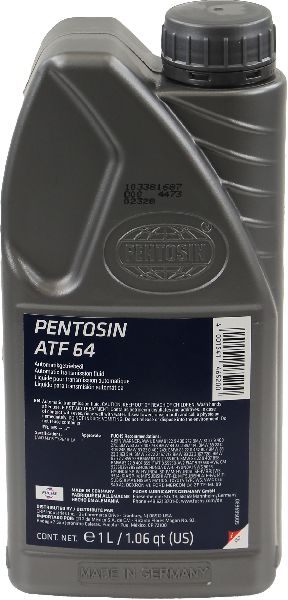
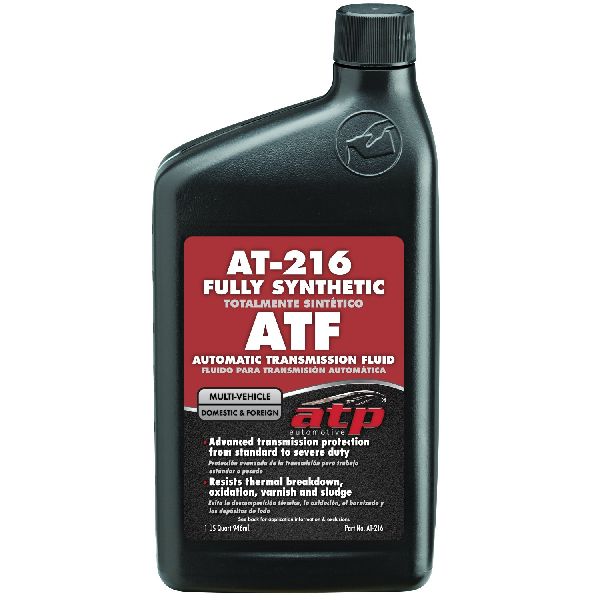
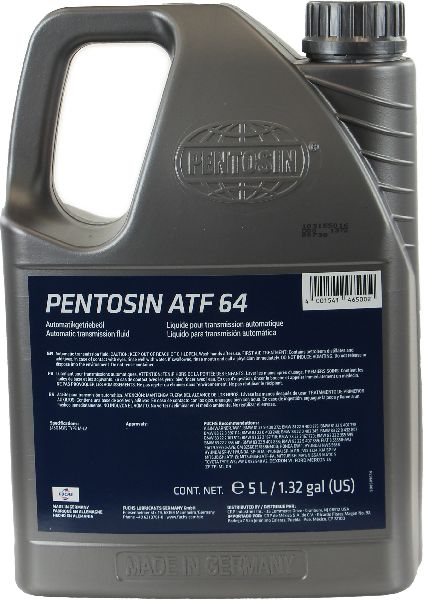
Typical fix: Top off the fluid to the correct level with ACDelco DEXRON-VI automatic transmission fluid. If the fluid is low, inspect for leaks at the pan gasket, cooler lines, and seals.
Est. part cost: $15-$30 per quart - Faulty Transmission Control Module (TCM/TEHCM) ⚪ Low Probability → Shop Transmission Assembly The TCM is integrated with the valve body and solenoids on these transmissions (as a TEHCM unit). It is submerged in hot fluid and subject to vibration, which can lead to internal electronic failure. TSB #PIP4831E also suggests reviewing the date code on the TCM, indicating some production runs may be problematic.
How to confirm: This is typically a diagnosis of exclusion after all other possibilities (fluid, solenoids, wiring, valve body passages) have been ruled out. Requires advanced diagnostics with a dealer-level scan tool.
Typical fix: Replace the Control Solenoid Valve Assembly (TEHCM). This part must be programmed to the vehicle.
Est. part cost: $400-$800
Rare But Worth Checking
- Wiring or Connector Issues: The internal transmission wiring harness is part of the TEHCM's lead frame and is submerged in hot fluid, which can make it brittle over time. A short or open in the circuit for solenoid 'B' can trigger the code. Always check the main external transmission connector for corrosion or pushed-out pins first.
- Cracked 3-5-R Clutch Drum: A known failure point in 6L80/6L90 transmissions that can cause pressure loss and lead to various shift codes, including P0756. This is a major internal repair requiring transmission removal and disassembly.
- Worn Check Balls on Spacer Plate: Technical documents indicate that the small check balls in the valve body can wear down over time, or the holes in the spacer plate they seal against can become worn. This prevents proper hydraulic pressure from being routed, which can cause various shift performance codes.
Diagnosis Steps
- Check the transmission fluid level and condition. If it is low, dark, or smells burnt, this is a key indicator of a problem.
- Use a professional scan tool to check for other transmission-related codes and to view live data, such as the commanded state vs. the actual state of the shift solenoids.
- Inspect the main electrical connector at the transmission for any signs of damage, corrosion, or loose pins.
- Drop the transmission oil pan to inspect for debris. A small amount of fine grey material on the magnet is normal, but large metal chunks or excessive clutch material indicates a serious internal problem requiring a rebuild.
- With the pan removed, remove the TEHCM/valve body assembly. Inspect the internal wiring harness (lead frame) for any visible damage.
- Test the resistance of Shift Solenoid 'B'. The reading should be between 20-40 ohms. If it is out of spec, the entire TEHCM must be replaced.
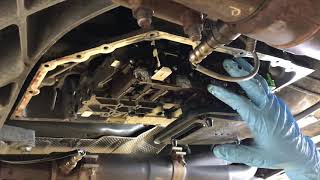
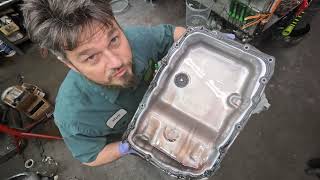
- If the solenoid tests good electrically, the problem is almost certainly mechanical. Following the procedure in TSB #PIP4831E, disassemble the valve body and meticulously clean all passages and valves 🎬 See this full rebuild video for cleaning and reassembly tips., ensuring each valve moves freely in its bore without sticking.
- If cleaning the valve body does not resolve the issue or if the TEHCM fails electrical tests, replace the entire TEHCM assembly and have it programmed to the vehicle's VIN.
Parts You'll Likely Need
- Control Solenoid Valve and Transmission Control Module Assembly (TEHCM)
(OEM #ACDelco 24256861 (superseded by other numbers like 24275872, always verify by VIN))— On 6L80/6L90 transmissions, the solenoids, valve body, and TCM are serviced as a single unit. This is the most comprehensive fix, addressing the solenoid, potential valve body issues, and the control module at once. This part MUST be programmed.
Trusted brands: ACDelco (OEM), Street Smart Transmission (Remanufactured)
OEM price range: $400-$800
Aftermarket price range: $300-$600 - Transmission Filter and Gasket Kit
(OEM #ACDelco 24236933 (Verify by VIN))— This must be replaced anytime the transmission pan is removed for service.
Related Codes That Often Appear With This One
- P0700 — This is a generic transmission fault code. It simply means the Transmission Control Module (TCM) has stored a specific code, which in this case is P0756. It is an informational code for the main engine computer.
- P0751 — This code is for Shift Solenoid 'A' Stuck Off. Since both solenoids 'A' and 'B' work together to control shifts and are located in the same TEHCM assembly, a widespread contamination issue or electronic fault can cause codes for both to appear.
- P0776 — This code relates to the Pressure Control Solenoid 2. TSB #PIP4831E lists P0756 and P0776 together, indicating they can be caused by the same valve body debris issue.
Technical Service Bulletins (TSBs) & Recalls
- PIP4831E
- PIP4379N
Platform-Specific Known Issues
- Debris in Valve Body (TSB PIP4831E): → Shop Transmission Valve Body The most cited cause for P0756 on this platform. GM specifically instructs technicians to disassemble the valve body to clean out debris that causes valves to stick. This confirms the issue is often mechanical (a blockage) rather than a failed solenoid.
- TEHCM Integrated Design: → Shop Transmission Valve Body Unlike older transmissions where solenoids were easily replaced individually, the 6L80/6L90 integrates the solenoids, pressure switches, and control module into one unit (the TEHCM). While this simplifies assembly, it means a single solenoid failure often requires replacing the entire expensive, programmable assembly.
Mechanic-Grade Diagnostic Values
- Shift Solenoid 'B' (SS2) Resistance — expected: 20 - 40 Ohms. Failure: A reading of infinite resistance (open circuit) or near zero (short circuit) indicates a failed solenoid coil.
- Pressure Control (PWM) Solenoid Resistance — expected: 3 - 8 Ohms. Failure: Readings outside this range indicate a faulty PWM solenoid. This is useful for a general health check of the TEHCM, as multiple solenoid issues often point to a failing module.
- Transmission Line Pressure at Idle (in Park) — expected: 45 - 80 PSI. Failure: Significantly lower pressure can indicate a weak pump, internal leaks, or low fluid level, which can cause solenoid performance codes.
Scan Tool Commands That Help
- GDS2 / Tech2: Solenoid Valve Diagnosis / Output Controls — This function allows a technician to command each shift solenoid on and off individually while the vehicle is stationary. A lack of an audible 'click' from the transmission pan area when commanding SS2 can confirm an electrical or mechanical failure of the solenoid.
- GDS2 / Tech2 with Kent-Moore DT-47825 Test Plate: TEHCM Bench Test — When the TEHCM is removed from the transmission, this special test plate is attached, and shop air is supplied. The scan tool is then used to cycle each solenoid, and the technician watches a pressure gauge to confirm the solenoid is not only clicking but also opening and closing correctly to allow air pressure through. This is the definitive way to test a TEHCM on the bench.
- N/A (Internal TCM Logic): Internal Stuck Off Test — This is not a user command, but the logic the TCM uses to set the P0756 code. When first gear with engine braking is commanded, the TCM expects to see a first gear ratio. If it instead sees a second gear ratio, it concludes that the normally-closed SS2 valve failed to energize and is stuck off, setting the DTC.
Wiring & Ground Locations
- Main Transmission Connector (X109) — The 16-pin circular connector on the passenger side of the transmission case.. This is the sole electrical interface to the TEHCM. Corrosion or pushed-out pins, especially Pin 5 (Ground), Pin 4 (Battery +), and Pin 12 (Run/Crank Power), can cause a loss of power or ground to the entire TEHCM, leading to multiple codes including P0756.
- Engine-to-Chassis Ground Strap — Typically a braided strap from the rear of the passenger side cylinder head/engine block to the firewall.. This is a primary ground path for the engine and its electronics. On GMT900 trucks, this strap is known to corrode and break, causing a host of bizarre electrical issues, including poor powertrain performance and erratic module behavior as the PCM and TCM seek a stable ground path.
- Battery-to-Frame Ground — A cable from the negative battery terminal to the vehicle frame, typically located below and forward of the battery tray.. A poor connection here raises the ground potential for the entire vehicle, which can affect the operation of sensitive electronics like the TEHCM. This is a common corrosion point and should be inspected and cleaned as part of any electrical diagnosis.
Real Owner Repair Stories
- Synthesized from multiple owner reports on Go-Parts.com and forums (2009 GMC Sierra w/ 6L90) — Check Engine Light on, transmission stuck in 3rd gear (limp mode), harsh engagement from Park to Drive.
❌ Tried (didn't work) Clearing the code (it returned on the next drive cycle after the transmission warmed up)., Replacing only the Shift Solenoid 'B' (SS2). The problem returned almost immediately, sometimes after the vehicle cooled down and was restarted.
✅ What actually fixed it The owner dropped the transmission pan again, removed the entire valve body/TEHCM assembly, and found visible debris and metal shavings in the valve body passages. The entire TEHCM assembly was replaced with a new, programmed unit. A full transmission fluid flush was also performed to remove any remaining contaminants from the cooler and lines. This permanently resolved the code and shifting issues.
OEM Part Supersession History
24256861→Multiple numbers including 24252363, 24257038, 24261308, 24275872.— GM made several hardware and software revisions to the TEHCM to improve durability and address failure points like cracking pressure switch membranes.
Heads up: TEHCMs are NOT interchangeable between different years or models. They are specific to the vehicle's calibration and hardware. Installing an incorrect TEHCM will result in a no-start condition or immediate limp mode. The replacement TEHCM must be programmed to the vehicle's VIN using a J2534 device and dealer software.
Model Year Variations Within This Range
- 2009-2010: While the core transmission is the same, the specific TEHCM hardware and software (identified by a 'Tag ID' on the unit) can differ. It is critical to match the replacement TEHCM to the vehicle's original specification or use the latest superseded part number confirmed for the VIN. Using a TEHCM from a 2011 or later model, for example, will not work without correct programming, and may not be compatible at all.
Helpful Videos
We Have This Part in Stock

The information in this article is provided for general reference and educational purposes only. Vehicle specifications, procedures, and part compatibility can vary by production date, trim level, and region. Always consult your vehicle's factory service manual and verify part numbers before purchasing or performing repairs. Safety-critical components such as airbags, seat belts, and braking systems should be installed by a qualified professional.
- Gmc SIERRA 2500:
- 🧭 Diagnostic Flowchart
- 🎬 Helpful Videos
- 🛍️ Shop This Part
- What's Unique About the 2009-2010 Gmc SIERRA 2500
- Symptoms You May Notice
- Most Likely Causes
- Rare But Worth Checking
- Diagnosis Steps
- Parts You'll Likely Need
- Related Codes That Often Appear With This One
- Technical Service Bulletins (TSBs) & Recalls
- Platform-Specific Known Issues
- Mechanic-Grade Diagnostic Values
- Scan Tool Commands That Help
- Wiring & Ground Locations
- Real Owner Repair Stories
- OEM Part Supersession History
- Model Year Variations Within This Range
- 🎟️ Get 5% Off