

P1046 on 2003-2005 Audi A8 4.0L TDI: Injector 4 Voltage Fault Causes and Fixes
Code P1046 on an Audi A8 4.0L TDI indicates a voltage supply circuit malfunction for fuel injector #4. The most common causes are a failed injector, a damaged wiring harness, or a faulty Engine Control Unit (ECU). Diagnosis involves testing the injector and wiring before condemning the expensive ECU.
- P1046 on your A8 4.0L TDI means a specific electrical problem with injector #4, not a general fuel system issue.
- Don't rush to replace the expensive ECU; the injector itself or the wiring are more common and cheaper failure points.
- A proper diagnosis requires swapping the injector to another cylinder to see if the fault follows it.
- This engine has a known TSB where multiple injector codes can point to a faulty ECU, so be aware if other codes are present.
- Due to the dual-ECU system, a generic code reader might not be sufficient; an Audi-specific tool is highly recommended.
What's Unique About the 2003-2005 Audi A8
The 4.0L TDI V8 (ASE) engine in the D3 generation A8 is a complex powertrain that utilizes two separate ECUs—a master and a slave—to manage its two cylinder banks. These ECUs are located in the plenum area near the firewall, where they can be susceptible to water ingress if drains become clogged. This dual setup can complicate diagnostics, as a generic scanner may not specify which ECU logged the fault. Furthermore, a VW/Audi Technical Product Information (TPI) bulletin (2013227/4) exists for vehicles built before mid-2006, indicating that this code, especially if seen with others, can be caused by an internal processor failure in the ECU itself, making ECU failure a more probable cause on this specific vehicle than on many others.
Symptoms You May Notice
- Check Engine Light illuminated
- Engine runs rough, shakes, or vibrates
- Noticeable loss of power and poor acceleration
- Engine may stall, sometimes failing to restart
- Increased fuel consumption
- Engine may not rev up properly when pressing the accelerator.
- A distinct smell of unburnt diesel from the exhaust
- Replacing the ECU before thoroughly testing the injector and wiring. The ECU is the most expensive component and should be the last item to be replaced.
- Assuming a single injector fault when multiple injector codes are present, which more strongly points to an ECU or power supply issue.
Most Likely Causes
- Faulty Fuel Injector #4 🔴 High Probability High-pressure common rail injectors (piezoelectric type in this engine) operate under immense stress and can fail electrically or mechanically over time. Leaking injector seals are also common, which can cause heat damage to the injector body and nozzle.
How to confirm: Measure the electrical resistance of the injector with a multimeter. For these Bosch piezo injectors, a good reading is typically between 170-200 kΩ (kilo-ohms). A reading significantly lower (e.g., under 150 kΩ) or open circuit indicates a failed injector. The most definitive test is to swap injector #4 with an injector from another cylinder. If the fault code follows the injector to the new cylinder (e.g., becomes P1045 if swapped with cylinder 3), the injector is faulty.
Typical fix: Replace the faulty fuel injector for cylinder #4. It is critical to also replace the copper sealing washer and stretch bolt (if applicable) at the same time. The new injector may need to be coded to the ECU.
Est. part cost: $150-$400 for a remanufactured injector; OEM can be higher. - Wiring Harness or Connector Issue 🟡 Medium Probability Engine vibrations, heat, and age can cause wiring to fray, break, or corrode, especially at the injector connector. The harness passes through the engine firewall near the ECUs, and chafing or damage can occur along its length.
How to confirm: Visually inspect the wiring and connector going to injector #4 for any signs of damage, corrosion, or loose pins. Perform a continuity test on the two wires between the injector #4 connector and the corresponding ECU connector pins to check for breaks or high resistance.
Typical fix: Repair the damaged section of the wiring harness or replace the injector connector pigtail. In some cases, a new wire may need to be run outside the main harness.
Est. part cost: $20-$100 - Faulty Engine Control Unit (ECU) ⚪ Low Probability A known VW/Audi TPI (2013227/4) points to potential ECU processor failure on engines built before mid-2006, causing injector voltage faults like P1046. The ECU's location in the plenum makes it vulnerable to water damage if the plenum drains are clogged. 🎬 Watch: How to clean your firewall drains to prevent water damage.
How to confirm: This is a diagnosis of exclusion. If the injector and wiring harness have both been tested and confirmed to be good, the ECU is the most likely remaining cause. A specialized shop can perform advanced ECU diagnostics or test the unit on a bench.
Typical fix: Replace the faulty Engine Control Unit. The new or refurbished ECU will need to be programmed (cloned) with the vehicle's VIN and immobilizer data from the old unit.
Est. part cost: $200-$600 for a used/remanufactured ECU; new can be over $1,000.
Diagnosis Steps
- Read the fault codes with an Audi-specific scan tool (like VCDS) that can properly communicate with the dual-ECU system to confirm P1046 and identify which ECU (master or slave) 🎬 See how to perform a full system scan using VCDS. is reporting the fault.
- Visually inspect the wiring and connector for fuel injector #4. Look for any signs of melting, corrosion, broken wires, or oil contamination.
- Measure the electrical resistance of the coil on injector #4. A good Bosch piezo injector should read between 170-200 kΩ. Compare this reading to the other injectors on the same bank. A significant deviation indicates a faulty injector.
- If resistance is good, swap injector #4 with another injector from an accessible cylinder (e.g., swap #4 with #3). Clear the codes and run the engine. If the fault code changes to P1044 (for injector #3), the injector is confirmed to be the problem.
- If the fault code remains as P1046 after swapping the injector, the problem lies in the wiring or the ECU.
- Perform a continuity and resistance test on the wires running from the injector #4 connector to the ECU connector to rule out a wiring harness fault. Check for shorts to ground or power.
- If the injector and wiring are both confirmed to be good, the ECU is the most likely cause of the fault. This diagnosis should be confirmed by a qualified professional or an ECU repair service before replacement.
Parts You'll Likely Need
- Fuel Injector
(OEM #057130277M, alternate 057130277AH)— This is the most common component to fail electrically, causing the P1046 voltage circuit fault.
Trusted brands: Bosch
OEM price range: $400-$700
Aftermarket price range: $150-$400 (Remanufactured) - Engine Control Unit (ECU) — A documented failure point for this specific code on this engine family, though less common than a single injector failure. It should only be replaced after ruling out the injector and wiring.
Trusted brands: Bosch
OEM price range: $1200+
Aftermarket price range: $200-$600 (Used/Remanufactured)
Related Codes That Often Appear With This One
- P1040, P1041, P1042, etc. — These are also injector supply voltage fault codes for other cylinders. Seeing multiple injector voltage codes together strongly increases the likelihood of a common cause, such as a failing ECU, as noted in TPI 2013227/4.
Technical Service Bulletins (TSBs) & Recalls
- VW/Audi TPI 2013227/4: Notes that sporadic stalling and injector power supply fault codes (including P1040, P1042, P1046) can be caused by a processor failure in the engine control unit on vehicles manufactured before July 4, 2006, and recommends ECU replacement.
Platform-Specific Known Issues
- The 4.0L TDI V8 engine is widely considered a 'strongly discouraged' power unit in the A8 D3 due to a range of potential issues, including problems with timing chains and intake manifold flaps.
- This engine uses a master/slave dual-ECU setup, which requires advanced diagnostic tools for proper troubleshooting.
- The ECUs are located in the engine bay's plenum chamber, making them vulnerable to water damage if the drains for this area become blocked with leaves or debris.
Mechanic-Grade Diagnostic Values
- Piezo Fuel Injector Resistance — expected: 170-200 kΩ (kilo-ohms) across the two terminals.. Failure: A resistance reading significantly outside this range, especially a low reading like 105 kΩ or an open circuit (infinite resistance), points to a failed injector.
- Piezo Fuel Injector Capacitance — expected: Approximately 2.0 - 2.2 µF (microfarads).. Failure: While harder to measure without specialized tools, a significant deviation from the capacitance of other known-good injectors indicates an internal failure of the piezo stack.
Scan Tool Commands That Help
- VCDS (VAG-COM): Measuring Blocks - Groups 013, 014 — While these groups are typically for injection quantity deviation, observing the live data for cylinder 4 can sometimes show erratic values or no reading at all, supporting the diagnosis of a non-firing injector before physical testing.
- VCDS (VAG-COM): Address Engine Other — For vehicles with dual ECUs like the 4.0L TDI, VCDS allows you to view data from both the master and slave ECUs simultaneously by accessing address. This is critical to confirm which ECU is logging the P1046 fault and to compare readings between cylinder banks.
- Specialized ECU Programming Tool (e.g., K-TAG, Galletto): ECU Cloning (EEPROM/Flash Read/Write) — When replacing a faulty ECU with a used unit, the immobilizer and vehicle-specific coding data must be transferred from the original ECU to the donor. This 'cloning' process involves reading the data from the old ECU's memory chips and writing it to the new one, making it plug-and-play.
Wiring & Ground Locations
- ECU Location — Inside the black electronics box located in the plenum chamber, at the base of the windshield under a plastic cover.. This location is prone to water ingress from clogged plenum drains, which is a primary cause of ECU failure and related injector circuit faults.
- Ground Connection 12 & 640 — In the engine compartment, on the left side frame rail/chassis leg.. These are the main ground points for the left side of the engine compartment, where the master ECU and associated wiring are located. A corroded or loose ground here can cause intermittent and difficult-to-diagnose electrical faults, including injector voltage issues.
- Ground Connection 13 — In the engine compartment, on the right side frame rail/chassis leg.. This is the main ground point for the right side of the engine compartment, where the slave ECU and its wiring are located. A fault here would affect the cylinders managed by the slave ECU.
- Injector #4 ECU Pins — The two wires for injector #4 run from the injector connector to specific pins on one of the ECU's multi-pin connectors (likely the 94-pin or 60-pin connector). A specific wiring diagram for the ASE engine is required to identify the exact pin numbers for a continuity test.. Testing continuity between the injector connector and these specific ECU pins is the definitive way to rule out a wiring harness break or short.
Real Owner Repair Stories
- Ross-Tech Forums user (2005 Audi A8 4.0 TDI) — Car would not start, ESP warning light on, multiple quiescent current fault codes, and low battery voltage detected in freeze frame data.
❌ Tried (didn't work) Initially suspected a bad battery or battery control module.
✅ What actually fixed it The main engine-to-chassis ground strap was corroded. After removing the strap, cleaning the contact points on the inner washer and chassis plate with a file, and re-tightening, the car started immediately and the issues were resolved. - AudiWorld Forums user 'kakejonny' (Audi A8 D3 4.0 TDI (facelift, but same engine family)) — P1046 code present, engine would start but not rev up, and would stall.
❌ Tried (didn't work) A visit to an Audi dealer was inconclusive; they suggested replacing an ECU but couldn't determine which one (master or slave).
✅ What actually fixed it The forum thread provides the diagnostic path, not the final outcome from the original poster. However, the expert advice given was to use VCDS to identify the specific ECU, then swap injectors to see if the fault code moves with the injector. If not, test the wiring harness. If both are good, then condemn the ECU. This methodical approach is the 'fix' for the diagnostic uncertainty.
OEM Part Supersession History
057130277M→057130277AH— Likely an internal revision by Bosch/Audi for improved reliability or performance, though specific details are not publicly documented.
Heads up: The parts are interchangeable. 057130277AH is the later, preferred replacement part for the original 057130277M injector.
Diagnostic Flowchart
Other Known Issues on This Vehicle
Issues unrelated to this code that are worth knowing about as an owner of this generation:
- Intake Manifold Swirl Flap Failure 🟠 Medium — Common after 80,000 miles, often caused by carbon buildup or wear of plastic linkages. (Ref: Related TSBs exist for other Audi engines with similar issues, like TSB 01 13 50 (2030192) for 4.2L FSI engines.)
- Turbocharger Control Failure 🔴 High — Often occurs after 100,000 miles. Failures of electronic actuators or vacuum lines are common, leading to limp mode and loss of power.
- MMI Screen Mechanism Failure 🟡 Low — A very common issue where the plastic gears in the screen's open/close mechanism strip or break, causing the screen to get stuck open, closed, or make a clicking noise.
- ECU Water Ingress 🟠 Medium — The dual ECUs are located in the plenum area (under the windshield), which can be prone to water collection if drains are clogged. This can lead to corrosion and ECU failure.
Used vs. New Parts: Buying Guide for This Vehicle
When a used part is the smart pick: A used fuel injector can be a cost-effective option if sourced from a reputable seller who tests them. A used ECU is a very common and sensible repair strategy, as a new unit is prohibitively expensive and offers no significant advantage. However, the used ECU absolutely requires programming.
Donor-vehicle mileage cap: roughly under 120000 miles for the part to have meaningful remaining life.
What to inspect on the donor part:
- For Injectors: Ask for resistance (ohm) test results. The seller should be able to provide a reading between 170-200 kΩ. Visually inspect for corrosion, physical damage, or melted connectors.
- For ECUs: Match the Bosch and Audi part numbers EXACTLY. Inspect the connectors for any signs of green or white corrosion, which indicates past water damage. Avoid any unit with pry marks on the case, suggesting it has been opened before.
OEM-only on this vehicle (don't cheap out):
- Injector Seals: The copper crush washer and any O-rings are single-use and should always be purchased new to prevent compression and fuel leaks.
Aftermarket brands forum-validated for this vehicle:
- Bosch: As the Original Equipment Manufacturer, Bosch is the gold standard for injectors and ECUs. A remanufactured Bosch injector is a reliable choice.
Brands owners have reported issues with on this vehicle:
- Unbranded 'No-Name' Injectors: Cheap, unbranded injectors from online marketplaces often have high failure rates, incorrect spray patterns, or do not meet OEM specifications, leading to poor performance and potential engine damage.
Real Owner Stories
Aggregated from forums and TSBs cited above. Mileages and costs reflect what owners reported in those sources.
2005 Audi A8 4.0L TDI V8 (ASE)
Symptoms: The vehicle was experiencing sporadic stalling and throwing injector power supply fault codes, including P1046.
What fixed it: The issue was identified as a known processor failure within the engine control unit. The recommended fix was to replace the ECU.
Source hint: VW/Audi TPI 2013227/4
2004 Audi A8 4.0L TDI V8 (ASE)
Symptoms: Owner was chasing persistent electrical gremlins, which caused the vehicle to enter limp mode and show sensor shorts.
What fixed it: Diagnosis pointed towards a potential ECU failure caused by water ingress in the plenum chamber where the ECUs are located.
Source hint: NefMoto Forums - 'Audi A8 D3 4.0 TDI EDC16 limp mode problem' (Mar 2018)
Related OBD-II Codes
Frequently Asked Questions
My 2005 A8 4.0L TDI has a P1046 code. Is there a known TSB for an ECU issue?
What is the correct electrical resistance for the fuel injector on my A8 4.0L TDI?
My mechanic suggested swapping injectors to diagnose P1046. How does that work?
I've heard the ECUs on this A8 are prone to water damage. Is that true?
If I need to replace the ECU, can I just install a used one from another A8?
Why is a special scan tool like VCDS needed for this engine?
Helpful Videos
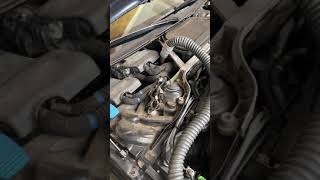
![VW / AUDI - scan with VCDS [ vagcom ]](https://img.youtube.com/vi/ysjTq8emqpI/mqdefault.jpg)
We Have This Part in Stock




The information in this article is provided for general reference and educational purposes only. Vehicle specifications, procedures, and part compatibility can vary by production date, trim level, and region. Always consult your vehicle's factory service manual and verify part numbers before purchasing or performing repairs. Safety-critical components such as airbags, seat belts, and braking systems should be installed by a qualified professional.
- Audi A8:
- 🧭 Diagnostic Flowchart
- 🎬 Helpful Videos
- 🛍️ Shop This Part
- What's Unique About the 2003-2005 Audi A8
- Symptoms You May Notice
- Most Likely Causes
- Diagnosis Steps
- Parts You'll Likely Need
- Related Codes That Often Appear With This One
- Technical Service Bulletins (TSBs) & Recalls
- Platform-Specific Known Issues
- Mechanic-Grade Diagnostic Values
- Scan Tool Commands That Help
- Wiring & Ground Locations
- Real Owner Repair Stories
- OEM Part Supersession History
- Other Known Issues on This Vehicle
- Used vs. New Parts: Buying Guide for This Vehicle
- Real Owner Stories
- 2005 Audi A8 4.0L TDI V8 (ASE)
- 2004 Audi A8 4.0L TDI V8 (ASE)
- Related OBD-II Codes
- Frequently Asked Questions
- 🎟️ Get 5% Off