

P1101 on 2001-2009 Volvo S60 2.4L/2.5L Turbo: MAF and Vacuum Leak Fixes
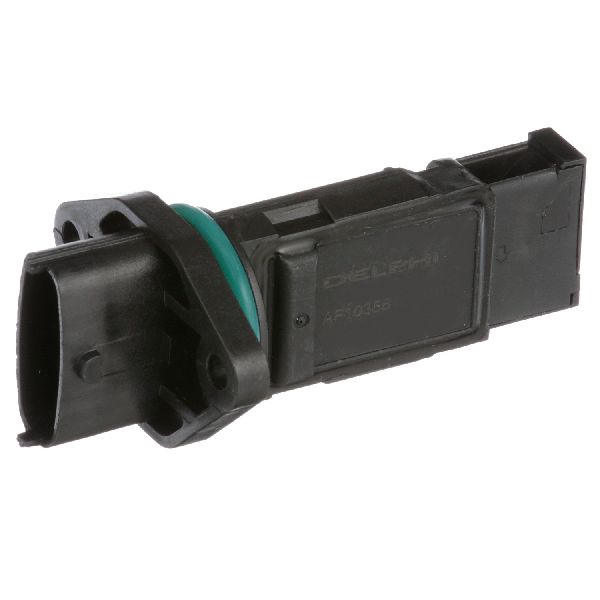
On a 2001-2009 Volvo S60, P1101 is most often caused by a dirty Mass Airflow (MAF) sensor or a vacuum leak. Start by cleaning the MAF sensor with a dedicated cleaner (~$15) and inspecting intake hoses. If that fails, a new OEM Bosch MAF sensor costs between $90 and $180, as aftermarket units are known to cause issues. A clogged PCV system is also a very common underlying cause.
- Do not immediately replace the MAF sensor. Start by cleaning it with a dedicated cleaner.
- Thoroughly inspect for vacuum leaks, especially the large intake hose and smaller lines around the manifold.
- Check your PCV system using the 'glove test'. A clogged PCV is a common root cause for this code on a Volvo.
- If you must replace the MAF sensor, buy a Bosch unit. Aftermarket sensors are known to cause issues on these cars.
- This code indicates a problem with measured airflow; the issue is almost always a dirty sensor, a leak, or a bad sensor, in that order of probability.
What's Unique About the 2001-2009 Volvo S60
The first-generation (P2 platform) Volvo S60's five-cylinder turbo engine is sensitive to air intake issues. While the Bosch MAF sensor is generally reliable, the complex PCV (Positive Crankcase Ventilation) system is a known weak point. Over time, the PCV system can clog with oil sludge, leading to pressure changes in the crankcase that can force air leaks and trigger codes like P1101. Owners often chase vacuum leaks or replace the MAF sensor when the root cause is a neglected PCV system needing service.
Symptoms You May Notice
- Check Engine Light is on
- Rough or unstable idle
- Hesitation or stumbling during acceleration
- Reduced engine power or 'limp mode'
- Stalling, especially when coming to a stop
- Decreased fuel economy
- A hissing sound from the engine bay
- Difficulty starting the engine
- Replacing the MAF sensor without first cleaning it or checking for vacuum leaks. A cheap can of cleaner or a cracked hose is often the real problem.
- Replacing O2 sensors. While airflow issues affect the air-fuel ratio, the O2 sensors are usually just reporting the problem, not causing it.
- Using a cheap aftermarket MAF sensor. Many owners report that non-Bosch sensors do not work correctly and cause the code to return immediately or new issues to arise.
Most Likely Causes
- Dirty Mass Airflow (MAF) Sensor 🔴 High Probability → Shop Fuel Injection Air Flow Meter The MAF sensor's hot wire can become contaminated with dirt, oil, or other debris over time, insulating it and causing inaccurate readings. This is a common failure point on most modern vehicles and the easiest first step.
How to confirm: Remove the MAF sensor and visually inspect the small wires inside for contamination. The easiest first step is to clean it regardless of appearance. Do not touch the wires or use aggressive cleaners.
Typical fix: Clean the sensor with a dedicated MAF sensor cleaner spray. Allow it to air dry completely before reinstalling. This often resolves the code.
Est. part cost: $10-$20 for cleaner - Vacuum Leak 🔴 High Probability The plastic and rubber hoses in the engine bay become brittle with age and heat cycles, leading to cracks. Common leak points include the intake hose between the MAF and throttle body, PCV system hoses, and smaller vacuum lines connected to the intake manifold.
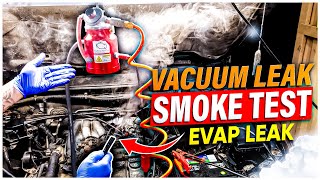
How to confirm: Visually inspect all accessible hoses for cracks or loose connections. Listen for a hissing sound with the engine running. A smoke test is the most effective way to pinpoint the source of a leak. Spraying brake cleaner near suspected areas and listening for a change in engine idle can also help locate leaks.
Typical fix: Replace the cracked or leaking hose(s).
Est. part cost: $20-$100 depending on the hose - Clogged PCV Breather System 🟡 Medium Probability The PCV system on these engines is notorious for clogging with oil sludge, especially if oil changes are not performed regularly (every 80k-100k miles). A clog increases crankcase pressure, which can blow out seals or create vacuum leaks that trigger P1101.
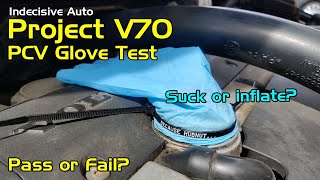
How to confirm: A common test is the 'glove test': place a rubber glove over the oil filler opening 🎬 See how to perform the glove test to check for clogs. with the engine running. If the glove inflates, the PCV system is clogged. You may also hear a whistling noise from the engine or dipstick tube.
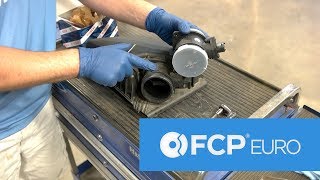
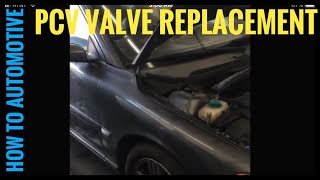
Typical fix: Replace the entire PCV system, which includes the oil trap (breather box), hoses, and passages. This is often sold as a kit. It's a labor-intensive job but critical for engine health.
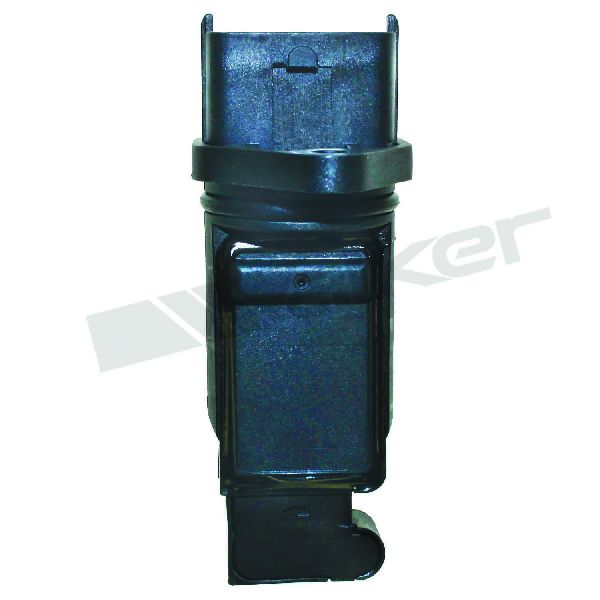
Est. part cost: $100-$200 for a kit - Faulty Mass Airflow (MAF) Sensor 🟡 Medium Probability → Shop Fuel Injection Air Flow Meter While durable, the sensor's internal electronics can fail after many years and miles. This is more likely after cleaning fails to solve the problem. Using non-OEM (Bosch) sensors is a very common cause of persistent issues.
How to confirm: After cleaning the sensor and confirming no vacuum leaks, use a scan tool to monitor MAF readings. At a fully warmed-up idle, the reading should be stable around 3.5 g/s. If readings are erratic, zero, or do not increase smoothly with engine RPM, the sensor is likely bad.
Typical fix: Replace the MAF sensor. It is highly recommended to use an OEM Bosch unit, as these Volvos are sensitive to aftermarket sensor tolerances.
Est. part cost: $90-$180
Rare But Worth Checking
- Dirty Throttle Body: → Shop Fuel Injection Throttle Body Carbon buildup around the throttle plate can disrupt airflow at idle, which can sometimes contribute to airflow-related codes. Cleaning it is simple preventative maintenance and often recommended when addressing MAF issues.
- Damaged MAF Sensor Wiring: → Shop Fuel Injection Air Flow Meter The wiring harness or connector for the MAF sensor can become damaged or corroded, leading to an intermittent or lost signal. Check for chafed wires or green corrosion on the connector pins.
- Improperly Installed Air Filter: → Shop Air Cleaner Assembly If the air filter is not seated correctly in the airbox, it can allow unmetered air to bypass the filter and create turbulence across the MAF sensor, causing incorrect readings and triggering a P1101 code.
Diagnosis Steps
- Read all stored fault codes with an OBD-II scanner.
- Inspect the engine air filter. Replace if it is dirty, clogged, or improperly seated.
- Visually inspect the intake air ducting between the air filter box and the throttle body for any cracks, tears, or loose clamps. The large hose connecting to the throttle body is a common failure point.
- Inspect all visible vacuum lines for cracks, brittleness, or disconnection. Pay close attention to the lines connected to the intake manifold and the PCV system.
- Carefully remove the MAF sensor. Using a dedicated MAF sensor cleaner, spray the sensor elements. Do not touch them or use any other type of cleaner. Allow it to dry completely before reinstalling.
- Clear the codes and test drive the vehicle to see if the code returns.
- If the code returns, perform a smoke test to definitively check for vacuum leaks. This involves pumping smoke into the intake system 🎬 Watch: How to use a smoke machine to find hidden vacuum leaks. and watching where it escapes.
- Perform the 'glove test' on the oil filler cap to check for a clogged PCV system. If the glove inflates, the PCV system needs to be replaced.
- If no vacuum leaks are found and cleaning the MAF did not work, monitor the MAF sensor's live data with a scan tool. At idle, it should read approximately 3.5 g/s. If the value is incorrect or erratic, the sensor has likely failed.
- If replacing the MAF sensor, ensure you use a high-quality OEM Bosch part to avoid further issues.
Parts You'll Likely Need
- Mass Airflow (MAF) Sensor
(OEM #86703980)— This is the primary sensor responsible for the code. It either fails outright or provides inaccurate readings due to contamination. Replacement is common after cleaning fails.
Trusted brands: Bosch (OEM)
OEM price range: $120-$180
Aftermarket price range: $40-$90 - MAF Sensor Cleaner — Often, the sensor is just dirty. This is the cheapest and easiest first step in diagnosis and can often be the complete fix.
Trusted brands: CRC, Liqui Moly
Aftermarket price range: $10-$20 - PCV Breather System Kit
(OEM #8692211)— A clogged PCV system is a very common issue on this engine that causes a variety of vacuum and pressure problems, including the P1101 code. Replacing it as a kit is the standard repair.
Trusted brands: Genuine Volvo, FCP Euro kit, URO Parts
OEM price range: $150-$250
Aftermarket price range: $80-$150
Related Codes That Often Appear With This One
- P0171 — System Too Lean (Bank 1). A vacuum leak causes unmetered air to enter the engine, creating a lean condition that the MAF sensor cannot account for.
- P0101 — MAF Circuit Range/Performance. This is a more generic version of the same fault, and the two codes often appear together, pointing strongly to a MAF sensor or intake leak issue.
Platform-Specific Known Issues
- The PCV system is a well-documented weak point. The oil trap clogs over 80,000-100,000 miles, leading to increased crankcase pressure that can cause this code and also blow out engine seals like the rear main seal, resulting in a much more expensive repair if ignored.
- These engines are notoriously sensitive to non-OEM MAF sensors. Many owners on forums report chasing issues for weeks after installing a cheap aftermarket MAF, only to solve the problem by installing a Bosch unit.
Mechanic-Grade Diagnostic Values
- Mass Airflow (MAF) Sensor Voltage, Key-On-Engine-Off (KOEO) — expected: 0.5V - 1.5V. Failure: A reading outside this range suggests a faulty MAF sensor or a wiring issue.
- Mass Airflow (MAF) Sensor Voltage, Engine Idling (Warmed Up) — expected: Approximately 1.2V. Failure: Voltage should increase smoothly as RPMs rise; erratic or non-responsive voltage indicates a bad sensor.
- Short-Term and Long-Term Fuel Trims — expected: Close to 0% (ideally within +/- 10%). Failure: High positive fuel trims indicate the engine is compensating for a lean condition (like a vacuum leak). Disconnecting the MAF sensor and seeing the fuel trims return to normal suggests the MAF sensor is providing inaccurate, low airflow readings.
Scan Tool Commands That Help
- Volvo VIDA: MAF Sensor Live Data Monitoring — Use this to view the MAF reading in grams/second (g/s) and compare it to the ECM's calculated airflow value. A significant discrepancy where the measured value is higher or lower than calculated points to a sensor, wiring, or intake leak issue.
- Volvo VIDA: Resetting adaptations — After replacing a major component like the MAF sensor or fixing a large vacuum leak, it is recommended to reset the engine's fuel trim and other learned adaptations. This forces the ECM to relearn values with the new, correct inputs, speeding up the return to normal operation.
Wiring & Ground Locations
- Engine Ground Strap — A wire attached to the top of the engine, near the timing belt cover, which then connects to the car's chassis.. This primary engine ground can corrode or break. A poor ground connection can cause erratic behavior and incorrect readings from various engine sensors, including the MAF sensor, leading to fault codes like P1101.
- Ground Point 31/4 — Engine block ground connection.. This is a main grounding point for the engine itself. The alternator and other components ground to the block, which must then be properly grounded to the chassis. A faulty connection here can cause widespread electrical issues.
- Ground Point 31/2 — Left MacPherson strut tower. This is a grounding point for the cooling fan control module.. While not directly tied to the MAF, poor grounding of related engine management components can sometimes cause unpredictable electrical noise and fault codes. Ensuring all main engine bay grounds are clean and tight is a good practice when diagnosing electrical faults.
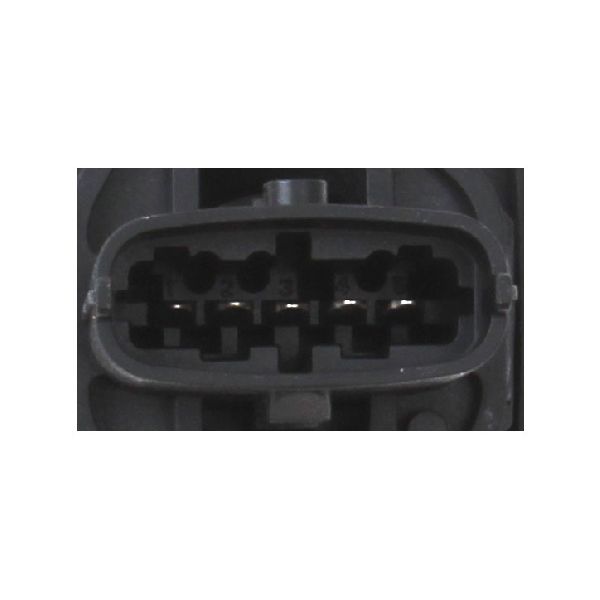
- MAF Sensor Connector — The 5-pin female connector that plugs into the MAF sensor.. The female terminals inside the connector can become loose or corroded over time, causing an intermittent connection to the MAF sensor pins. This can lead to fluctuating readings and trigger a P1101 code even if the sensor itself is good. Wiggling the connector while monitoring live data can help diagnose this.
"I Checked Everything" — The Actual Cause
- In some cases, a P1101 code can be triggered not by unmetered air (a vacuum leak), but by an incorrect fuel pressure reading. A failing fuel pressure sensor can cause the ECM to adjust fuel delivery improperly. The engine then tries to compensate by adjusting airflow, but the MAF readings don't match the expected values for the faulty fuel commands, triggering the P1101. This is often missed because technicians focus solely on air intake leaks.
OEM Part Supersession History
8670114→31342363— Part has been updated by the manufacturer.8670398→Multiple aftermarket cross-references exist, but OEM (Bosch) is highly recommended.— Original part number is now widely cross-referenced.
Heads up: Many forum users report that non-Bosch aftermarket MAF sensors do not perform correctly on these vehicles, often causing the P1101 code to persist or new codes to appear.
Model Year Variations Within This Range
- 2005-2009: For the 2005 model year, Volvo introduced a facelift with updated styling, new headlights, and interior changes. More importantly for this code, the T5 engine's displacement was increased from 2.3L to 2.4L with continuously variable valve timing, boosting power from 250bhp to 260bhp. The 2.5T engine also received updates. While the fundamental causes of P1101 remain the same, part numbers for some components like the PCV system may differ between pre- and post-facelift models. For example, some PCV kits are specified for 2005 and newer models.
Diagnostic Flowchart
Other Known Issues on This Vehicle
Issues unrelated to this code that are worth knowing about as an owner of this generation:
- Electronic Throttle Module (ETM) Failure 🔴 High — Extremely common on 1999-2002 models, leading to a warranty extension to 10 years/200,000 miles. Can cause erratic idle, limp mode, and stalling. (Ref: Volvo extended warranty program and a software recall were issued.)
- Front Upper Strut Mount / Spring Seat Failure 🟠 Medium — Very common failure item, often after 80,000 miles. The rubber seat cracks and disintegrates, causing clunking or popping noises from the front suspension, especially over bumps or when turning.
- AWD Angle Gear / Collar Sleeve Failure 🔴 High — Common on all-wheel-drive models. The splined collar sleeve connecting the transmission to the angle gear wears out, resulting in a sudden loss of AWD. Often occurs over 100,000 miles.
- Automatic Transmission Issues (AW55-50) 🔴 High → Shop Transmission Assembly — Particularly on 2001-2003 models, issues like harsh shifting, flares, or neutral-on-stop conditions are common, often related to the valve body or B4 servo cover. Volvo's 'sealed for life' fluid recommendation is widely disputed, and lack of fluid changes contributes to failures.
- Ignition Coil Failure 🟠 Medium — Individual coil-on-plug units are a common failure point, leading to engine misfires (P030X codes). They can fail at any mileage but become more common after 60,000 miles.
Used vs. New Parts: Buying Guide for This Vehicle
When a used part is the smart pick: For this repair, using used parts is generally not recommended for the electronic sensors or the PCV system. The only exception might be a large, simple plastic component like the air filter box housing if it were cracked, but this is not a common failure.
Donor-vehicle mileage cap: roughly under 80000 miles for the part to have meaningful remaining life.
What to inspect on the donor part:
- For a PCV system, a used part is never recommended as the internal passages will be clogged and the diaphragm aged.
- For a MAF sensor, there is no reliable way to visually inspect a used unit. Given the sensitivity of these cars, a new OEM part is a much safer investment.
OEM-only on this vehicle (don't cheap out):
- Mass Airflow (MAF) Sensor: The overwhelming consensus from owner forums is to use only the OEM Bosch sensor. Aftermarket units are known to have different tolerances that can cause the P1101 code to return immediately.
- PCV System (Oil Trap/Breather Box): While some aftermarket kits exist, the Genuine Volvo or OEM-supplier kit is recommended for longevity. Cheaper kits may use lower-quality rubber for hoses and diaphragms that can fail prematurely.
Aftermarket brands forum-validated for this vehicle:
- Bosch (for MAF and Fuel Pressure Sensor - they are the OEM supplier)
- Rein, Pro Parts Sweden (for some PCV components, though full Genuine Volvo kits are often preferred)
Brands owners have reported issues with on this vehicle:
- Unbranded, low-cost MAF sensors from online marketplaces. These are frequently cited as the cause of persistent problems on Volvo forums.
Real Owner Stories
Aggregated from forums and TSBs cited above. Mileages and costs reflect what owners reported in those sources.
2001-2009 Volvo S60 2.4L/2.5L Turbo — ~90000 miles
Symptoms: Mass Air Flow Sensor code was present, but cleaning the sensor did not resolve the issue. Owner suspected the MAF was not the actual root cause.
What fixed it: The owner investigated beyond the MAF sensor code to find other underlying issues, as documented in the community discussions regarding airflow codes not always being solved by sensor replacement.
Source hint: volvoxc.com thread titled 'Mass Air Flow Sensor code not the problem'
2001-2009 Volvo S60 2.4L/2.5L Turbo — ~100000 miles
Symptoms: The car was chasing issues for weeks after installing a cheap aftermarket MAF sensor.
What fixed it: Installing a genuine Bosch MAF unit.
Source hint: vehicle_specific_issues section regarding non-OEM MAF sensitivity
2001-2009 Volvo S60 2.4L/2.5L Turbo — ~85000 miles
Symptoms: Increased crankcase pressure and a P1101 code; risk of blowing out the rear main seal.
What fixed it: Replacing the entire PCV system, including the oil trap (breather box), hoses, and passages.
Source hint: vehicle_specific_issues regarding PCV system clogs
Related OBD-II Codes
Frequently Asked Questions
Can I use any aftermarket Mass Airflow Sensor to fix the P1101 code on my S60?
My 2002 S60 is stalling and has a rough idle; could this be related to the Electronic Throttle Module (ETM)?
How can I tell if my P1101 code is caused by a clogged PCV system without taking the engine apart?
What is the recommended service interval for the PCV system on the 2.5L Turbo engine to avoid airflow codes?
Is there a specific reading I should look for on my scan tool to verify if the MAF sensor is bad?
I hear a hissing sound from the engine bay along with the P1101 code; where should I look first?
Helpful Videos

Used OEM Parts in Stock
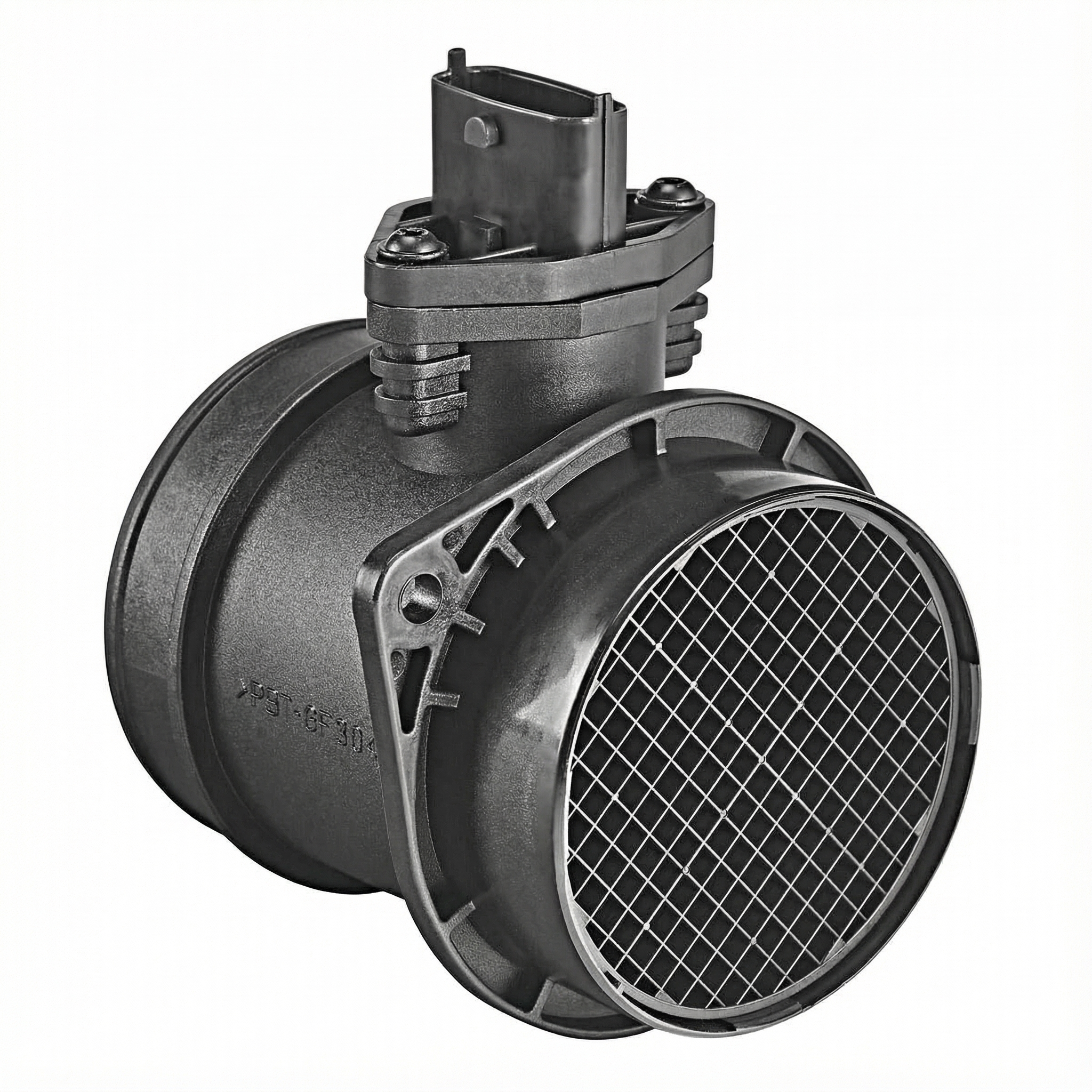
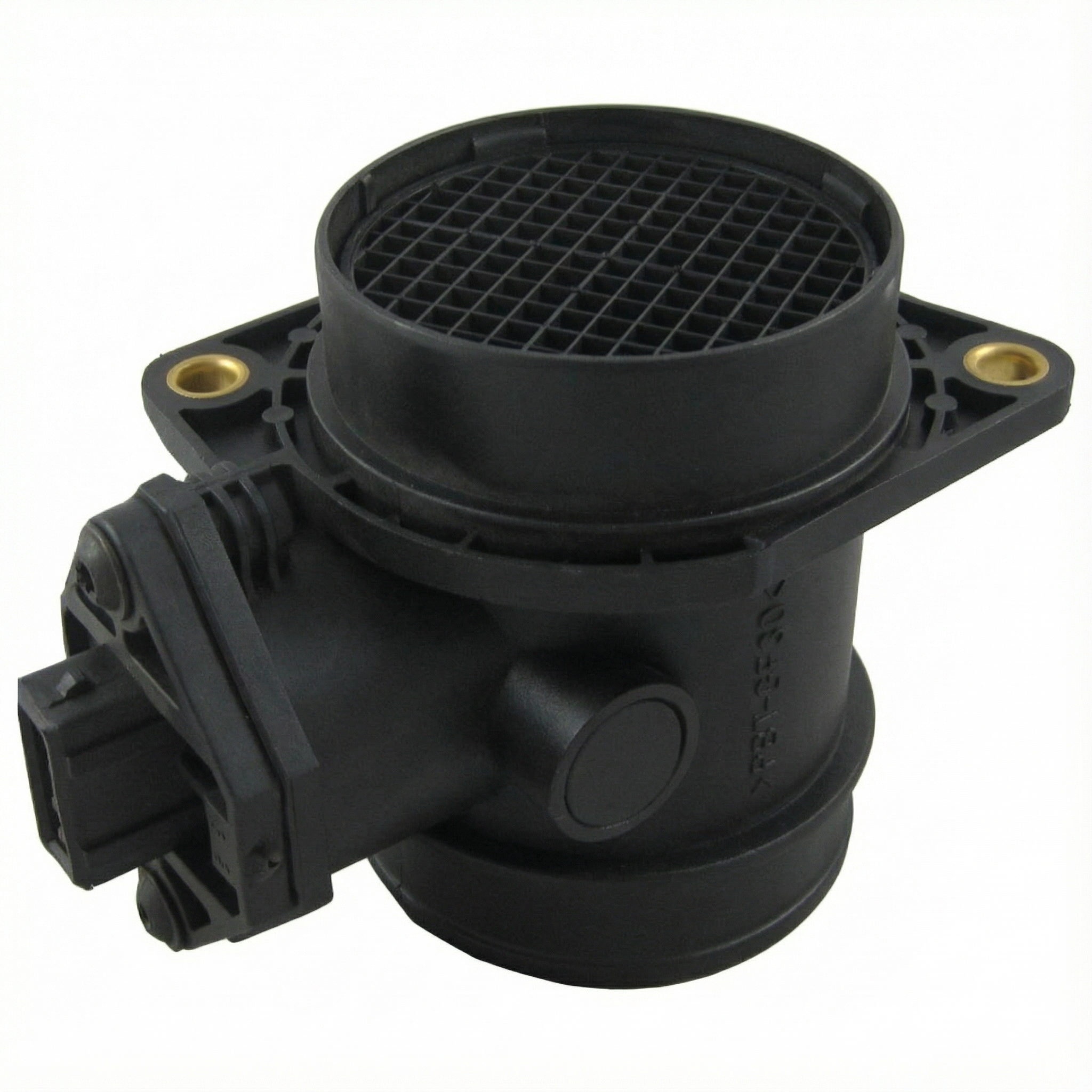
New Aftermarket Parts Available
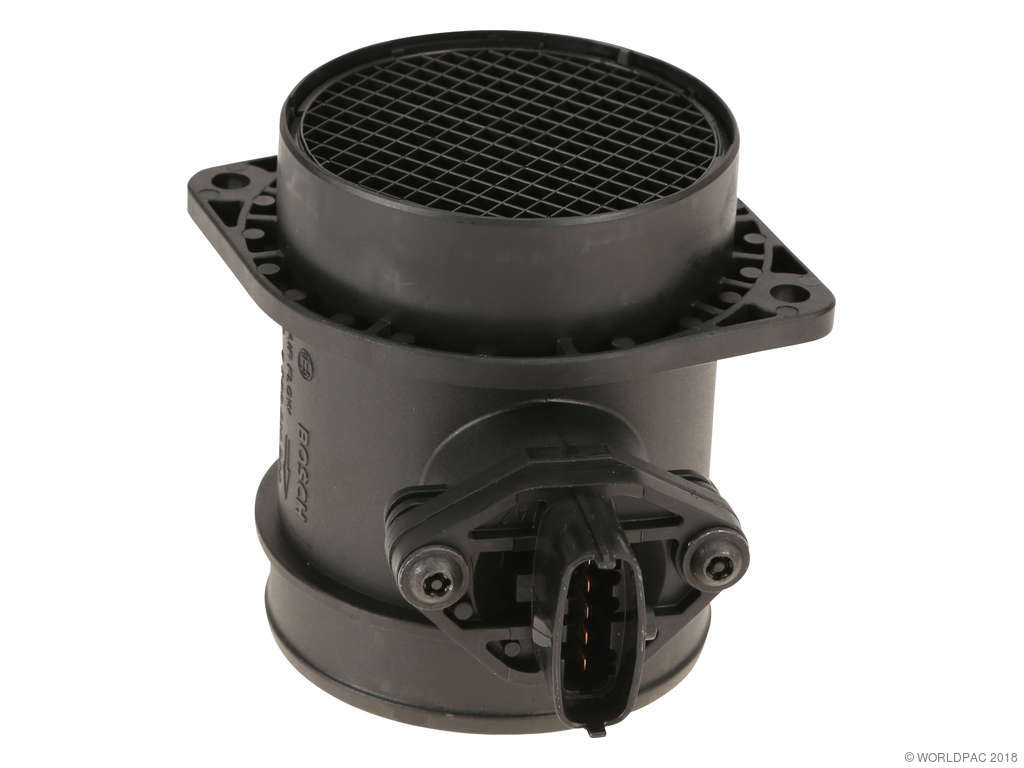
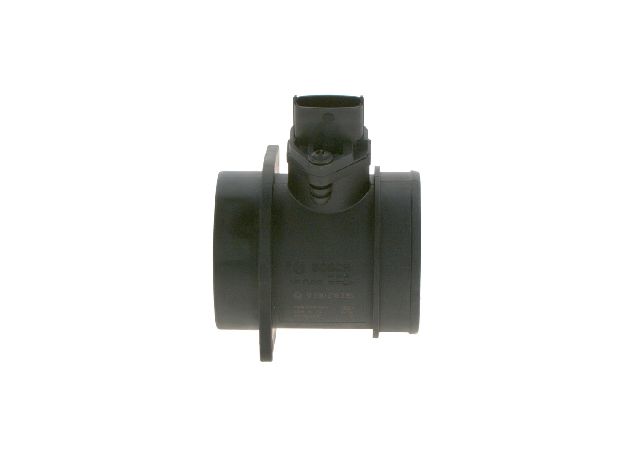


The information in this article is provided for general reference and educational purposes only. Vehicle specifications, procedures, and part compatibility can vary by production date, trim level, and region. Always consult your vehicle's factory service manual and verify part numbers before purchasing or performing repairs. Safety-critical components such as airbags, seat belts, and braking systems should be installed by a qualified professional.
- Volvo S60:
- 🧭 Diagnostic Flowchart
- 🎬 Helpful Videos
- 🛍️ Shop This Part
- What's Unique About the 2001-2009 Volvo S60
- Symptoms You May Notice
- Most Likely Causes
- Rare But Worth Checking
- Diagnosis Steps
- Parts You'll Likely Need
- Related Codes That Often Appear With This One
- Platform-Specific Known Issues
- Mechanic-Grade Diagnostic Values
- Scan Tool Commands That Help
- Wiring & Ground Locations
- "I Checked Everything" — The Actual Cause
- OEM Part Supersession History
- Model Year Variations Within This Range
- Other Known Issues on This Vehicle
- Used vs. New Parts: Buying Guide for This Vehicle
- Real Owner Stories
- 2001-2009 Volvo S60 2.4L/2.5L Turbo — ~90000 miles
- 2001-2009 Volvo S60 2.4L/2.5L Turbo — ~100000 miles
- 2001-2009 Volvo S60 2.4L/2.5L Turbo — ~85000 miles
- Related OBD-II Codes
- Frequently Asked Questions
- 🎟️ Get 5% Off