

P1477 on 2002-2008 Hyundai Tiburon 2.7L V6: Likely Variable Intake System Fault
While not officially defined for Hyundai in public sources, P1477 on a 2.7L V6 Tiburon most likely indicates a fault with the Variable Intake System (VIS). The most common failure is a leaking or failed vacuum actuator diaphragm or a faulty control solenoid, causing a vacuum leak and performance issues.
- P1477 is not a clearly defined code for Hyundai, but evidence strongly points to a problem with the Variable Intake System (VIS) on the 2.7L V6 engine.
- The most common symptom is a rough idle accompanied by an audible hissing sound from the engine bay, which is almost always a failed VIS actuator diaphragm.
- Diagnosis should focus on finding a vacuum leak at the VIS actuator or testing the control solenoid before suspecting more complex issues.
- This is a very DIY-friendly repair, as the actuator and solenoid are typically easy to access and replace with basic hand tools.
What's Unique About the 2002-2008 Hyundai Tiburon
The Delta 2.7L V6 engine uses a vacuum-operated Variable Intake System (VIS) to improve torque across the RPM range. Unlike some systems that use electric motors, this design is susceptible to vacuum leaks from aged rubber diaphragms in the actuator or cracked vacuum lines. Owners often report a noticeable hissing sound at idle when the actuator fails, which is a key indicator of this specific problem on this platform. This same engine and VIS design were used in other Hyundai and Kia vehicles of the era, making this a common problem across several models.
Symptoms You May Notice
- Check Engine Light is on
- Reduced engine power, especially at lower or higher RPMs
- Rough or unstable idle
- Audible hissing sound from the engine bay, indicating a vacuum leak
- Poor fuel economy
- Failed emissions test
- Hesitation or surging during acceleration
- Replacing the throttle body when the issue is a vacuum leak from the VIS actuator.
- Replacing spark plugs and ignition coils for a rough idle caused by the unmetered air from a VIS vacuum leak.
Most Likely Causes
- Failed Variable Intake System (VIS) Actuator 🔴 High Probability The rubber diaphragm inside the vacuum-operated actuator can dry out, crack, and tear over time, causing a significant vacuum leak. This is the most widely reported failure mode for the VIS on the Delta 2.7L V6.
How to confirm: With the engine running, listen for a hissing sound near the actuator located on the end of the upper intake manifold. You can also use a smoke machine to introduce smoke into the vacuum system and watch for leaks from the actuator housing. Another method is to apply vacuum with a hand pump directly to the actuator; if it doesn't hold vacuum and the actuator arm doesn't move, it has failed.
Typical fix: Replace the VIS actuator. This is typically a bolt-on part.
Est. part cost: $50-$100 - Faulty VIS Control Solenoid 🟡 Medium Probability The electronic solenoid that directs vacuum to the actuator can fail electrically or become clogged with debris, preventing the system from operating.
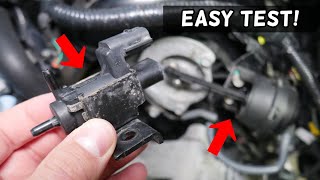
How to confirm: Check for voltage at the solenoid's electrical connector with the engine running and RPMs changing (the system usually actuates around 4,000 RPM). You can also test the solenoid's resistance with a multimeter; it should be between 29 and 35 ohms. Another test is to apply 12V directly to it (when removed from the vehicle) to see if it clicks open and closed.
Typical fix: Replace the VIS control solenoid.
Est. part cost: $30-$70 - Cracked or Disconnected Vacuum Lines 🟡 Medium Probability Rubber vacuum hoses become brittle with age and exposure to engine heat, leading to cracks, splits, or loose connections.
How to confirm: Visually inspect all vacuum lines connected to the VIS solenoid and actuator for cracks, swelling, or loose fittings. A smoke test is also highly effective for finding small leaks.
Typical fix: Replace the damaged section of vacuum hose.
Est. part cost: $5-$20 - Sticking or Binding Intake Runner Flaps ⚪ Low Probability Carbon buildup inside the intake manifold can cause the runner flaps to stick, preventing them from moving freely.
How to confirm: This is more difficult to confirm without removing the upper intake manifold. With the actuator removed, you may be able to manually move the linkage arm to feel for any binding or resistance.
Typical fix: Remove and clean the upper intake manifold to free the runner flaps. In severe cases, the entire manifold may need to be replaced.
Est. part cost: $200-$400 for a manifold
Diagnosis Steps
- Scan for any other accompanying trouble codes. Codes like P0171, P0174, or P0660 strongly suggest a vacuum leak or a fault in the VIS circuit.
- With the engine running, listen carefully around the upper intake manifold for an audible hissing sound. The VIS actuator is a primary suspect.
- Visually inspect all vacuum hoses running to and from the VIS control solenoid and the actuator diaphragm for any obvious cracks, splits, or disconnections.
- If a hissing is present near the actuator, confirm the leak using a smoke machine or by spraying a small, controlled amount of brake cleaner near the actuator and listening for a change in engine idle.
- If no vacuum leak is found, test the VIS control solenoid. Locate the solenoid and check for power and ground at its connector. Use a multimeter to check the solenoid's internal resistance (should be 29-35 ohms).
- Apply vacuum directly to the VIS actuator with a hand pump. The actuator should hold vacuum and you should see the linkage arm move. If it does not hold vacuum, the diaphragm is torn and the actuator must be replaced.
- If the actuator holds vacuum and the solenoid tests good, the problem may be internal to the manifold (sticking flaps), which requires removing the upper intake manifold for inspection.
Parts You'll Likely Need
- Variable Intake System (VIS) Actuator
(OEM #28321-37100)— The internal rubber diaphragm is the most common failure point, leading to a vacuum leak that triggers performance issues.
Trusted brands: Hyundai (OEM)
OEM price range: $70-$120
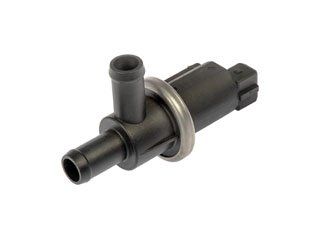
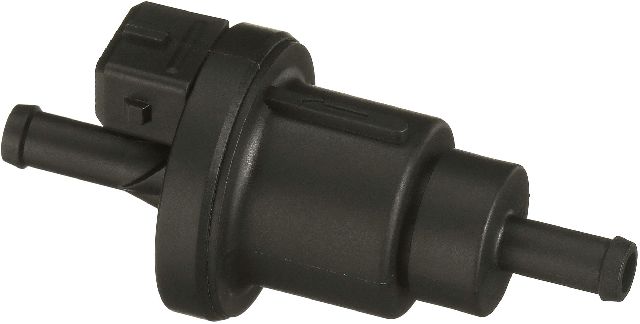
Aftermarket price range: $40-$80 - Variable Intake System (VIS) Control Solenoid / Purge Valve
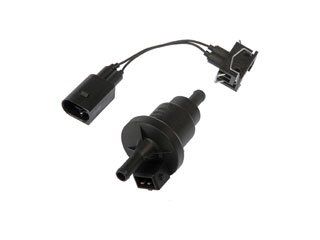
(OEM #39460-3E100)— This solenoid controls the vacuum supply to the actuator and can fail electrically, preventing the system from working.
Trusted brands: Bosch, Standard Motor Products, Hyundai (OEM)
OEM price range: $50-$90
Aftermarket price range: $25-$60
Related Codes That Often Appear With This One
- P0171 — A significant vacuum leak from a failed VIS actuator can cause a 'System Too Lean (Bank 1)' code because unmetered air is entering the intake manifold.
- P0174 — Similar to P0171, this indicates 'System Too Lean (Bank 2)' and can be triggered by the same vacuum leak affecting the entire engine.
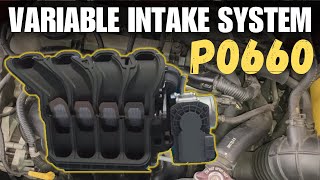
- P0660 — This code specifically points to an 'Intake Manifold Tuning Valve Control Circuit/Open (Bank 1)', which directly relates to the VIS control solenoid or its wiring, a common cause for P1477. 🎬 See this guide on testing and fixing P0660 faults
Platform-Specific Known Issues
- Actuator Location and Access: The VIS actuator is located on the driver's side end of the upper intake manifold. Access is generally straightforward, requiring removal of the engine cover and possibly some minor components for clearance.
Diagnostic Flowchart
Other Known Issues on This Vehicle
Issues unrelated to this code that are worth knowing about as an owner of this generation:
- Premature Timing Belt Failure 🔴 High — The timing belt is an interference item and must be replaced every 60,000 miles or 4 years. Failure will cause catastrophic engine damage.
- Premature Clutch Wear/Failure 🟠 Medium — Commonly reported by owners of manual transmission models, sometimes requiring replacement at relatively low mileage.
- Failing Crankshaft Position Sensor (CPS) 🟠 Medium — A common failure on the Delta V6 that can cause intermittent stalling or a no-start condition, often without a trouble code initially.
- Failing Idle Air Control (IAC) Valve 🟡 Low — The IAC valve can become clogged or fail, leading to rough idle, stalling, and specific idle control trouble codes like P1507.
- Peeling Paint / Clear Coat Failure 🟡 Low — Many owners report issues with paint and clear coat peeling or fading prematurely, especially on horizontal surfaces.
- Foggy or Leaking Headlight/Taillight Assemblies 🟡 Low — The seals on the factory light housings are known to fail over time, allowing moisture inside and causing fogging.
Real Owner Stories
Aggregated from forums and TSBs cited above. Mileages and costs reflect what owners reported in those sources.
2003 Hyundai Tiburon V6
Symptoms: Check engine light with codes P0171 and P0174; technician immediately suspected a vacuum leak.
What fixed it: Diagnosis of a vacuum leak, which is a primary cause associated with the VIS actuator failure on this platform.
Source hint: ScannerDanner Forum thread titled '2003-hyundai-tiburon-v6-p0171-0174-1166-0133-0153'
2002-2008 Hyundai Tiburon 2.7L V6
Symptoms: Hissing sound, vacuum leak, rough idle, and associated lean codes.
What fixed it: Replacing the VIS actuator (part number 28321-37100).
Source hint: NewTiburon.com thread titled 'check-engine-light-vacuum-leak'
Hyundai 2.7L V6 (Delta)
Symptoms: Vacuum leak specifically from the seal of the variable length intake runner control actuator.
What fixed it: Repairing the leak at the actuator seal.
Source hint: Hyundai Forum
Related OBD-II Codes
Frequently Asked Questions
I hear a hissing sound near the driver's side of my 2.7L V6 intake manifold; is this related to P1477?
What is the specific part number I need to fix the VIS actuator vacuum leak on my Tiburon?
Can I test the VIS control solenoid on my 2005 Tiburon with a multimeter?
Is the P1477 code common on other Hyundai models with the same engine?
Could my rough idle and P1477 code be caused by something other than the actuator?
How can I confirm if the VIS actuator diaphragm is actually torn?
Helpful Videos
We Have This Part in Stock


The information in this article is provided for general reference and educational purposes only. Vehicle specifications, procedures, and part compatibility can vary by production date, trim level, and region. Always consult your vehicle's factory service manual and verify part numbers before purchasing or performing repairs. Safety-critical components such as airbags, seat belts, and braking systems should be installed by a qualified professional.
- Hyundai Tiburon:
- 🧭 Diagnostic Flowchart
- 🎬 Helpful Videos
- 🛍️ Shop This Part
- What's Unique About the 2002-2008 Hyundai Tiburon
- Symptoms You May Notice
- Most Likely Causes
- Diagnosis Steps
- Parts You'll Likely Need
- Related Codes That Often Appear With This One
- Platform-Specific Known Issues
- Other Known Issues on This Vehicle
- Real Owner Stories
- 2003 Hyundai Tiburon V6
- 2002-2008 Hyundai Tiburon 2.7L V6
- Hyundai 2.7L V6 (Delta)
- Related OBD-II Codes
- Frequently Asked Questions
- 🎟️ Get 5% Off