

P1524 on 2011-2024 Dodge Durango 6.4L Hemi: Oil Pressure Out of Range Causes and Fixes
On a 6.4L Hemi Durango, P1524 is almost always caused by an incorrect or low-quality oil filter. Before replacing any parts, perform an oil change with a Mopar OEM filter (Part #04892339AA) and the correct full synthetic 0W-40 oil meeting FCA spec MS-12633. This simple fix, costing $80-$150, resolves the issue in the vast majority of cases, as confirmed by countless owner and technician experiences.
- The first and most important step for a P1524 code on a 6.4L Hemi is to change the oil and filter using an OEM Mopar filter and the correct 0W-40 synthetic oil.
- Do not replace any other parts, such as VVT solenoids or the oil pump, until you have ruled out the oil filter, oil type, and oil pressure sensor.
- The Hemi engine's VVT and MDS systems are extremely sensitive to oil pressure, and using an aftermarket filter is the most common reason for this code to appear.
- If an oil change with an OEM filter doesn't fix the issue, the next most likely culprit is a faulty oil pressure sensor, which is a common failure item.
- Driving with this code active is possible but not recommended long-term, as it disables performance features and could be masking a serious lubrication problem.
What's Unique About the 2011-2024 Dodge Durango
The 6.4L Hemi V8 engine is notoriously sensitive to oil pressure and flow characteristics, which are critical for its VVT and MDS technologies. Unlike many other engines that tolerate various aftermarket oil filters, the Hemi's oiling system is specifically calibrated for the flow rate and bypass valve settings of the OEM Mopar filter. Countless owner and mechanic experiences confirm that using non-OEM filters, even from reputable brands like K&N or certain Wix models, is the number one cause of code P1524. Specific examples from owners cite generic filters like 'Carguard' as immediately causing the code. This makes an OEM filter and correct oil the first and most crucial diagnostic step.
Symptoms You May Notice
- Check Engine Light is on
- ECO mode (MDS) is disabled and will not activate
- Noticeable decrease in engine performance or throttle response
- Reduced fuel economy
- Remote start may be disabled
- A faint rattling or whirring sound from the engine at certain RPMs
- In some cases, the oil pressure gauge on the dashboard may read unusually low (e.g., below 20 PSI at idle when warm).
- Replacing VVT solenoids or other expensive engine components before first performing an oil change with an OEM Mopar filter and the correct oil.
- Assuming the engine has a catastrophic failure before ruling out the simple and extremely common oil filter and sensor issues.
Most Likely Causes
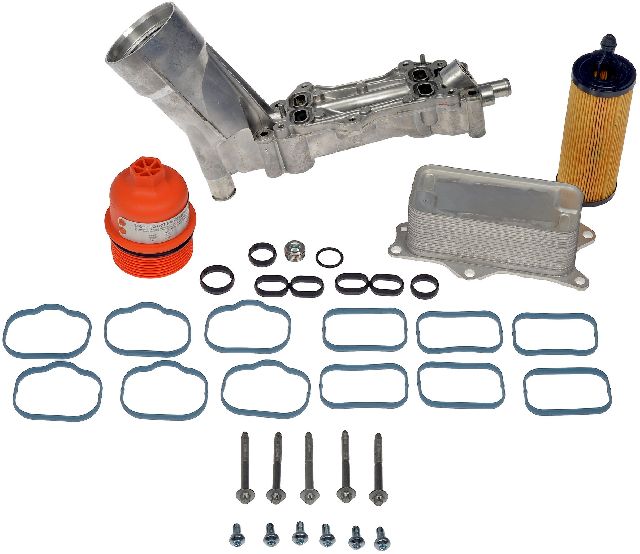
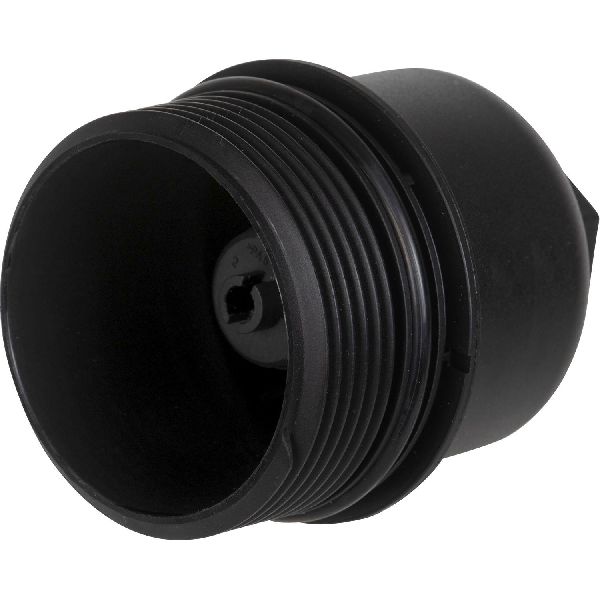
- Incorrect, Clogged, or Low-Quality Oil Filter 🔴 High Probability → Shop Engine Oil Filter Adapter The Hemi VVT and MDS systems are extremely sensitive to oil flow. Aftermarket filters often do not meet the specific bypass valve and flow requirements of the OEM Mopar filter, leading to pressure drops that trigger the code. This is the most widely documented cause across all platforms with this engine.
How to confirm: Check the brand of the currently installed oil filter. If it is not a genuine Mopar filter (or a directly equivalent high-quality replacement like Wix XP), it is the prime suspect. The code often appears immediately after an oil change at a quick-lube shop using generic filters.
Typical fix: Perform an engine oil and filter change using a genuine Mopar filter (04892339AA) and the correct viscosity full synthetic oil (SAE 0W-40).
Est. part cost: $60-$120 - Low, Incorrect, or Contaminated Engine Oil 🟡 Medium Probability The 6.4L Hemi requires a specific full synthetic SAE 0W-40 oil meeting FCA specification MS-12633 to maintain pressure for the VVT/MDS systems. Using the wrong viscosity or allowing the oil level to drop can easily trigger this code.
How to confirm: Check the engine oil level on the dipstick. Verify the correct oil viscosity (SAE 0W-40) was used during the last oil change. Inspect the oil for a dirty, sludgy appearance or contamination with fuel or coolant.
Typical fix: Top off the oil if low. If the oil is incorrect, old, or contaminated, perform a full oil and filter change with the correct Mopar parts and specified oil.
Est. part cost: $80-$150 - Failing Engine Oil Pressure Sensor 🟡 Medium Probability The oil pressure sensor is a known common failure item on many Chrysler, Dodge, and Jeep products, often due to heat cycles and its location on the engine block. TSB 18-034-14 Rev. A was issued for many 2013-2014 FCA vehicles, including the Durango, to replace the original sensor with a revised part due to high failure rates causing a related code (P0520).
How to confirm: If an OEM oil and filter change does not resolve the code, the sensor is the next most likely culprit. A scan tool can monitor the pressure reading; erratic or illogical readings (e.g., stuck at one value or dropping to zero) point to a bad sensor. You can also test actual pressure with a mechanical gauge.
Typical fix: Replace the engine oil pressure sensor. It is highly recommended to use an OEM Mopar part (5149062AB).
Est. part cost: $40-$75
Rare But Worth Checking
- Failing Engine Oil Pump: → Shop Engine Oil Pump If an oil/filter change and sensor replacement do not fix the code, and a mechanical gauge confirms genuinely low oil pressure across the RPM range, the oil pump may be failing. This is a significant repair.
- PCM Software Issue: A Technical Service Bulletin (TSB 18-089-23) for 2023 Ram models indicates that P1524 can sometimes be triggered by overly sensitive PCM software, requiring a dealer reprogram. Another TSB (18-034-15) also notes that PCM software can be a cause on some Durangos. It is worth checking with a dealer for any available software updates for your vehicle's VIN.
- Wiring Harness or Connector Issue: Damage to the wiring or a poor, oil-soaked connection at the oil pressure sensor connector can cause false readings and trigger the code. The diagnostic procedure involves checking for continuity and proper voltage at the sensor connector.
- Worn Camshaft and Lifters: In higher-mileage engines or those with a poor maintenance history, significant internal engine wear from lifter failure (the infamous "Hemi Tick") can cause a loss of oil pressure sufficient to trigger P1524. This would typically be accompanied by a persistent ticking noise and potential misfire codes (like P0300).
Diagnosis Steps
- Verify the engine oil level and condition. Pull the dipstick. If low, top off with full synthetic SAE 0W-40 oil, clear codes, and test drive.
- If the oil filter is not a Mopar OEM part, or if the oil is old or the wrong type, perform an oil and filter change. Use full synthetic SAE 0W-40 oil meeting FCA spec MS-12633 and a Mopar OEM filter (04892339AA). Clear the code and perform several drive cycles. This is the most likely fix.
- If the code persists, inspect the engine oil pressure sensor and its electrical connector for damage or oil leaks. The sensor is located on the front of the engine block, near the oil filter housing, and can be difficult to access.
- Connect a scan tool to monitor the live oil pressure sensor data (PID) while the engine is running. Look for readings that are erratic, do not change with RPM, or are clearly out of the expected range (e.g., under 20 PSI at warm idle).
- For definitive diagnosis, connect a mechanical oil pressure gauge to the engine and compare its reading to the scan tool data. If the mechanical gauge shows good pressure (e.g., >25 PSI at warm idle, rising with RPM) but the scan tool shows low pressure, the sensor is faulty and must be replaced.
- If the sensor is confirmed to be faulty, replace it with a new OEM Mopar sensor (5149062AB).
- If the mechanical gauge confirms genuinely low oil pressure, check with a dealer for any applicable PCM software updates (per TSBs 18-089-23 or 18-034-15). If no software fix is available, further investigation into the oil pump or internal engine wear (cam/lifters) is necessary and may require professional service.
Parts You'll Likely Need
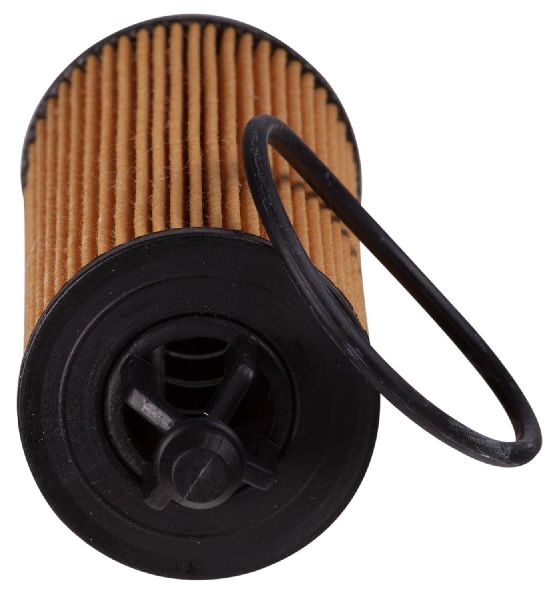
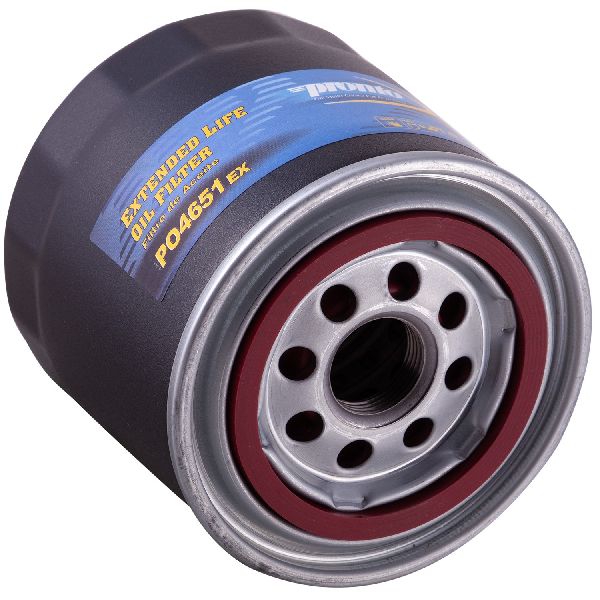
- Engine Oil Filter
(OEM #04892339AA)— This is the most common cause of P1524. The Hemi engine is highly sensitive to the filter's flow and bypass characteristics, and non-OEM filters frequently cause a pressure drop.
Trusted brands: Mopar
OEM price range: $15-$25
Aftermarket price range: $5-$20 - Engine Oil Pressure Sensor
(OEM #5149062AB)— If an OEM oil and filter change does not fix the issue, this sensor is the next most likely part to have failed. It is a common failure item, with a TSB (18-034-14 REV. A) issued for a related code calling for its replacement on earlier models.
Trusted brands: Mopar, Bosch
OEM price range: $40-$75
Aftermarket price range: $2
Related Codes That Often Appear With This One
- P0520 — This code indicates a general fault in the oil pressure sensor circuit. Seeing it with P1524 strongly suggests the sensor or its wiring is the root cause. A TSB (18-034-14 REV. A) was issued specifically to address P0520 on 2013-2014 models by replacing the sensor.
- P0521 — This code for 'Engine Oil Pressure Sensor Range/Performance' often appears with P1524 when the PCM sees illogical pressure readings, which can be caused by a bad filter or a failing sensor.
- P06DD — This code for 'Engine Oil Pressure Control Circuit Stuck Off' points to a physical oil pressure problem. Its presence with P1524 reinforces the likelihood of an issue with the oil filter, low oil level, or a failing oil pump.
Technical Service Bulletins (TSBs) & Recalls
- TSB 18-089-23: For 2023 Ram 1500 5.7L models, addresses P1524 being set due to sensitive PCM software, fixed by a dealer reprogram. While not for the Durango specifically, it shows a precedent for software fixes for this code on Hemi engines.
- TSB 18-034-14 REV. A: Issued July 15, 2014, for a wide range of 2013-2014 Chrysler/Dodge/Jeep/Ram vehicles, including the Durango. It addresses code P0520 (Engine Oil Pressure Sensor Circuit) by calling for the replacement of the original sensor with a revised part (5149062AB), confirming a known issue with the original sensors.
- TSB 18-034-15: An April 2015 TSB that applies to a range of vehicles including the Durango, noting that code P1524 can be caused by PCM software and may be resolved by reprogramming the PCM with the latest software version.
Platform-Specific Known Issues
- Owner Fixes P1524 with OEM Filter: A video from a technician demonstrates a 2010 Ram 5.7L Hemi (similar system) that had code P1524 after an oil change. He identified a cheap, non-OEM filter, replaced it with a Mopar filter, cleared the codes, and the problem was resolved after a short drive cycle.
- Forum User Confirms Aftermarket Filter Cause: On RamForum.com, a user with a 6.4L Hemi reported getting code P1524. Another user noted that even a standard Wix filter could cause it, while a switch to a Wix XP (designed for synthetic oil and higher flow) or Mopar OEM filter resolved it for another owner.
- Reddit User Experiences Sudden Low Pressure: A user on r/Challenger with a 6.4L Challenger reported a sudden P1524 code with pressure readings dropping to 12 PSI at idle. An oil change brought cruising pressure back to normal (44 PSI), but the idle pressure remained low, indicating a potential sensor or oil pump issue rather than just a filter problem.
Mechanic-Grade Diagnostic Values
- MDS/VVT System Enablement Pressure Threshold — expected: Pressure must reach ~42 PSI to enable and must not drop below 31-36 PSI to remain enabled.. Failure: The PCM logs P1524 and disables the systems if pressure cannot reach or maintain this level.
- Engine Oil Pressure (Hot Idle) — expected: 29-35 PSI. Failure: Pressure consistently below 29 PSI at hot idle.
- Engine Oil Pressure (Cruising Speed, ~3000 RPM) — expected: 50-60 PSI. Failure: Pressure significantly below 50 PSI while cruising at operating temperature.
- Oil Pressure Sensor 5V Reference (Key On, Engine Off) — expected: ~5.0V at the sensor connector.. Failure: Voltage is significantly lower than 5.0V or absent, indicating an open/short in the supply circuit from the PCM.
- Oil Pressure Sensor Signal Voltage (Key On, Engine Off) — expected: ~0.5V. Failure: Voltage is stuck high, low, or does not change with engine RPM. A reading above 0.5V with the engine off can indicate a faulty sensor.
- Oil Pressure Sensor Ground Circuit Resistance — expected: Less than 1.0 Ohm between the sensor ground pin and battery negative terminal.. Failure: Resistance is higher than 1.0 Ohm, indicating a poor ground connection.
Scan Tool Commands That Help
- wiTECH (or equivalent professional scan tool): Live Data Monitoring - Engine Oil Pressure — This is the primary function to use during all diagnostic steps. It allows you to view the oil pressure value being reported by the sensor in real-time, which can be compared against mechanical gauge readings and specification values at different RPMs.
- wiTECH (or equivalent professional scan tool): View Freeze Frame Data — When the P1524 code is set, the PCM stores a snapshot of sensor data at the moment the fault occurred. Reviewing the freeze frame data can show exactly what the oil pressure, engine speed, and temperature were when the code was triggered, providing critical diagnostic clues.
Wiring & Ground Locations
- Engine Oil Pressure Sensor — On the 6.4L Hemi, the sensor is located on the front of the engine block, near the oil filter housing/adapter. It is often angled back and can be difficult to access without removing other components.. This is the sensor providing the data that triggers the P1524 code. Its connector is the primary test point for voltage and resistance checks. The connector and wiring are susceptible to oil contamination and heat damage.
- Oil Pressure Sensor Connector — Connects directly to the oil pressure sensor. It is a 3-pin connector.. This is where you will perform electrical tests. Pin 1 is typically the 5V reference from the PCM, Pin 2 is the signal return to the PCM, and Pin 3 is the sensor ground provided by the PCM. A poor connection here can cause the code.
- PCM (Powertrain Control Module) — Typically located in the engine compartment, often at the right rear (passenger side).. The PCM supplies power to the sensor, receives the signal, and makes the decision to set code P1524. End-to-end wiring continuity tests are performed between the sensor connector and the PCM connector.
Real Owner Repair Stories
- RamForum.com user (Ram 1500 with 5.7L Hemi (shares P1524 cause), 102k miles) — P1524 code appeared 4,000 miles after an oil change. Idle oil pressure was 26 PSI, highway was 34 PSI, both lower than the owner's remembered normal of 41 PSI and 56 PSI respectively.
❌ Tried (didn't work) Replacing the oil pressure sensor.
✅ What actually fixed it The owner had used a standard Wix 57060 oil filter. Replacing only the filter with a Wix 57060XP (eXtreme Performance) model immediately restored oil pressure to 41 PSI at idle and 55 PSI on the highway, clearing the code. This highlights the Hemi's sensitivity to filter specifications, even between different models from the same reputable brand. - YouTube user comment on Scott Rods channel (2019 Ram 1500 with 5.7L Hemi, ~100k miles) — A rattle noise from the engine around 1200 RPM, followed by codes P000B and P1524. Oil pressure was dropping into the 20s PSI when slowing down.
❌ Tried (didn't work) Topping off low oil., Replacing VVT and MDS solenoids.
✅ What actually fixed it The owner realized the problem started after switching to a Royal Purple oil filter. After watching a video about P1524, they switched back to a larger, higher-capacity filter (similar to the Mopar OEM design). This immediately raised oil pressure to the 40s PSI range when slowing down, and the problem was resolved.
OEM Part Supersession History
5149062AA, 68060337AA→5149062AB— Revision to improve reliability and address high failure rates that led to codes like P0520.
Heads up: The newest part number, 5149062AB, is the recommended replacement for all previous versions and is fully compatible.53022338AA→53022338AB— Standard part revision for the VVT Solenoid.
Model Year Variations Within This Range
- 2021-2024: The Durango received a significant facelift for the 2021 model year, including revised front-end styling and interior updates. While the core 6.4L engine remained the same, wiring harnesses and module locations may have minor differences from the 2018-2020 models.
- Approx. 2017-2018 and newer: Around 2017-2018, a thicker cast engine block was implemented for the 6.4L Hemi, which was then used across the entire platform (cars and SUVs). While this doesn't directly affect the P1524 code causes, it's a notable internal engine change within the specified vehicle range.
Diagnostic Flowchart
Other Known Issues on This Vehicle
Issues unrelated to this code that are worth knowing about as an owner of this generation:
- Camshaft/Lifter Failure ('Hemi Tick') 🔴 High — Common issue, particularly on engines with MDS. Can occur anywhere from 20k to 100k+ miles. Often linked to extended idle times and oil condition. (Ref: A class-action lawsuit was filed regarding this issue for various 2014+ models including the Durango.)
- Exhaust Manifold Bolt Failure 🟠 Medium — Very common for the bolts securing the exhaust manifolds to the cylinder heads to break, causing an exhaust leak tick, especially when the engine is cold.
- Water Pump Failure 🟠 Medium — Water pumps have a notable failure rate, often between 35,000 and 50,000 miles. Symptoms include coolant smell, temperature spikes, and rattling noises from the front of the engine. (Ref: Chrysler extended the warranty on water pumps for some vehicles to 7 years due to the high failure rate.)
- Active Exhaust Valve Rattle 🟡 Low — The valves in the stock exhaust system can fail or the springs can weaken, causing a metallic rattle, particularly at certain RPMs or when the valves are not fully open.
- Uconnect Screen Delamination 🟡 Low — The 8.4-inch Uconnect infotainment screen is prone to delamination, where the top layer bubbles and separates, leading to 'ghost touches' and unresponsiveness. This is common across many Stellantis vehicles.
- Totally Integrated Power Module (TIPM) Failure 🔴 High — Primarily affects earlier models (around 2011-2013). A faulty TIPM can cause a wide range of bizarre electrical issues, including crank-no-start conditions, fuel pump problems, and random accessory activation. (Ref: Subject of a lawsuit for early model year WK2 platform vehicles.)
Used vs. New Parts: Buying Guide for This Vehicle
When a used part is the smart pick: For this specific code (P1524), using used parts is generally not recommended. The primary fixes involve new, clean oil and a new, correct oil filter, which are service items and must be new. The next most common part, the oil pressure sensor, is inexpensive and critical for engine protection, making a new OEM part the only sensible choice.
OEM-only on this vehicle (don't cheap out):
- Engine Oil Filter: This is the most critical point. The system is calibrated for the Mopar OEM filter (04892339AA). While some high-end aftermarket filters like the Wix XP series have been reported to work, the safest and most recommended path is the OEM filter.
- Engine Oil Pressure Sensor: Due to its low cost and high importance, using a genuine Mopar sensor (5149062AB) is strongly advised to avoid repeat failures or inaccurate readings from low-quality aftermarket alternatives.
Aftermarket brands forum-validated for this vehicle:
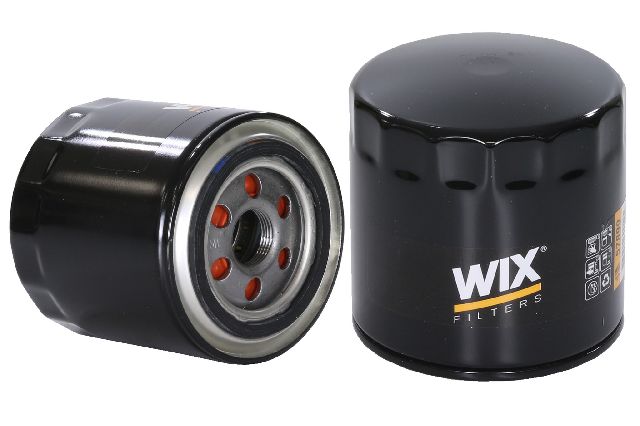
- Wix 'XP' Series Filters: In a documented case, a Wix 57060XP filter successfully resolved the P1524 code where the standard Wix 57060 did not, indicating its flow characteristics are closer to OEM specs.
Brands owners have reported issues with on this vehicle:
- Generic/Store Brand Oil Filters: Many forum and video reports cite that filters from quick-lube chains or basic store brands are the immediate cause of the P1524 code.
- Royal Purple Oil Filters: One owner specifically identified a Royal Purple filter as the suspected cause of their P1524 and associated engine rattle.
- Standard Wix Filters (e.g., 57060): While a quality brand, the standard filter has been shown to cause P1524 in at least one documented case where the 'XP' version was required.
Real Owner Stories
Aggregated from forums and TSBs cited above. Mileages and costs reflect what owners reported in those sources.
2010 Ram 1500 5.7L Hemi
Symptoms: The vehicle threw a P1524 code immediately following an oil change performed at a shop.
What fixed it: A technician identified a cheap, non-OEM oil filter. Replacing it with a genuine Mopar filter and performing a short drive cycle resolved the issue.
Source hint: Vehicle-specific issues: Owner Fixes P1524 with OEM Filter (referencing technician video)
2015-2023 Dodge Challenger Scat Pack 6.4L Hemi
Symptoms: Sudden P1524 code with oil pressure readings dropping to 12 PSI at idle.
What fixed it: An oil change improved cruising pressure to 44 PSI, but the persistent low idle pressure suggested a potential oil pump or sensor failure rather than just a filter issue.
Source hint: Reddit (r/Challenger): 'Oil pressure and P1524'
2011-2023 Dodge Charger SRT 392 6.4L Hemi
Symptoms: P1524 error code appearing after using a standard aftermarket oil filter.
What fixed it: Switching to a Wix XP filter (designed for higher flow) or a Mopar OEM filter resolved the pressure drop issues.
Source hint: RamForum.com thread 'P1524 error code' and platform_mates context
Related OBD-II Codes
Frequently Asked Questions
Does TSB 18-034-14 Rev. A apply to my Dodge Durango?
Can using a non-Mopar oil filter cause the P1524 code on my 6.4L Hemi?
Why is my ECO mode and Remote Start disabled when the P1524 code is active?
What specific oil should I use in my 2011-2024 Durango 6.4L to avoid pressure codes?
Is there a software update for the P1524 code on Hemi engines?
My oil pressure gauge shows 12 PSI at idle; is this causing my P1524 code?
Helpful Videos
We Have This Part in Stock

The information in this article is provided for general reference and educational purposes only. Vehicle specifications, procedures, and part compatibility can vary by production date, trim level, and region. Always consult your vehicle's factory service manual and verify part numbers before purchasing or performing repairs. Safety-critical components such as airbags, seat belts, and braking systems should be installed by a qualified professional.
- Dodge Durango:
- 🧭 Diagnostic Flowchart
- 🎬 Helpful Videos
- 🛍️ Shop This Part
- What's Unique About the 2011-2024 Dodge Durango
- Symptoms You May Notice
- Most Likely Causes
- Rare But Worth Checking
- Diagnosis Steps
- Parts You'll Likely Need
- Related Codes That Often Appear With This One
- Technical Service Bulletins (TSBs) & Recalls
- Platform-Specific Known Issues
- Mechanic-Grade Diagnostic Values
- Scan Tool Commands That Help
- Wiring & Ground Locations
- Real Owner Repair Stories
- OEM Part Supersession History
- Model Year Variations Within This Range
- Other Known Issues on This Vehicle
- Used vs. New Parts: Buying Guide for This Vehicle
- Real Owner Stories
- 2010 Ram 1500 5.7L Hemi
- 2015-2023 Dodge Challenger Scat Pack 6.4L Hemi
- 2011-2023 Dodge Charger SRT 392 6.4L Hemi
- Related OBD-II Codes
- Frequently Asked Questions
- 🎟️ Get 5% Off