

P1556 on 2016-2019 Volkswagen Golf: Causes for Charge Pressure Negative Deviation
Code P1556 on a 2016-2019 VW Golf means the turbo isn't making enough boost. The most common causes are a vacuum or boost leak from a cracked hose, a bad N75 boost control solenoid, or a failed diverter valve. Start by checking all turbo hoses and performing a smoke test before replacing parts.
- P1556 means your Golf's turbo is not producing the boost the ECU expects, resulting in a loss of power.
- Before buying any parts, perform a thorough visual inspection and a boost leak test. A simple cracked hose is a very common cause.
- The three most likely parts to fail are a boost/vacuum hose, the N75 boost control solenoid, and the diverter valve.
- Do not assume the turbocharger itself has failed. It is the most expensive component and usually the last part to fail in the system.
What's Unique About the 2016-2019 Volkswagen GOLF
The 2016-2019 Golf (Mk7) primarily uses the EA888 Gen3 1.8T and 2.0T turbocharged engines, which feature an electronically controlled wastegate and diverter valve. While the P1556 code has existed for years, particularly on older TDI models with vacuum-controlled systems, on the Mk7 the causes often center on boost leaks from plastic piping, a faulty electronic wastegate actuator, or a failed electronic diverter valve. Unlike older models where a simple vacuum pump could test many components, diagnosis on the Mk7 often requires a scan tool like VCDS to actively test electronic components and check wastegate actuator voltage.
Diagnostic Flowchart
Tap your situation to follow the diagnostic path that matches what you're seeing on this vehicle.
Symptoms You May Notice
- Significant loss of engine power, car feels 'flat' or 'lazy'.
- Vehicle enters 'limp mode,' limiting RPM and speed.
- Check Engine Light (CEL) and/or Electronic Power Control (EPC) light is illuminated.
- Sluggish or delayed acceleration, especially noticeable when trying to overtake.
- A 'whooshing' or hissing sound from the engine bay during acceleration, indicating a boost leak.
- Inconsistent boost delivery; sometimes power kicks in suddenly at higher RPMs, other times not at all.
- Replacing the turbocharger assembly when the actual fault is a simple, inexpensive vacuum line leak or a faulty N75 valve.
- Replacing the MAP sensor without first performing a comprehensive boost leak test.
- Replacing ignition coils or spark plugs, which are unlikely to cause a specific underboost code unless misfires are also present.
Most Likely Causes
- Leaking, Cracked, or Disconnected Hoses 🔴 High Probability The charge pipes and vacuum lines are made of plastic and rubber that can become brittle and crack over time due to heat and pressure cycles in the engine bay. The turbo outlet pipe and intercooler connections are common leak points.
How to confirm: Perform a visual inspection of all hoses between the turbo, intercooler, and throttle body. A more definitive method is to perform a boost leak test using a smoke machine or a DIY pressure tester to see and hear where air is escaping. 🎬 Watch: How to perform a boost leak smoke test.
Typical fix: Replace the damaged hose or secure the loose connection. Ensure all clamps are tight.
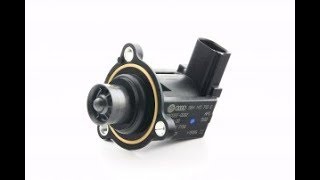
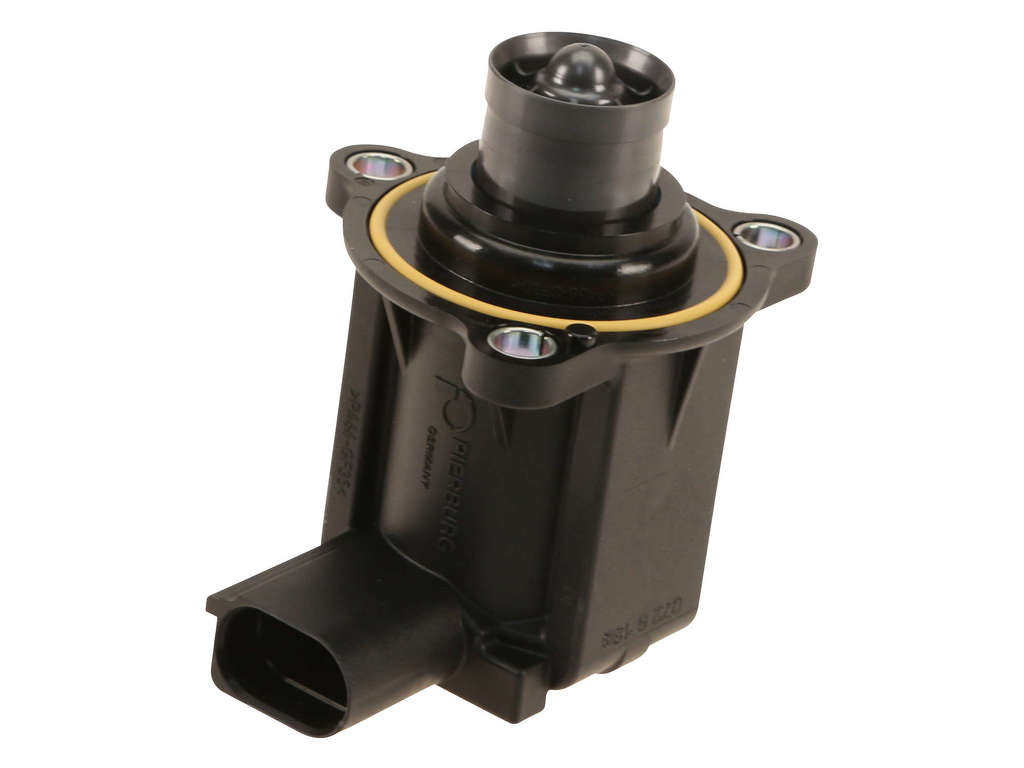
Est. part cost: $20-$150 - Failed Diverter Valve (DV) 🟡 Medium Probability → Shop Turbocharger The Mk7 uses an electronic diverter valve. Early revisions were prone to diaphragm tears or electrical failure, causing boost pressure to leak back into the intake instead of being sent to the engine. Even the later piston-style revisions can fail.
How to confirm: Remove the diverter valve (typically held by three bolts on the turbo housing) and visually inspect it for tears in the diaphragm or other physical damage. A torn diaphragm is a very common finding.
Typical fix: Replace the diverter valve. The latest OEM revision is generally recommended, though aftermarket upgrades like the GFB DV+ are popular.
Est. part cost: $80-$150 - Defective Boost Pressure Control Solenoid (N75 Valve) 🟡 Medium Probability → Shop Transmission Clutch Pressure Control Solenoid This electronic solenoid regulates the wastegate, controlling boost pressure. It's a common failure point on many VAG turbocharged engines and can fail electrically or become clogged, preventing proper boost control.
How to confirm: Use a capable scan tool (like VCDS by Ross-Tech) to run an output test on the N75 valve. You can also check its resistance with a multimeter. Checking for voltage at the connector is another key step.
Typical fix: Replace the N75 valve. It is often located near the turbocharger and is a relatively simple replacement.
Est. part cost: $30-$80 - Sticking or Faulty Turbocharger Wastegate Actuator 🟡 Medium Probability → Shop Turbocharger The electronic wastegate actuator on the IHI turbo is a known weak point. The arm can seize due to corrosion, or the electronics can fail, preventing it from closing properly to build boost. This is a very common failure on the Mk7 platform, sometimes requiring turbo replacement.
How to confirm: Visually inspect the wastegate actuator arm for free movement with the engine off; it should move with some force. With a scan tool like VCDS or OBDeleven, check the actuator voltage (Engine -> Advanced Measuring Values); it should typically be around 3.4V-3.9V for an IS38 turbo or slightly different for an IS20 after adaptation. A reading outside this range (e.g., over 4.0V or under 3.3V) often indicates a failing or misadjusted actuator.
Typical fix: In some cases, the linkage can be cleaned and lubricated with high-temperature paste to free it up. If the electronic actuator has failed, it may need to be replaced. Some specialists can replace just the actuator, but many shops and dealers will only replace the entire turbocharger assembly.
Est. part cost: $150 (actuator only) - $2000+ (full turbo replacement)
Rare But Worth Checking
- Clogged Catalytic Converter: A clogged catalytic converter can create excessive backpressure, preventing the turbo from spooling up effectively. This is usually accompanied by other symptoms like a sulfur smell or a more severe, progressive loss of power over time.
- Faulty MAP (Manifold Absolute Pressure) Sensor: If the sensor that measures boost pressure is faulty and reading lower than actual pressure, it can incorrectly trigger a P1556 or P0299 code. This is less common than mechanical or pneumatic causes, but is a possibility.
- Failing Turbocharger (Internal Failure): → Shop Turbocharger While possible, complete internal turbo failure (e.g., bearing failure) is the least likely cause and should only be considered after all other possibilities (leaks, sensors, actuators) have been thoroughly ruled out. It is more common for the attached wastegate actuator to fail.
Diagnosis Steps
- Read the fault codes with an OBD-II scanner to confirm P1556 and check for any other related codes like P0299 or P1550.
- Perform a thorough visual inspection of the engine bay. Look for any disconnected, cracked, or collapsed vacuum lines and charge pipes. Pay close attention to the connections at the turbo, intercooler, and throttle body.
- Perform a boost leak test. This involves pressurizing the intake system (from the turbo inlet) with low-pressure air via a smoke machine or DIY tester and listening/looking for leaks. Spraying soapy water on connections can help reveal small leaks.
- If no leaks are found, inspect the diverter valve (DV). Remove it from the turbocharger housing (usually 3 bolts) and check for any tears in the diaphragm or signs of failure.
- Test the N75 Boost Pressure Control Solenoid. Use a scan tool like VCDS to run an output diagnostic test (Engine -> Output Tests -> N75). Check for proper voltage at the connector and listen for a clicking sound.
- Inspect and test the turbocharger wastegate actuator. With the engine off, check for free movement of the arm. Use VCDS to check the voltage (Engine -> Advanced Measuring Values -> search for 'charge pressure actuator acknowledgement'). A voltage reading significantly outside the 3.4V-3.9V range (for IS38) after adaptation can indicate a faulty actuator. 🎬 Watch: How to adjust your wastegate using VCDS.
- If all other components check out, investigate the possibility of a clogged catalytic converter or a failing MAP sensor by logging sensor data during a drive.
Parts You'll Likely Need
- Boost Pressure Control Solenoid (N75 Valve)
(OEM #06F906283F)— This solenoid is a frequent failure point and directly controls the turbo's wastegate to regulate boost. Its failure is a direct cause of underboost or overboost conditions.
Trusted brands: Pierburg (OEM), Bosch, Genuine VW/Audi
OEM price range: $60-$100
Aftermarket price range: $25-$60 - Turbocharger Diverter Valve (DV)
(OEM #06H145710J (Latest Revision))— The diaphragm in older revisions can tear, causing a significant boost leak. The latest OEM revision uses a more durable piston design. Failure is a very common cause for P1556/P0299.
Trusted brands: Pierburg (OEM), Go Fast Bits (GFB DV+), Forge Motorsport
OEM price range: $80-$120
Aftermarket price range: $60-$160 - Charge Pipe / Boost Hose — Cracks in the plastic or rubber hoses are a primary cause of boost leaks, leading directly to an underboost code. Heat and pressure cycles make them brittle over time.
Related Codes That Often Appear With This One
- P0299 — This is the generic SAE equivalent of P1556, meaning 'Turbocharger/Supercharger Underboost'. They both point to the same fundamental problem and are often logged together.
- P1557 — 'Charge Pressure Control: Positive Deviation'. This code indicates an overboost condition and can sometimes appear intermittently along with P1556 if the boost control system (like the N75 valve or wastegate) is behaving erratically.
- P1550 — 'Boost Pressure Control Valve (N75): Control Deviation'. This code specifically points to a problem with the N75 valve's performance, which is a direct cause of underboost (P1556).
- P2563 — 'Turbocharger Boost Control Position Sensor Circuit: Implausible Signal'. This code directly points to a problem with the wastegate actuator's position sensor, often due to a seized arm or electrical failure, which is a primary cause of P1556.
Technical Service Bulletins (TSBs) & Recalls
- VIN4APIN20190610: A general bulletin from VW listing multiple potential customer complaints and associated DTCs. It includes P1556 in a list of possible codes, but does not provide specific diagnostic information for it.
Platform-Specific Known Issues
- The official NHTSA Technical Service Bulletin #VIN4APIN20190610 lists 'MIL-on with P1556' as a potential customer complaint for this vehicle, confirming it is a recognized issue by the manufacturer.
Mechanic-Grade Diagnostic Values
- Turbo Wastegate Actuator Voltage (IS38 Turbo) — expected: 3.4V - 3.9V with key on, engine off, after adaptation.. Failure: A voltage reading outside this range, such as over 4.0V or below 3.3V, indicates a misadjusted or failing actuator. A reading of 4.6-4.7V is common before adjustment.
- Turbo Wastegate Actuator Voltage (IS12/IS20 Turbo) — expected: Slightly different from IS38; consult tuner or service data. The key difference is the wastegate door is partially open at rest, so live data may show a lower voltage (~2.0V) until the adaptation is run.. Failure: Inability to complete the 'First adaptation of charge pressure actuator' basic setting in VCDS, or voltage that does not change with manual adjustment.
- N75 Valve Solenoid Resistance — expected: Approximately 25-35 Ohms at room temperature.. Failure: A reading of infinite resistance (open circuit) or zero resistance (short circuit). Resistance may also change drastically when hot, indicating a temperature-related failure.
Scan Tool Commands That Help
- VCDS (VAG-COM): Basic Settings - 04 -> 'First adaptation of charge pressure actuator' (IDE04304) — This function must be run after physically adjusting the wastegate actuator rod or replacing the actuator/turbo. It allows the ECU to learn the new end-stop positions. The adaptation will fail if the voltage is too far out of spec (e.g., over ~3.9V).
- VCDS (VAG-COM): Advanced Measuring Values - 01 Engine — Used to monitor the live voltage of the wastegate actuator during diagnosis and adjustment. Search for 'Charge pressure actuator acknowledgement' to find the correct value.
- VCDS (VAG-COM) or OBDeleven: Measuring Block Group 115 (on older protocols) — To log and compare 'Boost Pressure (Specified)' vs. 'Boost Pressure (Actual)' during a test drive. A large, consistent deviation where the actual value is lower than specified confirms the underboost condition. The target is typically 1800-2000 mbar under full load.
Wiring & Ground Locations
- 15 — Earth point on the cylinder head.. A poor ground at this location can affect various engine sensors, potentially including those related to boost pressure monitoring and control, leading to erratic readings or component behavior.
- 652 — Transmission/engine ground connection.. This is a main ground strap for the engine and transmission assembly. Corrosion or looseness here can cause a wide range of electrical issues, including problems with the ECU and its control over actuators like the N75 and wastegate.
- 14 — Earth point on the gearbox.. Similar to the main engine ground, this point ensures a solid ground path for components mounted on or near the transmission. A faulty connection could lead to intermittent electrical faults.
- 81 — Earth point in the center of the engine compartment.. A general engine bay ground point that can affect multiple systems. Ensuring it is clean and tight is a good practice when diagnosing any electrical fault.
Real Owner Repair Stories
- Reddit user /u/KingFucboi on r/vwgolf (2015 Golf 1.8T M/T (CXBA engine)) — EPC light on, with codes P256300 (Boost control position sensor circuit) and P00af00 (Turbo charger boost control A module).
❌ Tried (didn't work) Attempting to move the wastegate actuator linkage by hand; it was completely seized and would not move.
✅ What actually fixed it The entire turbocharger assembly was replaced. The user noted that they had read about others replacing just the actuator only to have the turbo fail again, so they opted to replace the whole unit. The root cause was a seized wastegate actuator. - GolfMK7 forum user (Mk7 Golf 1.4lt TSI) — Rattle from the turbo area around 2000 RPM, sometimes accompanied by 'owl/pigeon' noises after the car sits for a few days. In severe cases, this can lead to an EPC light and limp mode.
❌ Tried (didn't work) Taking it to a dealer who dismissed it as a 'characteristic of the car'.
✅ What actually fixed it The user identified that the wastegate actuator linkage arm was seizing due to dissimilar metal corrosion at high temperatures. The fix involves freeing the seized linkage (sometimes requiring heat) and lubricating it with high-temperature grease or anti-seize, such as VW hot bolt paste or Loctite 1300C. In some cases, a temporary fix for the rattle noise was achieved with a hitch pin or clip to reduce play, confirming the source of the noise.
"I Checked Everything" — The Actual Cause
- A smoke test will not reveal a torn diaphragm in the diverter valve (DV), as this creates an internal boost leak where pressure is recirculated instead of being sent to the engine. The system will appear sealed, but boost is lost before it can be used. This was a common issue on older Mk6 models and can still occur on the Mk7.
- A worn or 'ovalized' wastegate lever pivot point on the turbo's hot side can cause the wastegate flapper to not seal properly, even when the actuator is fully closed. This allows exhaust gas to bypass the turbine wheel, preventing boost from building. This is not a leak in the charge air system and will not be found with a smoke test.
OEM Part Supersession History
06H145710C (and earlier revisions)→06H145710D, 06H145710J (latest known)— The original diverter valves used a rubber diaphragm design that was prone to tearing, causing boost leaks. The later revisions (Rev D and onward) switched to a more durable piston-style design to improve reliability.
Model Year Variations Within This Range
- 2017-2019: In 2017, the Golf received a facelift (often called the Mk7.5). While the core EA888 engine architecture remained, there were changes to infotainment, styling, and some engine options. For the GTI, the 2019 model year received a power bump, but this was primarily due to a factory ECU tune, not a fundamental turbo hardware change. The DSG transmission was updated from a 6-speed to a 7-speed in facelifted models.
- 2016-2019: The standard Golf 1.8T uses an IS12 or IS20 turbo, while the GTI uses an IS20, and the Golf R uses a larger IS38. The wastegate adjustment procedure and target voltage values are different between the IS12/IS20 and the IS38 due to the wastegate being normally closed on the IS38 at rest, and partially open on the IS12/IS20.
Helpful Videos


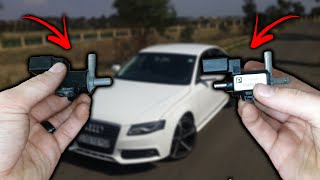
We Have This Part in Stock
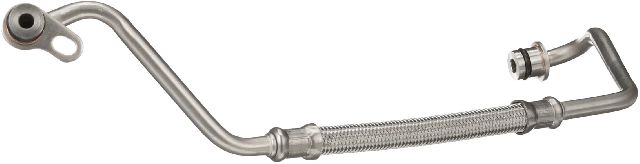


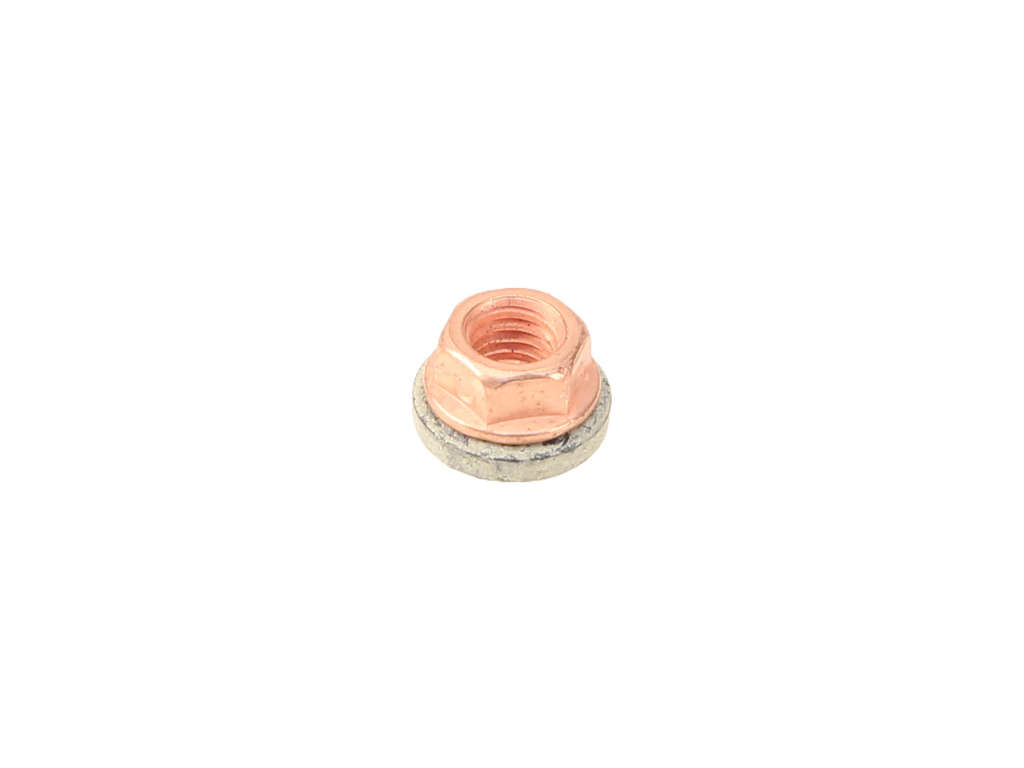
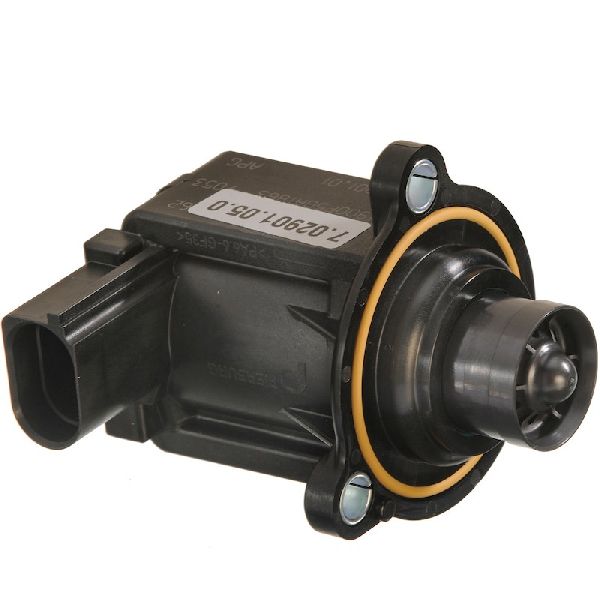

The information in this article is provided for general reference and educational purposes only. Vehicle specifications, procedures, and part compatibility can vary by production date, trim level, and region. Always consult your vehicle's factory service manual and verify part numbers before purchasing or performing repairs. Safety-critical components such as airbags, seat belts, and braking systems should be installed by a qualified professional.
- Volkswagen GOLF:
- 🧭 Diagnostic Flowchart
- 🎬 Helpful Videos
- 🛍️ Shop This Part
- What's Unique About the 2016-2019 Volkswagen GOLF
- Symptoms You May Notice
- Most Likely Causes
- Rare But Worth Checking
- Diagnosis Steps
- Parts You'll Likely Need
- Related Codes That Often Appear With This One
- Technical Service Bulletins (TSBs) & Recalls
- Platform-Specific Known Issues
- Mechanic-Grade Diagnostic Values
- Scan Tool Commands That Help
- Wiring & Ground Locations
- Real Owner Repair Stories
- "I Checked Everything" — The Actual Cause
- OEM Part Supersession History
- Model Year Variations Within This Range
- 🎟️ Get 5% Off