

P1594 on 2004-2008 Suzuki Forenza: An Uncertain Code Pointing to Transmission Problems
P1594 on a 2004-2008 Suzuki Forenza is an undefined manufacturer code. It does NOT mean 'Charging System Voltage Too High' as it does on Chrysler vehicles. All evidence points to this being a rare code indicating a serious fault in the automatic transmission's control system, most likely a failed Transmission Control Module (TCM) or a related sensor.
- P1594 on a Forenza is an undefined code; do not trust definitions from other car brands.
- All symptoms and platform history point to a serious automatic transmission electronic fault.
- The most likely causes are a failed Transmission Control Module (TCM) or a faulty Transmission Range Sensor (TRS).
- Driving is unsafe as the vehicle can lose power or shift unpredictably.
- Diagnosis should focus on checking for other transmission codes (P0700, P0705, U-codes) and testing the TRS and its wiring before condemning the expensive TCM.
What's Unique About the 2004-2008 Suzuki Forenza
The Suzuki Forenza is a rebadged Daewoo Lacetti, which uses a General Motors-family powertrain. Its trouble codes do not follow legacy Suzuki, Chrysler, or Ford definitions. This platform is known for transmission electronic issues, particularly with the Transmission Control Module (TCM) and the Transmission Range Sensor (TRS). Therefore, an obscure P-code like P1594 is most logically interpreted as an internal or communication fault within this known-problem area, rather than a charging system issue.
Symptoms You May Notice
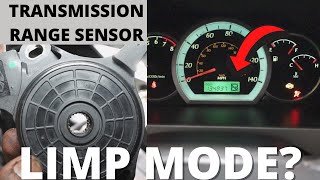
- Transmission gets stuck in a single gear (limp mode, often 3rd or 4th gear).
- Harsh or clunking engagement when shifting into Drive or Reverse.
- Vehicle feels very sluggish and has no power, especially from a stop.
- Check Engine Light is on.
- Transmission slips out of gear while driving, or seems to shift into neutral unexpectedly.
- Inability to shift gears at all.
- Engine will not start at all, or will only start in Neutral, not Park.
- Replacing the alternator. This would be the correct path for a P1594 on a Chrysler product, but it is incorrect for a Suzuki Forenza as the code does not relate to the charging system.
- Replacing the battery. A bad battery will not cause this specific code or the associated transmission symptoms.
Most Likely Causes
- Failed Transmission Control Module (TCM) 🔴 High Probability The TCM on this platform is a known failure point. Forum discussions and owner complaints frequently cite TCM replacement as the solution for complex transmission issues, especially when communication-related codes are present. Its location behind the driver-side front wheel well liner makes it vulnerable to moisture and debris, leading to corrosion and failure.
How to confirm: After ruling out all other causes (sensors, wiring, fluid), and especially if U-series (communication) codes are present alongside P1594, the TCM is the likely culprit. A professional scan tool may be able to confirm if the module is unresponsive. Visually inspect the TCM and its connectors for green or white corrosion.
Typical fix: Replace the Transmission Control Module. The replacement MUST be programmed to the vehicle's VIN, which typically requires a dealer or specialized shop.
Est. part cost: $70-$250 (used/remanufactured) - Faulty Transmission Range Sensor (TRS) 🟡 Medium Probability The TRS (also called a neutral safety switch) is arguably the most common single part to fail on this transmission, causing symptoms identical to a bad TCM. It tells the TCM what gear the driver has selected, and failure can result in limp mode, harsh shifts, and no-start conditions.
How to confirm: Test the voltage signals from the TRS at the TCM connector. As the gear shifter is moved through P-R-N-D, the combination of voltages on four specific wires should change according to a specific pattern. An incorrect voltage pattern indicates a bad sensor. A detailed testing procedure is available in a multi-part YouTube series by '2013Electronics'.
Typical fix: Replace the Transmission Range Sensor. This part is located on the outside of the transmission and requires careful alignment during installation, often using a special tool or by ensuring the vehicle is in neutral.
Est. part cost: $30-$60 - Damaged Wiring or Poor Ground Connection 🟡 Medium Probability The TCM is located behind the driver-side front wheel well liner, exposing its wiring to potential road debris and moisture. The harness to the Transmission Range Sensor is also exposed. Poor connections, corrosion, or grounds can interrupt communication and cause erratic behavior.
How to confirm: Visually inspect the wiring harness leading to the TCM and the main transmission connector for any signs of chafing, corrosion, or breaks. Perform a continuity and ground test on the harness connectors.
Typical fix: Repair the damaged section of the wiring harness or clean/re-secure the ground connections.
Est. part cost: $5-$50
Rare But Worth Checking
- Failed Transmission Solenoids: While less likely to cause a communication-centric code like P1594, failed shift solenoids can cause many of the same symptoms, such as harsh shifting or being stuck in gear. They often set more specific solenoid circuit codes (e.g., P0750-P0774).
Diagnosis Steps
- Verify the code with a quality OBD-II scanner. Note any other codes present, especially P0700, P0705, or any U-series codes.
- Check the transmission fluid level and condition. Ensure it is at the correct level and does not smell burnt or appear excessively dark.
- Perform a full visual inspection of the wiring harness going to the transmission case and the Transmission Control Module (TCM). The TCM is located behind the fender liner in front of the driver's side front wheel. Look for any signs of physical damage, corrosion, or loose connectors.
- Inspect and test the Transmission Range Sensor (TRS). This is a common failure point. A detailed diagnostic procedure involving checking voltage patterns at the TCM connector is outlined in a YouTube series by '2013Electronics'. The sensor sends four data lines to the TCM, and an invalid combination of high/low signals triggers a fault.
- If the TRS and wiring are good, the focus shifts to the TCM. Given the code's undefined nature and the high failure rate of the module, this is the next logical step. Inspection for water intrusion or corrosion at the connectors is critical.
- If a replacement TCM is sourced, ensure the part number matches your vehicle's year and transmission. Part numbers for the TCM can include 96423483. Be aware that the new module will require programming by a dealer or specialist.
Parts You'll Likely Need
- Transmission Control Module (TCM)
(OEM #96423483)— This is the most likely cause for a rare, undocumented communication fault code, given the platform's history of TCM failures and its vulnerable mounting location.
Trusted brands: Genuine GM/Suzuki (often Siemens-made)
OEM price range: $400+ (new, if available)
Aftermarket price range: $70-$250 (used/remanufactured) - Transmission Range Sensor (Neutral Safety Switch)
(OEM #37720-86Z01, 93742966)— This is the most common electronic failure on this transmission and causes identical symptoms. It should be investigated before condemning the more expensive TCM.
Trusted brands: ACDelco (D2257C), Standard Motor Products, Dorman, Valucraft
OEM price range: $70-$120
Aftermarket price range: $30-$60
Related Codes That Often Appear With This One
- P0700 — This is a generic code indicating that the Transmission Control Module (TCM) has requested the Check Engine Light to be turned on. It is an informational code that is almost always present when any other transmission-specific code (like P1594) is stored.
- U-codes (e.g., U0100) — U-series codes indicate a loss of communication between modules on the vehicle's data network. A code like 'Lost Communication with TCM' strongly supports the theory that P1594 is related to a TCM failure or wiring issue.
- P0705 — This code specifically points to a malfunction in the Transmission Range Sensor (TRS) circuit. If you see P0705, that sensor is the primary suspect, even if the undefined P1594 is also present.
Platform-Specific Known Issues
- The automatic transmission in the 2004-2008 Forenza and its sibling, the Reno, is widely known for electronic failures, particularly the Transmission Range Sensor and the Transmission Control Module, leading to limp mode and harsh shifting.
- A specific owner on CarComplaints.com reported their 2007 Forenza's transmission sensor failed at 28,000 miles, causing the car to shift to neutral from drive on the highway, and failed again at 60,000 miles.
Mechanic-Grade Diagnostic Values
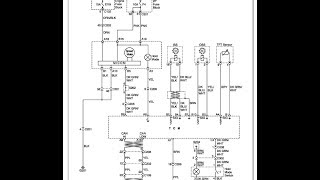
- Transmission Range Sensor (TRS) Voltage Pattern at TCM Connector — expected: A unique combination of 0V and 12V signals across four wires (L1, L2, L3, L4) for each gear position. For Park (P): L1=0V, L2=0V, L3=12V, L4=0V. For Reverse (R): L1=0V, L2=0V, L3=0V, L4=12V. For Neutral (N): L1=0V, L2=12V, L3=0V, L4=0V. For Drive (D): L1=12V, L2=12V, L3=12V, L4=0V.. Failure: Any deviation from the expected voltage combination for a selected gear indicates a faulty TRS or wiring. The test can be done with the key in the 'ON' position without the engine running.
- Transmission Input Speed Sensor (ISS) Resistance — expected: 825 - 835 ohms at 20°C (68°F).. Failure: A resistance reading outside of this range suggests the sensor is faulty. This sensor informs the TCM of the transaxle input speed.
Scan Tool Commands That Help
- Tech 2: AT learned initialize — This procedure is required after replacing the Transmission Control Module (TCM) or the entire transmission assembly. Failure to perform this initialization will cause the transmission to use old adaptive shift mapping, resulting in improper shifting with the new components. The path is: SUZUKI -> North America -> (J) FORENZA/RENO -> Power Train -> Transmission -> Misc. Test -> AT learned initialize.
Wiring & Ground Locations
- G201 — Located on the left side of the dash, potentially behind the driver's kick panel or below the headlamp switch.. This is a major interior ground point for multiple systems. A poor connection at G201 can cause a wide range of seemingly unrelated electronic issues, including problems with control modules like the TCM that are grounded through the dash harness.
- G104 / G107 — Located under the engine starter motor.. These are primary engine-side grounds. A corroded or loose connection here can affect the Engine Control Module (ECM) and its communication with the TCM, potentially causing communication-related fault codes.
- TCM Connector Pins (for TRS Test) — At the TCM, located behind the driver-side front wheel well liner.. To test the TRS, you must back-probe specific pins at the TCM connectors. The four signal lines are L1, L2, L3, and L4. According to wiring diagrams, these correspond to TCM connector pins C1, B15, B6, and B11.
Model Year Variations Within This Range
- 2006-2008: Wiring diagrams for 2006-2008 models show the TCM located 'behind left side of dash' or 'under left side of dash', while owner and forum consensus places it behind the driver's side front wheel well liner. This may indicate a documentation error or a variation in location for certain model years or markets. Technicians should be prepared to check both locations.
Diagnostic Flowchart
Other Known Issues on This Vehicle
Issues unrelated to this code that are worth knowing about as an owner of this generation:
- Premature Timing Belt Failure 🔴 High — The 2.0L D-TEC is an interference engine. The recommended replacement interval is 60,000 miles. Failure before this interval is not uncommon and results in catastrophic engine damage (bent valves). (Ref: A related TSB (TS 21 03259) was issued for a rubbing noise from a warped timing belt cover, which could potentially affect belt life.)
- Failing Transmission Range Sensor (TRS) 🔴 High — This is one of the most common component failures on the platform, typically occurring between 30,000 and 70,000 miles. It causes limp mode, harsh shifting, and no-start conditions.
- Failing Transmission Control Module (TCM) 🔴 High — Common failure, often due to water intrusion from its location in the driver's side wheel well. Symptoms overlap entirely with a failed TRS.
- Airbag Warning Light 🟠 Medium — A very common complaint, often related to faulty sensors in the seats (Occupant Classification Sensor) or issues with the Sensing and Diagnostic Module (SDM). (Ref: Multiple recalls were issued related to the airbag system's wiring harness connectors under the front seats.)
- Valve Cover Gasket Oil Leak 🟡 Low — The valve cover gasket is prone to hardening and leaking oil down the side of the engine, sometimes onto the exhaust manifold, causing a burning smell.
Used vs. New Parts: Buying Guide for This Vehicle
When a used part is the smart pick: For the Transmission Control Module (TCM), a used part from a reputable salvage yard is a very common and cost-effective repair. Since new units are expensive and may be hard to find, a used module from a low-mileage, accident-damaged donor vehicle is a smart choice.
Donor-vehicle mileage cap: roughly under 100000 miles for the part to have meaningful remaining life.
What to inspect on the donor part:
- Verify the part number on the used TCM (e.g., 96423483) exactly matches the original.
- Inspect the connectors on the used TCM for any signs of corrosion, bent pins, or water intrusion.
- If possible, get the VIN of the donor car to ensure it had the same engine and transmission configuration.
- Ask about the donor vehicle's mileage and reason for being salvaged (front-end collision is better than flood damage).
Aftermarket brands forum-validated for this vehicle:
- For the Transmission Range Sensor (TRS), brands like ACDelco, Standard Motor Products (SMP), and Dorman are widely available and considered reliable replacements.
Brands owners have reported issues with on this vehicle:
- Avoid unbranded, 'white-box' electronic parts from online marketplaces, as their quality control can be inconsistent, leading to repeat failures.
Real Owner Stories
Aggregated from forums and TSBs cited above. Mileages and costs reflect what owners reported in those sources.
2007 Suzuki Forenza 2.0L D-TEC — 28000 miles
Symptoms: The car shifted to neutral from drive on the highway.
What fixed it: The transmission sensor failed (and failed again at 60,000 miles).
Source hint: CarComplaints.com report cited in 'vehicle_specific_issues'
2007 Suzuki Forenza 2.0L D-TEC
Symptoms: Limp mode, hard shifting, and gear slipping.
What fixed it: The issue was identified as the Transmission Range Sensor (TRS), which the dealer admitted was a 'frequent problem'.
Source hint: CarComplaints.com forum citation
Chevrolet Optra 2.0L
Symptoms: The dash displayed an 'X' and the transmission went into safety mode (limp mode).
What fixed it: The recommended fix was to replace the TR (Transmission Range) sensor.
Source hint: Scribd (Chevrolet Optra Failures document) forum citation
Related OBD-II Codes
Frequently Asked Questions
Where is the Transmission Control Module (TCM) located on my 2007 Forenza? I'm worried about water damage.
My Forenza won't start in Park, but it starts fine in Neutral. Is this related to the P1594 code?
I found a used TCM online. Can I just install it myself to fix my Forenza's transmission problem?
Does the Suzuki Reno have these same transmission limp mode problems?
What's the first thing I should check if my Forenza goes into limp mode with harsh shifting?
My mechanic wants to replace the TCM, but he's not sure. How can he confirm it's bad?
Helpful Videos
We Have This Part in Stock


The information in this article is provided for general reference and educational purposes only. Vehicle specifications, procedures, and part compatibility can vary by production date, trim level, and region. Always consult your vehicle's factory service manual and verify part numbers before purchasing or performing repairs. Safety-critical components such as airbags, seat belts, and braking systems should be installed by a qualified professional.
- Suzuki Forenza:
- 🧭 Diagnostic Flowchart
- 🎬 Helpful Videos
- 🛍️ Shop This Part
- What's Unique About the 2004-2008 Suzuki Forenza
- Symptoms You May Notice
- Most Likely Causes
- Rare But Worth Checking
- Diagnosis Steps
- Parts You'll Likely Need
- Related Codes That Often Appear With This One
- Platform-Specific Known Issues
- Mechanic-Grade Diagnostic Values
- Scan Tool Commands That Help
- Wiring & Ground Locations
- Model Year Variations Within This Range
- Other Known Issues on This Vehicle
- Used vs. New Parts: Buying Guide for This Vehicle
- Real Owner Stories
- 2007 Suzuki Forenza 2.0L D-TEC — 28000 miles
- 2007 Suzuki Forenza 2.0L D-TEC
- Chevrolet Optra 2.0L
- Related OBD-II Codes
- Frequently Asked Questions
- 🎟️ Get 5% Off