

P1603 on 2004-2015 Volkswagen Golf: Understanding the 'Defective ECM' Code
This code means the Engine Control Module (ECM) failed a self-test, but it's most often caused by a weak battery or bad electrical connections, not a faulty ECM. Before replacing the expensive computer, fully test your battery, alternator, and ground connections. A new battery for $150-$250 is the most common fix.
- P1603 on your Golf almost never means you need a new computer, even though the definition says 'ECM Defective'.
- The #1 cause is a weak battery. Before any other repair, have your battery fully charged and load tested.
- Check for other codes like P1602 or P0562. If they are present, it's nearly certain your problem is electrical, not the ECM.
- Inspect your battery terminals and main ground wire for corrosion or looseness. A bad connection can mimic a bad battery.
- Only consider replacing the ECM as a final step after a professional has confirmed the battery, alternator, and all related wiring are in perfect condition.
What's Unique About the 2004-2015 Volkswagen Golf
For Volkswagen and Audi models from this era, the engine control module is highly sensitive to system voltage. A specific Technical Service Bulletin (TSB 01-05-02) was issued for earlier models, explicitly warning technicians not to replace the ECM for a P1603 code until a low battery voltage condition has been completely ruled out. This advice remains highly relevant for the entire 2004-2015 Golf range, as owner experiences consistently show that a dying battery, failing alternator, or poor ground connection is the true culprit behind this misleading code.
Generation note: This vehicle range covers the Volkswagen Golf Mk5 (2004-2009), Mk6 (2009-2013), and the early Mk7 (2014-2015). While the electronics and engine management systems evolved, the P1603 code's primary cause—sensitivity to low voltage—remains consistent across all three generations. The diagnostic approach of checking the battery and charging system first is universal for these models. The Mk6 features a revised EA888 engine (in later Mk5s and all Mk6s) and more complex electronics, but the P1603 diagnostic philosophy remains the same.
Symptoms You May Notice
- Check Engine Light or EPC (Electronic Power Control) light is illuminated
- Engine is difficult to start or will not crank
- Engine stalls unexpectedly, sometimes while driving
- Rough or irregular idle
- Noticeable loss of engine power or hesitation
- In some cases, other seemingly unrelated electrical issues may occur, like non-working door locks or climate control
- Flashing 'PRNDS' on the dashboard if the vehicle has a DSG transmission
- Replacing the Engine Control Module (ECM) first. This is an expensive and often unnecessary repair. The root cause is almost always related to the vehicle's power supply, as emphasized by VW's own service bulletin.
Most Likely Causes
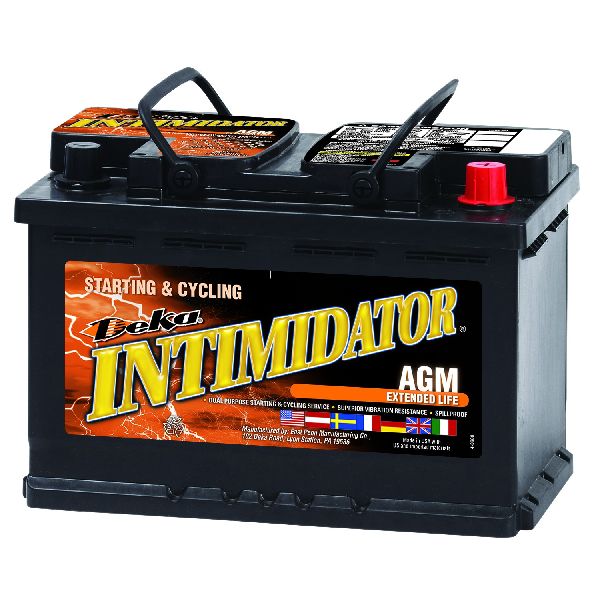
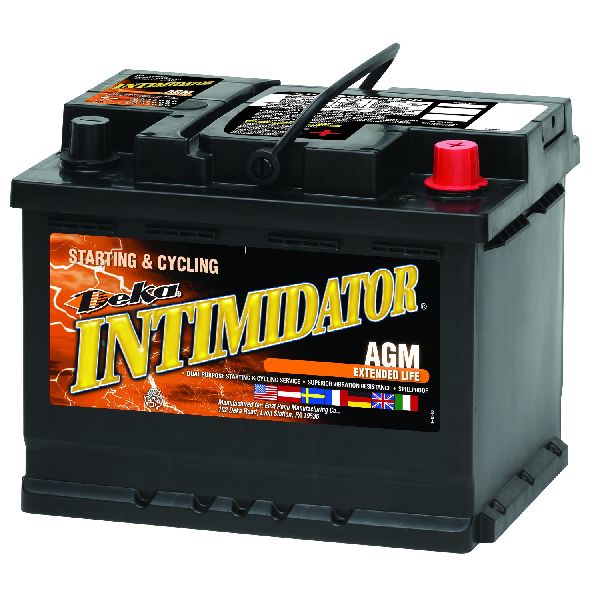
- Weak or Failing Battery 🔴 High Probability → Shop Vehicle Battery The ECM requires stable voltage for its Keep Alive Memory (KAM). A battery that provides less than 12.4 volts at rest or drops significantly during cranking can corrupt this memory and trigger a P1603 self-test failure. This is the most common cause reported by owners.
How to confirm: Use a multimeter to check the battery voltage with the car off; it should be above 12.4V. Perform a load test on the battery (most auto parts stores do this for free) to check its health under stress. A voltage reading of 12.3V or lower in the freeze frame data for the code is a strong indicator. VW's TSB requires a printout from a professional tester like a Midtronics MCR340V to substantiate a low battery condition.
Typical fix: Replace the vehicle's battery. If the car has start-stop, an AGM battery is required and may need to be coded to the vehicle.
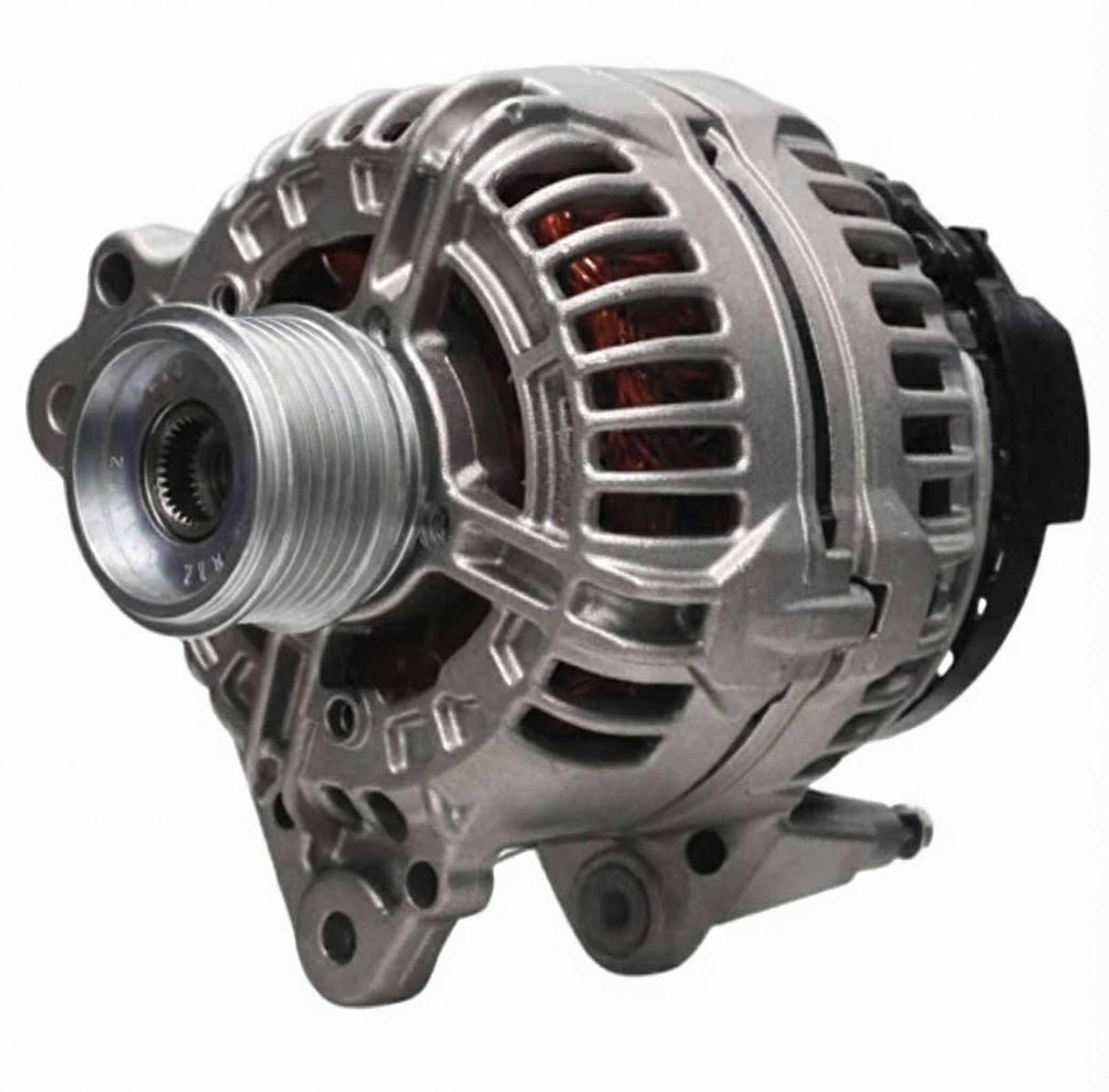
Est. part cost: $150-$300 - Failing Alternator 🟡 Medium Probability → Shop Alternator An alternator producing fluctuating or insufficient voltage (outside the normal 13.7-14.7V range when running) will fail to properly charge the battery and power the vehicle's electronics, leading to ECM errors.
How to confirm: With the engine running, use a multimeter to measure the voltage across the battery terminals. The reading should be stable and within the 13.7-14.7V range. If it's too low, too high, or fluctuating wildly, the alternator or its voltage regulator is likely faulty.
Typical fix: Replace the alternator.
Est. part cost: $250-$600 - Loose or Corroded Battery Terminals / Ground Straps 🟡 Medium Probability → Shop Vehicle Battery Corrosion or loose connections at the battery posts or where the main ground straps connect to the chassis and engine create high resistance, preventing the ECM from receiving consistent power. Key ground points on a Mk5/Mk6 are located under the battery tray to the chassis and from the battery to the transmission/engine.
How to confirm: Visually inspect the battery terminals for white or greenish corrosion. Physically attempt to twist the terminals; they should not move. Follow the negative battery cable to the chassis (under the battery tray) and the engine block to inspect for corrosion or looseness.
Typical fix: Clean the battery terminals and cable ends with a wire brush. Disassemble, clean, and tighten all main ground connections. Replace heavily corroded terminals or ground straps.
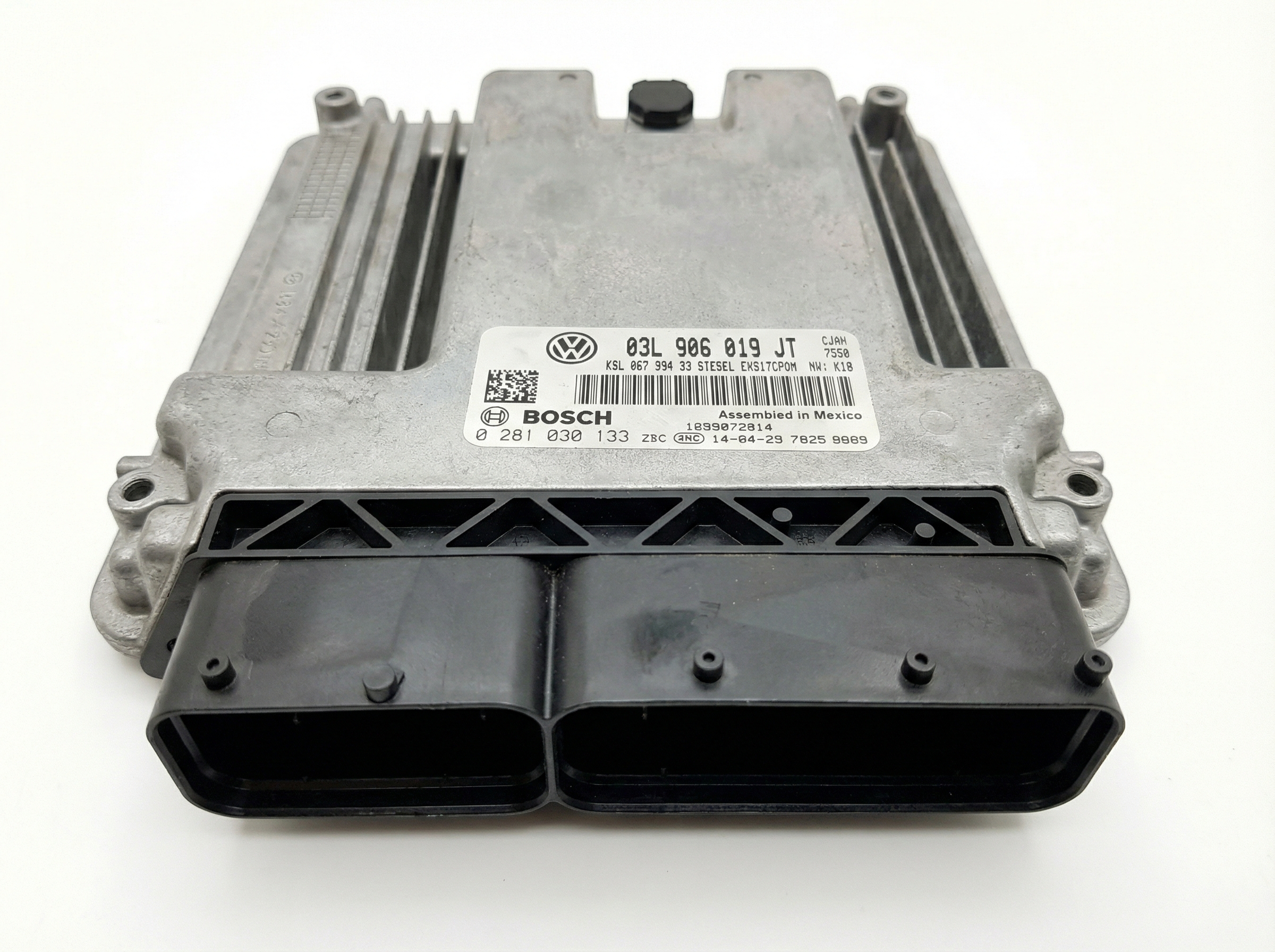
Est. part cost: $5-$50 - Faulty Engine Control Module (ECM) ⚪ Low Probability → Shop Engine Control Module (ECM) While the code directly points to the ECM, actual internal failure is the least common cause. It should only be considered after all power supply issues are definitively ruled out, as per VW's own TSB. Sometimes an ECU can pass a bench test but still fail under load on the car.
How to confirm: This is a process of elimination. If the battery, alternator, and all related wiring/grounds are confirmed to be in perfect working order, yet the code returns immediately after being cleared and performing the reset procedure, the ECM may be at fault. Professional diagnosis is recommended.
Typical fix: Replace the Engine Control Module. This part must be coded to the vehicle's VIN and immobilizer system by a dealer or qualified specialist.
Est. part cost: $800-$2000
Rare But Worth Checking
- Faulty ECM Power Supply Relay:
Diagnosis Steps
- Read all fault codes and review freeze frame data. Pay close attention to any other codes present, especially P1602 or P0562. Note the 'Voltage terminal 30' value in the freeze frame data; a low value (e.g., under 12.4V) points directly to a power supply issue.
- Visually inspect the battery terminals, power cables, and main ground straps for any signs of corrosion, damage, or looseness. Key locations are the battery-to-body ground (often under/near the battery tray) and the engine/transmission ground strap. Clean and tighten as necessary.
- With the engine off, measure the battery voltage using a multimeter. A healthy battery should read at least 12.4V. If it is lower, charge the battery fully.
- Perform a battery load test. This is the most reliable way to determine the battery's health. Many auto parts stores offer this service for free. TSB 01-05-02 requires substantiating a low battery with a printout from a professional tester.
- If the battery is healthy, start the engine. Measure the voltage at the battery terminals again. A healthy alternator should produce a steady voltage between approximately 13.7V and 14.7V.
- If the battery and alternator test good, consider testing the ECM power supply relay. While monitoring ECM voltage with a scan tool, wiggle the relay to check for intermittent connections. A more thorough test involves checking for battery voltage at relay socket 30 and a ground signal from the ECM at socket 86 during cranking.
- If all power supply components are confirmed good, clear the P1603 fault code.
- Perform the reset procedure mentioned in TSB 01-05-02: Start the engine, let it run briefly, then shut it off. Repeat this cycle 5 times.
- Re-scan for codes. If P1603 returns immediately and no power supply issues were found, the ECM may be faulty and require professional diagnosis or replacement.
Parts You'll Likely Need
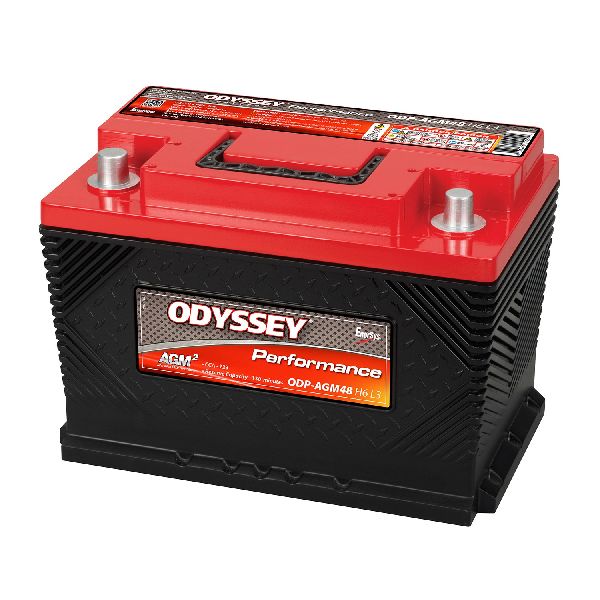
- AGM Battery
(OEM #e.g., 000915105DL (Varies by model))— This is the most frequent cause of P1603. The original battery may be at the end of its service life and unable to provide the stable voltage the ECM requires. Later models with start-stop systems require an AGM type.
Trusted brands: Varta (OEM supplier), Bosch, Interstate, DieHard
OEM price range: $250-$400
Aftermarket price range: $150-$250 - Alternator
(OEM #e.g., 06F903023F (Varies by engine))— If the alternator is failing, it cannot properly charge the battery or power the car's electronics, leading to voltage-related fault codes.
Trusted brands: Bosch (OEM supplier), Valeo (OEM supplier), Denso
OEM price range: $500-$800
Aftermarket price range: $250-$500 - Engine Control Module (ECM)
(OEM #e.g., 06J906026AB (Varies significantly by year/engine))— This is the last resort. If all power systems are verified as perfect and the code persists, the ECM itself has likely failed and needs to be replaced and programmed.
Related Codes That Often Appear With This One
- P1602 — P1602 means 'Power Supply (B+) Terminal 30: Voltage Too Low'. Seeing this code alongside P1603 is a very strong indicator that a weak battery or charging system problem is the root cause.
- P0562 — P0562 means 'System Voltage Low'. Like P1602, its presence is a major clue that the P1603 code was triggered by an electrical power supply issue, not an internal ECM failure.
Technical Service Bulletins (TSBs) & Recalls
- 01-05-02 (also listed as V010502): Warns technicians not to automatically replace the ECM for DTC P1603 (18011). It mandates checking battery voltage, performing a load test, and documenting the results before considering ECM replacement. It also provides a 5-cycle engine start/stop procedure to see if the code returns after clearing.
Mechanic-Grade Diagnostic Values
- Battery Voltage (Resting) — expected: >12.4V. Failure: A reading below 12.4V indicates a discharged or failing battery. TSB 01-05-02 requires a professional load test to confirm.
- Alternator Output Voltage (Engine Running) — expected: 13.7V - 14.7V. Failure: Voltage below 13.7V or above 14.7V, or fluctuating wildly, indicates a faulty alternator or voltage regulator.
- ECM Power Supply Relay (J271) Socket 30 to Ground — expected: Battery Voltage. Failure: No voltage indicates an open circuit or blown fuse between the battery and the relay socket.
- ECM Power Supply Relay (J271) Socket 86 to Ground (while cranking) — expected: Ground Signal (Test lamp ON). Failure: If the test lamp does not light up, the ECM is not sending the ground signal to activate the relay, pointing to a wiring or ECM issue.
- ECM Power Supply Relay (J271) Socket 85 to ECM Connector (e.g., T94 Pin 69) — expected: < 1.5 Ohms. Failure: Resistance higher than 1.5 Ohms indicates a problem in the wiring between the relay and the ECM.
Scan Tool Commands That Help
- VCDS (VAG-COM): Engine -> Measuring Blocks — Use this to monitor live data. Group 001, Display Field 4 often shows the ECM voltage supply. This is critical for diagnosing intermittent voltage drops that could trigger P1603. You can observe this value while wiggling harnesses or relays to find intermittent faults.
- VCDS (VAG-COM) or similar: Battery Coding/Adaptation — After replacing the battery on models with a Battery Management System (BMS), typically those with start-stop functionality. The new battery's specifications (type, capacity, serial number) must be entered to ensure the charging system works correctly and to prevent premature battery failure.
Wiring & Ground Locations
- Main Engine/Transmission Ground Strap — Typically runs from the chassis frame rail near the battery to a bolt on the transmission case or engine block.. This is a primary ground path for the entire powertrain. Corrosion or looseness here can cause a voltage differential between the engine and chassis, leading to unstable power for the ECM and triggering P1603.
- Chassis Ground Point under Battery Tray — On Mk5/Mk6 platforms, there is a critical grounding stud on the frame rail located directly underneath the battery and battery tray.. This is the main return path for the battery's negative current. It is highly susceptible to corrosion from battery fumes or leaks. A poor connection here is a very common cause of widespread electrical issues, including P1603.
- ECM Power Supply Relay (J271) — Located in the under-hood electronics box (E-Box), usually near the battery and firewall. It is often a relay marked '100', '458', or '644'.. This relay directly powers the Engine Control Module. A faulty relay or corroded socket will starve the ECM of voltage, directly causing a P1603 code.
- Plenum Chamber Ground Points — Located in the plenum area under the plastic cowl cover at the base of the windshield. There are often several ground studs here.. The ECM and other critical sensors are often grounded at these points. Water ingress into the plenum can cause severe corrosion here, leading to intermittent and hard-to-diagnose electrical faults.
Real Owner Repair Stories
- AudiSRS.com forum user (Audi S4 (similar VAG electronics)) — Engine randomly shuts off while driving, then won't restart. P1603 code is stored. ECU was sent for testing and found to be OK.
❌ Tried (didn't work) Sending ECU for bench testing (it passed), Clearing codes (car would start, drive briefly, then stall again)
✅ What actually fixed it The user was advised to check the main ground strap from the chassis leg to the engine. This is a common failure point that causes intermittent power loss to the engine electronics under load or vibration, perfectly mimicking the symptoms of a failing ECU. - MHH Auto forum user (VW Golf 5 1.6 FSI) — Engine stalls repeatedly, especially when cold. Only codes are P1603 and 00668 (Vehicle Voltage Terminal 30).
❌ Tried (didn't work) Confirmed battery was new and alternator output was a healthy 14.3V.
✅ What actually fixed it The final fix was not posted by the original user, but another technician advised the first step should be to meticulously check all power lines, fuses, and relays going to the ECU. This highlights that even with a good battery and alternator, a fault in the wiring or a relay between them and the ECU can be the root cause.
OEM Part Supersession History
Relay '100'→Relay '644' (e.g., 4H0951253)— The original '100' relay used for various functions, including the Secondary Air Injection pump, was updated to a more robust '644' green relay.
Heads up: While not directly for the ECM power supply in all cases, this shows a history of VW updating these common relays. If you have a faulty relay marked '100' (J271), it is wise to replace it with the latest equivalent part number from a dealer to ensure you have the most reliable version.
Model Year Variations Within This Range
- 2004-2008.5: Early Mk5 GTIs used the EA113 FSI engine, which had a belt-driven camshaft and a flat-tappet cam follower for the high-pressure fuel pump that is a known wear item. These are generally considered less reliable than the later TSI engines.
- 2008.5-2013: Later Mk5s and all Mk6s used the EA888 TSI engine, which features a timing chain instead of a belt and a roller-follower for the HPFP, resolving a major weak point of the FSI. However, early TSI engines had issues with timing chain tensioner failure. While these engine differences are significant for overall reliability, they do not change the diagnostic approach for a P1603 code, which remains primarily electrical.
- Approx. 2012+: Models equipped with Start-Stop systems require an AGM or EFB battery and have a Battery Management System (BMS). When replacing the battery on these vehicles, it must be 'coded' or 'adapted' to the vehicle using a diagnostic tool like VCDS to inform the BMS of the new battery's specifications. Failure to do so can lead to improper charging and premature battery failure, which can cause a P1603 code to return.
Diagnostic Flowchart
Other Known Issues on This Vehicle
Issues unrelated to this code that are worth knowing about as an owner of this generation:
- Timing Chain Tensioner Failure (TSI Engines) 🔴 High — Common on EA888 Gen 1/2 engines (approx. 2008-2013). Failure can occur without warning, often between 60,000 and 120,000 miles. A rattling noise on cold start is a key warning sign. (Ref: VW TSB 15-12-01 addresses the inspection and replacement procedure for affected models.)
- DSG Mechatronic Unit Failure 🔴 High — Affects vehicles with DSG transmissions, particularly the 6-speed wet-clutch (DQ250) and 7-speed dry-clutch (DQ200). Symptoms include jerky shifting, flashing 'PRNDS' indicator, and loss of drive. Failures can occur at various mileages, often exacerbated by missed fluid service intervals. (Ref: Multiple recalls and warranty extensions have been issued in various markets. For example, a recall was issued for models between 2008-2014 for faulty mechatronics units.)
- Cam Follower Wear (2.0T FSI Engines) 🔴 High — A critical wear item on the EA113 FSI engine (found in Mk5 GTI, approx. 2006-2008.5). The follower can wear through, causing damage to the High-Pressure Fuel Pump (HPFP) and intake camshaft. Many owners preemptively inspect or replace it every 20,000-30,000 miles. (Ref: VW TSB 2015153 / 15-11-03 details the inspection criteria and procedure for replacing the camshaft if the follower has worn through.)
- Water Pump / Thermostat Housing Leak (TSI/TDI) 🟠 Medium — Common across many engines in this range, especially the Mk7 EA888 Gen 3. The plastic housing is prone to cracking or seal failure, causing coolant leaks. Failure typically occurs between 40,000 and 100,000 miles.
- Carbon Buildup on Intake Valves (Direct Injection Engines) 🟠 Medium — Affects all direct-injection engines (FSI/TSI). Over time, carbon deposits build up on the back of intake valves, leading to misfires, rough idle, and loss of performance. Typically requires cleaning every 60,000-100,000 miles.
Used vs. New Parts: Buying Guide for This Vehicle
When a used part is the smart pick: For this repair, a used alternator from a reputable, low-mileage donor vehicle is a reasonable cost-saving measure. Other related parts like relays and fuse boxes are also good candidates for used purchase.
Donor-vehicle mileage cap: roughly under 80000 miles for the part to have meaningful remaining life.
What to inspect on the donor part:
- For an alternator, check for smooth bearing rotation with no noise or roughness.
- Inspect the pulley for damage and ensure the electrical connector pins are clean and uncorroded.
- For any used part, look for a vehicle that was clearly well-maintained and not involved in a major front-end collision.
OEM-only on this vehicle (don't cheap out):
- Engine Control Module (ECM): While a used ECM is physically obtainable, it is electronically locked to the original vehicle's immobilizer system ('Component Protection'). It cannot be simply swapped. It requires specialized tools and knowledge to 'virginize' and adapt it to a new vehicle, a service that can be complex and costly. For most DIY and many professional repairs, a new or professionally refurbished and programmed ECM is the only viable path.
Aftermarket brands forum-validated for this vehicle:
- Battery: Varta (often the OEM supplier), Bosch, Interstate
- Alternator: Bosch, Valeo (both are often OEM suppliers), Denso
Brands owners have reported issues with on this vehicle:
- Avoid unbranded, 'white-box' electrical parts like alternators and especially ECMs from online marketplaces. The failure rate is high, and the complexity of an ECM makes a cheap aftermarket unit a significant risk.
Related OBD-II Codes
Frequently Asked Questions
My mechanic wants to replace the ECM for code P1603 on my Golf. What does VW's official TSB say about this?
What specific value should I look for in the freeze frame data for a P1603 code on my VW Golf?
Where are the most important ground straps to check for a P1603 code on a Mk5 or Mk6 Golf?
My Golf has a start-stop feature. Can I use a standard battery to fix a P1603 code?
How can I be certain my Golf's ECM is faulty before paying for a replacement?
My friend's 2007 Audi A3 has a P1603 code. Is the diagnosis the same as for my Golf?
Used OEM Parts in Stock
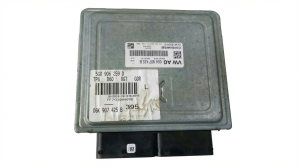
New Aftermarket Parts Available



The information in this article is provided for general reference and educational purposes only. Vehicle specifications, procedures, and part compatibility can vary by production date, trim level, and region. Always consult your vehicle's factory service manual and verify part numbers before purchasing or performing repairs. Safety-critical components such as airbags, seat belts, and braking systems should be installed by a qualified professional.
- Volkswagen Golf:
- 🧭 Diagnostic Flowchart
- 🛍️ Shop This Part
- What's Unique About the 2004-2015 Volkswagen Golf
- Symptoms You May Notice
- Most Likely Causes
- Rare But Worth Checking
- Diagnosis Steps
- Parts You'll Likely Need
- Related Codes That Often Appear With This One
- Technical Service Bulletins (TSBs) & Recalls
- Mechanic-Grade Diagnostic Values
- Scan Tool Commands That Help
- Wiring & Ground Locations
- Real Owner Repair Stories
- OEM Part Supersession History
- Model Year Variations Within This Range
- Other Known Issues on This Vehicle
- Used vs. New Parts: Buying Guide for This Vehicle
- Related OBD-II Codes
- Frequently Asked Questions
- 🎟️ Get 5% Off