

P1603 on 2004-2015 Volkswagen Passat: Internal ECM Malfunction Causes and Fixes
P1603 on a VW Passat almost always means the Engine Control Module (ECM) has an internal fault and has failed its self-test. The most common fix is replacing the ECM, which requires professional programming. Before condemning the ECM, always check the battery, charging system, and for water damage in the plenum area (especially on B6 models), as low voltage or corrosion are common triggers.
- P1603 on a Passat indicates a fault within the Engine Control Module (ECM), often from an internal self-test failure.
- Before replacing the expensive ECM, you MUST test the battery and alternator. A low voltage condition is a known cause for this code per VW TSB 01-05-02.
- For B6 Passats (2005.5-2010), the most likely cause is water damage from clogged plenum drains under the battery. Inspect this area before replacing any parts.
- This is not a DIY-friendly repair. A replacement ECM must be professionally programmed or cloned to the car's immobilizer.
- Do not drive the vehicle. The risk of the engine stalling unexpectedly is high and poses a serious safety hazard.
What's Unique About the 2004-2015 Volkswagen Passat
On many Volkswagen models, including the Passat, the P1603 code is a strong indicator of a failed ECM. However, VW issued a Technical Service Bulletin (TSB 01-05-02) warning technicians not to immediately replace the ECM without first ruling out a low voltage condition from a weak battery or failing alternator. A significant voltage drop can corrupt the ECM's memory and trigger this code. Furthermore, the Passat B6 (2005.5-2010) is highly prone to clogged plenum drains under the windshield cowl, which causes rainwater to flood the compartment housing the ECM, leading to corrosion and failure. This makes a thorough electrical system and water ingress check mandatory first steps.
Generation note: This range covers the Passat B6 (2005.5-2010) and B7 (2012-2015) generations. The code's meaning is consistent, but the physical causes can differ. The B6 is notoriously prone to ECU water damage from clogged plenum drains under the battery tray. The B7 has a revised cowl design, making this less common. Specific ECM part numbers also differ significantly between generations and engine types.
Symptoms You May Notice
- Check Engine Light (MIL) is illuminated.
- Engine is difficult or impossible to start.
- Engine stalls unexpectedly while driving or at idle.
- Vehicle enters 'limp mode' with significantly reduced engine power.
- Rough or unstable idling.
- In some cases, a scan tool cannot communicate with the ECM.
- Multiple other unrelated fault codes may appear simultaneously.
- Replacing the ECM without first performing a thorough test of the battery and charging system. The official VW TSB explicitly warns against this.
- On a B6 Passat, replacing the ECM without first checking for and clearing clogged plenum drains. The new ECU will likely suffer the same water damage if the root cause is not addressed.
Most Likely Causes
- Faulty Engine Control Module (ECM) 🔴 High Probability → Shop Engine Control Module (ECM) Internal components fail from heat and vibration, but on the B6 Passat, the primary cause is often water damage. The ECM is located in the plenum chamber, and when cowl drains clog with leaves, the chamber fills with water, submerging the ECU and its connectors, causing corrosion and internal shorts.
How to confirm: After confirming all power, ground, and data lines are good, and ruling out low voltage, the module is condemned. Visual inspection of the ECM and its connectors for green or white corrosion is a key indicator, especially on B6 models.
Typical fix: The ECM must be replaced with a new or refurbished unit and programmed to the vehicle. Alternatively, ECU cloning services can transfer immobilizer data to a donor unit. 🎬 Watch: How to clone a VW ECM using a scanner
Est. part cost: $800-$2500 - Low Battery Voltage or Failing Alternator 🟡 Medium Probability → Shop Alternator As highlighted in VW TSB 01-05-02, insufficient voltage during startup or operation can corrupt the ECM's Keep Alive Memory (KAM), triggering a P1603 code. This is a built-in protective measure that can be mistaken for a faulty ECU.
How to confirm: Test the battery with a digital multimeter (should be 12.4-12.8V with engine off) and a load tester. Check the alternator output with the engine running (should be 13.7-14.7V). The test must be thorough.
Typical fix: Replace the weak battery or faulty alternator.
Est. part cost: $150-$600 - Poor Power or Ground Connections to ECM ⚪ Low Probability Corrosion on the ECM connectors (often due to water ingress on B6 models) or at main chassis ground points can create intermittent voltage drops, mimicking a failing ECM. The main power relay (J271) can also fail or have corroded contacts.
How to confirm: Visually inspect the ECM connectors for corrosion. Perform a voltage drop test on the main power and ground wires leading to the ECM. Check the power relay and its socket for corrosion or burn marks.
Typical fix: Clean or repair the corroded connectors and ground points. Replace the main power relay if faulty. Applying dielectric grease can prevent future corrosion.
Est. part cost: $20-$100
Rare But Worth Checking
- Corrupted Software from Failed Aftermarket Tune: If an attempt was made to 'flash' or 'chip tune' the vehicle and the process failed, it can corrupt the ECM's software and set this code. The fix is to attempt to re-flash the original factory software or replace the ECM.
- Faulty ECM Power Relay (J271): A failing or corroded main power relay for the ECU can cause intermittent power loss to the module, which can trigger a P1603 code and mimic the symptoms of a dead ECU. This is a much cheaper part to replace and should be inspected before condemning the ECU.
Diagnosis Steps
- Read all fault codes from all vehicle modules with a capable scanner.
- If P0562 is present, address the low voltage issue first.
- Thoroughly test the battery's state of charge and health using a load tester. A battery voltage check should show 12.4V or higher with the engine off.
- With the engine running, test the alternator's output voltage. It should be stable and within the 13.7-14.7V range.
- On B6 models, inspect the plenum chamber under the battery for standing water. If water is present, clear the drain plugs and thoroughly dry the area.
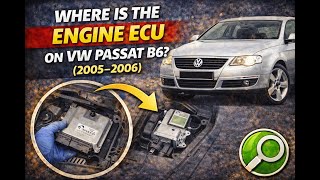
- Locate the ECM and carefully inspect 🎬 See this guide to find the ECU on B6 models its electrical connectors for any signs of water intrusion, corrosion (green/white powder), or pushed-out pins.
- Inspect the ECM power relay (J271) and its connections for corrosion or damage.
- If all electrical inputs and wiring are confirmed to be good, follow the TSB procedure: clear the P1603 code.
- Perform a throttle body adaptation using a compatible scan tool.
- Start and stop the engine 5 times. Re-check for codes.
- If the P1603 code returns immediately, the ECM is highly likely to be faulty and requires replacement.
Parts You'll Likely Need
- Engine Control Module (ECM)
(OEM #Varies greatly. Examples: 06F906056P (B6 2.0T), 03C907309D (B7 1.8TSI), 03L906018PK (B7 TDI). Always verify by VIN.)— This is the most common cause of P1603 when all external electrical and water ingress factors have been ruled out.
Trusted brands: Bosch, Genuine VW
OEM price range: $1200-$2500
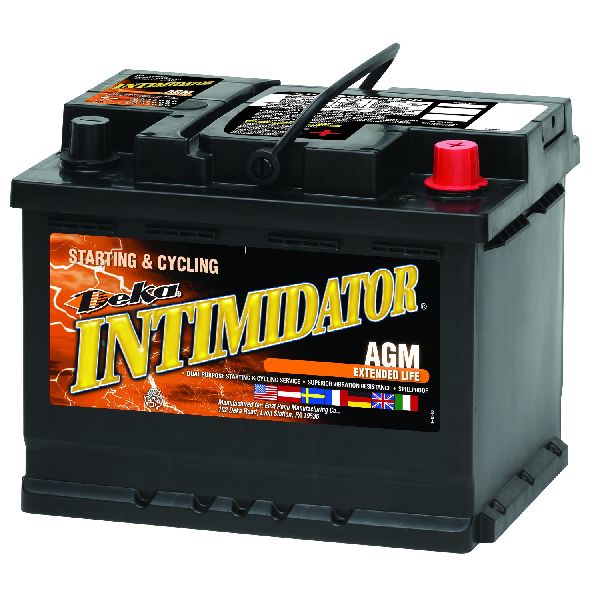
Aftermarket price range: $400-$800 (Remanufactured/Cloned) - Battery — A weak battery is a common trigger for this code and should be the first part tested and replaced if found faulty.
Trusted brands: Varta, Bosch, Interstate
OEM price range: $250-$400
Aftermarket price range: $150-$250
Related Codes That Often Appear With This One
- P0562 — This code means 'System Voltage Low'. If seen with P1603, it is a very strong indicator that the ECM fault was triggered by an electrical supply problem, not an internal ECM failure.
- P0606 — This code means 'PCM Processor Fault'. Seeing this alongside P1603 is a near-certain confirmation that the ECM has a severe internal failure and must be replaced.
Technical Service Bulletins (TSBs) & Recalls
- VW TSB 01-05-02 (also listed as V010502): Warns against automatically replacing the ECM for DTC P1603 (18011). It mandates first verifying the battery and charging system are OK, then clearing the code, performing a throttle adaptation, and cycling the ignition 5 times to see if the fault returns.
Platform-Specific Known Issues
- B6 Passat (2005.5-2010) ECU Water Damage: 🎬 Watch: How to prevent water from damaging your ECU The design of the cowl panel allows leaves and debris to clog two critical drain holes located under the battery and brake servo. Rainwater then fills the plenum chamber like a bathtub, submerging the ECU and its wiring harness. This is a very common failure mode leading to P1603 and other electrical gremlins. The fix requires removing the battery and tray to access and clear the drains, and often replacing a water-damaged ECU.
Mechanic-Grade Diagnostic Values
- ECM Power Supply Relay (J271) Socket Pin 30 to Ground — expected: Battery Voltage. Failure: Voltage is significantly below battery voltage, indicating a problem with the power supply wire to the relay.
- ECM Power Supply Relay (J271) Socket Pin 85 to Ground (Ignition ON) — expected: Battery Voltage. Failure: No voltage indicates a fault in the ignition switch signal circuit or its fuse.
- ECM Power Supply Relay (J271) Socket Pin 86 to ECM Connector (e.g., T94/69) Resistance — expected: Max 1.5 - 2.0 Ohms. Failure: Higher resistance or an open circuit (OL) points to a break in the ground signal wire from the ECM that activates the relay.
- Live ECM Supply Voltage via VCDS Measuring Blocks — expected: Stable Battery/System Voltage (e.g., ~12.4V KOEO, ~14.0V Engine Running). Failure: Voltage reads 0.0V or drops out intermittently, especially when wiggling the J271 relay or its wiring harness.
Scan Tool Commands That Help
- VCDS (VAG-COM): Measuring Blocks, Group 004, Field 2 (Supply Voltage) — To monitor the ECM's supply voltage in real-time. This is critical for diagnosing intermittent power loss from a faulty relay or wiring, which can trigger P1603. A reading of 0.0V in the fault's freeze frame data is a major clue.
- ODIS (Dealer Tool): Guided Functions -> Engine Control Module -> Replace Control Module — This is the required procedure when installing a new or used ECM. The function guides the technician through connecting to VW's servers to download the correct software, code the module to the car's options, and adapt it to the immobilizer system.
- ODIS (Dealer Tool): Guided Fault Finding (GFF) — This is the standard dealer diagnostic process. For P1603, it will likely follow the steps outlined in TSB 01-05-02, such as checking power, clearing codes, and performing ignition cycles before condemning the ECM.
Wiring & Ground Locations
- ECM Power Relay J271 — Typically located in the engine compartment E-box (plenum chamber), near the ECM itself. May be marked with number 428 or 458.. This relay provides the main power to the ECM. A faulty relay, corroded socket, or loose terminals can cause intermittent power loss to the ECM, directly triggering a P1603 fault.
- Ground Point 15 — On the cylinder head.. This is a primary engine ground. A loose or corroded connection here can cause unstable voltage reference for the ECM and various sensors.
- Ground Point 652 — Main transmission/engine ground strap.. This is the main ground path from the engine/transmission assembly to the chassis. A poor connection here can cause a wide range of electrical issues, including no-start conditions and voltage problems that could trigger P1603.
- Ground Point 645 — Ground Connection 1 on the firewall/bulkhead.. This is a key chassis ground point in the engine bay, often used as a grounding point for various control modules and harnesses. Corrosion here is common.
- Ground Point 42 — Located inside the vehicle, next to the steering column.. An important interior ground point. While less likely to cause P1603 than engine bay grounds, a fault here can affect modules that communicate with the ECM.
Real Owner Repair Stories
- Ross-Tech Employee on forums.ross-tech.com (2006 Audi A3 with BPY engine (shared with Passat B6 2.0T)) — Vehicle would stumble, lose power, stall, and then fail to restart. Flashing check engine light.
❌ Tried (didn't work) The owner had already replaced the ECM power relay (J271, marked '458') and another relay (J757, marked '167') with genuine parts, but the problem persisted.
✅ What actually fixed it The technician diagnosed the issue using VCDS. The freeze frame data for code P1603 showed a supply voltage of 0.00V. While monitoring the ECM voltage in Measuring Blocks (Group 004), the tech 'wiggle tested' the J271 relay and saw the voltage return to normal. The relay socket terminals were loose and not making good contact, causing intermittent power loss under load. The fix was to address the loose terminals in the fuse box, not replace the relay or ECM. - User on AudiSRS.com forum (Audi S4) — Engine shuts off while driving, then won't restart. P1603 code is present.
❌ Tried (didn't work) Sent the ECU to a specialist for bench testing, who reported that the ECU was fine.
✅ What actually fixed it The thread resolution was not definitively posted, but the high-value discussion pointed out that bench testing an ECU is not the same as load testing it on the car. The consensus from experienced users was that despite the specialist's report, the P1603 code ('checksum test failed') is an internal ECU fault and the next logical step was to test with a known-good (borrowed) ECU, after verifying all power and ground connections to the ECU under load.
Model Year Variations Within This Range
- 2005.5-2010 (B6): The B6 generation is infamous for its plenum drain design flaw, leading to the ECU being submerged in rainwater. This is the most common cause of P1603 on this specific chassis. The B7 (2012-2015) has a revised cowl and drain design, making this failure mode much less frequent.
- 2012+: Some later model ECUs, such as the Bosch MED17/EDC17 series, cannot be 'cloned' using traditional bench tools due to advanced security (Tricore Anti-Tuning Protection). If one of these ECUs fails, replacement requires online programming with a dealer tool like ODIS to adapt the immobilizer. Simple cloning is not an option.
Diagnostic Flowchart
Other Known Issues on This Vehicle
Issues unrelated to this code that are worth knowing about as an owner of this generation:
- 2.0T FSI (BPY Engine) HPFP Cam Follower Wear 🔴 High → Shop Fuel Pump — Extremely common on 2006-2008.5 models. Failure can occur as early as 20,000-30,000 miles. Considered a maintenance item. (Ref: VW issued an extended warranty and TSB 2015153 / 15-11-03 regarding inspection and replacement.)
- 2.0T TSI Engine Timing Chain Tensioner Failure 🔴 High — Common on 2008.5+ models, typically between 60,000 and 100,000 miles. Failure is catastrophic, causing engine damage. (Ref: Subject of multiple class-action lawsuits which resulted in an extended warranty program for affected vehicles.)
- DSG Mechatronic Unit Failure 🟠 Medium — Affects models with DSG transmissions (both 6-speed DQ250 and 7-speed DQ200). Symptoms like harsh shifting or loss of gears can appear from 80,000 miles. (Ref: Several service campaigns and software updates have been issued over the years to address shifting issues.)
- Clogged Plenum Drains Causing Water Ingress 🔴 High — Very common on the Passat B6 (2005.5-2010). Debris blocks drains under the battery, causing water to flood the plenum chamber, damaging the ECU and Comfort Control Module. (Ref: A known issue in the owner community, though no official recall. VW issued a TSB advising the removal of the drain grommets to improve flow.)
- Oil Consumption Issues (2.0T TSI Engines) 🟠 Medium — Affects certain 2.0T TSI engines which can consume excessive amounts of oil due to piston ring design. Often becomes noticeable after 50,000 miles. (Ref: This was the subject of a class-action lawsuit, leading to an extended warranty and a settlement for owners who incurred repair costs.)
Used vs. New Parts: Buying Guide for This Vehicle
When a used part is the smart pick: A used ECM is a very smart, cost-effective choice IF you have a clear plan for programming. It makes sense if a) you are using a mail-in 'cloning' service where they transfer data from your old ECU to the used one, or b) you have access to a specialized shop or dealer who has agreed to program a customer-supplied used part.
Donor-vehicle mileage cap: roughly under 150000 miles for the part to have meaningful remaining life.
What to inspect on the donor part:
- Match the OEM part number EXACTLY. Even a single letter difference can mean incompatibility.
- Source the part from a vehicle with the same engine and transmission.
- For B6 models, ask the seller if the donor car showed any signs of water damage in the plenum area.
- Buy from a reputable recycler that offers a warranty and return policy in case the unit is also faulty.
OEM-only on this vehicle (don't cheap out):
- Engine Control Module (ECM): While a used OEM part is fine, avoid no-name, brand-new aftermarket ECUs. Stick with Genuine VW, a remanufactured unit from a reputable rebuilder (like Bosch), or a used OEM unit.
Aftermarket brands forum-validated for this vehicle:
- For Remanufacturing/Cloning Services: Companies like FixECM, Bimmerscan, and DUDMD Tuning have positive online reviews for VW/Audi cloning services.
Brands owners have reported issues with on this vehicle:
- Unbranded, 'plug-and-play' ECUs sold on platforms like eBay or Amazon are highly suspect. ECUs for this vehicle are NOT plug-and-play and always require security programming.
Real Owner Stories
Aggregated from forums and TSBs cited above. Mileages and costs reflect what owners reported in those sources.
B6 Passat
Symptoms: The car had a P1603 code and other electrical gremlins after the plenum chamber under the battery flooded with rainwater due to clogged drains, submerging the ECU.
What fixed it: The fix required removing the battery and tray to access and clear the drain plugs, followed by replacing the water-damaged ECU.
Source hint: vehicle_specific_issues: B6 Passat (2005.5-2010) ECU Water Damage
VAG Platform Vehicle (e.g., Audi/VW)
Symptoms: The engine was randomly stalling and cutting out, and would sometimes not start. A P1603 code was stored.
What fixed it: The diagnosis pointed to a faulty ECU due to an internal checksum failure, requiring replacement of the module.
Source hint: AudiSRS.com: A user with a P1603 code experienced random engine stalling, corroborating the symptoms and the common diagnosis pointing to a faulty ECU.
B6 Passat
Symptoms: A P1603 code was present, and upon inspection, the Engine Control Unit (ECU) and its connectors showed visible signs of green and white corrosion.
What fixed it: The corroded ECU, damaged by water ingress from clogged plenum drains, had to be replaced.
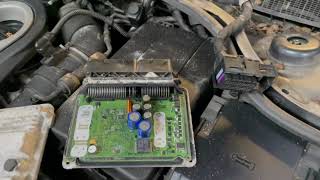
Source hint: YouTube - OGS Mechanics: A video titled 'Volkswagen Passat - how to avoid the water ingress ECU damages' visually demonstrates a corroded B6 Passat ECU pulled from a car with P1603
Related OBD-II Codes
Frequently Asked Questions
My mechanic says I need a new ECU for a P1603 code on my 2008 Passat. Is this always the case?
I found standing water in the area under my battery. Could this be related to my P1603 code?
What is the first thing I should check when I get a P1603 code?
If my ECM is bad due to water damage, what is the typical fix?
My car is showing P1603 and a bunch of other random codes. What does this mean?
What is the ECM power relay (J271) and how does it relate to P1603?
Helpful Videos
Used OEM Parts in Stock
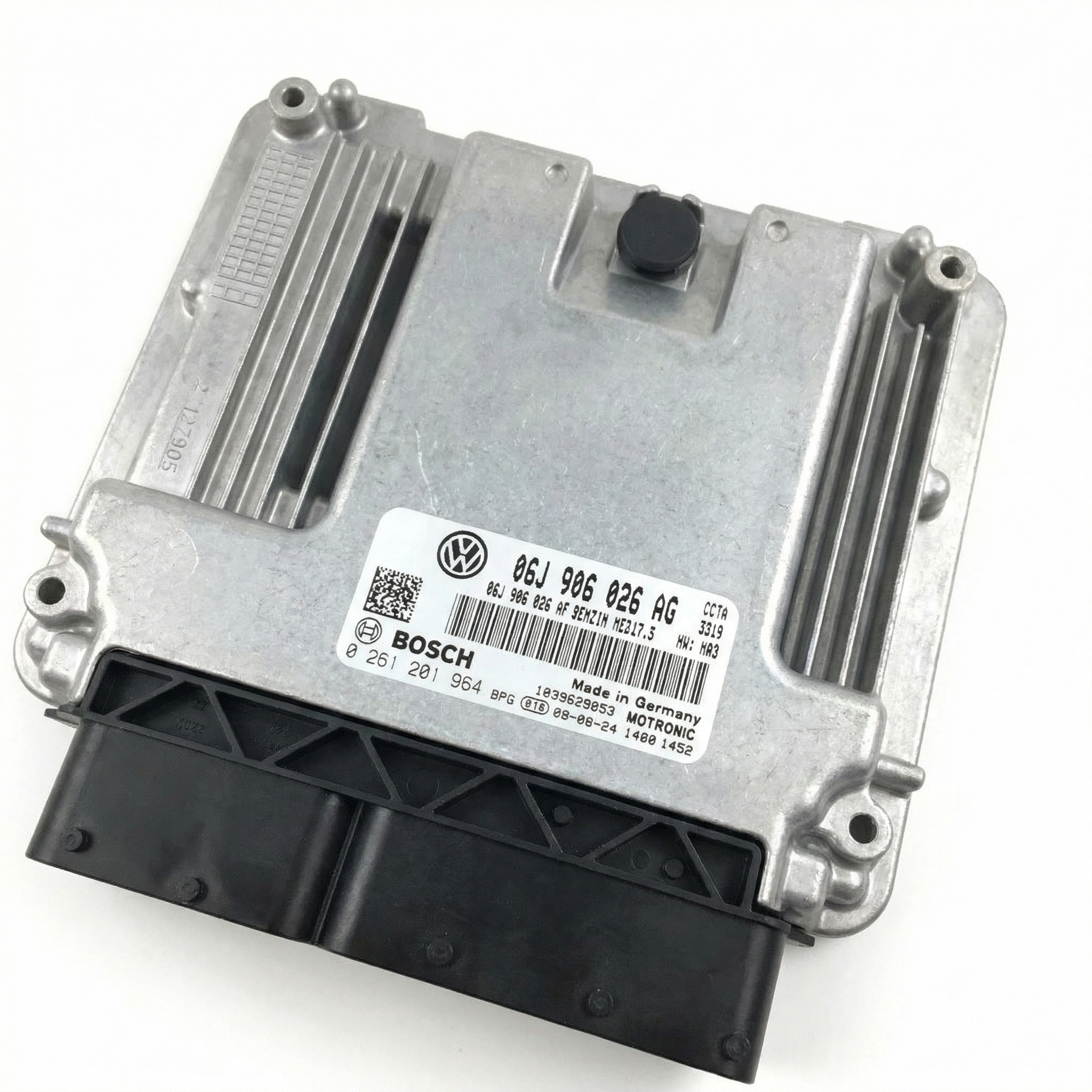
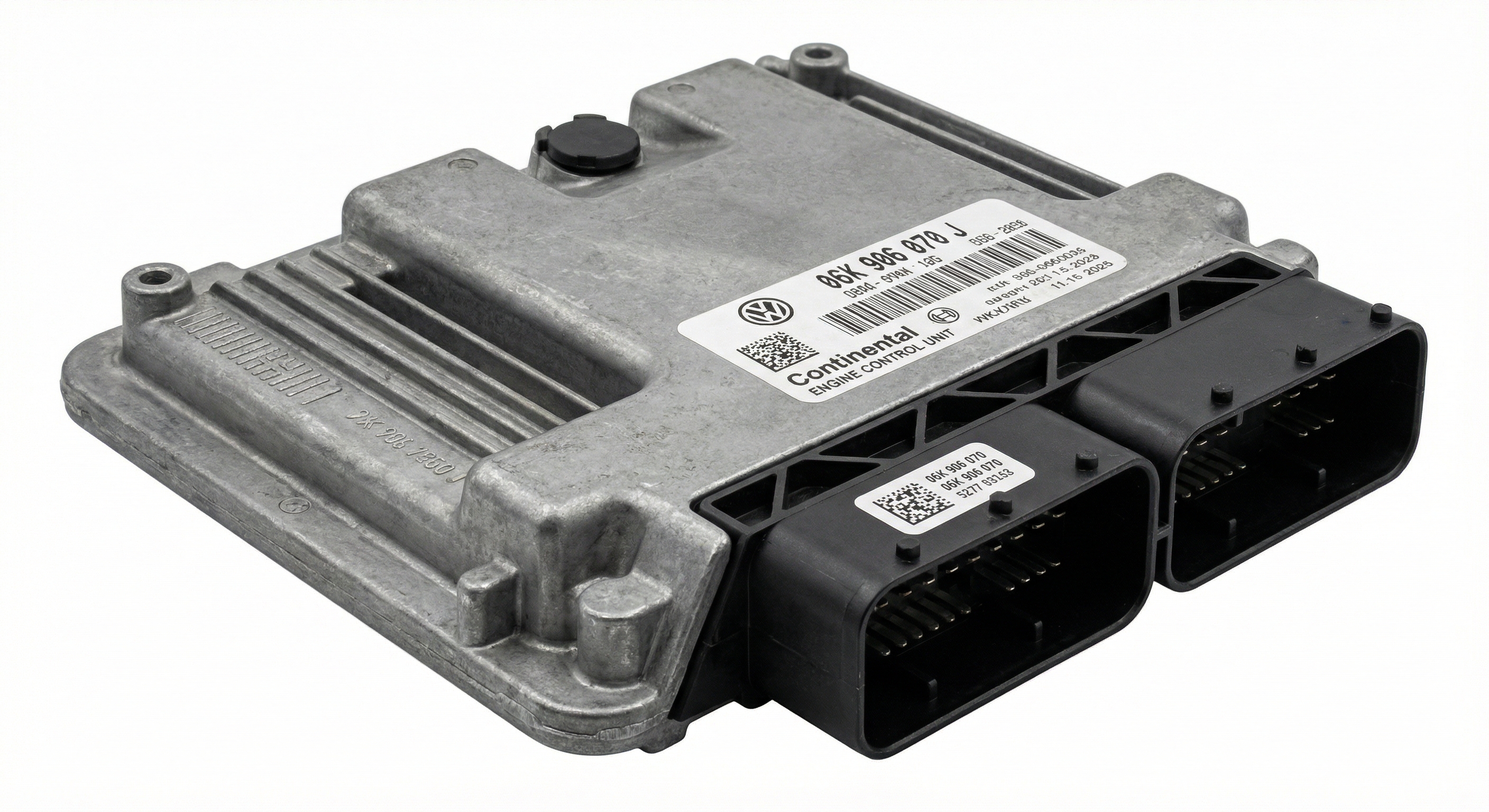
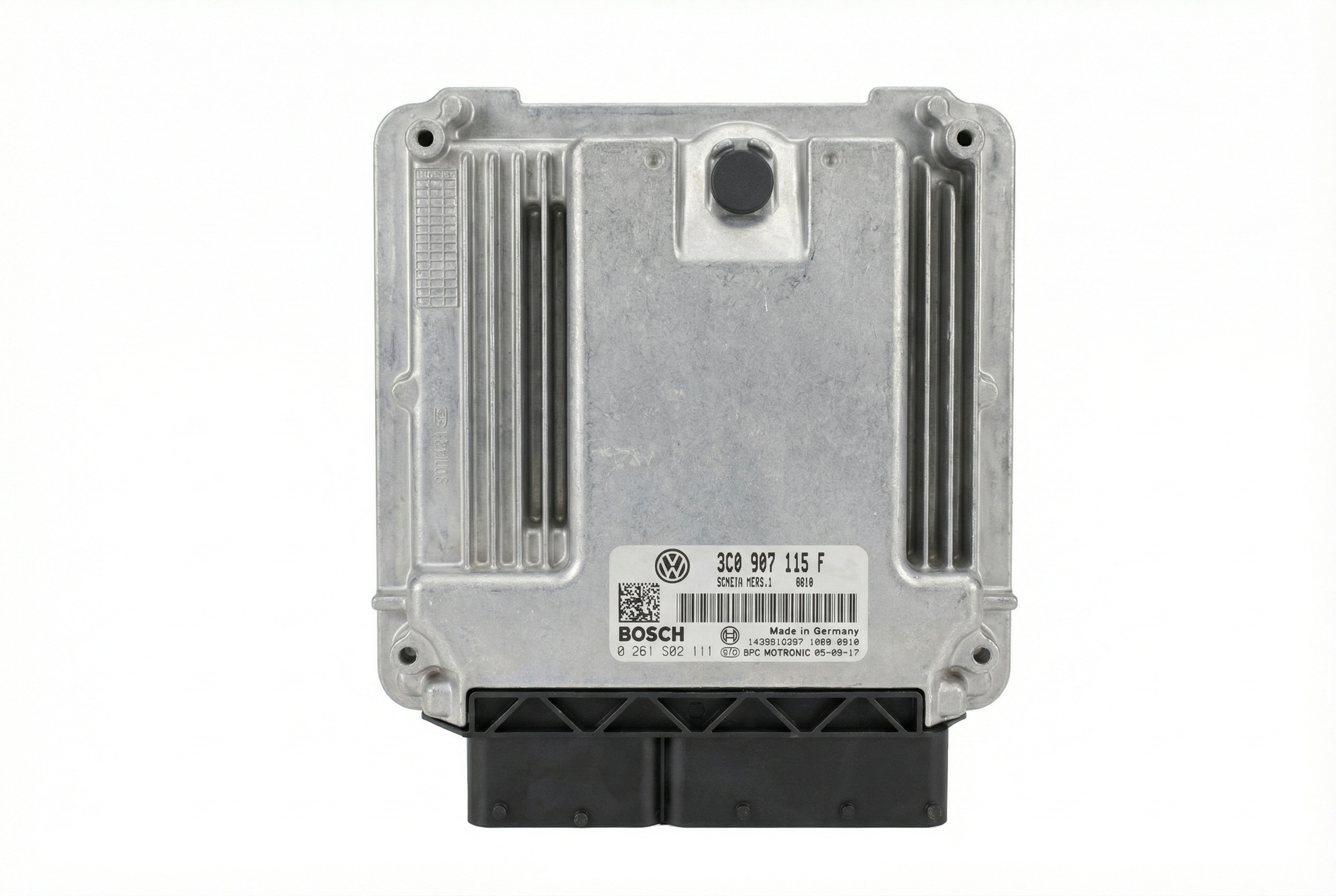
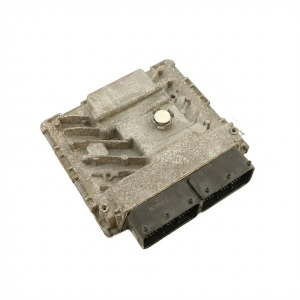
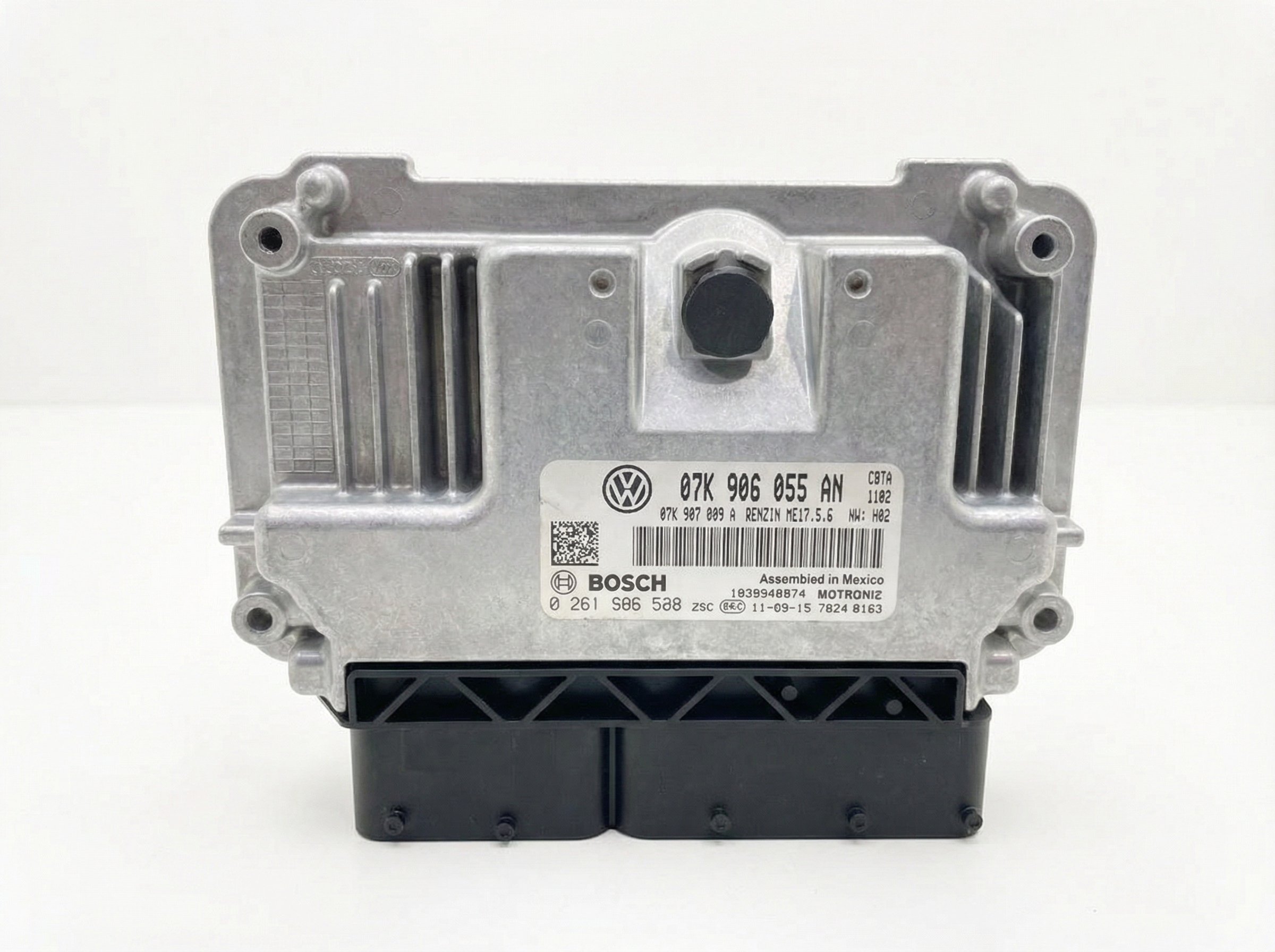
New Aftermarket Parts Available

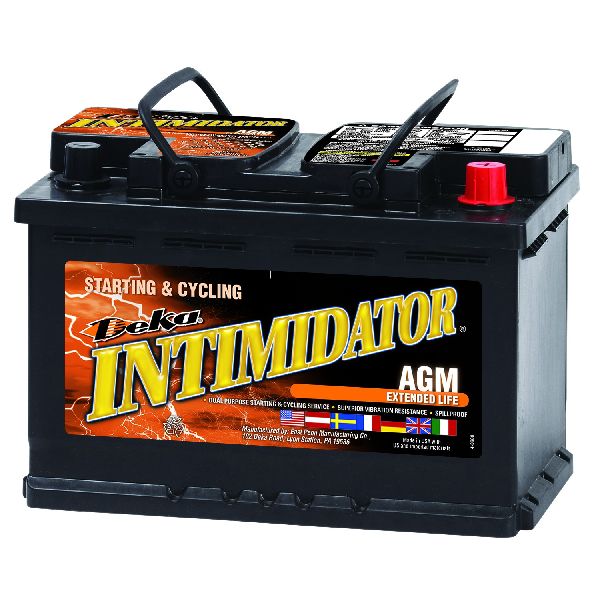

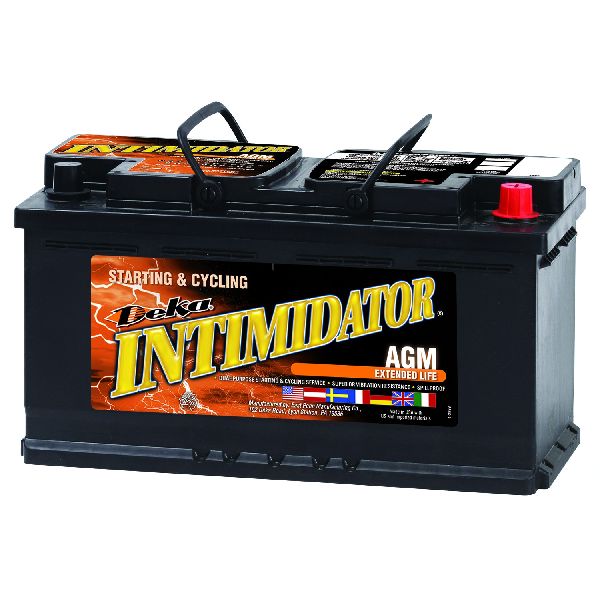

The information in this article is provided for general reference and educational purposes only. Vehicle specifications, procedures, and part compatibility can vary by production date, trim level, and region. Always consult your vehicle's factory service manual and verify part numbers before purchasing or performing repairs. Safety-critical components such as airbags, seat belts, and braking systems should be installed by a qualified professional.
- Volkswagen Passat:
- 🧭 Diagnostic Flowchart
- 🎬 Helpful Videos
- 🛍️ Shop This Part
- What's Unique About the 2004-2015 Volkswagen Passat
- Symptoms You May Notice
- Most Likely Causes
- Rare But Worth Checking
- Diagnosis Steps
- Parts You'll Likely Need
- Related Codes That Often Appear With This One
- Technical Service Bulletins (TSBs) & Recalls
- Platform-Specific Known Issues
- Mechanic-Grade Diagnostic Values
- Scan Tool Commands That Help
- Wiring & Ground Locations
- Real Owner Repair Stories
- Model Year Variations Within This Range
- Other Known Issues on This Vehicle
- Used vs. New Parts: Buying Guide for This Vehicle
- Real Owner Stories
- B6 Passat
- VAG Platform Vehicle (e.g., Audi/VW)
- B6 Passat
- Related OBD-II Codes
- Frequently Asked Questions
- 🎟️ Get 5% Off