

P1607 on 2011-2015 Kia Optima 2.4L: ECM-Throttle Communication Failure Causes & Fixes
On the 2011-2015 Kia Optima, P1607 means the engine computer has lost communication with the electronic throttle body. This will cause a severe lack of acceleration (limp mode). The most common fix is replacing the entire electronic throttle body assembly, which costs around $150-$250 for an aftermarket part or $350-$450 for OEM. This issue is also common on the platform-mate Hyundai Sonata with the same engine.
- P1607 on this Kia Optima is not a generic computer failure; it's a specific communication error with the electronic throttle body.
- The primary symptom is the car entering 'limp mode' with no power, which is a major safety concern.
- The most probable cause is a failed electronic throttle body assembly
What's Unique About the 2011-2015 Kia Optima
The Theta II 2.4L is a Gasoline Direct Injection (GDI) engine. Unlike older port-injected engines, fuel is sprayed directly into the cylinders and doesn't wash over the intake components. This design allows oil vapor and carbon from the PCV system to bake onto the throttle plate 🎬 Watch: How to clean carbon buildup from your throttle body. and intake valves, causing it to stick or move slowly. This constant extra strain on the throttle body's internal motor and electronics is a primary contributor to its premature failure, which then triggers the P1607 communication code.
Symptoms You May Notice
- Check Engine Light is on
- Vehicle has extremely limited or no acceleration (often called 'limp mode')
- Engine RPM may not increase when pressing the gas pedal
- Car may stall or have a rough, unstable idle
- Flashing Electronic Stability Control (ESC) light may also appear
- Replacing only the accelerator pedal position (APP) sensor. While the symptoms seem related to the gas pedal, P1607 specifically points to a communication problem with the throttle body, not the pedal sensor.
Most Likely Causes
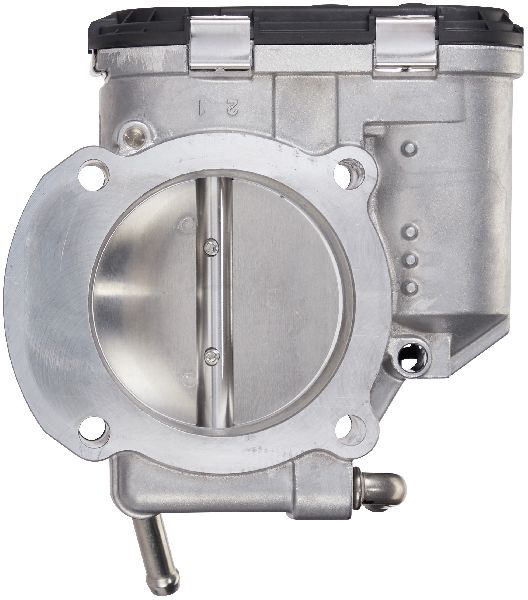
- Faulty Electronic Throttle Body (ETB) 🔴 High Probability → Shop Fuel Injection Throttle Body As a GDI engine, the Theta II is prone to carbon buildup which puts stress on the ETB's motor and electronics, leading to internal failure. Aftermarket manufacturers have even developed 'OE Fix' parts with improved seals to prevent the oil and moisture intrusion that fouls the internal electronics.
How to confirm: After confirming wiring is intact, a mechanic can use a scan tool to monitor the Throttle Position Sensor (TPS) voltage while pressing the accelerator. If the voltage doesn't change smoothly or is unresponsive, the ETB assembly has failed. A lack of buzzing or movement from the throttle plate with the key on, engine off, is another indicator.
Typical fix: Replace the entire electronic throttle body assembly and the corresponding gasket. 🎬 See this step-by-step guide for replacing the throttle body. The throttle position sensor is integrated and not serviced separately. After replacement, a throttle relearn procedure is recommended.
Est. part cost: $150-$450 - Damaged Wiring or Corroded Connector 🟡 Medium Probability The wiring harness in the engine bay is exposed to heat and vibration, which can cause wires to break or insulation to chafe over time. The main PCM relay in the fuse box can also become corroded, interrupting communication. A known chafe point exists on the harness near the throttle body.
How to confirm: Visually inspect the wiring harness and the electrical connector at the throttle body and the ECM for any signs of damage, corrosion on the pins, or loose connections. Check the PCM relay and fuse in the engine bay fuse box for corrosion or a blown fuse. Check for continuity on the communication wires with a multimeter if a wiring diagram is available.
Typical fix: Repair the damaged section of wire or clean the connector terminals. If the connector itself is damaged, it may need to be replaced with a pigtail. Replace a corroded relay or blown fuse.
Est. part cost: $10-$50 - Faulty Engine Control Module (ECM) ⚪ Low Probability → Shop Engine Control Module (ECM) While less common, ECM failure can occur. It's important to note that this vehicle generation had numerous recalls and software updates (like the KSDS update) related to engine issues, which involved reprogramming the ECM.
How to confirm: This should only be considered after the throttle body and all related wiring have been ruled out. An ECM failure is confirmed by a professional using advanced diagnostic tools to verify it cannot communicate with any devices on the network, or if it fails internal self-checks.
Typical fix: Replace and reprogram the Engine Control Module. This typically requires a dealership or specialized shop.
Est. part cost: $500-$1000
Diagnosis Steps
- Scan for other DTCs. Codes related to throttle actuator control (like P2118, P2119) strongly point towards the throttle body.
- Turn the ignition on (engine off) and have a helper slowly press the gas pedal. Listen for a humming or buzzing sound from the throttle body, and watch to see if the throttle plate moves. Lack of sound or movement suggests a problem.
- Inspect the electrical connector at the throttle body. Unplug it and check for corrosion, bent pins, or moisture. Ensure it clicks securely back into place.
- Visually inspect the wiring harness leading to the throttle body for any obvious signs of damage, chafing, or breaks, paying close attention to the area where the harness may rub near the throttle body itself.
- If possible, use a scan tool to observe the live data for the throttle position sensors (TPS1 and TPS2). The voltage should sweep smoothly and predictably as the pedal is pressed. Jumps, dropouts, or no change indicate a faulty throttle body.
- If wiring is good and scan tool data is bad, the electronic throttle body assembly is faulty and needs replacement.
- After replacement, perform a throttle body relearn procedure. This can sometimes be done manually by cycling the ignition or may require a scan tool. A common manual method involves turning the ignition to 'ON' (engine off) for 15 seconds, then 'OFF' for 5 seconds, and repeating this 5 times. Alternatively, simply letting the engine idle for 10-15 minutes may allow the ECU to self-adjust.
Parts You'll Likely Need
- Electronic Throttle Body Assembly
(OEM #35100-2G700)— This is the most common failure point for this code. The internal electronics fail, severing communication with the ECM. This part is shared across many Hyundai and Kia models.
Trusted brands: Kia/Hyundai (OEM), Bosch, Dorman OE Fix
OEM price range: $350-$450
Aftermarket price range: $150-$250 - Throttle Body Gasket
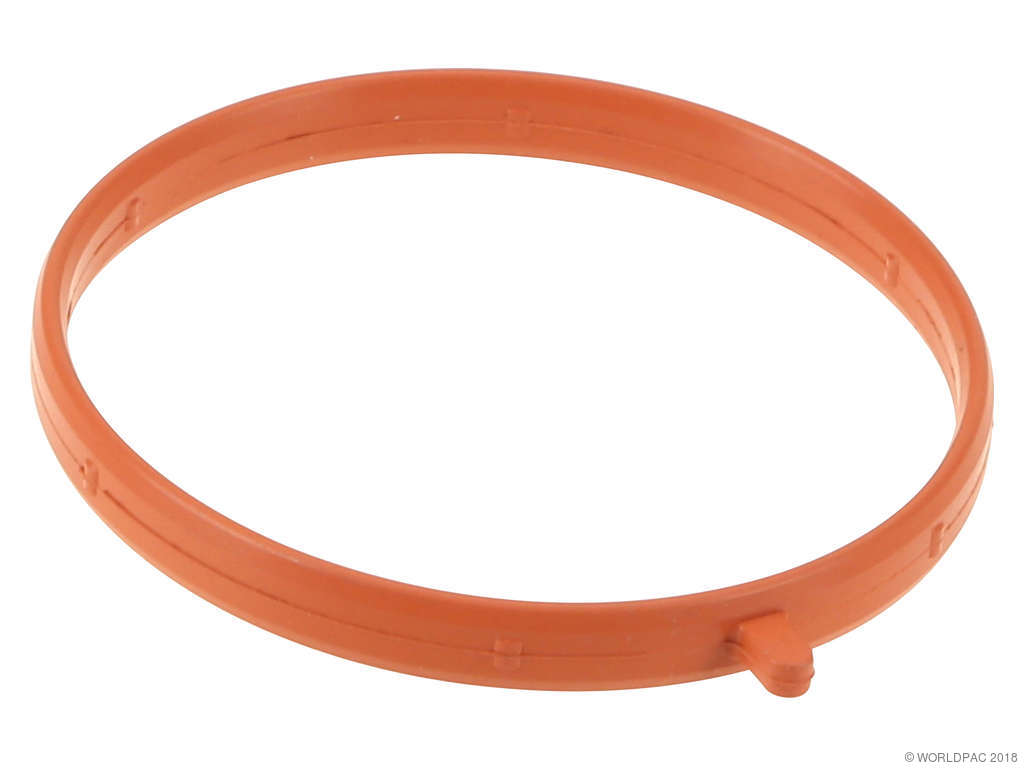
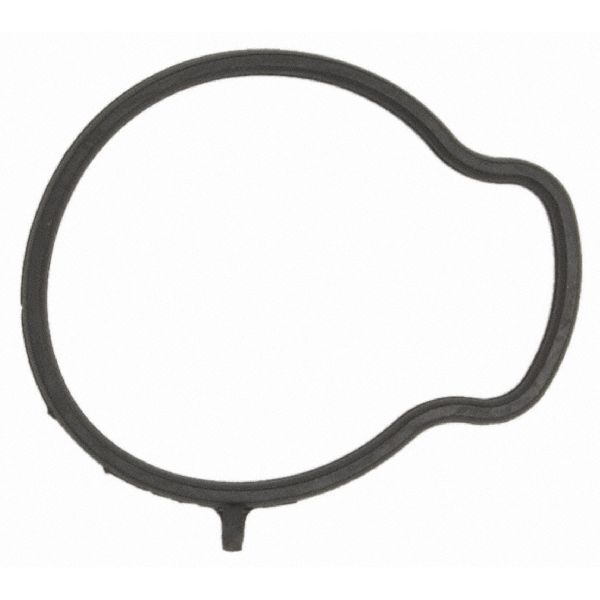
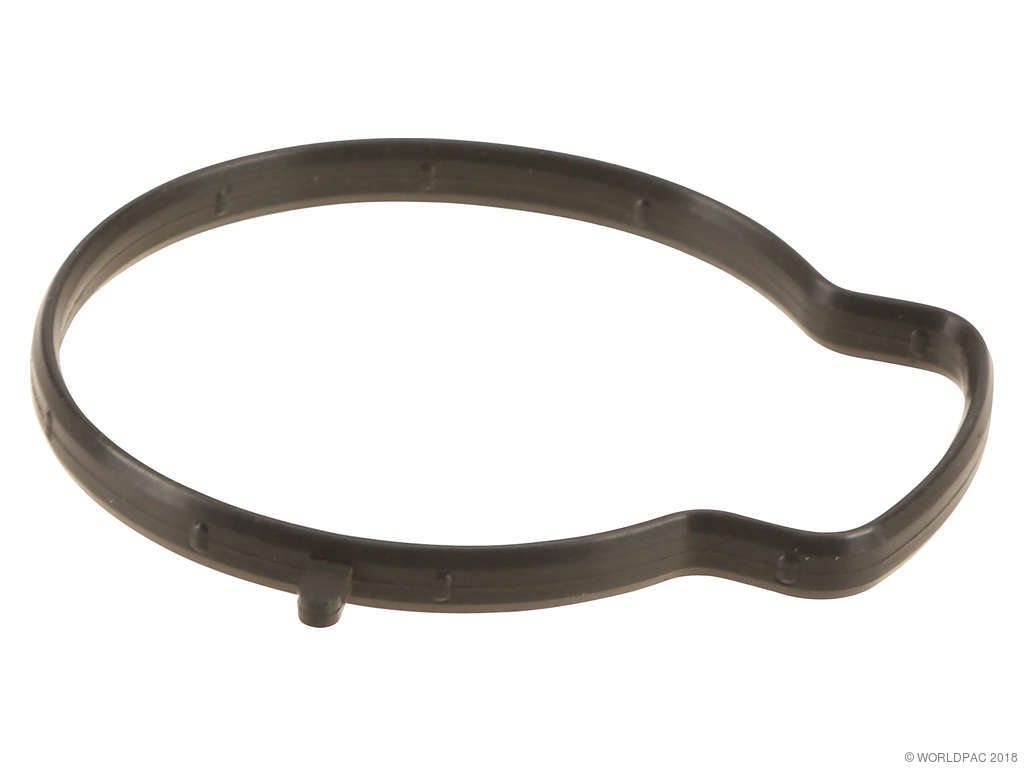
(OEM #28312-2G000)— A new gasket is required anytime the throttle body is removed to prevent vacuum leaks.
Trusted brands: Fel-Pro, Mahle, Kia (OEM)
OEM price range: $10-$20
Aftermarket price range: $5-$15
Related Codes That Often Appear With This One
- P2118 — Throttle Actuator Control Motor Current Range/Performance
- P2119 — Throttle Actuator Control Throttle Body Range/Performance
- P0638 — Throttle Actuator Control Range/Performance
Platform-Specific Known Issues
- The Theta II GDI engine is subject to a class-action lawsuit and numerous recalls related to engine bearing failure and fire risk. While P1607 is an electronic issue, it's important for owners to be aware of the engine's history and ensure all safety-related software updates, like the Knock Sensor Detection System (KSDS) update, have been performed. The presence of this update can be crucial for warranty claims on the engine.
Mechanic-Grade Diagnostic Values
- Throttle Body Connector Pin Voltages (Key On, Engine Off) — expected: Pin 1: 5V (Sensor Reference), Pin 3: Ground, Pin 5: 5V (Sensor Reference), Pin 6: Motor Control Voltage (varies).. Failure: Missing 5V reference or a bad ground on the respective pins points to a wiring or ECM issue, not necessarily the throttle body itself.
Scan Tool Commands That Help
- Kia GDS (Global Diagnostic System): Actuator Test Mode / Bidirectional Control for Throttle Body — This function allows a technician to command the throttle plate to open and close, directly testing the functionality of the throttle motor and electronics. If the throttle does not respond to the command, it confirms a failure in the throttle body or its circuit, helping to isolate the fault from the accelerator pedal sensor.
- Kia GDS (Global Diagnostic System): Resetting Auto Trans Adaptive Values / ECU Upgrade — After replacing a major electronic component like the throttle body, resetting adaptive values can be necessary to ensure smooth operation. The GDS tool is also used for official ECU software updates, which can sometimes resolve communication errors.
Wiring & Ground Locations
- Main ECM Relay — Located in the engine compartment fuse box. It is typically a large, multi-pin relay often labeled 'ECU' or 'MAIN'.. This relay supplies power to the Engine Control Module. Corrosion on its pins or internal failure can interrupt power, causing a loss of communication between the ECM and the throttle body, directly triggering a P1607 code.
- Engine Ground Wiring Assembly — Main ground strap connecting the engine block to the chassis.. A corroded or loose main engine ground can cause unstable voltages and floating grounds for all engine sensors, including the electronic throttle body. This can lead to erratic communication and trigger a P1607. Part numbers vary by vehicle build location.
- Throttle Body Wiring Harness — The section of the engine wiring harness that connects to the electronic throttle body.. There is a known issue on Theta II engines where this portion of the harness can rub through its protective loom, causing wires to chafe and short circuit. This directly interrupts the communication and power signals between the ECM and throttle body.
Real Owner Repair Stories
- Go-Parts Repair Database Analysis (2011-2015 Kia Optima 2.4L GDI, ~100,000 miles) — Limp mode, lack of acceleration, and a code related to throttle body failure (in this case P2111, which is often seen with P1607).
❌ Tried (didn't work) Not specified, diagnosis pointed directly to the throttle body.
✅ What actually fixed it Replacement of the entire electronic throttle body assembly, part number 35100-2G700.
OEM Part Supersession History
35100-2G700→35100-2G700 (current)— This is the correct and long-standing part number for the 2.4L GDI non-hybrid engine in this vehicle range.
Heads up: Do NOT use part number 35100-2G710, which is for the 2.0L Turbo engine. Also, do not use 35100-2G800, which is specified for the Optima Hybrid model. While they may look similar, their calibration and electronic components are different.
Model Year Variations Within This Range
- 2012-2013: The engine ground cable assembly has different part numbers depending on the vehicle's manufacturing plant. Korea-built models use part number 91860-2T011, while US-built models use 91860-4C010. A faulty ground can cause this code, so ordering the correct part is essential.
Diagnostic Flowchart
Other Known Issues on This Vehicle
Issues unrelated to this code that are worth knowing about as an owner of this generation:
- Catastrophic Engine Failure (Rod Bearing Wear) 🔴 High — Widespread across 2011-2014 models. Subject of class-action lawsuits and Safety Recall SC147. Failure can occur at any mileage, often between 60,000 and 120,000 miles. (Ref: Recall SC147, Lifetime Engine Warranty Extension)
- Excessive Oil Consumption 🟠 Medium — Very common issue, often starting around 80,000-100,000 miles. Can be a precursor to engine failure. Many owners report consuming a quart of oil every 1,000 miles or less. (Ref: TSB ENG174, related to engine warranty extensions)
- Steering Coupler Degradation 🟡 Low — Extremely common. A clicking or clunking noise develops in the steering column when turning the wheel. Usually appears after 50,000 miles. The part is cheap, but labor is involved. (Ref: TSB CHA-072, Customer Satisfaction Program CS1604)
- Carbon Buildup on Intake Valves 🟠 Medium — Inherent to the GDI engine design. Causes misfires (P0300 series codes), rough idle, and performance loss over time, typically noticeable after 60,000 miles. Requires periodic manual cleaning.
- Low-Pressure Fuel Hose Deterioration 🔴 High — Affects 2013-2014 models. The fuel hose can crack over time due to engine heat, leading to a fuel leak and potential fire risk. (Ref: NHTSA Recall 18V907000)
Used vs. New Parts: Buying Guide for This Vehicle
When a used part is the smart pick: A used throttle body is a viable, low-cost option for a DIY repair if the budget is tight, as they are widely available from salvage yards and online dismantlers for under $50. However, it is a gamble, as the failure is electronic and wear-related.
Donor-vehicle mileage cap: roughly under 80000 miles for the part to have meaningful remaining life.
What to inspect on the donor part:
- Look for a donor vehicle with the lowest possible mileage.
- Inspect the throttle plate; it should be relatively clean with minimal carbon buildup.
- Ensure the electrical connector and pins are clean, straight, and free of corrosion.
- Verify the part number is exactly 35100-2G700 to ensure compatibility with the 2.4L GDI engine.
OEM-only on this vehicle (don't cheap out):
- Engine Control Module (ECM) - Requires dealership-level programming specific to the vehicle's VIN and options.
Aftermarket brands forum-validated for this vehicle:
- Bosch (often the original equipment manufacturer)
- Dorman OE Fix (sometimes includes design improvements)
Brands owners have reported issues with on this vehicle:
- Unbranded, no-name parts from online marketplaces, as their electronic calibration and longevity are highly questionable.
Real Owner Stories
Aggregated from forums and TSBs cited above. Mileages and costs reflect what owners reported in those sources.
2011 Kia Optima 2.4L GDI
Symptoms: The owner experienced a failed throttle body and inquired about the necessity of a relearn procedure after installation.
What fixed it: Replaced the failed throttle body with a used unit from a Hyundai Sonata.
Source hint: Reddit r/kia - 'Throttle re learn question.'
2011-2015 Kia Optima 2.4L GDI
Symptoms: Owners reported issues requiring a throttle position sensor relearn or throttle body reset after cleaning or replacement.
What fixed it: Performed a step-by-step manual relearn procedure.
Source hint: Reddit r/kia - 'SOLVED: Kia Throttle Position Sensor Relearn or Throttle Body Reset...'
Related OBD-II Codes
Frequently Asked Questions
Is there a recall for the engine issues associated with my 2011-2014 Kia Optima?
Can I use a throttle body from a Hyundai Sonata on my 2011 Kia Optima?
What is the KSDS update I keep hearing about for the Theta II engine?
My steering makes a clicking sound; is this related to the P1607 code?
How do I perform a manual throttle relearn on my Optima after replacing the ETB?
Is the throttle position sensor (TPS) a separate part I can replace to fix P1607?
Helpful Videos
Used OEM Parts in Stock
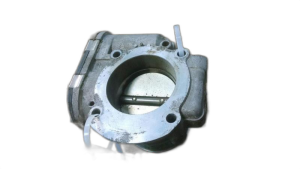
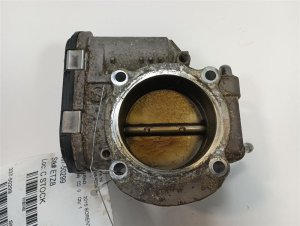
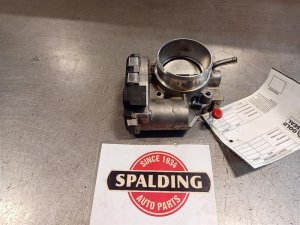
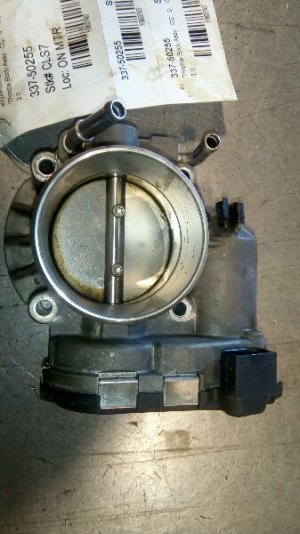
New Aftermarket Parts Available


The information in this article is provided for general reference and educational purposes only. Vehicle specifications, procedures, and part compatibility can vary by production date, trim level, and region. Always consult your vehicle's factory service manual and verify part numbers before purchasing or performing repairs. Safety-critical components such as airbags, seat belts, and braking systems should be installed by a qualified professional.
- Kia Optima:
- 🧭 Diagnostic Flowchart
- 🎬 Helpful Videos
- 🛍️ Shop This Part
- What's Unique About the 2011-2015 Kia Optima
- Symptoms You May Notice
- Most Likely Causes
- Diagnosis Steps
- Parts You'll Likely Need
- Related Codes That Often Appear With This One
- Platform-Specific Known Issues
- Mechanic-Grade Diagnostic Values
- Scan Tool Commands That Help
- Wiring & Ground Locations
- Real Owner Repair Stories
- OEM Part Supersession History
- Model Year Variations Within This Range
- Other Known Issues on This Vehicle
- Used vs. New Parts: Buying Guide for This Vehicle
- Real Owner Stories
- 2011 Kia Optima 2.4L GDI
- 2011-2015 Kia Optima 2.4L GDI
- Related OBD-II Codes
- Frequently Asked Questions
- 🎟️ Get 5% Off