

P1614 on 2005-2010 Pontiac G6: Immobilizer Fault Causes and Fixes
On a 2005-2010 Pontiac G6, code P1614 almost always means the car's anti-theft system can't recognize the key, causing a no-start and a flashing security light. The most common fix is a free, 30-minute 'key relearn' procedure. If that fails, the ignition key itself or the ignition lock cylinder is likely faulty.
- P1614 on a Pontiac G6 means the anti-theft system has been activated, causing a no-start condition.
- Before spending any money, always try starting with a spare key and then perform the free 30-minute key relearn procedure.
- A weak or dying battery is a very common trigger for this code; ensure your battery is fully charged before diagnosing.
- If the relearn procedure doesn't work, the most likely failed part is the ignition lock cylinder, which contains the key's transponder reader.
What's Unique About the 2005-2010 Pontiac G6
The Pontiac G6, along with its GM Epsilon platform siblings like the Chevy Malibu and Saturn Aura, uses the Pass-Key III+ (PK3+) anti-theft system. This system is notoriously sensitive to low battery voltage and issues with the ignition lock cylinder, which contains the reader for the key's transponder chip. Owners frequently experience a sudden no-start condition with a flashing security light, which can often be resolved without replacing any parts through a specific relearn procedure. This platform is also known for general electrical issues stemming from poor terminal contact at the BCM connectors 🎬 See how to diagnose a G6 no-start electrical issue, which can exacerbate communication problems.
Symptoms You May Notice
- Engine will not crank or starts and immediately stalls
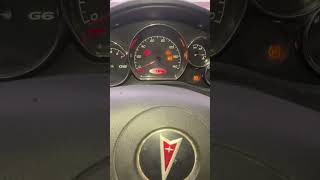
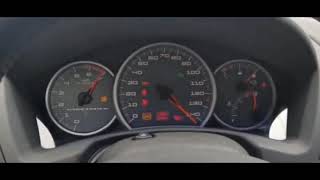
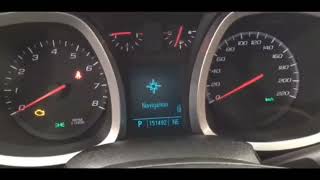
- Flashing or solid security indicator light on the dashboard (icon of a car with a padlock)
- Check Engine Light may be illuminated
- Message on Driver Information Center (DIC) related to security or starting disabled
- Replacing the starter motor. A starter will not fix a no-crank condition caused by the anti-theft system.
- Replacing the fuel pump. The anti-theft system disables the fuel system electronically; the pump itself is usually fine.
- Replacing the Engine Control Module (ECM). While possible, ECM failure is far less common than issues with the key, ignition cylinder, or BCM for this specific code.
Most Likely Causes
- Damaged or Faulty Ignition Key Transponder 🔴 High Probability → Shop Ignition Switch The transponder chip in the key head can be damaged from being dropped or can fail electronically over time. The PK3+ system requires a valid transponder signal to allow the engine to start.
How to confirm: Try starting the vehicle with a known-good spare key. If the spare key works and the original does not, the original key is faulty. All previously learned keys are erased when a new key is programmed.
Typical fix: Replace and program the faulty key. This usually requires a professional automotive locksmith or a dealership with the proper equipment.
Est. part cost: $75-$150 - Security System Communication Glitch 🔴 High Probability The Pass-Key system can lose synchronization due to a weak battery, voltage spikes, or after battery replacement. This is a very common occurrence on these GM vehicles.
How to confirm: Attempt the 30-minute key relearn procedure. 🎬 Watch a demonstration of the GM security reset procedure If this procedure successfully starts the car, a temporary communication error was the cause.
Typical fix: Perform the 30-minute key relearn procedure. Turn the key to the 'ON' position (do not start) and wait about 10 minutes for the security light to stop flashing and turn off. Turn the key off for 10 seconds. Repeat this for a total of three 10-minute cycles. The car should start on the fourth attempt. It is critical that the battery is fully charged before starting this procedure.
Est. part cost: $0 - Faulty Ignition Lock Cylinder / Reader Coil 🟡 Medium Probability → Shop Ignition Switch The reader coil (antenna) that energizes and reads the key's transponder is integrated into the ignition lock cylinder. This component is a common failure point on this platform, leading to an inability to read an otherwise good key.
How to confirm: If the key relearn procedure fails with multiple known-good keys, the lock cylinder is the most likely culprit. Wiggling the key in the ignition may cause the security light to flicker, indicating a poor connection within the cylinder.
Typical fix: Replace the ignition lock cylinder and perform the 30-minute key relearn procedure to sync the new component with the vehicle's security system.
Est. part cost: $100-$250 - Low Battery Voltage 🟡 Medium Probability → Shop Vehicle Battery The BCM and other control modules are sensitive to low voltage, which can cause communication errors and trigger false anti-theft codes. This is a frequent trigger for security system issues on the G6.
How to confirm: Test the battery voltage. A reading below 12.4 volts with the engine off indicates a weak or discharged battery. Many auto parts stores will test your battery for free.
Typical fix: Charge or replace the vehicle's battery. It is recommended to keep a battery charger on the vehicle while performing the 30-minute relearn procedure to ensure stable voltage.
Est. part cost: $150-$250
Rare But Worth Checking
- Radio Frequency Interference (RFI): Other keys, key fobs, or even some aftermarket phone chargers can interfere with the 125 kHz signal used by the Pass-Key system. GM has issued TSBs for this issue on similar vehicles. Before attempting repairs, try starting the car with only the single G6 key, removed from all other items on your keychain.
- Faulty Body Control Module (BCM): → Shop Body Control Module While less common, the BCM itself can fail. This is usually accompanied by other strange electrical issues throughout the vehicle, such as malfunctioning lights or power windows. Poor terminal contact at the BCM connectors is a known issue on the G6 platform and can mimic BCM failure.
- Wiring Issues: Damaged or corroded wiring between the ignition lock cylinder and the BCM can interrupt the signal from the key. This is more likely if the vehicle has had aftermarket accessories like a remote starter installed, or if there are known water leaks in the cabin.
Diagnosis Steps
- Check the dashboard for a flashing or solid security light. This confirms an anti-theft issue.
- Try starting the car with a known-good spare key. If it works, the primary key is the issue.
- Remove the ignition key from any other keys, fobs, or RFID cards on the keychain to eliminate radio frequency interference.
- Test the vehicle's battery. Ensure it has a full charge (above 12.4V). Connect a battery charger if in doubt, especially before attempting the relearn.
- Attempt the 30-minute, 3-cycle key relearn procedure. This is the most common fix and costs nothing.
- If the relearn fails, inspect the wiring and connector at the ignition lock cylinder for any visible damage or looseness.
- Listen for a click from the starter relay when turning the key. If there's no click, the BCM is likely not sending the signal due to the security fault.
- If all the above steps fail, the most likely remaining cause is a faulty ignition lock cylinder, which will need to be replaced.
Parts You'll Likely Need
- Ignition Lock Cylinder
(OEM #25832354)— This housing contains the antenna/reader coil for the key's transponder chip and is the most common hardware failure point for this issue. This part number supersedes 12458191, 12533953, 15822350, and 19168637.
Trusted brands: ACDelco (D1493F), Dorman (924-719), Standard Motor Products (US646L)
OEM price range: $150-$250
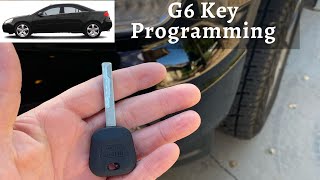
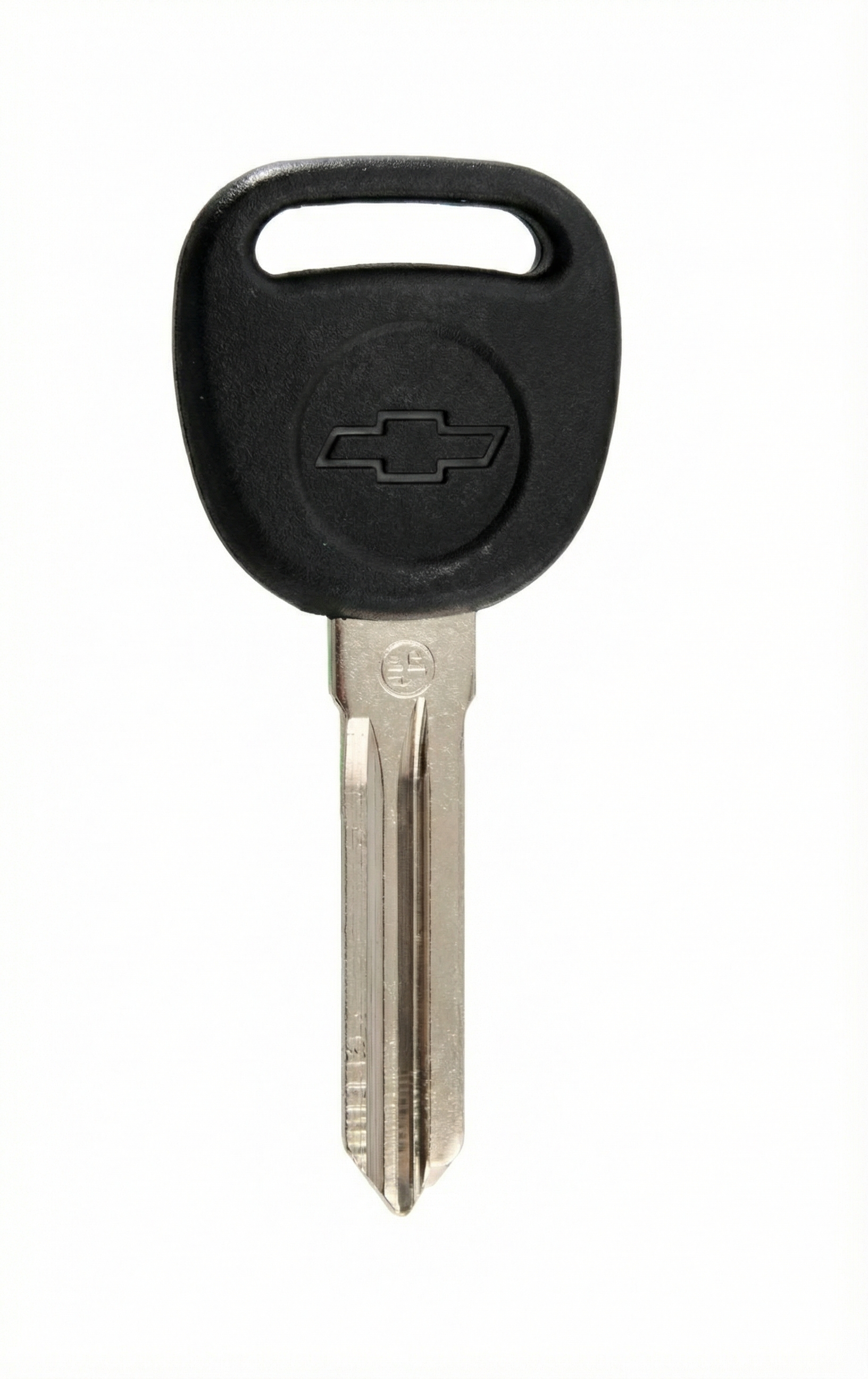
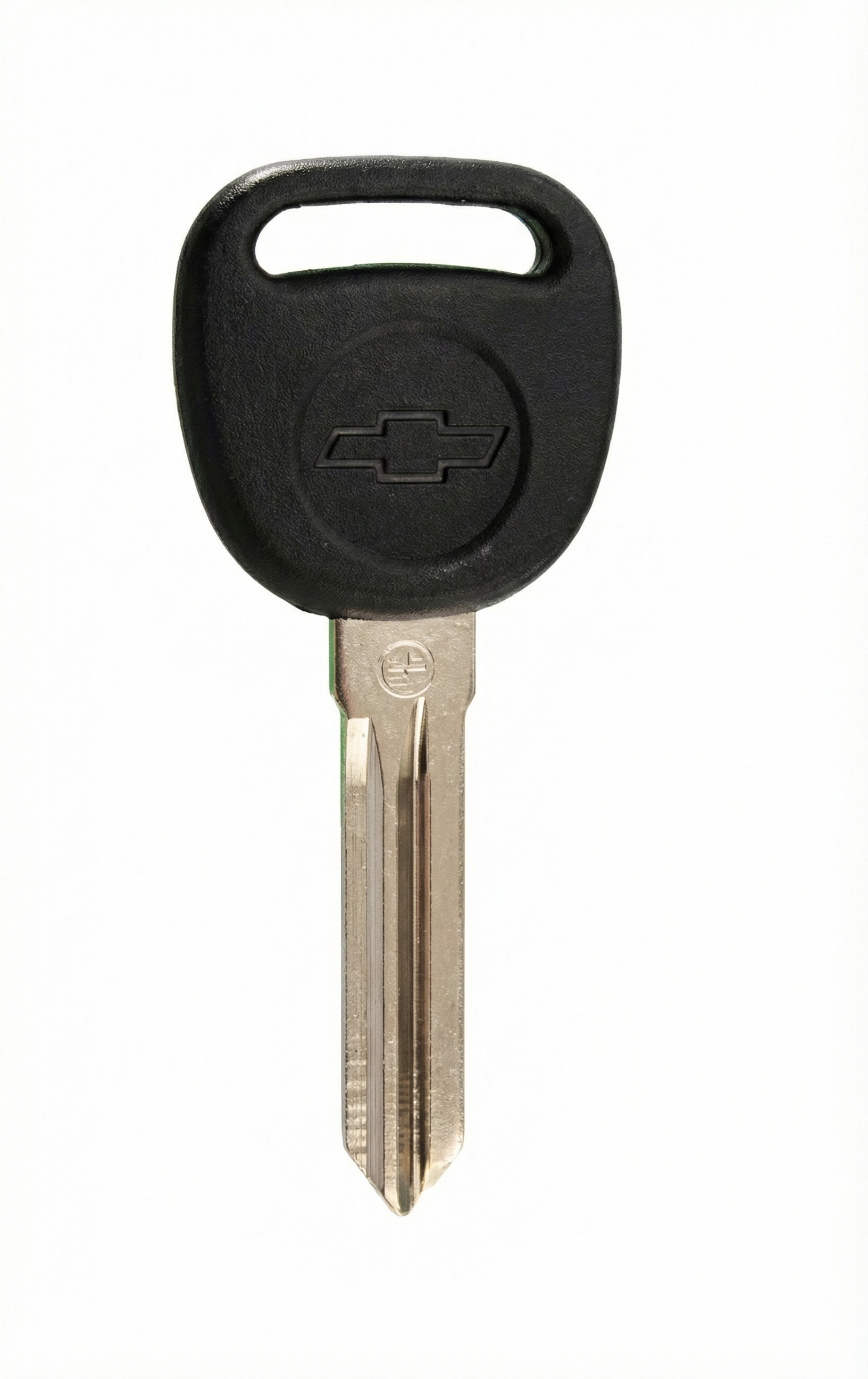
Aftermarket price range: $90-$180 - Transponder Ignition Key — The transponder chip inside the key head can fail, preventing the car from recognizing it. The key for the PK3+ system has a black plastic head and a small '+' symbol stamped on the blade.
Trusted brands: ACDelco, JMA
OEM price range: $75-$120
Aftermarket price range: $40-$80
Related Codes That Often Appear With This One
- B3055 — This code specifically relates to a problem with the key transponder itself, often appearing alongside P1614.
- B3060 — This code indicates an issue with the transponder reader circuit, pointing towards the ignition lock cylinder.
- B3935 — This code indicates a 'Transponder Authentication Error,' which is another facet of the same security handshake failure that triggers P1614.
Scan Tool Commands That Help
- GM Tech2: Body > Immobilizer > Additional Functions > Reset Immobilizer — This function is used to reset the immobilizer module after component replacement or in an attempt to resolve a communication fault. It often requires entering a security code.
- GM Tech2: Security System Resets (Passlock, immobilizer) — A professional scan tool like the Tech2 can access security functions to program new keys, relearn modules, and diagnose specific faults within the Pass-Key III+ system that generic OBD-II readers cannot see.
- GM Tech2: Read BCM DTCs — The Tech2 can pull manufacturer-specific 'B' (Body) codes that provide more detail than the generic 'P' code. For example, it can differentiate between a key transponder fault (B3055) and a reader circuit fault (B3060).
Wiring & Ground Locations
- BCM (Body Control Module) — Located with the fusebox on the passenger side of the center console.. The BCM is the central module for the Pass-Key III+ anti-theft system. It receives the signal from the ignition lock cylinder and sends the fuel enable password to the ECM. Poor connections or a bad ground at the BCM can cause P1614.
- G201 — Under the center console, on a front support bracket.. This is a primary interior ground point. A loose or corroded G201 can cause a variety of difficult-to-diagnose electrical issues, including problems with the BCM and anti-theft system.
- G303 — On the left front of the passenger compartment, behind the left front kick panel.. Another critical ground point for various interior modules. Verifying this ground is clean and tight is a key step when diagnosing persistent, unexplained electrical faults.
- BCM Connector C2 — The second large 72-pin gray connector at the BCM on the passenger side of the center console.. Specific wires related to the immobilizer system, such as the signal from the ignition lock cylinder, pass through this connector. For example, on some diagrams, the signal wire is a White wire at pin 56 and a White/Black stripe wire at pin 62.
OEM Part Supersession History
12458191, 12533953, 15822350, 19168637→25832354— Part consolidation and potential design updates by GM over the production life of the Epsilon platform vehicles.
Heads up: The ACDelco equivalent for this part is D1493F. While this part fits a wide range of GM vehicles from the era, always confirm fitment for the Pontiac G6 specifically, as there can be minor housing differences between platforms.
Diagnostic Flowchart
Other Known Issues on This Vehicle
Issues unrelated to this code that are worth knowing about as an owner of this generation:
- Sudden Loss of Electric Power Steering (EPS) 🔴 High — Very common, typically occurs around 70,000-100,000 miles. A message appears on the DIC and steering becomes very heavy at low speeds. (Ref: NHTSA Recalls 14V153000, 15V064000.)
- Clunking Noise from Steering Column 🟠 Medium — Common issue at various mileages. Caused by a lack of lubrication in the intermediate steering shaft's telescopic joint. (Ref: GM TSB 06-02-32-007G describes a lubrication procedure, though owners report the noise often returns.)
- 4T45-E Automatic Transmission Failure 🔴 High — Common on models equipped with the 4-speed automatic. Shift solenoid failure is a frequent cause, leading to harsh shifting or getting stuck in gear ('limp mode'). (Ref: NHTSA Recalls 14V224000, 12V460000, 09V073000 for shift cable issues.)
- Leaking Sunroof Drain Tubes 🟠 Medium — Widespread problem where drain tubes disconnect or are manufactured too short, causing water to leak into the headliner and floorboards, particularly in the rear passenger area.
- Poor BCM Connector Contact 🟠 Medium — A known issue where poor terminal contact at the Body Control Module can cause various electrical problems, including brake light failure and other erratic behavior. (Ref: NHTSA Recall 14V252000.)
Used vs. New Parts: Buying Guide for This Vehicle
When a used part is the smart pick: A used ignition lock cylinder from a junkyard can be a cost-effective option, as it is a mechanical part with an electronic coil that does not require programming itself. The vehicle's BCM will simply need to perform the 30-minute relearn procedure to the existing keys.
Donor-vehicle mileage cap: roughly under 120000 miles for the part to have meaningful remaining life.
What to inspect on the donor part:
- Ensure the key turn action is smooth and not sloppy.
- Inspect the electrical connector for any bent or corroded pins.
- Try to get the matching key, even though you won't use its transponder, to confirm the lock's mechanical function.
OEM-only on this vehicle (don't cheap out):
- Body Control Module (BCM)
Aftermarket brands forum-validated for this vehicle:
- ACDelco (OEM)
- Dorman
- Standard Motor Products (SMP)
Brands owners have reported issues with on this vehicle:
- No-name, unbranded parts sold on online marketplaces should be avoided, as the quality of the reader coil can be inconsistent, leading to repeat failures.
Real Owner Stories
Aggregated from forums and TSBs cited above. Mileages and costs reflect what owners reported in those sources.
2005-2010 Pontiac G6
Symptoms: Engine will not crank or starts and immediately stalls with a flashing security light on the dashboard.
What fixed it: Performed the 30-minute key relearn procedure (three 10-minute cycles in the 'ON' position).
Source hint: G6OwnersClub.com
2005-2010 Pontiac G6
Symptoms: No-start condition with a flashing security light; the 30-minute relearn procedure failed to resolve the issue.
What fixed it: Replacement of the ignition lock cylinder and subsequent 30-minute key relearn to sync the new component.
Source hint: G6OwnersClub.com
2005-2010 Pontiac G6
Symptoms: No-start with a flashing security light, often occurring after the battery was weak or replaced.
What fixed it: Ensuring the battery was fully charged (above 12.4V) and performing the 30-minute relearn procedure.
Source hint: Reddit r/MechanicAdvice
Related OBD-II Codes
Frequently Asked Questions
My 2005-2010 Pontiac G6 won't start and the security light is flashing; is there a free fix I can try before calling a tow truck?
I'm seeing P1614 and my power steering just went out. Are these related to the same recall?
Can a weak battery cause the P1614 security code on my G6?
Is there a recall for the BCM electrical issues that might be causing my security light to stay on?
If I need to replace my ignition lock cylinder to fix P1614, do I have to buy a brand new one?
My G6 has a P1614 code and the shifter is acting up; are there recalls for the transmission?
Helpful Videos
Used OEM Parts in Stock
New Aftermarket Parts Available


The information in this article is provided for general reference and educational purposes only. Vehicle specifications, procedures, and part compatibility can vary by production date, trim level, and region. Always consult your vehicle's factory service manual and verify part numbers before purchasing or performing repairs. Safety-critical components such as airbags, seat belts, and braking systems should be installed by a qualified professional.
- Pontiac G6:
- 🧭 Diagnostic Flowchart
- 🎬 Helpful Videos
- 🛍️ Shop This Part
- What's Unique About the 2005-2010 Pontiac G6
- Symptoms You May Notice
- Most Likely Causes
- Rare But Worth Checking
- Diagnosis Steps
- Parts You'll Likely Need
- Related Codes That Often Appear With This One
- Scan Tool Commands That Help
- Wiring & Ground Locations
- OEM Part Supersession History
- Other Known Issues on This Vehicle
- Used vs. New Parts: Buying Guide for This Vehicle
- Real Owner Stories
- 2005-2010 Pontiac G6
- 2005-2010 Pontiac G6
- 2005-2010 Pontiac G6
- Related OBD-II Codes
- Frequently Asked Questions
- 🎟️ Get 5% Off