

P1621 on 2001-2007 Ford Escape: Immobilizer No-Start Causes and Fixes
This code means your Escape's anti-theft system (PATS) is preventing it from starting. The most common causes are a faulty key transponder or a weak vehicle battery. Always try your spare key and test the battery before suspecting more complex issues like the ignition transceiver or instrument cluster.
- P1621 means your Escape thinks it's being stolen and has shut down the engine.
- Before any expensive repairs, try your spare key and get your main car battery professionally tested.
- Watch the 'theft' light on your dash; if it's flashing fast with the key on, the problem is definitely in the PATS anti-theft system.
- Replacing keys, the instrument cluster, or the PCM requires special programming by a dealer or locksmith.
What's Unique About the 2001-2007 Ford Escape
The first-generation Ford Escape uses a straightforward PATS (Passive Anti-Theft System) that is typical for Fords of this era. While generally reliable, its components are now aging. The most common failure points are simple: the key itself or low system voltage from an old battery. Unlike some later Ford models known for widespread instrument cluster failures, on the 2001-2007 Escape, the cluster is a possible but less frequent cause of this specific code. The issue is shared directly with its platform mates, the Mazda Tribute and Mercury Mariner, which use the same PATS components.
Symptoms You May Notice
- Engine will not start (no-crank or cranks but won't fire).
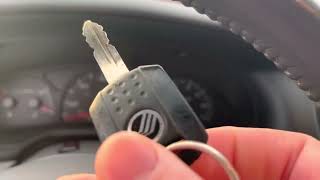
- The anti-theft light on the dashboard flashes rapidly or stays on when the key is in the 'ON' position. A rapidly flashing light is the primary indicator of a PATS fault. 🎬 Watch: How to check your Ford anti-theft system
- Engine may start and then immediately stall (typically within 2 seconds).
- Intermittent no-start condition that may seem random.
- A single 'click' from the engine bay when trying to start.
- Replacing the starter motor when the engine doesn't crank. The PATS system is designed to disable the starter, so a no-crank is a symptom, not the root cause.
- Replacing the fuel pump when the engine cranks but won't start. PATS also disables the fuel system, so lack of fuel pressure can be a symptom of the theft system being active.
Most Likely Causes
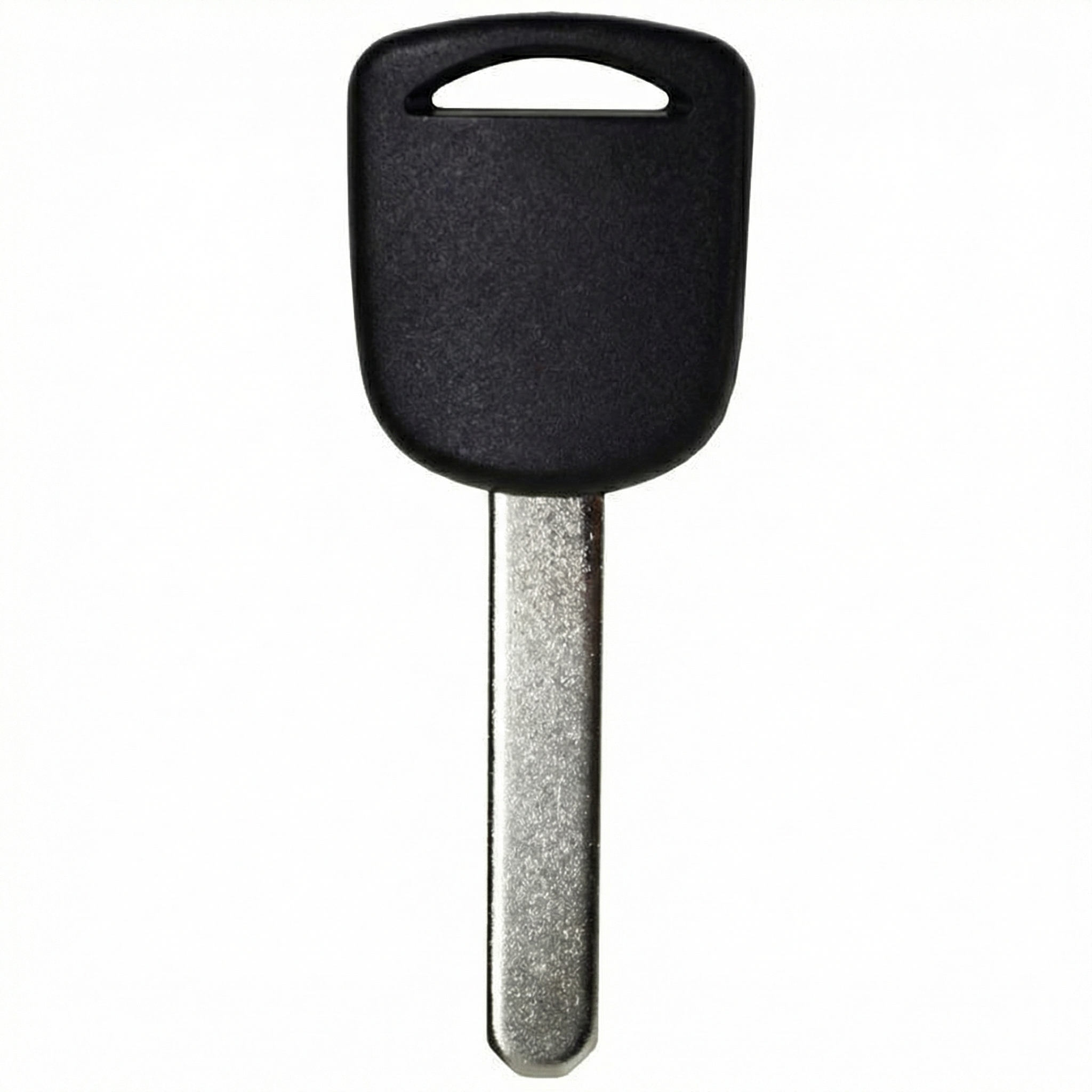
- Faulty Key Transponder 🔴 High Probability The RFID chip embedded in the plastic head of the key can be damaged by drops, get wet, or simply fail electronically over its 20+ year lifespan. Using a poorly cloned aftermarket key can also cause this issue.
How to confirm: Try starting the vehicle with a known-good spare key. If the spare key works consistently, the original key is the problem. If you only have one key, a locksmith or dealer can test the key's transponder signal.
Typical fix: A new key must be purchased, cut to the ignition, and programmed to the vehicle's PATS module. This can be done by a Ford dealer or a qualified automotive locksmith with the proper scan tools.
Est. part cost: $100-$300 for a new key and programming, with locksmiths often being cheaper than dealers. - Weak or Dead Vehicle Battery 🔴 High Probability → Shop Vehicle Battery Low voltage (below 9.6V) during the key-on and cranking sequence can cause communication glitches between the PATS module and the PCM, triggering a false anti-theft event. Aging alternators on these vehicles can also fail to adequately charge the battery, leading to this state.
How to confirm: Test the battery voltage with a multimeter; it should be above 12.4V with the engine off. Perform a load test to check its health. A voltage drop below 9.6V during cranking is a strong indicator of a bad battery.
Typical fix: Charge or replace the vehicle's 12V battery. Ensure terminals are clean and tight. If the battery is good, test the alternator's output.
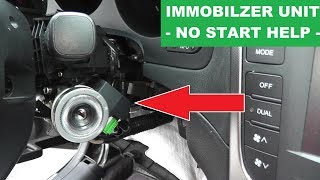
Est. part cost: $150-$250 - Faulty PATS Transceiver 🟡 Medium Probability The transceiver is an antenna ring around the ignition lock cylinder. Its fine internal wiring can break from vibration and age, or the module itself can fail electronically, preventing it from reading the key chip.
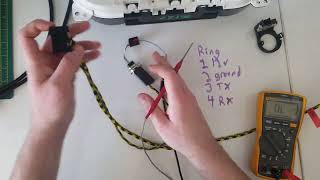
How to confirm: Diagnosis typically requires a scan tool that can monitor PATS data PIDs to see if the key read is successful. A visual inspection of the wiring and connector to the transceiver for damage is also recommended. Often accompanied by DTC B1681. 🎬 See this PATS transponder ring troubleshooting guide
Typical fix: Replace the PATS transceiver module. The part is located on the ignition lock cylinder housing and is often held by a single screw. On many models, this part does not require reprogramming, making it a feasible DIY repair.
Est. part cost: $50-$100 for an OEM part. - Faulty Instrument Cluster ⚪ Low Probability → Shop Instrument Cluster On this platform, the instrument cluster (IC) contains the PATS control logic. Internal failures, such as cracked solder joints on the main connector or CPU, can disrupt communication with the PCM. This was a common issue on the related Mazda Tribute.
How to confirm: Symptoms may include other cluster issues like erratic/dead gauges, flickering backlights, or the odometer display failing concurrently with the no-start. If tapping firmly on the top of the dashboard temporarily resolves the issue, it strongly points to a bad cluster with a cold solder joint.
Typical fix: The instrument cluster must be removed and sent to a specialized electronics repair service (like Circuit Board Medics) to be rebuilt, or replaced and reprogrammed by a dealer. Repair is preferred as it preserves mileage and key programming.
Est. part cost: $200-$400 for a mail-in repair service; $800+ for a dealer replacement.
Rare But Worth Checking
- Wiring Harness Damage: A damaged wire or corroded connector between the transceiver, instrument cluster, and PCM can interrupt the security signal. This can be caused by previous repairs, water intrusion, or chafing over time. A user on a forum for a platform-mate Mercury Mariner traced a similar issue to a damaged wire near the ignition switch.
- Faulty Powertrain Control Module (PCM): → Shop Engine Control Module (ECM) While rare, the PCM itself can fail. This should only be considered after all other possibilities (key, battery, transceiver, cluster, wiring) have been thoroughly ruled out with advanced diagnostics.
Diagnosis Steps
- Observe the anti-theft light on the dashboard when turning the key to 'ON'. A rapidly flashing light confirms a PATS-related fault. The light should normally turn on for 3 seconds and then go out.
- Try your spare key. If the vehicle starts, the original key is faulty.
- If the spare key also fails, fully charge and load test the main vehicle battery. Ensure terminals are clean. A weak battery is a very common cause.
- Scan for other codes in the PCM, IPC (Instrument Panel Cluster), and other modules. Body codes (B-codes) and Communication codes (U-codes) are critical for diagnosis. A basic OBD-II reader may not see these.
- Inspect the wiring and connector at the PATS transceiver ring around the ignition lock cylinder for any visible damage or looseness.
- If other electrical issues are present (flickering gauges, dead display), investigate the instrument cluster. Try the 'dashboard tap test' by firmly tapping the top of the dash while trying to start the vehicle. If this works, the cluster has bad solder joints.
- If a capable scan tool is available (like FORScan), monitor PATS PIDs to see if the key is being read correctly. Attempting a PATS parameter reset or key relearn can also help diagnose the faulty component.
- If all else fails, professional diagnosis of the PATS transceiver, instrument cluster, and PCM with a Ford-specific scan tool is required.
Parts You'll Likely Need
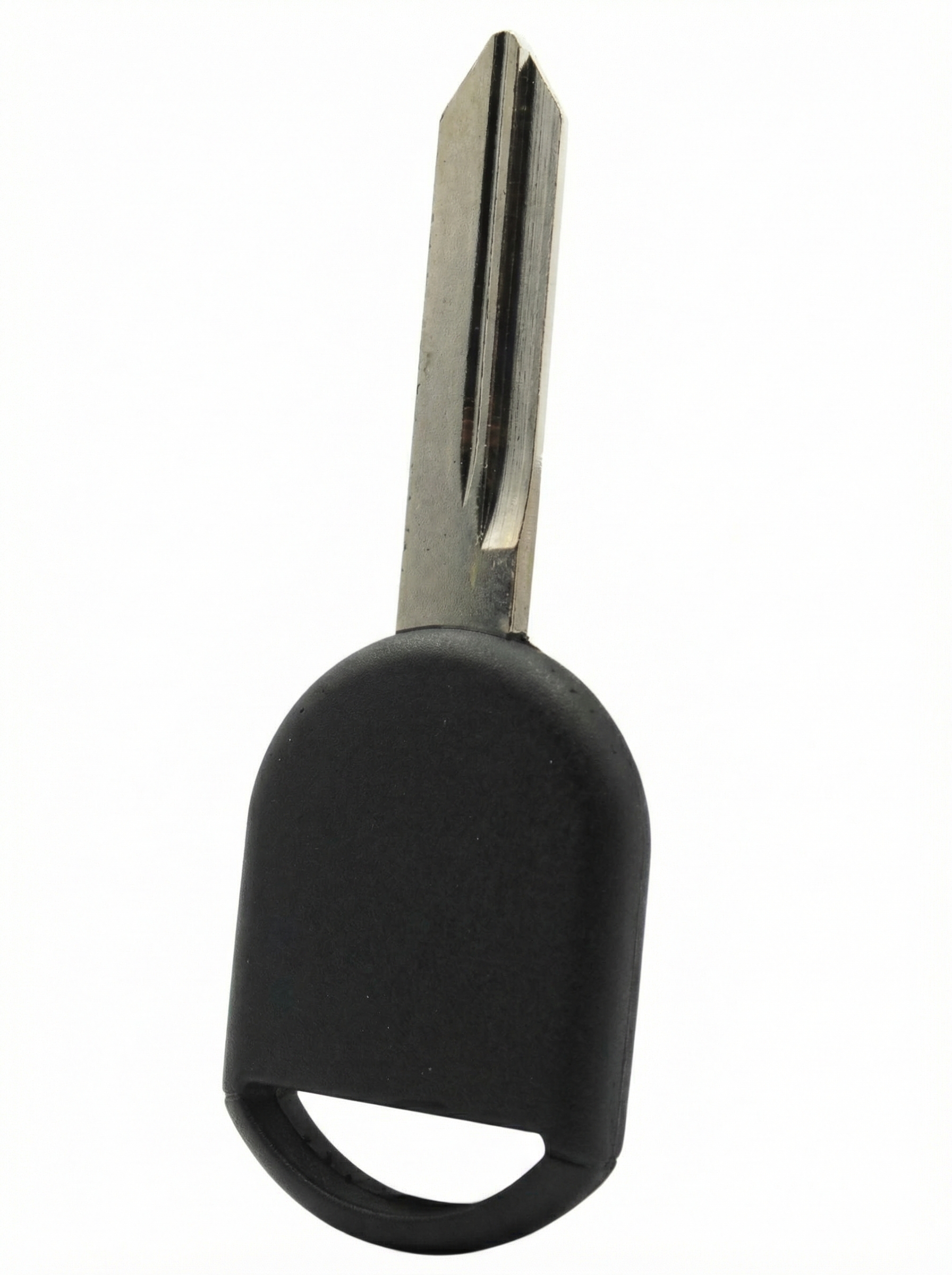
- Transponder Key — The chip inside the key is the most common point of failure in the PATS system.
Trusted brands: Motorcraft, Strattec
OEM price range: $80-$150
Aftermarket price range: $40-$80 - PATS Transceiver Module
(OEM #1L8Z-15607-AA (Note: Part numbers vary by year. Verify with VIN. This specific part may be discontinued). Other similar parts include 2L1T-15607-AA.)— This antenna ring reads the key chip and can fail, preventing the security handshake. It is a common failure point and relatively easy to replace.
Trusted brands: Motorcraft
OEM price range: $60-$100
Aftermarket price range: $40-$70
Related Codes That Often Appear With This One
- B1600 — PATS Ignition Key Transponder Signal Is Not Received. This code often appears with P1621 and points directly to a problem with the key or the transceiver's ability to read it.
- B1681 — PATS Transceiver Module Signal Is Not Received. This code specifically indicates a problem with the transceiver ring around the ignition switch.
- U1900 — CAN Communication Bus Fault. This code can accompany P1621 if the instrument cluster itself is failing, as it houses the PATS module and is a gateway on the communications network.
- U0155 — Lost Communication With Instrument Panel Cluster (IPC) Control Module. This strongly suggests the instrument cluster is the root cause of the PATS failure.
Platform-Specific Known Issues
- Instrument Cluster Solder Joint Failure: → Shop Instrument Cluster Owners on forums like Ford-Trucks.com and others report that intermittent no-start issues accompanied by erratic gauges can often be temporarily fixed by hitting the top of the dashboard. This points to cracked solder joints on the main connector of the instrument cluster, which houses the PATS module. A video by a repair technician on YouTube demonstrates a reflow of the CPU solder jo
Mechanic-Grade Diagnostic Values
- PATS Transceiver Circuit to Ground Resistance — expected: Greater than 10,000 ohms. Failure: Resistance less than 10,000 ohms indicates a short to ground in the circuit.
- Continuity between PATS Transceiver and Instrument Cluster — expected: 0 - 10 ohms. Failure: A high resistance or open circuit indicates damage to the wiring harness between the transceiver and the cluster.
Scan Tool Commands That Help
- Ford IDS, FORScan (with extended license): Parameter Reset — This function is required to synchronize the PATS module (in the instrument cluster) with the PCM after replacing either the cluster or the PCM. It establishes a new security handshake between the modules.
- Ford IDS, FORScan (with extended license): Ignition Key Code Erase — Used to erase all existing keys from the vehicle's memory before programming a new set. This is a necessary step after a Parameter Reset or when all keys are lost. Requires a 10-minute security access wait.
- Ford IDS, FORScan: PATS PID Monitoring (e.g., NUMKEYS) — To check how many keys are currently programmed to the vehicle. If the count is less than two, it can cause starting issues and may trigger code B1213.
Wiring & Ground Locations
- G200 / G201 — For 2001 models, G200 is in the left kick panel. For 2008+ models, G200/G201 are behind the right side of the dash. Location varies by year.. These are primary ground points for the instrument cluster and other dash components. A corroded or loose ground at these locations can cause intermittent power loss to the cluster, disrupting PATS communication and triggering P1621.
- G203 — Located on the left side of the dash / left kick panel area.. Another critical ground for dash electronics. A fault here can lead to erratic cluster behavior, including PATS failure.
- Instrument Cluster Connector (C220) — The main electrical connector plugged into the top or back of the instrument cluster.. This connector is the communication link for the PATS system. Cracked solder joints on the board where this connector is mounted are a known failure point, causing intermittent PATS faults.
- PATS Transceiver Connector (C2007) — The small electrical connector on the transceiver ring around the ignition cylinder.. This carries the power, ground, and data signals (TX/RX) from the transceiver. A damaged pin or wire here (e.g., Circuit 1215 WH/LG) will cause a B1681 or P1621 code.
Real Owner Repair Stories
- Autel Support Communities user 'htguru' (2008 Ford Escape XLT) — No-start condition after attempting to install a remote start and using scan tool functions.
❌ Tried (didn't work) Using the 'Erase All Keys' function and relearning the two factory keys. The keys worked initially, but the remote start bypass would not learn., Performing a 'Parameter Reset' followed by a KAM reset, which then caused the factory keys to no longer start the vehicle.
✅ What actually fixed it The user suspected the Instrument Cluster (PATS module) and the PCM were no longer synced. The resolution required another 'Parameter Reset' and 'Erase all keys' procedure to re-establish the security link between the modules. This highlights the critical and sometimes finicky nature of the parameter reset function. - YouTube video by '2005-07 Ford Escape Cluster Repair' (2005-2007 Ford Escape) — Intermittent no-start, PATS light flashing, potentially accompanied by other cluster issues like dead gauges.
❌ Tried (didn't work) Replacing keys or battery without success.
✅ What actually fixed it The problem was traced to poor solder joints on the main CPU of the instrument cluster circuit board. The fix involved removing the cluster, disassembling it, and reflowing the solder on the CPU legs with a hot air station to re-establish solid electrical connections.
Model Year Variations Within This Range
- 2001-2007: This generation of Ford Escape uses a 'Type C' PATS system, where the control module is integrated directly into the Instrument Cluster. This is important because it means a PATS failure can be caused by a fault within the cluster itself (like bad solder joints), and replacing the cluster requires a 'Parameter Reset' to sync with the PCM.
- 2005-2007 (Facelift): While still a Type C system, the instrument cluster for the 2005-2007 facelift models is physically and electronically different from the 2001-2004 models. Repair procedures for the cluster itself, such as disassembly to access the circuit board, may vary. Technicians note the 2005-2007 cluster can be more difficult to disassemble due to how the LCD screen is mounted.
Diagnostic Flowchart
Other Known Issues on This Vehicle
Issues unrelated to this code that are worth knowing about as an owner of this generation:
- Front Subframe Corrosion/Rust 🔴 High — Very common on 2001-2004 models, especially in 'salt belt' regions. Can occur on later models as well. (Ref: NHTSA Campaign 14V165000 (Safety Recall 14S02) was issued for 2001-2004 models to install a reinforcement crossbrace.)
- CD4E Automatic Transmission Failure 🔴 High → Shop Transmission Assembly — Widespread on early (2001-2004) V6 models, but can affect all years. Failures often occur between 80,000 and 120,000 miles. (Ref: No specific recall, but numerous owner complaints of torque converter failure, solenoid issues, and slipping.)
- Alternator Failure 🟠 Medium — Common across all first-generation years, often occurring after 100,000 miles. Can cause a wide range of electrical issues. (Ref: No recall, but a well-documented failure. Symptoms include dimming lights, battery light, and stalling.)
- Ignition Coil Failure 🟠 Medium — Common on both 4-cylinder and V6 engines, leading to misfires (P030x codes). Often caused by moisture intrusion or heat degradation.
- Transfer Case Failure (AWD Models) 🔴 High — A known weak point on all-wheel-drive models, where internal gears can shear off, causing grinding noises and loss of AWD.
Used vs. New Parts: Buying Guide for This Vehicle
When a used part is the smart pick: A used PATS transceiver from a junkyard is a very sensible choice. It is a simple antenna that does not require programming and is much cheaper than a new OEM part, if one can even be found. A used instrument cluster can also be an option, but it is more complex.
Donor-vehicle mileage cap: roughly under 80000 miles for the part to have meaningful remaining life.
What to inspect on the donor part:
- For a Transceiver: Ensure the plastic housing is not cracked and the connector pins are clean and straight.
- For an Instrument Cluster: Check the donor vehicle's mileage (it will transfer to your car unless reprogrammed). Look for a cluster from a vehicle that was not in a frontal collision. Inspect the clear plastic lens for deep scratches or cracks. Ask the yard if they know if the vehicle was a running vehicle before being salvaged.
OEM-only on this vehicle (don't cheap out):
- Transponder Keys: While aftermarket keys exist, OEM (Motorcraft, Strattec) or high-quality clones are strongly recommended. Cheaply made key transponder chips are a frequent cause of intermittent PATS issues.
Aftermarket brands forum-validated for this vehicle:
- Circuit Board Medics: For instrument cluster repair, this is a widely-trusted mail-in service that rebuilds the original cluster, fixing common solder joint failures and preserving mileage and key programming.
- Autotronics: Another mail-in repair service for instrument clusters, particularly noted for the platform-mate Mazda Tribute.
Brands owners have reported issues with on this vehicle:
- Unbranded/No-Name Keys: Avoid the cheapest transponder keys found on online marketplaces, as their chip quality and consistency can be very poor, leading to repeat failures.
Real Owner Stories
Aggregated from forums and TSBs cited above. Mileages and costs reflect what owners reported in those sources.
2009 Mercury Mariner
Symptoms: The car thought the key was still in the ignition; key sense/detection problems.
What fixed it: Traced the problem to the ignition switch area and identified a damaged wire.
Source hint: Reddit r/MechanicAdvice - '09 Mariner key sense/detection problems'
2011 Ford Escape
Symptoms: Instrument cluster issues that were worse in hot/humid weather; no-start condition.
What fixed it: Used the 'hit the dash' diagnostic trick or disconnected the battery to temporarily resolve the issue caused by bad solder joints.
Source hint: Ford Forum - '2011 Escape - Instrument Cluster Issues'
2006 Ford Escape
Symptoms: All gauges and the display quit; intermittent no-start.
What fixed it: A technician performed a reflow of the poor solder joints on the instrument cluster CPU.
Source hint: YouTube - 'Repairing a Ford Escape Instrument Cluster'
Related OBD-II Codes
Frequently Asked Questions
Why does hitting the top of my dashboard sometimes allow my Ford Escape to start?
My 2001 Ford Escape won't start and the anti-theft light is flashing rapidly. Is there a recall for this?
Can I replace the PATS transceiver ring myself to fix code P1621?
Will a weak battery really cause an anti-theft code like P1621 on a Mazda Tribute?
I only have one key for my 2005 Mercury Mariner; how can I test if the key is the problem?
Is it better to buy a new instrument cluster or have mine repaired?
Helpful Videos

We Have This Part in Stock

The information in this article is provided for general reference and educational purposes only. Vehicle specifications, procedures, and part compatibility can vary by production date, trim level, and region. Always consult your vehicle's factory service manual and verify part numbers before purchasing or performing repairs. Safety-critical components such as airbags, seat belts, and braking systems should be installed by a qualified professional.
- Ford Escape:
- 🧭 Diagnostic Flowchart
- 🎬 Helpful Videos
- 🛍️ Shop This Part
- What's Unique About the 2001-2007 Ford Escape
- Symptoms You May Notice
- Most Likely Causes
- Rare But Worth Checking
- Diagnosis Steps
- Parts You'll Likely Need
- Related Codes That Often Appear With This One
- Platform-Specific Known Issues
- Mechanic-Grade Diagnostic Values
- Scan Tool Commands That Help
- Wiring & Ground Locations
- Real Owner Repair Stories
- Model Year Variations Within This Range
- Other Known Issues on This Vehicle
- Used vs. New Parts: Buying Guide for This Vehicle
- Real Owner Stories
- 2009 Mercury Mariner
- 2011 Ford Escape
- 2006 Ford Escape
- Related OBD-II Codes
- Frequently Asked Questions
- 🎟️ Get 5% Off