

P1621 on 2010-2013 Kia Soul: Immobilizer Error, Causes, and Fixes for No-Start Issues
On a 2010-2013 Kia Soul, code P1621 almost always means the immobilizer antenna coil has failed, causing a 'crank but no start' issue. Replacing the antenna coil (Part No. 95440-2K500) is the most common fix, costs about $60-$90 for the part, and is a simple DIY repair that does not require reprogramming.
- P1621 on your Soul means there's an anti-theft system problem, which is why your engine cranks but won't start.
- Before buying parts, always try your spare key to rule out a simple key failure.
- The most likely part to fail is the immobilizer antenna coil (Part No. 95440-2K500), a ring around your ignition switch.
- Replacing the antenna coil is a DIY-friendly job that does not require special programming, making it an affordable first repair attempt.
- Do not waste money on a new starter or fuel pump; this code specifically points to the security system.
What's Unique About the 2010-2013 Kia Soul
While some older Kia/Hyundai models used P1621 to refer to A/C or fuel system faults, on the first-generation Soul it is almost exclusively related to the anti-theft system. This platform is known for failures of the immobilizer antenna coil. This part is responsible for reading the chip in the key, and when it fails, it directly causes the P1621 code and a no-start condition. The good news is that on this vehicle, the antenna coil is a separate, relatively inexpensive part that does not require dealer programming to replace. It is important to note that many base model US-market Souls from this era did not come equipped with an immobilizer, so this code will only appear on vehicles that have the factory anti-theft system.
Symptoms You May Notice
- Engine cranks but does not start.
- Flashing immobilizer indicator light on the dashboard (an icon of a car with a key inside).
- The engine may start intermittently but fails to restart on subsequent attempts. This can sometimes be temporarily resolved by jiggling the key or closing the door firmly, which points to a failing antenna coil or connection.
- Engine starts and then immediately stalls after 1-2 seconds.
- On some Kia/Hyundai systems, the immobilizer light behavior is reversed: no light at all when attempting to start indicates a fault, whereas a solid light indicates the key has been accepted.
- Replacing the starter motor. A P1621 code with a 'crank, no start' symptom means the starter is working correctly; the ECM is simply not allowing the engine to fire up.
- Replacing the fuel pump. While a no-start can be a fuel issue, the P1621 code specifically points to the anti-theft system as the root cause for the engine not starting.
Most Likely Causes
- Faulty Immobilizer Antenna Coil 🔴 High Probability → Shop Antenna This component is a known high-failure point on many Kia/Hyundai vehicles from this era. The internal wiring of the coil can develop micro-fractures over time from heat and vibration.
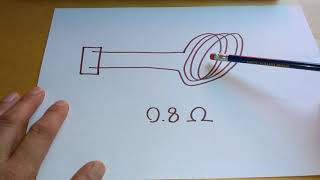
How to confirm: A definitive test involves measuring the coil's resistance with a multimeter. Disconnect the coil and measure between its two terminals. A healthy coil should read approximately 7.5 to 8.5 ohms. However, given the high failure rate and low part cost, many owners opt for replacement as a primary diagnostic step.
Typical fix: Replace the immobilizer antenna coil. It is a ring that fits around the ignition lock cylinder and is accessible after removing the plastic steering column shrouds.
Est. part cost: $60-$90 - Defective Key or Weak Key Fob Battery 🟡 Medium Probability → Shop Vehicle Battery
How to confirm: Try starting the vehicle with your spare key. If the spare key works consistently, the problem is with the primary key's internal transponder chip or its battery.
Typical fix: Replace the battery in the key fob. If that doesn't work, the key itself may be damaged and need replacement and programming by a locksmith or dealer.
Est. part cost: $5-$15 for a battery, $150-$300 for a new key and programming. - Weak or Failing Vehicle Battery ⚪ Low Probability → Shop Vehicle Battery
How to confirm: Test the vehicle's main 12V battery with a multimeter or battery tester. A voltage below 12.4V at rest indicates a weak battery. Low voltage during cranking (below 9.6V) can disrupt module communication and trigger false codes.
Typical fix: Recharge or replace the vehicle's 12V battery.
Est. part cost: $150-$250
Rare But Worth Checking
- Wiring or Connector Issue: A loose or corroded connector at the immobilizer antenna coil or the immobilizer control module (SMARTRA) can interrupt communication. Before replacing the coil, unplug and replug the connector several times to clean the contacts. Some owners have found that oxidation on the terminals was the sole cause of the intermittent failure. This is worth checking while replacing the antenna coil.
- Faulty Immobilizer Control Module or ECM: Module failure is rare but possible. This should only be considered after all other causes have been ruled out, as it is an expensive repair that requires professional diagnosis and programming. Look for related codes like P1690.
- Faulty Crankshaft Position Sensor: While less common to trigger P1621 specifically, a failing crankshaft position sensor can also cause a 'crank, no start' or intermittent stalling condition, sometimes with related codes like P0335. If replacing the antenna coil does not work, this is another sensor to investigate.
Diagnosis Steps
- Verify that the immobilizer warning light is flashing on the dashboard when you attempt to start the car.
- Try your spare key. If the car starts, the issue is with your primary key.
- If applicable, replace the battery inside your key fob.
- Check the vehicle's main 12V battery to ensure it is fully charged and healthy. Voltage should not drop below 9.6V during cranking.
- Inspect the electrical connector on the immobilizer antenna coil. Disconnect and reconnect it a few times to scrub any potential oxidation from the terminals.
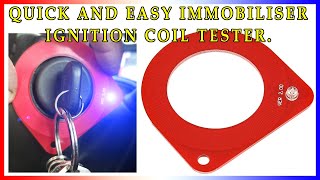
- Using a multimeter, test the resistance of the immobilizer antenna coil. It should be around 8.5 ohms. 🎬 See how to build a cheap, easy immobilizer coil tester If it's an open circuit (infinite resistance) or significantly different, it's faulty.
- If the above steps do not resolve the issue, replace the immobilizer antenna coil (Part No. 95440-2K500). This is the most common fix and does not require programming.
- If the problem persists, a more in-depth diagnosis of the wiring harness, immobilizer control module (SMARTRA), or other related sensors like the crankshaft position sensor is needed, which may require a professional scan tool.
Parts You'll Likely Need
- Immobilizer Antenna Coil
(OEM #95440-2K500)— This is the most common failure point in the immobilizer system for this vehicle, directly causing the P1621 code and a no-start condition.
Trusted brands: Kia (Genuine OEM), Hyundai (Genuine OEM), Standard Motor Products
OEM price range: $60-$90
Aftermarket price range: $40-$70 - Smart Key Fob
(OEM #95440-2K300)— If the spare key works, the original key's internal transponder has likely failed.
Trusted brands: Kia (Genuine OEM)
OEM price range: $150-$250
Aftermarket price range: $70-$120
Related Codes That Often Appear With This One
- P1690 —
- P1693 —
Technical Service Bulletins (TSBs) & Recalls
- Kia TSB CHA074 (Rev 2): Provides detailed procedures for replacing the worn steering coupler, a common issue on the 2010-2013 Soul that causes a clicking noise in the steering.
Platform-Specific Known Issues
- Owner Experience: Intermittent No-Start Fixed by Antenna Replacement: On kiasoulforums.com, multiple owners of 2010-2013 Souls describe the classic P1621 symptom: the car cranks but won't start, and the immobilizer light flashes. After trying the spare key and checking batteries with no success, replacing the immobilizer antenna coil around the ignition switch resolved the problem permanently. One user noted the issue was worse in cold weather before failing completely.
- Real-World Story: The 'Door Slam' Trick: A user on YouTube commented that their car would often fail to start, but slamming the door would sometimes allow it to start. After seeing a video of the antenna coil replacement, they realized the shock from the door slam was likely jarring the faulty coil/connector just enough to make a temporary connection, confirming the antenna coil was the root cause.
Mechanic-Grade Diagnostic Values
- Immobilizer Antenna Coil Resistance — expected: Approx. 8.5 Ω. Failure: Open circuit (infinite resistance) or a reading significantly different from 8.5 Ω.
- Voltage at Antenna Coil Connector Pin 4 to Ground — expected: Battery Voltage (approx. 12V). Failure: No or low voltage indicates a power supply issue to the immobilizer system.
- Voltage at Antenna Coil Connector Pin 5 to Ground — expected: Approx. 5.48 V. Failure: No or incorrect voltage points to a fault in the SMARTRA module or wiring.
- Resistance at Antenna Coil Connector Pin 3 to Ground — expected: Approx. 1 Ω. Failure: High resistance or an open circuit indicates a bad ground connection for the system.
Hidden / Shadow Codes Worth Checking
- P1690: Immobilizer-SMARTRA No Response. This is a more specific code indicating the Engine Control Module (ECM) is not receiving any signal from the immobilizer control unit (SMARTRA). This points to a failure of the SMARTRA module itself, or its power/ground/data lines, rather than just the antenna coil. (see via Dealer-level scan tool like Kia GDS or other advanced professional scanners.)
- P1693: Immobilizer Transponder Error. This code means the system is powered up and communicating, but it cannot successfully read or validate the transponder chip embedded in the ignition key. This points specifically to a bad key, a bad antenna coil, or severe RF interference. (see via Dealer-level scan tool like Kia GDS or other advanced professional scanners.)
Scan Tool Commands That Help
- Kia GDS (Global Diagnostic System): Data Analysis / Current Data for Immobilizer System — After connecting to the immobilizer module, monitor the 'ECU Status', 'KEY Status', and 'Smartra STATUS' parameters. A healthy, programmed system should display 'LEARNT' for all three. If any status is not 'LEARNT', it indicates a programming or component mismatch issue that needs to be addressed. This can quickly differentiate between a simple component failure and a more complex programming problem.
- Kia GDS (Global Diagnostic System): Vehicle S/W Management - Key Teaching — This function is required after replacing the immobilizer control module (SMARTRA) or when adding new keys. It is NOT required when only replacing the antenna coil. This procedure programs the keys to the vehicle's control modules and requires a security PIN code from the dealer.
Wiring & Ground Locations
- SMARTRA Module — Typically mounted behind the instrument cluster, near the center cross bar of the dashboard structure.. This is the control unit for the immobilizer. Access is needed to test its connector for power, ground, and communication signals if the antenna coil replacement does not solve the problem.
- Main Dash Ground — A common grounding point for interior electronics is often a bolt located near the interior fuse panel (driver's or passenger's side kick panel) where multiple ground wires are attached to the chassis.. A poor ground connection for the SMARTRA module can cause intermittent communication errors and trigger a P1621 code. Verifying this ground is tight and corrosion-free is a key diagnostic step.
Real Owner Repair Stories
- YouTube channel 'VEPro' (2013 Kia Soul (Canadian model)) — Intermittent crank-no-start condition, worse in cold weather. Immobilizer light on the dash would not illuminate when the fault occurred.
❌ Tried (didn't work) The vehicle had been serviced twice for the same issue without a permanent resolution.
✅ What actually fixed it The immobilizer function was permanently disabled within the Engine Control Unit (ECU) via software modification. The video notes that the SMARTRA immobilizer module is the component that typically fails and is often on backorder.
Model Year Variations Within This Range
- 2012-2013: The 2012 model year introduced a significant facelift with new 1.6L GDI and 2.0L 'Nu' engines, replacing the previous powerplants. It also upgraded the 4-speed automatic to a 6-speed. While the basic immobilizer function is the same, these electrical and powertrain changes could lead to minor differences in wiring or ECU communication compared to the 2010-2011 models.
- 2010-2013 (US Market): Unlike in markets like Canada where it was standard, the engine immobilizer was not included on many base-trim Kia Souls in the United States. This code will only be present on vehicles equipped with the optional anti-theft system (typically higher trim levels or those with keyless entry/push-button start).
Diagnostic Flowchart
Other Known Issues on This Vehicle
Issues unrelated to this code that are worth knowing about as an owner of this generation:
- Steering Coupler Failure 🟠 Medium — Very common. Owners report a distinct 'clicking' or 'knocking' noise from the steering column when turning the wheel, especially when stopped. Onset can occur around 60,000-100,000 miles. (Ref: Kia TSB CHA074; Warranty Extension Program to 10 years/unlimited miles.)
- Catalytic Converter Failure (1.6L GDI) 🔴 High — Affects 2012-2016 models with the 1.6L GDI engine. High exhaust temperatures can damage the converter, leading to abnormal combustion, piston damage, and potential engine failure or fire. (Ref: Kia Safety Recall SC176.)
- Engine Failure (Theta II 2.0L) 🔴 High — These engines are known for oil flow issues that can lead to bearing wear, engine knocking, and eventual catastrophic failure. (Ref: Related to Kia recall SC200, which includes a Knock Sensor Detection System (KSDS) software update and potential engine replacement.)
- Stop Lamp Switch Malfunction 🟠 Medium — A faulty switch can cause brake lights to fail or stay on, and may prevent the vehicle from shifting out of Park. (Ref: NHTSA Recall 13V114000.)
- HECU Electrical Short 🔴 High — The Hydraulic Electronic Control Unit (HECU) for the ABS can short circuit, potentially causing an engine compartment fire while parked or driving. (Ref: NHTSA Recall 23V652000.)
Used vs. New Parts: Buying Guide for This Vehicle
When a used part is the smart pick: For this repair, buying a used Immobilizer Antenna Coil from a junkyard is a reasonable option. It is a simple electromagnetic coil with no internal logic, and its failure is not directly tied to wear or mileage. A used part can offer significant cost savings.
Donor-vehicle mileage cap: roughly under 150000 miles for the part to have meaningful remaining life.
What to inspect on the donor part:
- Ensure the part number (95440-2K500) is an exact match.
- Inspect the plastic housing for cracks or signs of extreme heat exposure.
- Check the electrical connector pins to ensure they are straight, clean, and free of any corrosion.
- If possible, test the resistance with a multimeter before purchase; it should be around 8.5 ohms.
OEM-only on this vehicle (don't cheap out):
- Immobilizer Control Module (SMARTRA)
- Engine Control Module (ECM)
Aftermarket brands forum-validated for this vehicle:
- Standard Motor Products (SMP)
Brands owners have reported issues with on this vehicle:
- No-name, unbranded parts from online marketplaces should be avoided, as their coil windings and materials may not meet OEM specifications, leading to premature failure.
Real Owner Stories
Aggregated from forums and TSBs cited above. Mileages and costs reflect what owners reported in those sources.
2010-2013 Kia Soul
Symptoms: The car cranks but won't start, and the immobilizer light (car with a key icon) flashes on the dashboard. The issue was worse in cold weather before failing completely.
What fixed it: Replacing the immobilizer antenna coil around the ignition switch.
Source hint: kiasoulforums.com: Numerous threads in the 1st Generation (2010-2013) section
2010-2013 Kia Soul
Symptoms: The car would often fail to start, but slamming the door would sometimes allow it to start.
What fixed it: Replacing the antenna coil; the door slam was likely jarring the faulty coil/connector into making a temporary connection.
Source hint: YouTube comment cited in 'Real-World Story: The Door Slam Trick'
2005 Kia Picanto
Symptoms: Intermittent no-start condition.
What fixed it: Diagnosing the coil with a multimeter and cleaning the connector pins to remove oxidation.
Source hint: youtube.com/watch?v=kG2o5s4a6aI: 'Kia Picanto Intermittent No Start - Immobiliser Antenna Coil Fault'
Related OBD-II Codes
Frequently Asked Questions
My 2011 Kia Soul has a clicking noise when I turn the steering wheel; is this related to the P1621 code?
Does the immobilizer antenna coil (Part No. 95440-2K500) require programming after I install it?
I heard slamming the door can fix a Kia Soul that won't start. Is that true for P1621?
What should the resistance be for a healthy antenna coil on a 2010-2013 Soul?
My 2012 Soul with the 1.6L engine has P1621; could this be related to the catalytic converter recall?
Is there a TSB for the P1621 'crank but no start' issue on my Kia Soul?
Helpful Videos
Used OEM Parts in Stock

New Aftermarket Parts Available

The information in this article is provided for general reference and educational purposes only. Vehicle specifications, procedures, and part compatibility can vary by production date, trim level, and region. Always consult your vehicle's factory service manual and verify part numbers before purchasing or performing repairs. Safety-critical components such as airbags, seat belts, and braking systems should be installed by a qualified professional.
- Kia Soul:
- 🧭 Diagnostic Flowchart
- 🎬 Helpful Videos
- 🛍️ Shop This Part
- What's Unique About the 2010-2013 Kia Soul
- Symptoms You May Notice
- Most Likely Causes
- Rare But Worth Checking
- Diagnosis Steps
- Parts You'll Likely Need
- Related Codes That Often Appear With This One
- Technical Service Bulletins (TSBs) & Recalls
- Platform-Specific Known Issues
- Mechanic-Grade Diagnostic Values
- Hidden / Shadow Codes Worth Checking
- Scan Tool Commands That Help
- Wiring & Ground Locations
- Real Owner Repair Stories
- Model Year Variations Within This Range
- Other Known Issues on This Vehicle
- Used vs. New Parts: Buying Guide for This Vehicle
- Real Owner Stories
- 2010-2013 Kia Soul
- 2010-2013 Kia Soul
- 2005 Kia Picanto
- Related OBD-II Codes
- Frequently Asked Questions
- 🎟️ Get 5% Off