

P1629 on 2009-2014 Ford F-150: Understanding a Rare and Ambiguous Code
P1629 is a very rare, manufacturer-specific code for the 2009-2014 Ford F-150. While official Ford documentation suggests it means 'Internal Voltage Regulator Malfunction,' there are no common real-world reports of this code on this truck. If you see this code, double-check the scan tool and verify the code with a professional-grade device before suspecting a rare PCM failure.
- P1629 is not a common code for the 2009-2014 F-150.
- Its official Ford definition is 'Internal Voltage Regulator Malfunction', pointing to a PCM fault.
- Do not confuse this with the common GM anti-theft definition for the same code number.
- Before condemning the expensive PCM, verify the code with a high-quality scan tool to rule out a reading error.
- If the code is legitimate, the only fix is to replace and program the Powertrain Control Module.
What's Unique About the 2009-2014 Ford F-150
The primary confusion with P1629 is that for General Motors (GM) vehicles, it is a very common code indicating a problem with the anti-theft (Passlock/PATS) system, where the PCM does not receive the correct security signal. Many generic code readers and websites will incorrectly show the GM definition. For the 2009-2014 F-150, this code is virtually non-existent in owner forums and mechanic discussions. Its official Ford definition points to an internal PCM voltage regulation issue, a problem that does not appear to be a common failure point for this truck's computer.
Symptoms You May Notice
- No confirmed symptoms are documented for this specific vehicle and code due to its rarity.
- Hypothetically, symptoms of a PCM voltage regulator failure could include: a no-start condition, stalling, erratic behavior of gauges and electronics, or other electrical system faults.
- Check Engine Light illumination.
- Poor fuel economy.
- Unpredictable shifting or performance issues.
- Replacing anti-theft system components (PATS Transceiver, keys, ignition switch). This is the common fix for GM vehicles with a P1629 code and does not apply to Ford's definition.
Rare But Worth Checking
- Internal Powertrain Control Module (PCM) Failure: → Shop Engine Control Module (ECM) Based on the official Ford definition, this is the only documented cause. However, there are no widespread reports of this failure on the 2009-2014 F-150. This should be considered a last resort after all other possibilities have been exhausted.
- Scan Tool Error: Given the code's rarity on this platform and its commonality on others (like GM), it is highly possible that a generic or incompatible scan tool is misinterpreting a different manufacturer-specific code as P1629. Always verify the code with a different, high-quality scan tool.
- Charging System Fault: While the code points to an *internal* regulator fault, issues with the alternator or battery could potentially create voltage conditions that might be misinterpreted by the PCM. A failing alternator diode, for example, can introduce electrical noise that affects modules. TSB 06-19-12 notes that a malfunctioning generator can cause other PCM codes on F-150s. A comprehensive charging system test is a wise preliminary step. 🎬 Watch: How to check alternator voltage on newer Fords
Diagnosis Steps
- Verify the code's existence with a second, professional-grade scan tool to rule out a tool-specific error.
- Clear the codes, drive the vehicle, and see if the code returns. Note any accompanying symptoms.
- Perform a full charging system analysis. Test the battery's state of charge and health. A battery at rest should be ~12.4V or higher. Test the alternator's output under load to ensure it is providing stable and correct voltage.
- Inspect all main PCM power and ground connections for corrosion, damage, or looseness. Pay close attention to the battery terminals and the main chassis grounds, particularly G100 and G102/G103.
- If the code persists and can be confirmed by multiple reliable scan tools, and the charging system is confirmed to be operating correctly, the issue is almost certainly an internal failure of the PCM.
- Consult a professional for advanced PCM diagnostics, which may involve testing on a bench or replacement and programming with Ford's IDS software.
Parts You'll Likely Need
- Powertrain Control Module (PCM)
(OEM #Varies by VIN, engine, and calibration. Example for 2011 F-150 5.0L: BL3Z-12A650-ABH (supersedes BL3A-12A650-ABH). Example for 2011 F-150 3.7L: BL3A-12A650-MA. Example for 2011 F-150 3.5L: BL3A-12A650-AYE.)— If the code is accurate, it signifies an internal, non-serviceable fault within the PCM, requiring replacement of the unit.
Trusted brands: Motorcraft
OEM price range: $700-$1200
Aftermarket price range: $500-$900 (Remanufactured)
Technical Service Bulletins (TSBs) & Recalls
- TSB 06-19-12: While not for P1629 specifically, this TSB notes that a malfunctioning generator (alternator) can cause various PCM diagnostic trouble codes (P0340, P0345, etc.) on 2004-2005 F-150s, highlighting the importance of testing the alternator before condemning the PCM.
Hidden / Shadow Codes Worth Checking
- Mode 6, Test ID $53: This is not a shadow code for P1629, but a generic OBD-II function that provides misfire count data per cylinder before a misfire is bad enough to set a standard DTC like P030x. It can be invaluable for diagnosing subtle engine performance issues that might otherwise be attributed to a PCM problem. (see via A capable scan tool like FORScan can access Mode 6 data. The results show raw counts and a threshold value for the last 10 drive cycles and the current drive cycle.)
Scan Tool Commands That Help
- FORScan / Ford IDS: PATS Parameter Reset — This function is mandatory when replacing the PCM. It performs the security handshake between the new PCM, the Body Control Module (BCM), and the vehicle's keys. Failure to perform this reset will result in a no-start condition. The process involves a mandatory 10-12 minute security wait and requires at least two programmed keys. 🎬 Watch: How to reprogram PATS keys using FORScan
- Ford IDS: Module Reprogramming / Programmable Module Installation (PMI) — This is the official dealer-level function used to install a new or used PCM. It downloads the correct vehicle-specific calibration and As-Built data to the module, then initiates the PATS security procedures.
- Ford IDS: PCM Self-Test — After performing a repair or during diagnosis, the self-test command can be used to quickly check for any remaining Diagnostic Trouble Codes (DTCs) stored in the module.
Wiring & Ground Locations
- G100 — Located on the left-hand (driver's) side of the radiator support.. This is a primary engine bay ground. A poor connection here can cause a wide range of electrical issues, including problems with the fuel pump and other components that could potentially be misconstrued as a PCM fault.
- G102 / G103 — On the firewall, typically to the right (passenger side) of the PCM.. These are critical grounds located very close to the PCM. Corrosion or looseness at these points can directly impact the PCM's operation and stability, making them a primary inspection point for any PCM-related code.
- G104 — On the right-hand (passenger) fender apron, behind the battery.. This ground is essential for components in the right front of the engine bay. Given its proximity to the battery, it is susceptible to corrosion from battery fumes.
- C175B — This is the main, large electrical connector for the Powertrain Control Module (PCM).. Since P1629 points to an internal PCM fault, inspecting the power and ground pins at this connector is a key diagnostic step. Pins 71 and 72 are power feeds, while pins 75, 76, and 77 are grounds. Verifying stable voltage and clean, tight connections here is essential before condemning the PCM.
- Body-to-Frame Ground Strap — Located near the PCM, connecting the body to the back of the passenger side cylinder head. Other body-to-frame grounds are located underneath the truck.. These straps ensure all modules have a common ground reference. Corrosion on these straps is a known issue and can cause intermittent and difficult-to-diagnose electrical problems, including EPAS (Electronic Power Assisted Steering) faults and other module communication errors. 🎬 See: How to fix notorious body-to-frame ground problems
Model Year Variations Within This Range
- 2011-2014: The 2011 model year introduced a completely new engine lineup (3.7L V6, 5.0L V8, 6.2L V8, 3.5L EcoBoost V6), replacing the previous 4.6L and 5.4L V8s. This means PCMs are not interchangeable between 2009-2010 and 2011-2014 models, even if the chassis is the same. PCM part numbers are highly specific to the engine, VIN, and calibration.
- 2013-2014: Some 2013 and later models feature design changes to the MyFord Touch system and instrument cluster, which communicate with the PCM. While not directly related to P1629, module communication issues can sometimes be traced to these components.
Diagnostic Flowchart
Other Known Issues on This Vehicle
Issues unrelated to this code that are worth knowing about as an owner of this generation:
- 5.4L 3V VCT/Cam Phaser Rattle 🔴 High — Very common, often appears as a diesel-like ticking or rattling noise at hot idle or low RPM. Can be caused by worn VCT solenoids, failed timing chain tensioner seals, or
Used vs. New Parts: Buying Guide for This Vehicle
When a used part is the smart pick: A used PCM from a junkyard or recycler can be a cost-effective option, but ONLY if you have access to advanced diagnostic tools like FORScan (with an appropriate adapter) or Ford's IDS. A used module is electronically useless until it is properly programmed to the recipient vehicle.
Donor-vehicle mileage cap: roughly under 150000 miles for the part to have meaningful remaining life.
What to inspect on the donor part:
- Match the part number EXACTLY. While some numbers are superseded, starting with an exact match is safest.
- Source the PCM from a vehicle with the identical engine, transmission, and drivetrain (4x2 vs 4x4).
- Inspect the connector pins for any signs of corrosion, burning, or physical damage.
- Avoid parts from flood-damaged or heavily wrecked vehicles, as internal damage is likely.
OEM-only on this vehicle (don't cheap out):
- Powertrain Control Module (PCM) - While remanufactured units are available, a new OEM (Motorcraft) or a properly vetted used OEM unit is the most reliable choice. The complexity of programming makes low-quality aftermarket units a significant risk.
Brands owners have reported issues with on this vehicle:
- Unbranded or 'no-name' remanufactured PCMs from online marketplaces without a warranty and clear programming instructions should be avoided.
Related OBD-II Codes
Frequently Asked Questions
Does TSB 06-19-12 apply to my 2009-2014 Ford F-150 regarding code P1629?
Can I use a used PCM from a junkyard for my F-150 if I have P1629?
What specific grounds should I check on my F-150 for this voltage regulator code?
Is P1629 a common issue on the 2009-2014 Ford F-150?
I see P1629 defined as a 'Theft Deterrent' issue online; does that apply to my Ford?
What should the battery voltage be at rest for my F-150 to rule out a false P1629?
Helpful Videos
Used OEM Parts in Stock
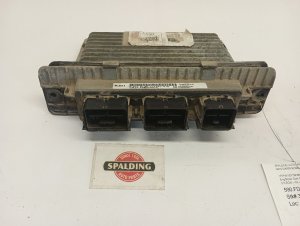
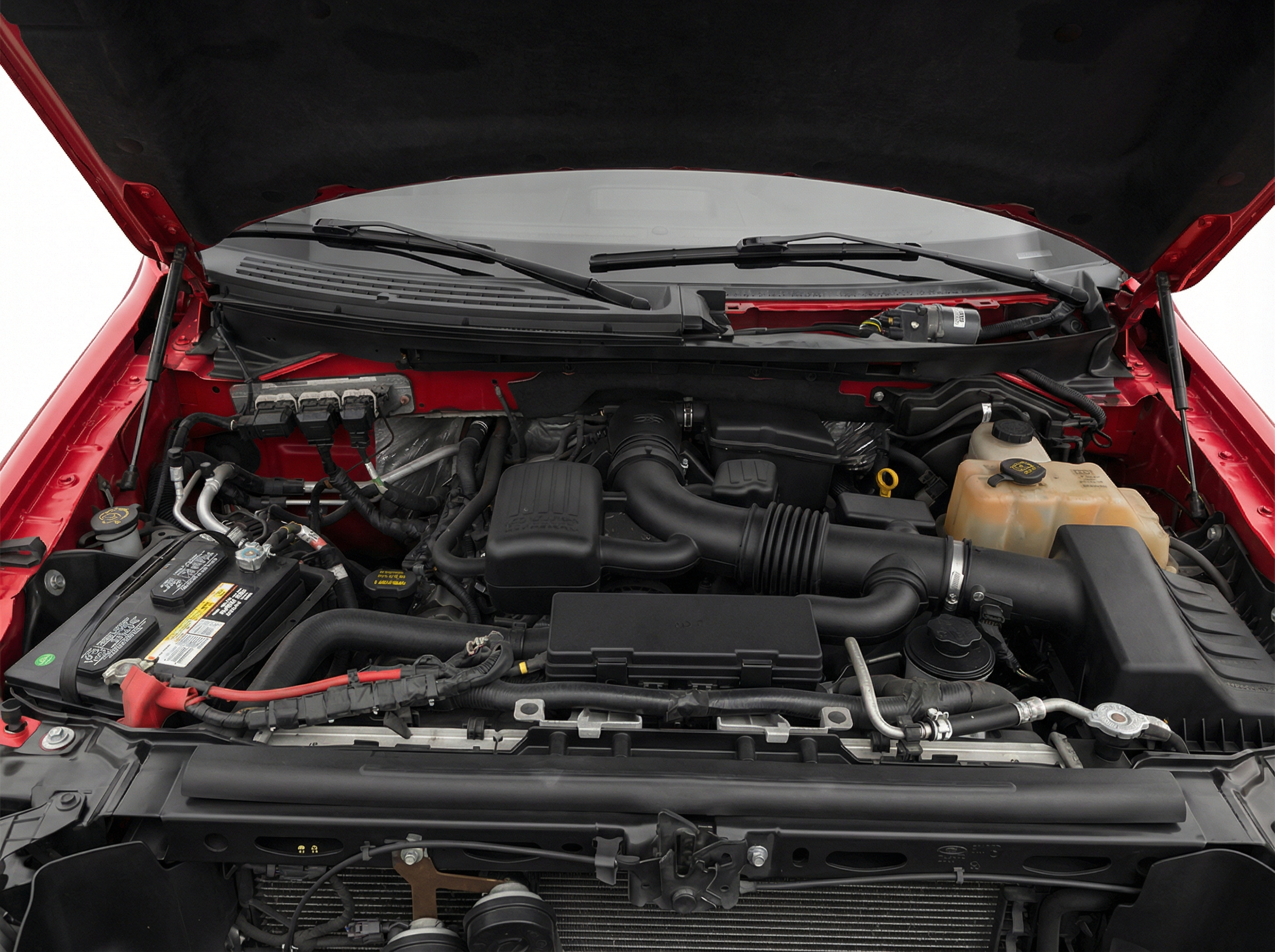
New Aftermarket Parts Available
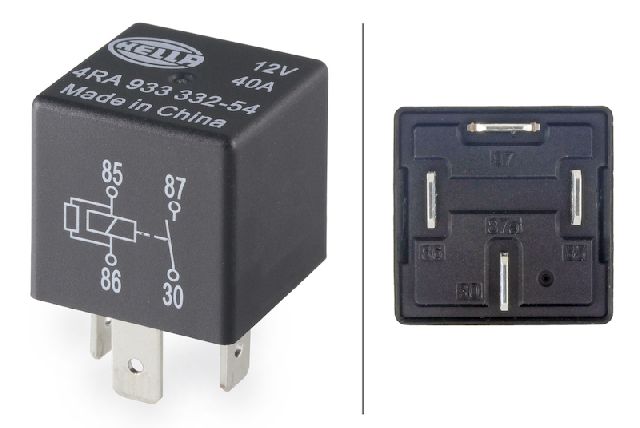

The information in this article is provided for general reference and educational purposes only. Vehicle specifications, procedures, and part compatibility can vary by production date, trim level, and region. Always consult your vehicle's factory service manual and verify part numbers before purchasing or performing repairs. Safety-critical components such as airbags, seat belts, and braking systems should be installed by a qualified professional.
- Ford F-150:
- 🧭 Diagnostic Flowchart
- 🎬 Helpful Videos
- 🛍️ Shop This Part
- What's Unique About the 2009-2014 Ford F-150
- Symptoms You May Notice
- Rare But Worth Checking
- Diagnosis Steps
- Parts You'll Likely Need
- Technical Service Bulletins (TSBs) & Recalls
- Hidden / Shadow Codes Worth Checking
- Scan Tool Commands That Help
- Wiring & Ground Locations
- Model Year Variations Within This Range
- Other Known Issues on This Vehicle
- Used vs. New Parts: Buying Guide for This Vehicle
- Related OBD-II Codes
- Frequently Asked Questions
- 🎟️ Get 5% Off