

P2015 on 2007-2015 Audi Q7 3.0L V6 TDI: Intake Runner Sensor Causes and Fixes
On the Audi Q7 3.0L TDI, code P2015 is almost always caused by a worn plastic stop on the intake manifold's actuator motor, allowing it to over-rotate. The definitive fix is a simple and inexpensive aftermarket metal bracket that limits the motor's movement, costing around $20-$70 and taking less than 30 minutes to install. Before purchasing parts, owners must check if their vehicle is covered by the TDI Extended Emissions Warranty, as this repair may be covered at no cost.
- P2015 on a 3.0L TDI Q7 is almost certainly caused by a worn plastic stop on the intake manifold actuator motor.
- Do not replace the entire intake manifold. The problem can be permanently fixed with an inexpensive aftermarket metal repair bracket.
- The repair is very simple and can be done in under 30 minutes with a T30 Torx driver, making it an easy DIY job.
- Before buying any parts, call an Audi dealer with your VIN to see if the repair is covered for free under the TDI Extended Emissions Warranty.
- If you also have code P2020 for Bank 2, buy a kit with two brackets and repair both sides at the same time.
What's Unique About the 2007-2015 Audi Q7
The 3.0L V6 TDI engine, used across the VAG lineup (including Audi, VW, and Porsche), has a well-documented design weakness regarding the P2015 code. The fault is rarely with the sensor or the manifold itself, but rather with a small plastic stop on the actuator motor (V157) that wears down or breaks over time from heat and use. This allows the actuator arm to travel too far, triggering the 'implausible signal' fault. The aftermarket has responded with a robust and simple metal bracket that provides a new, durable stop, making this a cheap and permanent fix that avoids a very expensive dealer repair which would typically involve replacing the entire manifold.
Symptoms You May Notice
- Check Engine Light illuminated
- Flashing glow plug light
- Reduced engine performance or 'limp mode'
- Rough or unstable idle
- Decreased fuel economy
- Hesitation or poor throttle response
- Replacing the entire intake manifold assembly. This is an expensive repair often suggested by dealerships, but it is rarely necessary for a P2015 code alone, as the manifold and flaps are usually intact. The issue is almost always the external actuator stop.
- Replacing the intake manifold position sensor. The sensor is integrated into the actuator motor assembly and is not sold separately. It is usually functioning correctly by accurately reporting the out-of-range condition caused by the worn stop.
Most Likely Causes
- Worn Actuator Motor Linkage Stop 🔴 High Probability The original actuator motor (V157) uses a small plastic stop to limit its range of motion. This plastic piece becomes brittle and wears down over time, allowing the motor to over-rotate. This is a well-known design flaw across the VAG 3.0L TDI platform.
How to confirm: Visually inspect the intake manifold runner actuator motor (V157) on Bank 1 (passenger side in the US). Observe the linkage arm's movement. If it moves past the small plastic stop or if the stop is visibly worn or broken, this is the cause. An immediate return of the P2015 code after clearing it is a strong indicator of this over-travel issue.
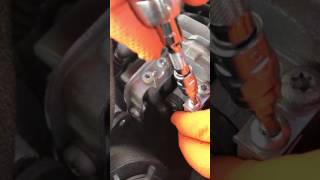
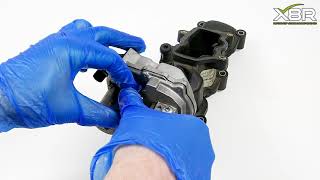
Typical fix: Install an aftermarket metal repair bracket onto the actuator motor housing. This bracket provides a new, durable stop for the linkage arm, preventing over-travel. The installation is simple, often requiring only a T30 Torx driver and less than 30 minutes.
Est. part cost: $20-$70 - Sticking or Seized Intake Manifold Swirl Flaps 🟡 Medium Probability → Shop Engine Intake Manifold TDI engines are susceptible to heavy carbon buildup within the intake manifold due to the Exhaust Gas Recirculation (EGR) system. This carbon can cause the swirl flaps to bind or stick, preventing them from moving freely and potentially causing the motor to strain or report an incorrect position.
How to confirm: With the engine off, disconnect the linkage from the actuator motor and attempt to move the swirl flap arm by hand. It should move smoothly through its range. If it is stiff, gritty, or stuck, carbon buildup is likely the cause.
Typical fix: The intake manifold must be removed and cleaned to remove the carbon deposits. This can be done via walnut blasting or manual cleaning. In severe cases, the entire intake manifold may need to be replaced if the flaps are damaged or cannot be freed.
Est. part cost: $0 (if cleaning) - $400+ - Failed Intake Manifold Runner Actuator Motor (V157) ⚪ Low Probability → Shop Engine Intake Manifold While less common than the linkage stop failure, the electric motor itself can fail internally. The integrated position sensor is part of this assembly and is not sold separately.
How to confirm: Use a capable diagnostic scan tool (like VCDS) to perform an output test on the actuator motor. If the motor does not respond or shows erratic behavior despite having good power and ground, it has likely failed. Sometimes the motor can sound weak during operation.
Typical fix: Replace the intake manifold runner actuator motor. The OEM part number has several revisions, including 059129086D, 059129086L, 059129086M, and 059129086G.
Est. part cost: $150-$300
Rare But Worth Checking
- Broken Swirl Flap Linkage: The plastic linkage arms connecting the motor to the swirl flap rod can become brittle and break or the ball joint can wear, causing the arm to pop off. This is less common than the actuator stop wearing out.
- Wiring or Connector Issues: Damage to the wiring harness or corrosion in the 5-pin connector for the actuator motor can cause an electrical fault, though mechanical failure is far more probable for this specific code.
Diagnosis Steps
- Connect an OBD-II scanner and confirm the presence of the P2015 code. Check for P2020 (Bank 2) as well.
- Check with an Audi dealer using your VIN to see if the vehicle is covered by the TDI Extended Emissions Warranty. This repair is often covered at no cost.
- Locate the intake manifold runner actuator motor (V157) for Bank 1 (passenger side in the US).
- Visually inspect the actuator motor and its linkage. Look for a small plastic stop on the motor housing where the linkage arm rests. Check if this stop is worn, broken, or if the arm is traveling past it. Clearing the code and seeing if it returns immediately upon ignition cycle can confirm the over-travel.
- If the stop is worn, the most effective repair is to install an aftermarket metal repair bracket. This typically requires removing one T30 Torx screw, fitting the bracket, and reinstalling the screw.
- If the stop appears intact, disconnect the linkage and manually move the swirl flap arm on the manifold. It should move smoothly. If it is stuck or difficult to move, the manifold is likely clogged with carbon and requires cleaning or replacement.
- If the linkage moves freely and the stop is intact, use a scan tool to run an output test on the actuator motor to verify its electrical function. Check for power and ground at the connector if the motor is unresponsive.
- After any repair, clear the fault codes. The Check Engine Light may turn off on its own after a few drive cycles if the repair was successful.
Parts You'll Likely Need
- Intake Manifold Actuator Repair Bracket — This is the definitive fix for the most common cause of P2015 on this engine: the worn plastic stop on the actuator motor. The metal bracket provides a new, permanent stop for the actuator arm.
Trusted brands: X8R, Dieselgeek, Vertex
OEM price range: N/A
Aftermarket price range: $20-$70 - Intake Manifold Runner Actuator Motor
(OEM #059129086 (variants include D, G, J, K, L, M))— In the rare case that the motor itself has failed electrically, it will need to be replaced. This part contains the motor and the integrated position sensor.
Trusted brands: VDO, Bosch, Genuine VW/Audi
OEM price range: $250-$400
Aftermarket price range: $150-$250
Related Codes That Often Appear With This One
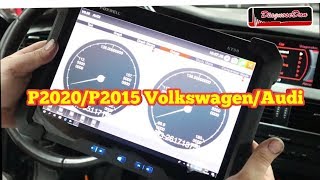
- P2020 — This is the identical fault code for Bank 2 (driver's side in US). Since the V6 TDI engine has two intake manifolds, each with its own actuator, the plastic stops often wear out at a similar rate. It is common to see both codes together, and it is highly recommended to repair both banks at the same time.
- 008213 — This is the VAG-specific fault code number that corresponds to the generic OBD-II code P2015. It will be seen when using a VAG-compatible scanner like VCDS or OBDeleven.
Technical Service Bulletins (TSBs) & Recalls
- 01-12-55 (2030192/1): This TSB addresses P2015/P2020 codes on 4.2L FSI (gasoline) engines due to sticking linkages or deformed potentiometer seals. While not directly for the TDI, it shows a pattern of intake runner issues on Audi V-engines.
- Bulletin #A0124312072273_2: This manufacturer bulletin provides information for when the MIL is on and the electric changeover valve N316 triggers codes including P2014 and P2015.
Platform-Specific Known Issues
- TDI Extended Emissions Warranty: As part of the 'Dieselgate' settlement, many of these vehicles are covered by an extended warranty that includes the entire emissions system. The warranty covers the engine, OBD system, and all components reasonably impacted by the emissions modification. Owners should always check with an Audi dealer using their VIN to see if this P2015 repair is covered at no cost before attempting a DIY fix.
Mechanic-Grade Diagnostic Values
- Voltage supply to Intake Manifold Runner Position Sensor (G336) — expected: Approximately 5V between Pin 1 and Pin 3 of the disconnected harness connector with ignition on.. Failure: If voltage is not present, there is a wiring issue between the ECU and the sensor connector.
- Continuity check of sensor wiring — expected: Resistance of 1.5 ohms or less between the sensor harness connector terminals and the corresponding terminals on the ECU connector (T94).. Failure: Resistance higher than 1.5 ohms indicates an open circuit or high resistance in the wiring harness.
Hidden / Shadow Codes Worth Checking
- 008213: This is the VAG-specific fault code number that corresponds directly to the generic OBD-II code P2015, meaning 'Intake Manifold Flap Position Sensor (Bank 1): Implausible Signal'. (see via VAG-compatible diagnostic tools such as VCDS (VAG-COM), OBDeleven, or Autel scanners.)
Scan Tool Commands That Help
- VCDS (VAG-COM) or ODIS: Engine (01) -> Basic Settings -> Group 142: Intake Manifold Runner Adaptation — After replacing the actuator motor or installing a repair bracket, this function forces the ECU to cycle the flaps and relearn the mechanical end-stop positions. An 'ERROR' status during or after the procedure indicates a persistent mechanical fault (like a jammed flap) or an electrical issue.
- VCDS (VAG-COM) or ODIS: Engine (01) -> Output Tests — To command the V157 motor to cycle. This helps verify if the motor is responding to ECU commands, which can distinguish a failed motor from a wiring or signal problem.
Wiring & Ground Locations
- V157 / G336 Connector — The 5-pin electrical connector is located directly on the intake manifold runner actuator motor (V157) for each bank. Bank 1 is on the passenger side in the US.. This is the primary connection for the actuator motor and its integrated position sensor (G336). Technicians test for 5V reference, ground, and signal at these pins to rule out wiring issues before condemning the motor.
- Engine Ground Strap — The main engine-to-chassis ground strap is located near the starter motor and connects the engine block to the vehicle's chassis. Access may require removing the airbox.. A corroded or loose main ground strap can cause a variety of intermittent electrical faults and incorrect sensor readings across the engine, including implausible signals from position sensors like the G336. While not a direct cause, it's a critical check for any electrical gremlins.
- ECU Connector T94 — The Engine Control Unit (J623) is located in the plenum chamber (the area under the windshield wipers). The T94 is the 94-pin connector for the ECU.. This is the termination point for the sensor wiring. Continuity checks are performed between the sensor connector and the T94 connector to find open circuits or shorts in the harness.
Real Owner Repair Stories
- DPF Solutions Sheffield YouTube Video (Audi/VW 2.7L or 3.0L TDI) — P2015 fault code.
✅ What actually fixed it The aftermarket repair bracket fixed the code, but the video notes that some brackets have a small adjusting screw. If the fault code does not clear after installation, the adjusting screw may need to be turned one thread at a time until the fault clears, effectively fine-tuning the stop position. - AudiWorld Forums user (2008 Audi Q7 3.0L TDI) — Slow/weak engine starting, various electrical errors.
❌ Tried (didn't work) Checking grounds near the ECU.
✅ What actually fixed it The user replaced the main engine-to-chassis earth strap located near the starter motor, which required removing the airbox for access. This resolved the starting issues and can prevent erroneous sensor codes caused by poor grounding. - NHTSA ODI #11542990 — An owner of an Audi vehicle reported a CEL code P2015 on an emissions failure report and noted that a technical service bulletin exists detailing how the repair should be covered under the extended warranty.
OEM Part Supersession History
059129086D→059129086M— Part revision and update by the manufacturer. The core design and failure mode (worn plastic stop) are similar across revisions.
Heads up: 059129086M is a direct replacement for 059129086D. Other compatible variants include L, G, J, and K. While physically interchangeable, some aftermarket suppliers note that software may need to be updated or adapted when changing between certain versions, though this is not typically required for the common P2015 fix.
Model Year Variations Within This Range
- 2007-2015: While the P2015 fault and its primary cause (worn actuator stop) are consistent across the first-generation Q7 TDI, there were several engine code variations (e.g., BUG, BKS, CATA, CASA). These engines may have minor differences in component placement or part number revisions for the actuator motor, but the diagnosis and repair procedure for P2015 remains the same.
Diagnostic Flowchart
Other Known Issues on This Vehicle
Issues unrelated to this code that are worth knowing about as an owner of this generation:
- Timing Chain Tensioner Rattle on Cold Start 🔴 High — Commonly reported above 80,000 miles. A 1-3 second rattle on cold start is the primary symptom. Repair is very expensive as it requires engine removal.
- Panoramic Sunroof Drain Leaks 🟠 Medium — Very common as the vehicle ages. Blocked front drains or detached rear drain tubes can cause water to leak into the cabin, potentially damaging sensitive electronics like the BOSE amplifier in the spare tire area.
- AdBlue (DEF) Heater Failure 🟠 Medium — The heater element in the AdBlue/DEF tank is prone to failure, which will prevent the vehicle from starting after a certain number of miles. This was subject to a warranty extension under the Dieselgate settlement. (Ref: VW Service Action 26K2 (Warranty Extension))
- Leaking Fuel Injector Seals ('Black Death') 🟠 Medium → Shop Fuel Injector — Occurs with mileage, often noticed by a 'chuffing' sound or fuel/exhaust smell in the cabin. Requires removal of injectors and replacement of copper seals.
Used vs. New Parts: Buying Guide for This Vehicle
When a used part is the smart pick: A used actuator motor (V157) is a risky but potentially budget-friendly choice if the primary failure is confirmed to be something else (e.g., carboned-up flaps) and your original motor is damaged during removal. A used intake manifold is a viable option if it comes from a low-mileage vehicle and is confirmed to be clean inside with freely moving flaps.
Donor-vehicle mileage cap: roughly under 80000 miles for the part to have meaningful remaining life.
What to inspect on the donor part:
- For a used actuator motor, inspect the plastic stop for any signs of wear or brittleness. If it looks worn, it will fail soon.
- For a used intake manifold, manually operate the swirl flap linkage arm. It must move smoothly with no binding or gritty feeling.
- Look inside the manifold ports for carbon buildup. A light coating is normal, but heavy, thick deposits mean it needs extensive cleaning or is a poor choice.
OEM-only on this vehicle (don't cheap out):
- Intake Manifold Runner Actuator Motor (V157): While the primary fix is a bracket, if the motor itself fails electrically, it is strongly recommended to use an OEM (Genuine Audi/VW) or OES (VDO, Bosch) replacement. Cheap, unbranded aftermarket motors have a high failure rate.
Aftermarket brands forum-validated for this vehicle:
- Repair Bracket: X8R, Dieselgeek, Vertex.
- Actuator Motor (if replacement is needed): VDO (often the original supplier), Bosch.
Brands owners have reported issues with on this vehicle:
- Unbranded, low-cost actuator motors from online marketplaces are frequently reported to fail prematurely or be dead-on-arrival.
Real Owner Stories
Aggregated from forums and TSBs cited above. Mileages and costs reflect what owners reported in those sources.
2007-2015 Audi Q7 3.0L V6 TDI
Symptoms: Check Engine Light on with P2015 code; visual inspection showed the actuator linkage arm moving past the small plastic stop on the motor housing.
What fixed it: Installed an aftermarket metal repair bracket to provide a durable stop for the linkage arm, preventing over-travel.
Cost: $20-$70
Source hint: AudiWorld forum MK I Discussion threads regarding P2015 consensus
VW Common Rail TDI (3.0L V6 Platform)
Symptoms: P2015 code triggered by the actuator motor over-rotating because the original plastic stop became brittle and wore down.
What fixed it: Installation of a P2015 repair bracket for aluminum manifolds using a T30 Torx driver.
Source hint: Dieselgeek.com product description and installation videos for P2015 repair bracket
Audi Owner Report (NHTSA ODI #11542990)
Symptoms: Vehicle failed emissions testing with a Check Engine Light and code P2015.
What fixed it: The owner cited a technical service bulletin and the extended emissions warranty as the path for resolving the repair through official channels.
Related OBD-II Codes
Frequently Asked Questions
Will the TDI Extended Emissions Warranty cover the P2015 repair on my Audi Q7?
Does TSB 01-12-55 (2030192/1) apply to my 3.0L TDI engine?
Can I fix the P2015 code without replacing the entire intake manifold?
What part numbers should I look for if I need to replace the actuator motor (V157)?
Why is my Q7 flashing the glow plug light along with the Check Engine Light?
Is the P2015 issue common on other vehicles besides the Q7?
Helpful Videos

Used OEM Parts in Stock
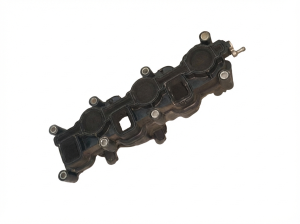
New Aftermarket Parts Available
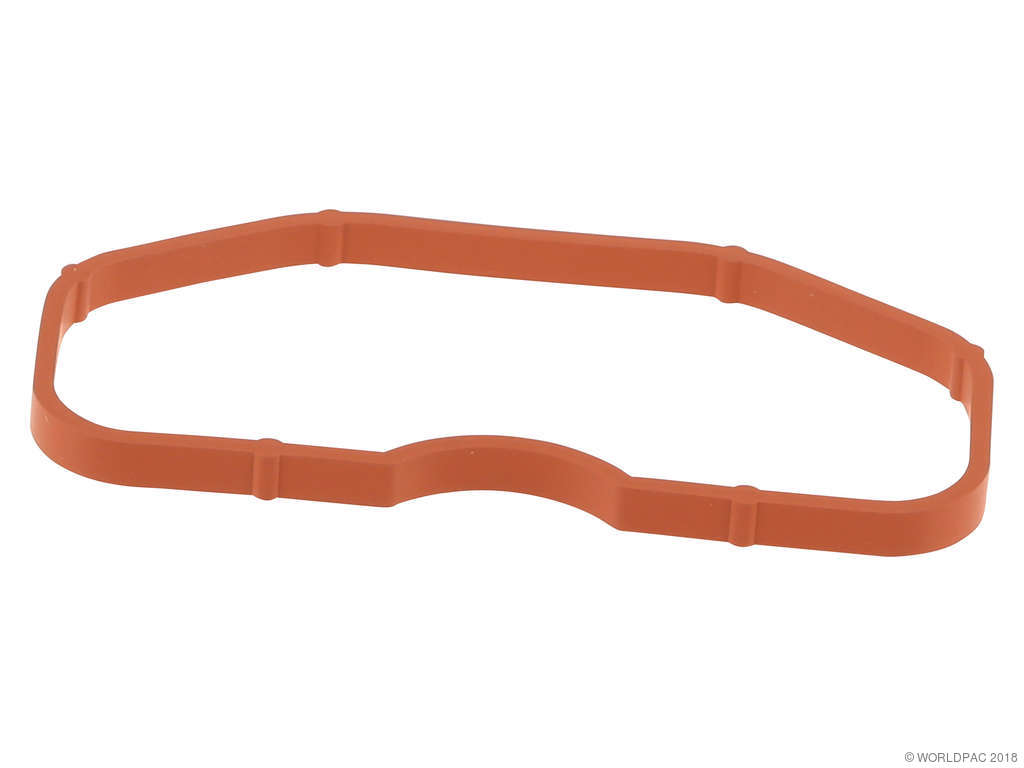

The information in this article is provided for general reference and educational purposes only. Vehicle specifications, procedures, and part compatibility can vary by production date, trim level, and region. Always consult your vehicle's factory service manual and verify part numbers before purchasing or performing repairs. Safety-critical components such as airbags, seat belts, and braking systems should be installed by a qualified professional.
- Audi Q7:
- 🧭 Diagnostic Flowchart
- 🎬 Helpful Videos
- 🛍️ Shop This Part
- What's Unique About the 2007-2015 Audi Q7
- Symptoms You May Notice
- Most Likely Causes
- Rare But Worth Checking
- Diagnosis Steps
- Parts You'll Likely Need
- Related Codes That Often Appear With This One
- Technical Service Bulletins (TSBs) & Recalls
- Platform-Specific Known Issues
- Mechanic-Grade Diagnostic Values
- Hidden / Shadow Codes Worth Checking
- Scan Tool Commands That Help
- Wiring & Ground Locations
- Real Owner Repair Stories
- OEM Part Supersession History
- Model Year Variations Within This Range
- Other Known Issues on This Vehicle
- Used vs. New Parts: Buying Guide for This Vehicle
- Real Owner Stories
- 2007-2015 Audi Q7 3.0L V6 TDI
- VW Common Rail TDI (3.0L V6 Platform)
- Audi Owner Report (NHTSA ODI #11542990)
- Related OBD-II Codes
- Frequently Asked Questions
- 🎟️ Get 5% Off