

P2096 on 2015 Jeep Grand Cherokee: Lean Fuel Trim Causes and Fixes
P2096 on a 2015 Grand Cherokee most often points to an exhaust leak before the downstream O2 sensor or a needed PCM software update. Check for TSBs 18-098-16 and 18-036-15 REV-A before replacing parts, as a simple reflash often resolves the issue without any part replacement.
- Before buying any parts for a P2096 code on a 2015 Grand Cherokee, check if a PCM software update (TSB 18-098-16) has been performed.
- The most common physical cause is an exhaust leak between the engine and the downstream O2 sensor on the passenger side.
- A smoke test is the most effective way to diagnose both exhaust and vacuum leaks.
- Do not replace the O2 sensor until you have ruled out software issues and exhaust leaks, as it's often not the root cause.
What's Unique About the 2015-2015 Jeep GRAND CHEROKEE
On many vehicles, P2096 points directly to a part failure. However, for the 2015 Grand Cherokee, Jeep issued Technical Service Bulletins (TSBs) because the original PCM software was overly sensitive and could trigger this code erroneously. Therefore, a critical first step is checking with a dealer using your VIN to see if the PCM software has been updated per TSBs 18-098-16 or 18-036-15 REV-A. These updates were specifically released to address false P2096, P2097, P2098, and P2099 codes. Ignoring this can lead to unnecessary and expensive parts replacement, a common complaint in owner forums.
Diagnostic Flowchart
Tap your situation to follow the diagnostic path that matches what you're seeing on this vehicle.
Symptoms You May Notice
- Check Engine Light is on
- Reduced fuel economy
- Rough idle or engine knocking
- Poor acceleration or loss of power
- Engine misfires
- A ticking or hissing sound from the exhaust, especially on a cold start, indicating a leak
- Replacing the oxygen sensor without first checking for exhaust leaks or required PCM software updates. An exhaust leak will cause the new sensor to read lean as well, and a software issue cannot be fixed with a new part. This is a very common mistake reported by owners.
Most Likely Causes
- PCM Software Update Needed 🔴 High Probability The original factory software calibration was too sensitive and could falsely trigger fuel trim codes. This is a widely documented issue for this model year.
How to confirm: A Jeep dealership or a properly equipped independent shop with a wiTECH scanner can check the vehicle's software version against the latest updates mentioned in TSBs 18-098-16 or 18-036-15 REV-A. You can call a dealer with your VIN to see if the update has already been performed.
Typical fix: The dealer will reflash the Powertrain Control Module (PCM) with the updated software. The process takes about 30 minutes but requires a proprietary scanner.
Est. part cost: $0-$250 - Exhaust Leak 🔴 High Probability Exhaust systems are exposed to constant heat cycles and corrosion. On models with the 5.7L HEMI V8, broken exhaust manifold bolts are a known issue that can cause leaks. Leaks are also common at the flange gaskets or flex pipes, allowing outside air to be sucked in and fool the O2 sensor.
How to confirm: Visually inspect the exhaust system from the engine manifold to the post-catalyst O2 sensor for cracks, holes, or bad gaskets. Listen for a ticking or hissing sound, especially on a cold start. 🎬 Watch: How to identify the 5.7 HEMI exhaust leak sound A professional smoke test is the most effective way to pinpoint a leak. 🎬 See how to find hidden exhaust leaks with a smoke machine Some owners find leaks by pressurizing the exhaust with a shop-vac (on blow) and spraying soapy water on joints.
Typical fix: Repair the leak. This may involve replacing a gasket, welding a crack, or replacing a section of pipe or the exhaust manifold.
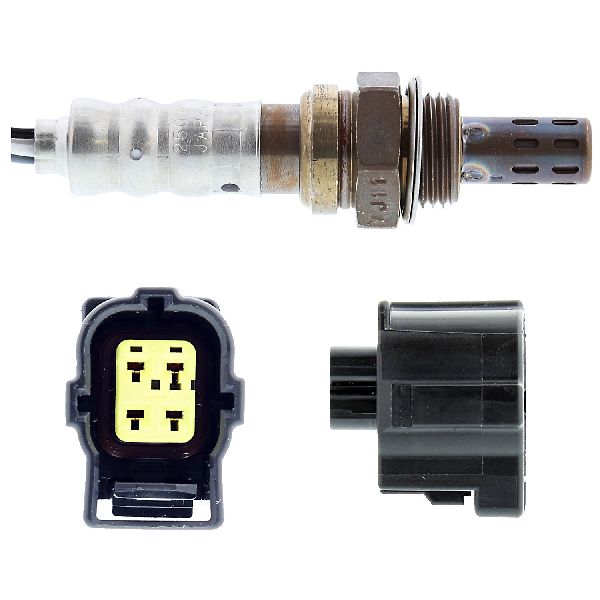
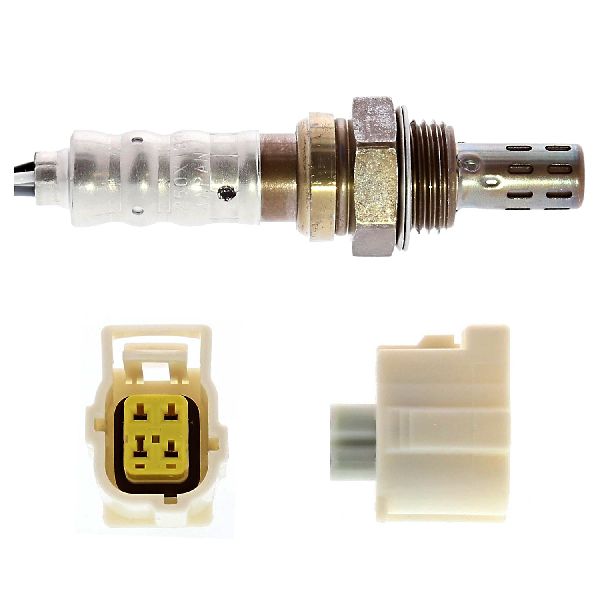
Est. part cost: $20-$400 - Faulty Downstream Oxygen Sensor (Bank 1, Sensor 2) 🟡 Medium Probability → Shop Oxygen Sensor O2 sensors are wear items that degrade over time from heat and contaminants, leading to inaccurate readings. They can become 'lazy' or biased, sending a false lean signal.
How to confirm: Use a scan tool to monitor the live voltage data from the Bank 1 Sensor 2. It should show a relatively stable voltage (typically 0.6V-0.8V) on a warm, running engine. If it's stuck low (below 0.2V) or mimics the rapid switching of the upstream sensor, it's likely faulty (assuming no exhaust leaks). A definitive test is to swap the downstream sensors between Bank 1 and Bank 2. If the code changes to P2098 (Bank 2 Lean), the sensor is bad.
Typical fix: Replace the Bank 1, Sensor 2 oxygen sensor. It is located on the passenger side of the vehicle, after the catalytic converter. 🎬 Watch this walkthrough on replacing the downstream O2 sensors
Est. part cost: $50-$180 - Engine Vacuum Leak ⚪ Low Probability Intake manifold gaskets and vacuum hoses can become brittle and crack over time, allowing unmetered air to enter the engine. While this usually triggers an upstream code (P0171) first, it can eventually cause a P2096.
How to confirm: Perform a smoke test on the intake system. Feed smoke into a vacuum line and look for smoke escaping from gaskets, hoses, or the throttle body area. You can also carefully spray brake cleaner near suspected areas; a change in engine idle indicates a leak.
Typical fix: Replace the leaking hose or gasket.
Est. part cost: $10-$150
Rare But Worth Checking
- Clogged or Failing Catalytic Converter: → Shop Catalytic Converter While less common, a partially clogged converter can alter exhaust flow and cause incorrect readings downstream. This is usually a last resort after all other causes are ruled out. A glowing red hot converter is a sign of a severe clog.
- Fuel Delivery Issue: A weak fuel pump or clogged fuel injector on Bank 1 can cause a true lean condition, but this would typically set an upstream lean code (like P0171) first.
Diagnosis Steps
- Check for TSBs First: Contact a Jeep dealership with your VIN. Ask if TSBs 18-098-16 or 18-036-15 REV-A are open for your vehicle. If so, performing the PCM reflash is the most logical and often cheapest first step.
- Scan for Other Codes: Use an OBD-II scanner to check for other codes. A P2098, P0171, or P0300 provides critical clues to the root cause.
- Inspect for Exhaust Leaks: With the engine cold, start it and listen for any ticking or puffing sounds from the passenger side exhaust manifold and downpipe. Visually inspect for soot trails or cracks.
- Perform a Smoke Test: If no obvious leaks are found, perform a smoke test on the exhaust system to find hidden cracks or gasket failures. This is the most reliable method.
- Analyze O2 Sensor Data: Use a scan tool to view live data for the Bank 1 Sensor 2. The voltage should be relatively steady and above 0.5V. If it's stuck low (<0.2V) or fluctuating wildly like the upstream sensor, it points to a problem.
- Consider a Sensor Swap: If you suspect the sensor and have a V-engine, swap the Bank 1 and Bank 2 downstream sensors. If the code follows the sensor and becomes P2098, you've confirmed the sensor is bad.
- Check for Vacuum Leaks: If other methods fail, perform a smoke test on the engine's intake system to rule out vacuum leaks.
Parts You'll Likely Need
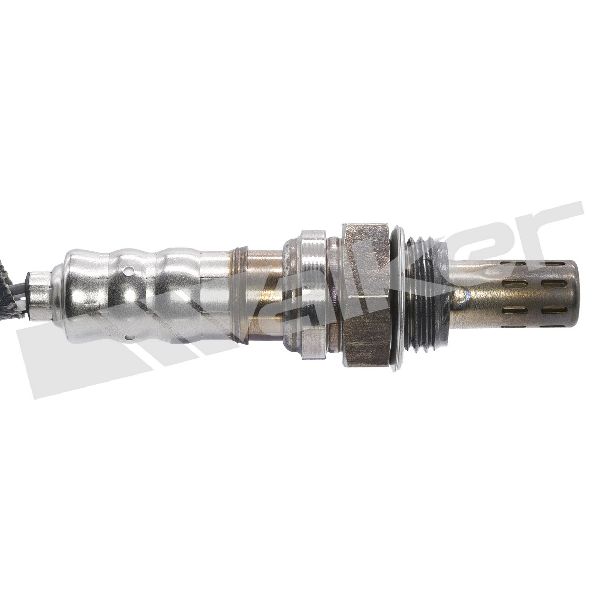
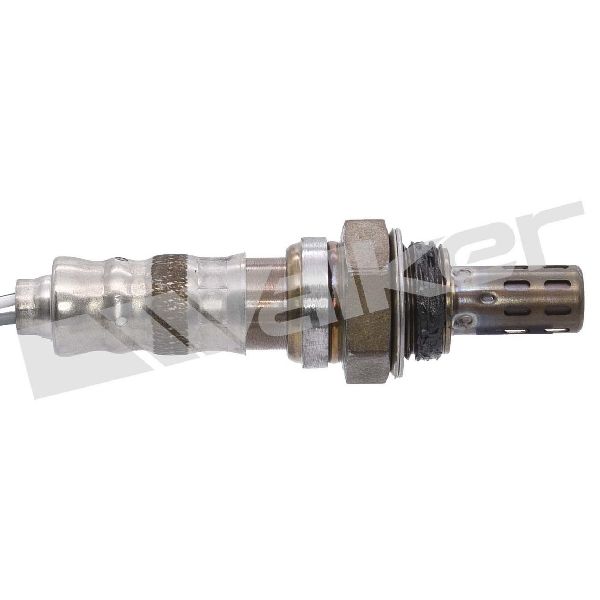
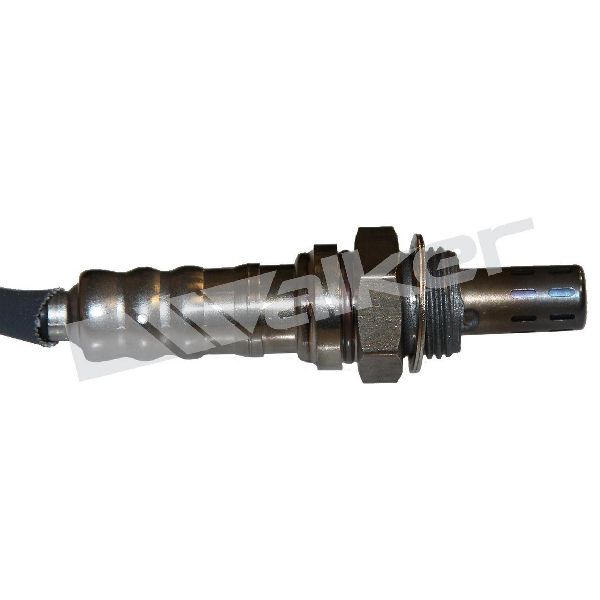
- Downstream Oxygen Sensor (Bank 1, Sensor 2)
(OEM #5149171AB)— This sensor provides the reading that triggers the code. If it has failed or is providing inaccurate data after leaks and software are ruled out, it must be replaced.
Trusted brands: Mopar, NTK, Denso, Bosch
OEM price range: $100-$180
Aftermarket price range: $50-$120 - Exhaust Manifold Gasket — Exhaust leaks at the manifold are a primary cause of P2096, especially on the 5.7L HEMI engine. The failed gasket must be replaced to seal the leak.
Trusted brands: Fel-Pro, Mopar, Walker Exhaust
OEM price range: $20-$60
Aftermarket price range: $10-$40
Related Codes That Often Appear With This One
- P2098 — This is the same lean code but for Bank 2 (driver's side). Seeing both P2096 and P2098 together strongly suggests a systemic issue like a PCM software glitch, a large vacuum leak affecting both banks, or a fuel delivery problem.
- P0300 — This 'Multiple Cylinder Misfire' code is mentioned alongside P2096 in Jeep's TSBs. A lean condition can lead to misfires, and the PCM software update is designed to address both. [12, 26, Bulletin #18-098-16, Bulletin #18-036-15 REV-A]
- P0171 — This is 'System Too Lean (Bank 1)' detected by the *upstream* sensor. If you see P0171 with P2096, it strongly suggests a true lean condition caused by a vacuum leak or fuel delivery problem, rather than an exhaust leak or bad downstream sensor.
Technical Service Bulletins (TSBs) & Recalls
- 18-098-16: Recommends a PCM software update to address P2096 and other fuel trim/misfire codes for certain 2015 models. [Bulletin #18-098-16]
- 18-036-15 REV-A: Also recommends a PCM software update for P2096 and a list of related diagnostic trouble codes on 2015 models with the 6.4L engine, showing a pattern of software issues for this model year. [26, Bulletin #18-036-15 REV-A]
Platform-Specific Known Issues
- The Powertrain Control Module (PCM) on 2015 models may have overly sensitive parameters for detecting fuel trim faults, making a software update a common fix.
- Jeep issued TSBs 18-098-16 and 18-036-15 REV-A to address false P2096, P2097, P2098, and P2099 codes via a PCM reflash. This should be the first item checked. [12, 26, Bulletin #18-098-16, Bulletin #18-036-15 REV-A]
- On the 5.7L HEMI V8 engine, broken exhaust manifold bolts are a frequent failure point, leading to an exhaust leak that directly causes the P2096 code.
Mechanic-Grade Diagnostic Values
- Downstream O2 Sensor (B1S2) Voltage — expected: A relatively steady voltage between 0.5V and 0.9V on a fully warmed-up engine at idle.. Failure: Voltage is stuck low (e.g., below 0.4V) or fluctuates rapidly similar to the upstream sensor.
- Short Term Fuel Trim (Bank 1) — expected: Fluctuating close to 0%.. Failure: Consistently high positive percentage (e.g., >10%) would typically set an upstream P0171 code first, but can provide context.
- Long Term Fuel Trim (Bank 1) — expected: Stable and close to 0%, ideally within +/- 5%.. Failure: A high positive number indicates the PCM has been adding fuel over time to compensate for a perceived lean condition.
Hidden / Shadow Codes Worth Checking
- Mode $06, Test ID $81, Comp ID $11: This refers to the onboard diagnostic test results for the Bank 1 Catalyst Monitor. A technician can view the raw test value and compare it against the PCM's minimum/maximum thresholds to see how close the system is to failing, even before a code is set. (see via An advanced OBD-II scan tool capable of displaying Mode $06 data.)
Scan Tool Commands That Help
- wiTECH (Chrysler/Jeep Dealer Tool): Forced O2 Test or O2 Sensor Heater Test — This bidirectional function allows a technician to force the engine rich or lean and directly observe the O2 sensor's voltage response and timing. It can definitively prove if a sensor is 'lazy' or non-responsive without having to physically swap it. The heater test can verify the integrity of the sensor's internal heater circuit.
Wiring & Ground Locations
- G104 — On the engine block, passenger side. This ground point is shared by multiple components, including the A/C clutch and the oxygen sensors.. A corroded or loose G104 ground can cause erratic or incorrect voltage readings from the oxygen sensors, potentially leading to false lean codes like P2096. Checking the integrity of this ground is a crucial step in diagnosing electrical causes.
- Bank 1 Sensor 2 Connector — On the passenger side of the vehicle, following the wiring up from the O2 sensor located after the catalytic converter. It is a 4-pin connector.. This connector is a common point of failure due to exposure to heat and road debris. Inspecting for corrosion, bent pins, or a loose connection is necessary before condemning the sensor itself.
Real Owner Repair Stories
- Forum user reports on JeepGarage.org and similar communities (2015 Jeep Grand Cherokee 5.7L V8) — Check Engine Light with code P2096, sometimes accompanied by a ticking noise from the engine bay when cold.
❌ Tried (didn't work) Replacing the downstream O2 sensor (Bank 1, Sensor 2).
✅ What actually fixed it A smoke test revealed a crack in the passenger side exhaust manifold. Replacing the exhaust manifold and the corresponding gasket resolved the exhaust leak and the P2096 code. - Multiple owner accounts summarized from TSB-related discussions (2015 Jeep Grand Cherokee (V6 or V8)) — Persistent P2096 and/or P2098 codes, often with no other discernible symptoms or audible leaks.
❌ Tried (didn't work) Replacing one or both downstream O2 sensors., Performing a smoke test which passed with no leaks found.
✅ What actually fixed it Taking the vehicle to a Jeep dealership to have the Powertrain Control Module (PCM) reflashed per TSB 18-098-16 or 18-036-15 REV-A. The software update corrected the sensitive fault logic and the code did not return.
"I Checked Everything" — The Actual Cause
- In some cases, a standard smoke test may not reveal a very small pinhole leak or a hairline crack in the exhaust manifold that only opens up under specific temperature and pressure conditions. A more thorough method involves pressurizing the cold exhaust system using a shop vacuum in 'blow' mode and spraying all joints, welds, and the manifold surface with soapy water, then looking for bubbles which indicate a leak missed by the smoke test.
OEM Part Supersession History
5149171AA→5149171AB, which was later superseded by 68144248AA.— Revisions to improve sensor accuracy, durability, or manufacturing process.
Heads up: While the parts are physically interchangeable, it is always recommended to use the latest superseded part number (68144248AA) to ensure compatibility with the latest PCM software calibrations and to benefit from any engineering improvements.
Helpful Videos
We Have This Part in Stock


The information in this article is provided for general reference and educational purposes only. Vehicle specifications, procedures, and part compatibility can vary by production date, trim level, and region. Always consult your vehicle's factory service manual and verify part numbers before purchasing or performing repairs. Safety-critical components such as airbags, seat belts, and braking systems should be installed by a qualified professional.
- Jeep GRAND CHEROKEE:
- 🧭 Diagnostic Flowchart
- 🎬 Helpful Videos
- 🛍️ Shop This Part
- What's Unique About the 2015-2015 Jeep GRAND CHEROKEE
- Symptoms You May Notice
- Most Likely Causes
- Rare But Worth Checking
- Diagnosis Steps
- Parts You'll Likely Need
- Related Codes That Often Appear With This One
- Technical Service Bulletins (TSBs) & Recalls
- Platform-Specific Known Issues
- Mechanic-Grade Diagnostic Values
- Hidden / Shadow Codes Worth Checking
- Scan Tool Commands That Help
- Wiring & Ground Locations
- Real Owner Repair Stories
- "I Checked Everything" — The Actual Cause
- OEM Part Supersession History
- 🎟️ Get 5% Off