

P2096 on 2018-2021 Jeep Wrangler: Causes and Fixes for Post Catalyst Lean Condition
On 2018-2021 Jeep Wranglers with the 3.6L V6, code P2096 is most frequently caused by the passenger side (Bank 1) valve cover gasket leaking oil onto the downstream oxygen sensor. The oil contaminates the sensor's reference air pathway, causing false lean readings. The correct fix involves replacing the valve cover gasket (and potentially the warped valve cover) and the oil-contaminated O2 sensor. Expect to pay $100-$250 for parts for a DIY repair.
- For a 2018-2021 Jeep Wrangler with code P2096, the first and most important check is for an oil leak from the passenger side valve cover onto the downstream O2 sensor.
- If the O2 sensor is contaminated with oil, you must replace both the valve cover gasket and the O2 sensor to permanently fix the issue.
- If no oil leak is present, the next most likely causes are an exhaust leak before the sensor or a failed sensor.
- Do not replace the catalytic converter for this code unless all other possibilities have been definitively ruled out.
What's Unique About the 2018-2021 Jeep WRANGLER

For the Jeep Wrangler JL/JLU with the 3.6L engine, P2096 is very often not a typical fuel system or vacuum leak issue. A well-documented problem, confirmed by multiple Technical Service Bulletins (TSBs), is a leaking valve cover gasket on Bank 1 (the passenger side). This leak drips oil directly onto the downstream O2 sensor. Crucially, the oil soaks the sensor and its wiring, blocking the sensor's ability to draw in clean reference air from the atmosphere. The sensor compares exhaust gas to this reference air, so when the reference is blocked by oil, it sends a false lean signal to the computer. This specific mechanical failure is so common that it should be the first item to check. Note: This issue is specific to the 3.6L V6. The 2.0L Turbo engine will have more traditional causes for P2096, such as exhaust leaks or a failed sensor without external contamination.
Diagnostic Flowchart

Tap your situation to follow the diagnostic path that matches what you're seeing on this vehicle.
Symptoms You May Notice

- Check Engine Light (MIL) is on
- Reduced fuel economy
- Rough or unstable idle
- Poor acceleration or hesitation
- Engine misfires, sometimes triggering other codes like P0300
- Burnt oil smell from the passenger side of the engine bay
- Replacing only the oxygen sensor without fixing the valve cover oil leak that caused it to fail. The new sensor will soon be contaminated and the code will return.
- Replacing the catalytic converter, as P2096 is a fuel trim code, not a catalyst efficiency code (P0420).
- Replacing fuel system parts like the fuel pump before checking for the much more common oil leak and exhaust leaks.
- Replacing upstream O2 sensors or other parts when the issue is the downstream sensor being contaminated.
Most Likely Causes

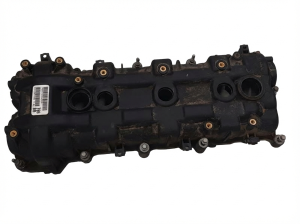
- Leaking Bank 1 (Passenger Side) Valve Cover Gasket 🔴 High Probability → Shop Engine Valve Cover This is a widely documented issue on the 3.6L Pentastar engine, cited in manufacturer TSBs (S1918000008RevC). The gasket fails, allowing engine oil to drip directly onto the downstream O2 sensor, fouling it.
How to confirm: Visually inspect the passenger side valve cover and the area around the downstream O2 sensor for fresh or caked-on oil residue. The sensor is located on the exhaust pipe after the catalytic converter. The oil may also be visible on the sensor's wiring harness.
Typical fix: Replace the Bank 1 valve cover gasket and the oil-contaminated downstream O2 sensor simultaneously. Simply replacing the sensor without fixing the leak will result in a repeat failure. In some cases, the plastic valve cover itself may be warped and require replacement.
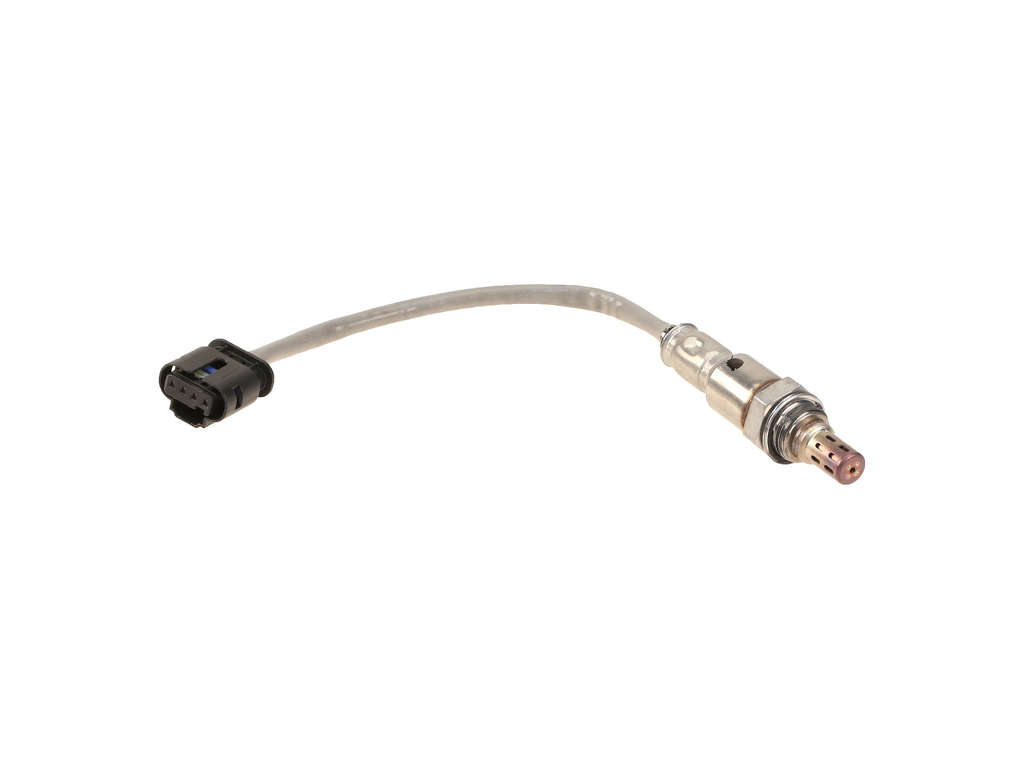
Est. part cost: $100-$250 - Failed Downstream Oxygen Sensor (Bank 1, Sensor 2) 🟡 Medium Probability → Shop Oxygen Sensor The sensor can fail on its own due to age or contamination. However, on this platform, failure is most often caused by the aforementioned oil leak.
How to confirm: After confirming no oil or exhaust leaks, use a scan tool to monitor the voltage of the Bank 1 Sensor 2. If the voltage is stuck low (e.g., below 0.2V) and doesn't fluctuate, the sensor is likely bad or contaminated. A healthy downstream sensor should show a relatively stable voltage around 0.5V-0.8V when the engine is warm and at a steady cruise.
Typical fix: Replace the Bank 1, Sensor 2 oxygen sensor. 🎬 See this walkthrough for replacing the Bank 1 Sensor 2. Ensure the connector is clean and free of oil.
Est. part cost: $50-$100 - Exhaust System Leak 🟡 Medium Probability Leaks from cracked exhaust manifolds, rusted pipes, or failed gaskets between the engine and the downstream O2 sensor can allow outside air to be pulled into the exhaust stream. This extra oxygen is read by the sensor as a lean condition.
How to confirm: Visually inspect the exhaust system for cracks or rust holes. Listen for ticking or hissing sounds, especially on a cold start. A professional smoke test is the most reliable way to find small leaks.
Typical fix: Repair the leak by replacing the cracked component or failed gasket.
Est. part cost: $20-$300 - Fuel Delivery Issues ⚪ Low Probability
How to confirm: Check for other codes related to the fuel system. Test fuel pressure to ensure the pump and regulator are within spec. A genuine lean condition would typically trigger an upstream lean code (P0171) first or simultaneously.
Typical fix: Replace the failing component, such as a weak fuel pump, clogged filter, or dirty injector.
Est. part cost: $50-$400
Rare But Worth Checking
- Intake Vacuum Leak: A significant vacuum leak from a hose or intake gasket can cause a lean condition that is eventually detected by the downstream O2 sensor, though it usually sets an upstream code (P0171) first.
- Warped Valve Cover: → Shop Engine Valve Cover In some cases on the 3.6L Pentastar, the plastic valve cover itself can warp with heat cycles, preventing the gasket from sealing properly even if the gasket is new. If the leak persists after a gasket change, the cover itself may be the culprit.
- Failing Catalytic Converter: → Shop Catalytic Converter While a P0420 code is more common for a bad catalytic converter, a failing converter can sometimes cause erratic O2 sensor readings that may trigger a P2096. This should only be considered after all other causes are ruled out.
Diagnosis Steps
- Read all stored fault codes with an OBD-II scanner. Note any other codes that are present, especially P0171, P0137, or P0300.
- Perform a thorough visual inspection of the passenger side (Bank 1) valve cover on the 3.6L engine. Use a flashlight and look for any signs of fresh oil leaking down the side of the engine block onto the exhaust and the downstream O2 sensor.
- Inspect the downstream O2 sensor's wiring and connector for oil saturation, melting, or physical damage. Oil in the connector is a definitive sign of contamination.
- Inspect the exhaust system from the engine manifold back to the downstream O2 sensor. Look and listen for any cracks, holes, or gasket leaks, especially at flange connections.
- If no leaks are found, use a scan tool to observe live data for the Bank 1 Sensor 2 voltage. It should show a relatively stable voltage between 0.5V and 0.8V when cruising. If it's stuck low (below 0.2V), it confirms a lean reading.
- If an exhaust leak is suspected but not visible, perform an exhaust smoke test to pinpoint the source.
- Only after ruling out all leaks (oil and exhaust) should you consider fuel system issues or a faulty catalytic converter.
Parts You'll Likely Need
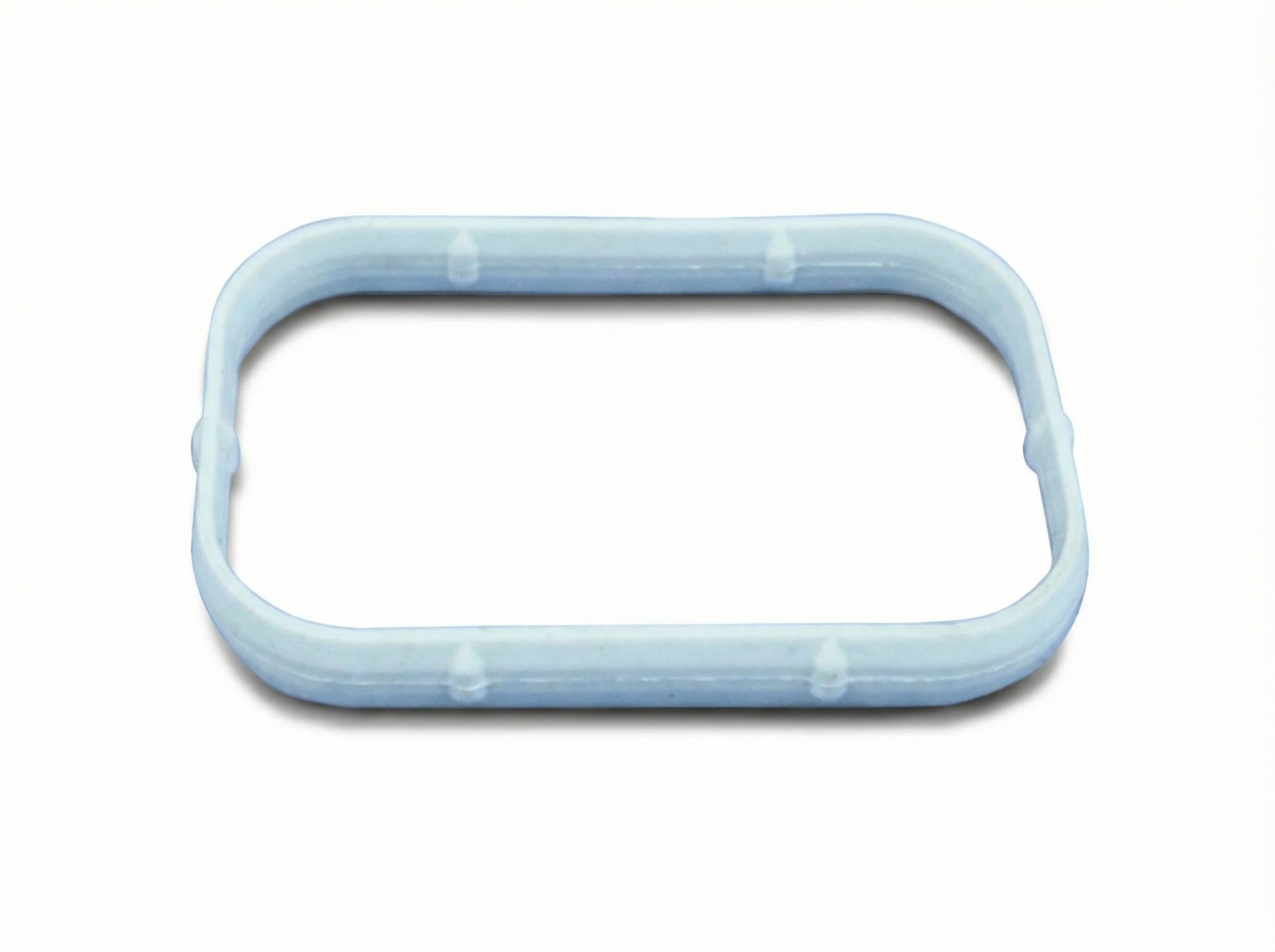
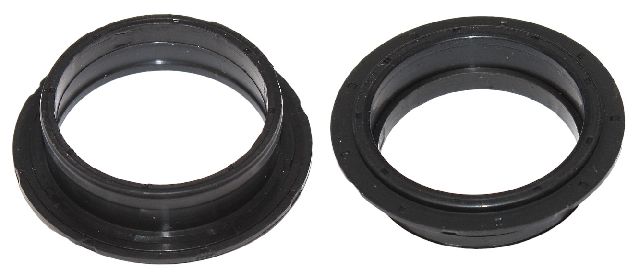
- Bank 1 Valve Cover Gasket Kit
(OEM #68282422AF)— This is the most probable root cause on the 3.6L engine. The original gasket fails, causing an oil leak that contaminates the O2 sensor. Part number is for reference and should be verified with VIN. The previously listed part number (68526220AA) is incorrect and actually corresponds to a fender medallion.
Trusted brands: Mopar, Fel-Pro, Mahle
OEM price range: $80-$120
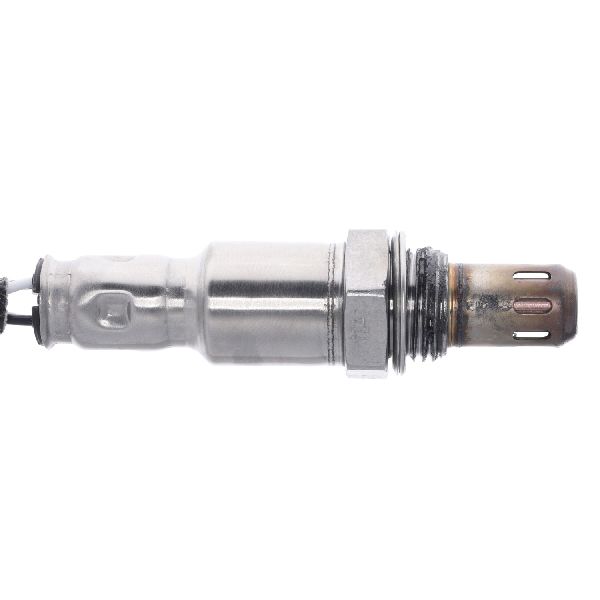
Aftermarket price range: $40-$90 - Downstream Oxygen Sensor (Bank 1, Sensor 2)
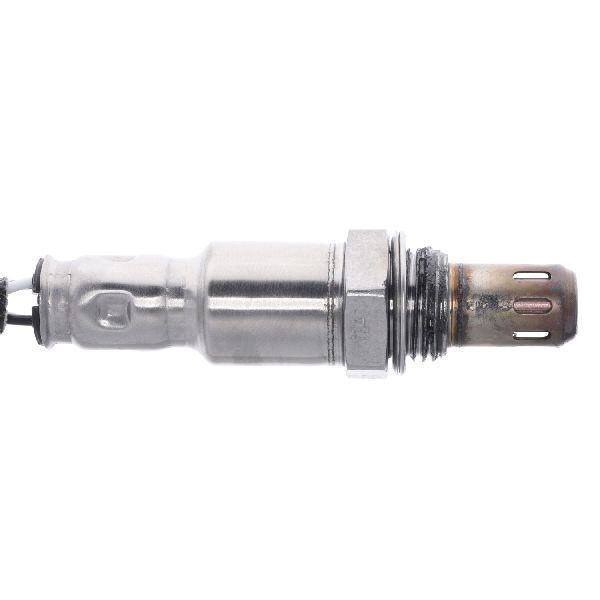
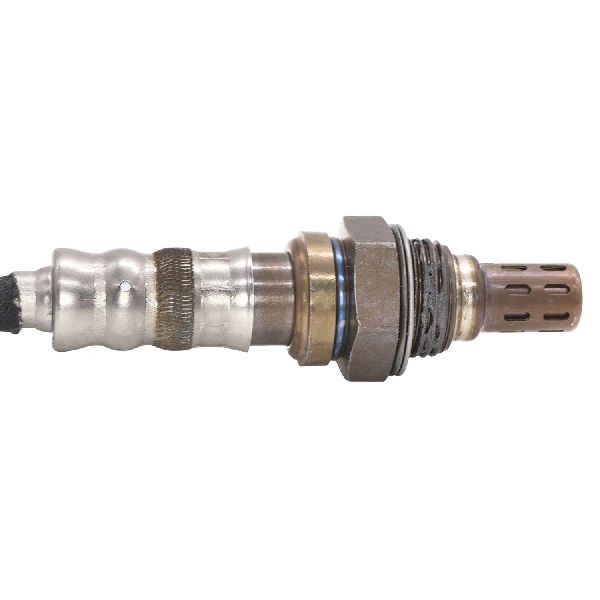
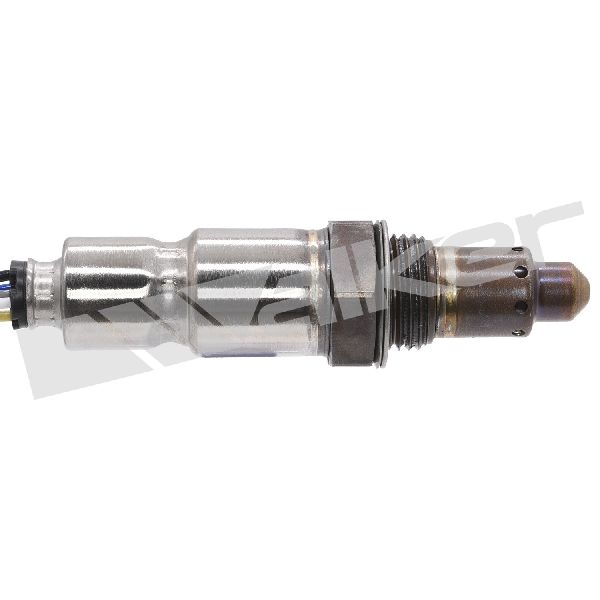
(OEM #68192621AB)— This sensor provides the reading for code P2096. It must be replaced if it has been contaminated by oil or has failed internally. Part number is for reference and should be verified with VIN. The previously listed part number (68395737AA) is incorrect and corresponds to a fuel filler part.
Trusted brands: Mopar, NTK, Bosch, Denso
OEM price range: $60-$100
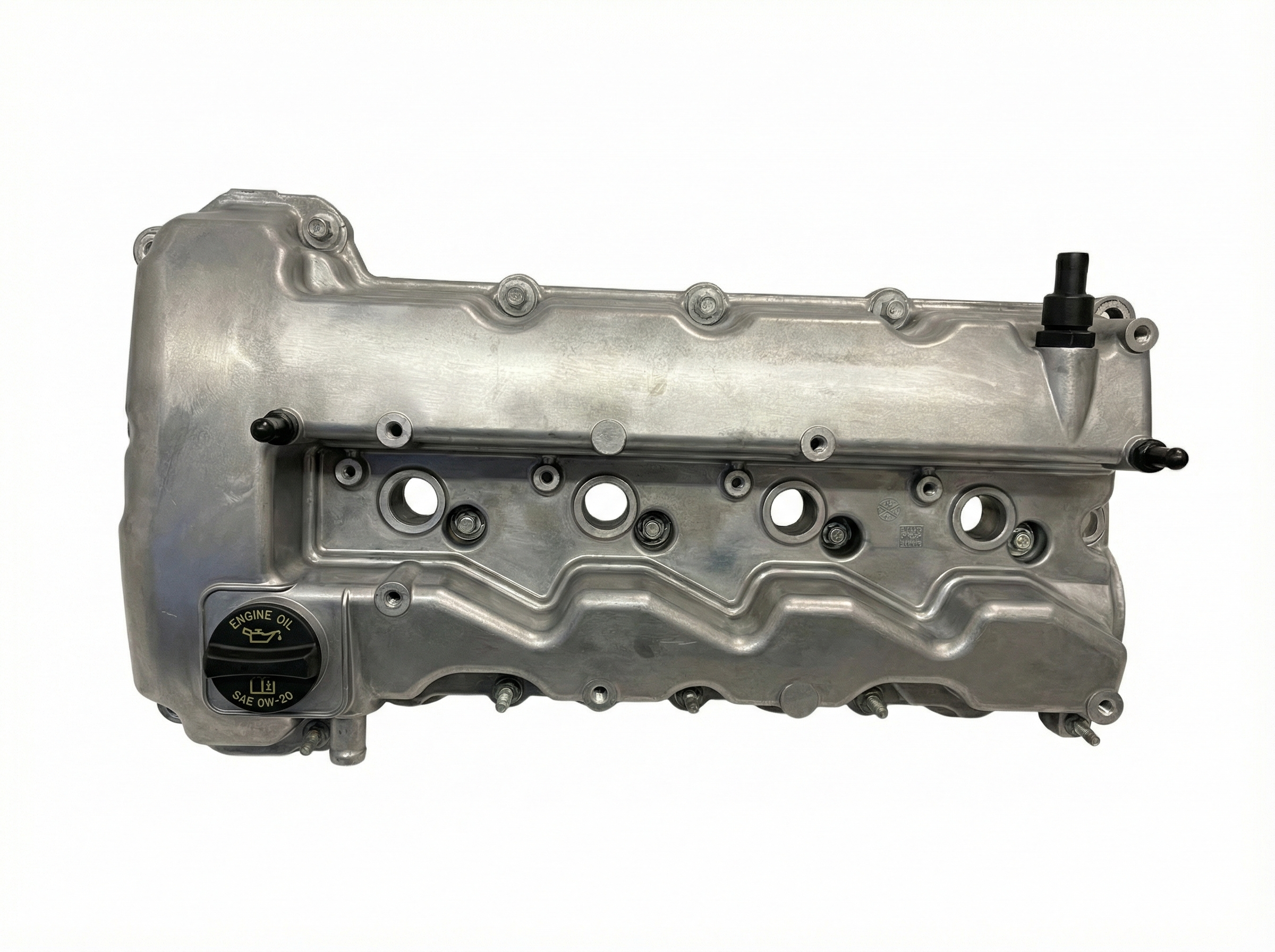
Aftermarket price range: $50-$80 - Bank 1 Valve Cover
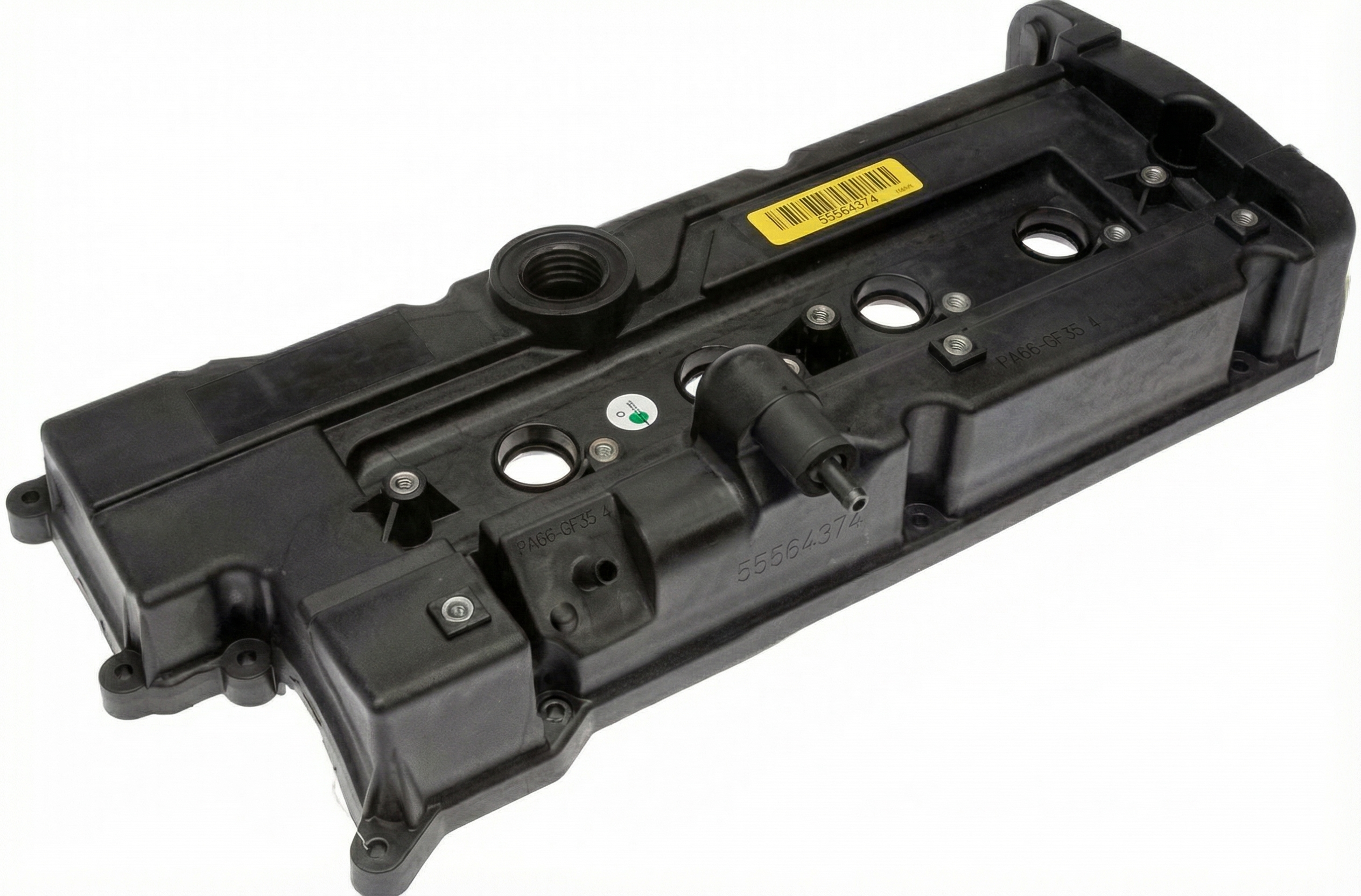
(OEM #4893800AI)— The plastic valve cover can warp over time due to engine heat, preventing a new gasket from sealing properly. If the leak is severe or returns after a gasket replacement, the entire cover may need to be replaced.
Trusted brands: Mopar, Dorman
OEM price range: $150-$250
Aftermarket price range: $100-$180
Related Codes That Often Appear With This One
- P0171 — System Too Lean (Bank 1). This indicates the upstream sensor also detects a lean condition. On this vehicle, it often appears with P2096 as a direct result of the contaminated downstream sensor confusing the fuel trim adjustments.
- P0137 — O2 Sensor Circuit Low Voltage (Bank 1, Sensor 2). 🎬 Watch: Fixing P2096 and P0137 codes on a Jeep Wrangler. This code points directly to a problem with the downstream O2 sensor, which is the sensor that triggers P2096. It confirms the sensor is sending a low voltage (lean) signal.
- P0300 — Random/Multiple Cylinder Misfire. A lean air/fuel mixture can cause incomplete combustion, leading to misfires. This is often a symptom of the underlying lean condition reported by P2096.
Technical Service Bulletins (TSBs) & Recalls
- S1918000008RevC: Notes that a MIL-on condition with DTC P2096 can be caused by an oil leak from the Bank 1 valve cover seal onto the downstream O2 sensor.
- S1918000008 Rev.: An earlier revision of the same bulletin with the same information.
- S1918000008: The original version of the bulletin identifying the oil leak issue.
Platform-Specific Known Issues
- TSB #S1918000008RevC explicitly states that P2096 (along with other codes) can be caused by an oil leak from the Bank 1 valve cover seal onto the downstream O2 sensor.
Mechanic-Grade Diagnostic Values
- Downstream O2 Sensor (B1S2) Live Voltage — expected: Relatively stable between 0.5V and 0.8V on a warm engine at a steady cruise.. Failure: Voltage is stuck consistently low, typically below 0.2V.
- Long Term Fuel Trim (LTFT) Bank 1 — expected: Between -10% and +10%.. Failure: Exceeds +20% to +25%, which is the typical threshold for the PCM to set a lean code like P2096.
- O2 Sensor Heater Element Resistance — expected: 2.0 to 30.0 Ohms at 70°F (21.1°C).. Failure: A reading outside this range indicates a faulty internal heater, which can affect sensor performance.
Scan Tool Commands That Help
- Professional Scan Tool (e.g., Autel, Snap-on, JScan): Reset Fuel Trim Adaptives / Reset Engine Control Module Adaptations — After replacing components like the valve cover gasket and O2 sensor, this function should be used to clear the old learned fuel adjustments. This forces the PCM to relearn fuel strategy with the new, correctly functioning parts, preventing the code from returning due to old data.
Wiring & Ground Locations
- G105 — Shared ground point for the O2 sensor heater circuits.. While P2096 is a fuel trim code, not a heater circuit code, a poor ground at G105 can cause erratic O2 sensor behavior. If the sensor appears unresponsive or provides strange readings even after replacement, verifying the integrity of this ground connection is a valid diagnostic step.
Real Owner Repair Stories
- jlwranglerforums.com user 'EBinOC' and responders (2020 Jeep Wrangler JL with 3.6L, 80k miles) — Codes P0171 and P2096, rough idle, blinking check engine light at highway speeds.
❌ Tried (didn't work) A mechanic replaced Bank 1 coil packs and spark plugs., The same mechanic then replaced the upstream (Bank 1, Sensor 1) O2 sensor.
✅ What actually fixed it Forum members diagnosed the issue remotely as the common Bank 1 valve cover gasket leak. The final confirmed fix was to replace the passenger side (Bank 1) downstream (Sensor 2) oxygen sensor that had been contaminated by oil, and to fix the valve cover leak. A fuel trim reset was also recommended.
"I Checked Everything" — The Actual Cause
- While no specific stories matched this pattern, the overwhelming evidence for this vehicle suggests that technicians should visually inspect for the Bank 1 valve cover oil leak *before* performing a smoke test. A technician who defaults to a smoke test looking for an exhaust or vacuum leak may miss the true root cause if they don't specifically check for oil contamination on the downstream O2 sensor.
OEM Part Supersession History
68526220AA (Incorrect)→N/A— Part number lookup error.
Heads up: Multiple Mopar parts sites list 68526220AA not as a valve cover gasket, but as a 'Fender Front Medallion' or 'Trail Rated' badge. Ordering this part number will result in receiving the wrong item.68395737AA (Incorrect)→68395737AB, 68395737AC— Part number lookup error.
Heads up: This part number and its supersessions are for a 'FUEL FILLER' housing, not an oxygen sensor. Ordering this part will result in receiving the wrong item.
Helpful Videos
Used OEM Parts in Stock
New Aftermarket Parts Available

The information in this article is provided for general reference and educational purposes only. Vehicle specifications, procedures, and part compatibility can vary by production date, trim level, and region. Always consult your vehicle's factory service manual and verify part numbers before purchasing or performing repairs. Safety-critical components such as airbags, seat belts, and braking systems should be installed by a qualified professional.
- Jeep WRANGLER:
- 🧭 Diagnostic Flowchart
- 🎬 Helpful Videos
- 🛍️ Shop This Part
- What's Unique About the 2018-2021 Jeep WRANGLER
- Symptoms You May Notice
- Most Likely Causes
- Rare But Worth Checking
- Diagnosis Steps
- Parts You'll Likely Need
- Related Codes That Often Appear With This One
- Technical Service Bulletins (TSBs) & Recalls
- Platform-Specific Known Issues
- Mechanic-Grade Diagnostic Values
- Scan Tool Commands That Help
- Wiring & Ground Locations
- Real Owner Repair Stories
- "I Checked Everything" — The Actual Cause
- OEM Part Supersession History
- 🎟️ Get 5% Off