

P2098 on 2015 Jeep Grand Cherokee: Downstream Fuel Trim System 2 Lean Causes and Fixes
For a 2015 Jeep Grand Cherokee, code P2098 is often caused by an exhaust leak before the downstream O2 sensor or a faulty sensor itself. However, it's critical to first check if a powertrain software update is needed, as outlined in manufacturer bulletins. An O2 sensor costs between $50 and $150.
- For a 2015 Grand Cherokee, your first step should be to check with a dealer if a PCM software update is needed, as per manufacturer TSBs.
- The most common physical causes are exhaust leaks ahead of the Bank 2 downstream sensor or a faulty sensor itself.
- Always perform a thorough exhaust leak inspection before spending money on a new oxygen sensor.
- P2098 refers to Bank 2, which is the side of the engine opposite cylinder #1.
- Driving with this code active can hurt your fuel economy and cause you to fail an emissions test.
What's Unique About the 2015-2015 Jeep GRAND CHEROKEE
For the 2015 Grand Cherokee, the P2098 code has a significant known issue documented in Technical Service Bulletins (TSBs). Both TSB #18-098-16 and #18-036-15 REV-A indicate that the PCM's software calibration may be too sensitive, leading to this code being set erroneously. Before replacing any parts, it is crucial to have a dealer check if the PCM software is up to date, as a simple reflash could be the correct fix. This procedure involves reprogramming the PCM with updated software that has revised thresholds for the O2 sensor readings.
Diagnostic Flowchart
Tap your situation to follow the diagnostic path that matches what you're seeing on this vehicle.
Symptoms You May Notice
- Check Engine Light is on
- Reduced fuel efficiency
- Hesitation during acceleration
- Rough idling or misfiring
- In some cases, the catalytic converter may overheat.
- Replacing the oxygen sensor when the actual problem is an exhaust leak. A thorough leak check should always be performed before replacing sensors.
- Replacing parts before checking for the required PCM software update specified in the TSBs for this vehicle.
- Replacing the downstream O2 sensor when the upstream sensor is faulty but not setting its own code. A failing upstream sensor can cause fuel trim issues that are ultimately flagged by the downstream sensor.
Most Likely Causes
- Exhaust System Leak 🔴 High Probability Exhaust components can develop leaks at gaskets, welds, or from corrosion, allowing outside air to be pulled into the exhaust stream. A common failure point on these vehicles is a cracked weld where the catalytic converter body meets the exhaust manifold flange. This unmetered oxygen is read by the O2 sensor, causing a false lean reading.
How to confirm: Visually inspect the exhaust system on Bank 2 (passenger side) from the manifold to the downstream O2 sensor for cracks or black soot marks. A professional smoke test is the most effective way to pinpoint a leak. 🎬 Watch: A breakdown of common causes and fixes for P2098. Some owners have found leaks by noticing water condensate dripping from a joint when the exhaust is cold.
Typical fix: Repair the leak. Small holes can sometimes be sealed with exhaust putty or a wrap. However, a cracked weld on the catalytic converter may require professional welding or replacement of the converter assembly.
Est. part cost: $10-$500 - Faulty Downstream Oxygen (O2) Sensor 🟡 Medium Probability → Shop Oxygen Sensor O2 sensors are exposed to extreme heat and contaminants and wear out over time. A failing sensor can send inaccurate voltage signals to the PCM, falsely indicating a lean condition.
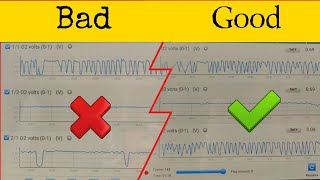
How to confirm: Use a scan tool to monitor the voltage of the Bank 2, Sensor 2. A healthy downstream sensor should show a relatively steady voltage. If the voltage is stuck low (e.g., below 0.2V) or is erratic and not mirroring the upstream sensor's activity, the sensor is likely faulty. A common diagnostic step is to swap the downstream sensors between Bank 1 and Bank 2 to see if the code follows the sensor (e.g., changes to P2096).
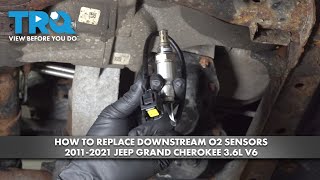
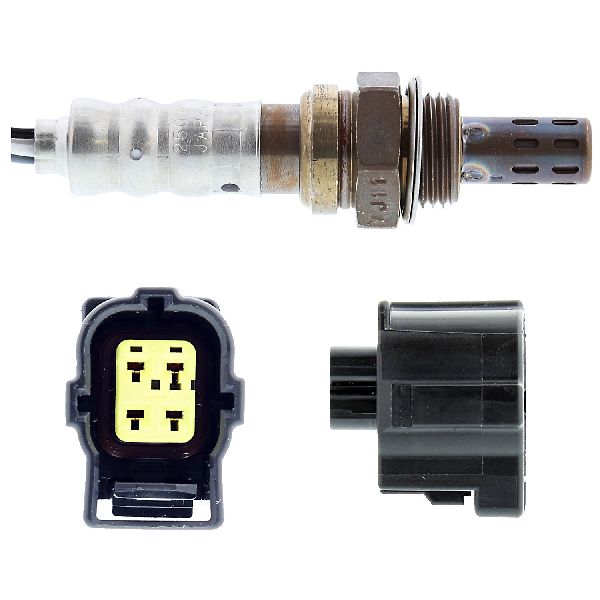
Typical fix: Replace the Bank 2 downstream oxygen sensor. The OEM Mopar part is 5149171AB. 🎬 See this walkthrough on replacing the downstream O2 sensors.
Est. part cost: $50-$150 - Powertrain Control Module (PCM) Software Update Required 🟡 Medium Probability As per TSBs #18-098-16 and #18-036-15 REV-A, the factory software may be overly sensitive and trigger the code. This is a known issue for this specific vehicle and should be checked before replacing parts.
How to confirm: A Jeep dealership or a qualified shop with a subscription to FCA's wiTECH software can check the current PCM calibration number against the latest available version outlined in the TSBs.
Typical fix: Update the PCM software to the latest version. This is a dealer-only or specialist repair that takes approximately 5-10 minutes once connected.
Est. part cost: $100-$250 - Vacuum Leak ⚪ Low Probability Cracked hoses or bad intake manifold gaskets can introduce unmetered air into the engine, causing a true lean condition. This is less likely to be the root cause if P2098 is the only code present, as a vacuum leak typically affects both engine banks and would likely trigger a P2096 as well.
How to confirm: Listen for hissing sounds around the engine bay. Spraying carburetor cleaner near suspected vacuum lines will cause a change in engine RPM if a leak is present. Monitor short-term and long-term fuel trims on a scan tool; high positive numbers indicate the PCM is adding fuel to compensate for extra air.
Typical fix: Replace the leaking vacuum hose or gasket.
Est. part cost: $5-$100
Rare But Worth Checking
- Clogged or Failing Catalytic Converter: → Shop Catalytic Converter A partially blocked converter can alter exhaust flow and pressure, leading to incorrect O2 sensor readings downstream. This is more common on higher mileage vehicles and may be accompanied by a rattling noise or a rotten egg smell.
- Fuel Delivery Issues: A weak fuel pump or a clogged fuel injector on a Bank 2 cylinder can cause a true lean condition. This would typically be accompanied by other codes, such as misfire codes (e.g., P0302, P0304, P0306).
- Incorrect O2 Sensor Installation: → Shop Oxygen Sensor Following a recent repair (like a transmission replacement), it's possible for the O2 sensor connectors to be mixed up between banks or for the wiring to be damaged. A video of a 2014 Grand Cherokee with a chronic P2098 showed that simply resetting the ECU's adaptive memory after sensor replacement resolved the issue, suggesting the system needed to relearn with the new parts. 🎬 Watch: How resetting adaptive memory fixed a chronic P2098 code.
Diagnosis Steps
- Check for Technical Service Bulletins (TSBs). Confirm with a dealer if the PCM software update from TSB #18-098-16 or #18-036-15 REV-A has been performed. This is the most critical first step for this vehicle.
- Scan for any other pending or active trouble codes to get a more complete picture of the issue.
- Thoroughly inspect the exhaust system for leaks, paying close attention to the welds on the catalytic converter and the area between the converter and the downstream O2 sensor on Bank 2 (passenger side). A smoke test is recommended for accuracy.
- Use a scan tool to observe live data from the downstream O2 sensors for both Bank 1 and Bank 2. Compare their voltage readings. The Bank 2 sensor should not be stuck at a low voltage (under 0.2V).
- If no exhaust leaks are found and the PCM is updated, test the Bank 2 downstream O2 sensor's wiring and connections for damage or corrosion.
- Consider swapping the downstream O2 sensors between Bank 1 and Bank 2. Clear the codes and drive the vehicle. If the code returns as P2096 (Bank 1), the sensor is faulty.
- If the code persists as P2098, the issue is not the sensor itself. Investigate for vacuum leaks or monitor fuel pressure and fuel trim values to rule out a true lean running condition.
Parts You'll Likely Need
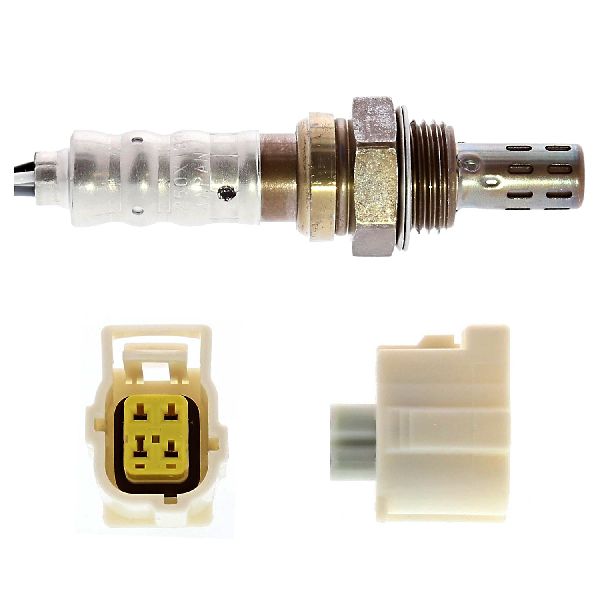
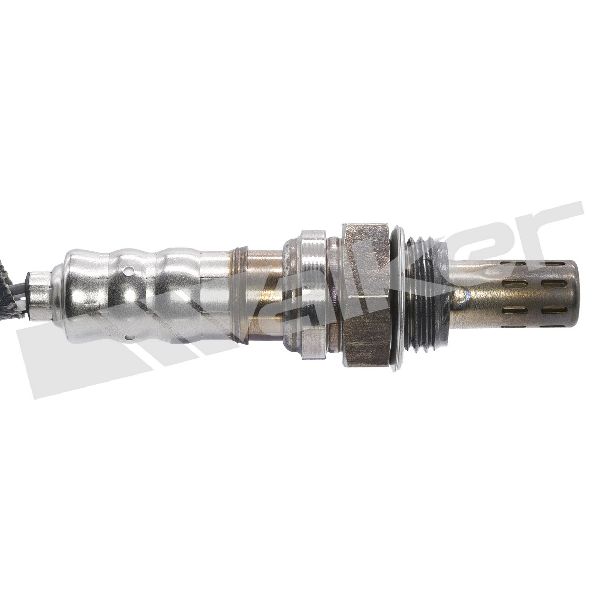
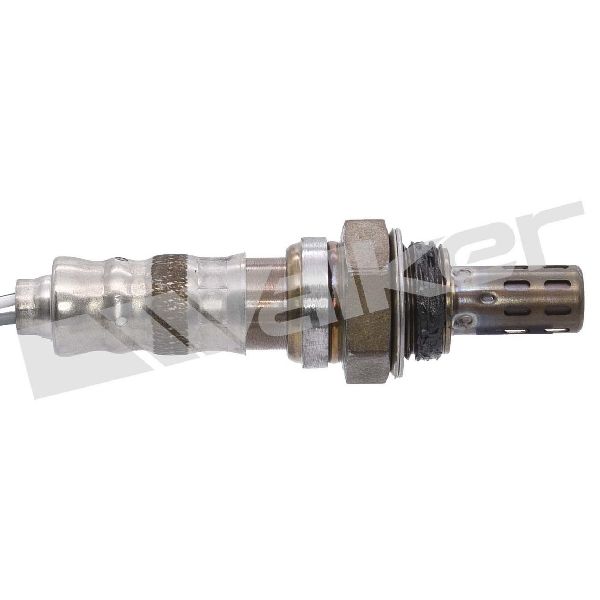
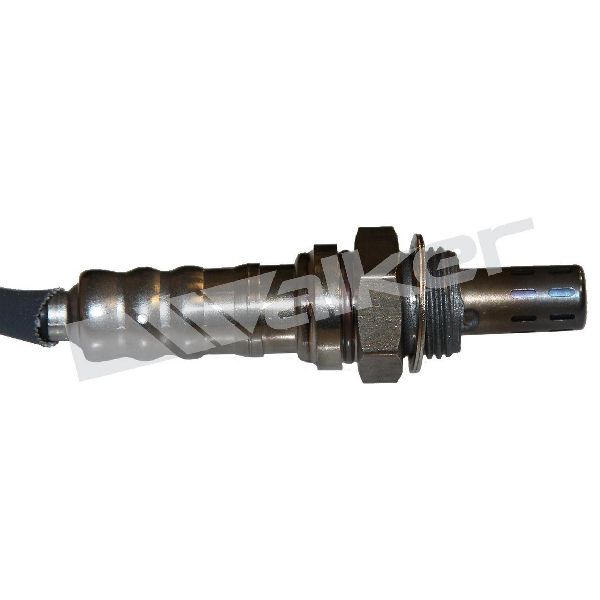
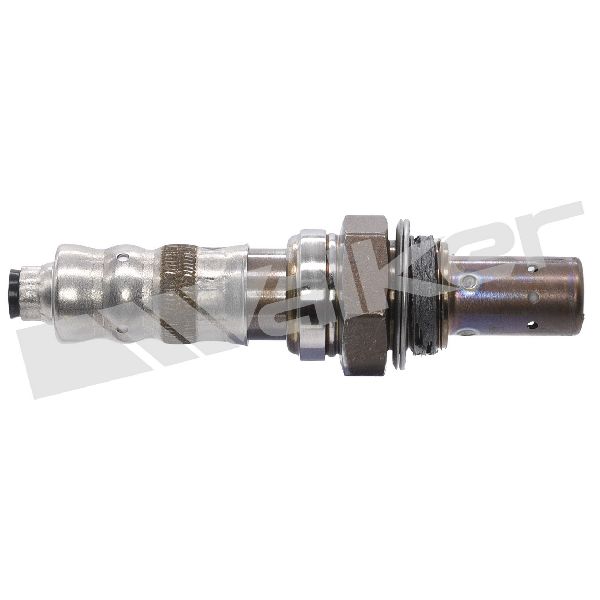
- Downstream Oxygen Sensor (Bank 2, Sensor 2)
(OEM #5149171AB)— This sensor is the primary input for the P2098 code and is a common failure point due to age and heat exposure.
Trusted brands: Mopar, Bosch, Denso, NGK/NTK
OEM price range: $100-$180
Aftermarket price range: $50-$120
Related Codes That Often Appear With This One
- P2096 — This is the equivalent lean code for Bank 1. If both appear, it suggests a systemic issue like a major vacuum leak or fuel pressure problem affecting the whole engine.
- P0300 — This is a random/multiple cylinder misfire code. A lean condition can cause misfires, and both codes are mentioned together in the TSBs for the Grand Cherokee.
- P2097 — This is a code for a rich condition on Bank 1. Seeing opposite codes on different banks can point to complex issues.
- P2099 — This is a code for a rich condition on Bank 2. While less common to see with P2098, it is listed in the same TSBs.
Technical Service Bulletins (TSBs) & Recalls
- 18-098-16: Addresses multiple diagnostic trouble codes, including P2098, that can be resolved with a PCM software update.
- 18-036-15 REV-A: Also recommends a PCM software update for a list of codes including P2098.
Platform-Specific Known Issues
- A PCM software update is often required to correct the logic for this code, as detailed in TSB #18-098-16 and TSB #18-036-15 REV-A. This should be the first item checked with a dealership.
- Owners frequently report cracks in the welds of the catalytic converter assembly, which can be difficult to see without a thorough inspection or smoke test. This is a common cause of a false lean reading.
Mechanic-Grade Diagnostic Values
- Downstream O2 Sensor (2/2) Voltage — expected: A healthy downstream sensor should have a relatively steady voltage, typically between 0.5V and 0.8V, when the catalytic converter is working efficiently.. Failure: A voltage that is stuck low (e.g., below 0.2V) indicates a lean condition or a faulty sensor. On Chrysler/Jeep vehicles, a voltage that hangs just over 0.5V can also indicate a problem with the PCM's fuel trim algorithm.
- O2 Sensor Heater Element Resistance — expected: Between 5 and 7 ohms when tested across the two heater wires (often both white) on a disconnected sensor.. Failure: A reading of infinite resistance (open circuit) or zero resistance (short circuit) indicates a failed heater element, which will prevent the sensor from reaching operating temperature quickly.
- Long Term Fuel Trim (Bank 2) — expected: Ideally close to 0%, but a range of +/- 5% is considered normal.. Failure: Consistently positive values above +10% confirm the PCM is adding significant amounts of fuel to compensate for a perceived lean condition.
Scan Tool Commands That Help
- wiTECH (dealer) or advanced aftermarket (e.g., Autel): Reset Memory / All Adaptives — This should be performed after replacing O2 sensors or performing major repairs like a transmission replacement. It forces the PCM to clear learned fuel trim values and relearn the characteristics of the new components, which can resolve a persistent P2098 code that doesn't clear with a simple DTC erase.
- wiTECH (dealer) or advanced aftermarket (e.g., Autel): Reset ECU — Used in conjunction with resetting adaptives, this performs a more thorough reset of the powertrain control module. In a documented case, this sequence fixed a chronic P2098 code when replacing sensors alone did not.
Wiring & Ground Locations
- PCM Connector C2, Pin 42 — At the Powertrain Control Module (PCM).. This is the specific pin for the O2 Sensor 2/2 (Bank 2, Downstream) signal wire (typically a brown wire). It can be used to test for continuity and voltage directly at the PCM to rule out wiring harness issues.
- PCM Connector C2, Pin 96 — At the Powertrain Control Module (PCM).. This is the pin for the O2 Sensor 2/2 Heater Control circuit (typically a brown/gray wire). A fault in this circuit can prevent the sensor from heating up properly, leading to incorrect readings.
- Engine Block Ground Strap — A braided metal strap connecting the engine block to the chassis. One common location is under the alternator.. A poor or corroded main engine ground can cause erratic voltage readings for multiple sensors, including the O2 sensors which rely on a stable ground reference. While not a direct cause, it can create similar symptoms and should be inspected.
Real Owner Repair Stories
- YouTube channel 'Pine Hollow Auto Diagnostics' (2014 Jeep Grand Cherokee 3.6L) — Chronic P2098 code that set shortly after startup.
❌ Tried (didn't work) Transmission was replaced (original event that started the issue), Replaced all four oxygen sensors
✅ What actually fixed it Using an Autel scan tool, the technician performed a 'Reset Memory' for 'all adaptives', followed by an 'ECU Reset'. After this procedure, the O2 sensors began cycling correctly and the code did not immediately return at idle as it had before.
"I Checked Everything" — The Actual Cause
- In a documented case for a 2014 Grand Cherokee, the vehicle had a persistent P2098 code even after all four O2 sensors were replaced. The issue was not an exhaust leak or a faulty sensor, but rather that the PCM's adaptive memory had not been properly reset. The fix was to use a scan tool to perform a full ECU and adaptive memory reset, which allowed the system to relearn with the new parts and function correctly.
When the Usual Fixes Don't Work
- While replacing the O2 sensor or fixing an exhaust leak are the most common repairs for P2098, they may not be sufficient to turn off the check engine light permanently. Evidence from professional diagnostics shows that after major part replacements related to the fuel or exhaust system, the Powertrain Control Module (PCM) may require a full reset of its adaptive memory tables. A 2014 Grand Cherokee continued to set a P2098 code immediately after startup despite having four new O2 sensors installed. The problem was only resolved after a technician used a scan tool to execute both an 'All Adaptives' memory reset and a full 'ECU Reset'. This forces the computer to relearn the operating parameters from scratch with the new hardware, a step often missed in DIY and even some professional repairs.
OEM Part Supersession History
5149171AA, 68066160AA→5149171AB— Standard part revision and consolidation by the manufacturer.
Helpful Videos

We Have This Part in Stock

The information in this article is provided for general reference and educational purposes only. Vehicle specifications, procedures, and part compatibility can vary by production date, trim level, and region. Always consult your vehicle's factory service manual and verify part numbers before purchasing or performing repairs. Safety-critical components such as airbags, seat belts, and braking systems should be installed by a qualified professional.
- Jeep GRAND CHEROKEE:
- 🧭 Diagnostic Flowchart
- 🎬 Helpful Videos
- 🛍️ Shop This Part
- What's Unique About the 2015-2015 Jeep GRAND CHEROKEE
- Symptoms You May Notice
- Most Likely Causes
- Rare But Worth Checking
- Diagnosis Steps
- Parts You'll Likely Need
- Related Codes That Often Appear With This One
- Technical Service Bulletins (TSBs) & Recalls
- Platform-Specific Known Issues
- Mechanic-Grade Diagnostic Values
- Scan Tool Commands That Help
- Wiring & Ground Locations
- Real Owner Repair Stories
- "I Checked Everything" — The Actual Cause
- When the Usual Fixes Don't Work
- OEM Part Supersession History
- 🎟️ Get 5% Off