

P2101 on 2004-2011 Chevrolet Colorado: Causes and Fixes for Throttle Actuator Faults
On a 2004-2011 Colorado, code P2101 almost always means the electronic throttle body is dirty or failing, causing 'Reduced Engine Power' mode. The most common fix is to thoroughly clean the throttle body. If that doesn't work, replacing the assembly is the next step, costing between $200-$300 for an OEM part. Checking for corroded ground wires on the fenders is also a critical, often overlooked, step.
- P2101 on a 2004-2011 Colorado will almost certainly trigger the 'Reduced Engine Power' mode, making the truck unsafe to drive at normal speeds.
- The first and most important diagnostic step is to thoroughly clean the throttle body. This is the cheapest and most common fix.
- Do not immediately assume you need a new throttle body. A $10 can of cleaner and 30 minutes of work often solves the problem.
- If you replace or deep clean the throttle body, a 'throttle relearn' procedure is necessary to ensure the truck idles correctly.
- Before replacing any parts, check the simple things first: the ETC fuse and the main engine ground wires on the fenders.
What's Unique About the 2004-2011 Chevrolet COLORADO
The first-generation Colorado and its platform mates are known for throttle body issues, a fact supported by multiple GM Technical Service Bulletins (TSBs). Carbon buildup inside the throttle body is a frequent cause, preventing the throttle plate from moving smoothly and triggering P2101. These issues can be more prominent in high-mileage vehicles or during startups in extremely cold weather. TSB PIP4573B specifies that in temperatures around -10°F (-23°C), moisture from the PCV system can freeze in the throttle body, causing it to stick and trigger the code.
Diagnostic Flowchart
Tap your situation to follow the diagnostic path that matches what you're seeing on this vehicle.
Symptoms You May Notice
- "Reduced Engine Power" message on the dashboard
- Check Engine Light is on
- Vehicle will not accelerate properly or has a capped RPM
- Unstable, rough, or surging idle
- Engine may stall at stops or when returning to idle
- Delayed or unresponsive throttle pedal
- Vehicle may not start in rare cases, especially in extreme cold
- Replacing the Accelerator Pedal Position (APP) sensor. P2101 specifically points to a performance problem at the throttle body motor, not the pedal sensor. Other codes, like P2138, are more specific to the pedal sensor on this platform.
Most Likely Causes
- Dirty or Sticking Throttle Body 🔴 High Probability → Shop Fuel Injection Throttle Body Carbon and grime buildup in the throttle bore is a very common issue on this platform, preventing the throttle plate from moving freely. This is often the root cause, especially on higher mileage trucks, as noted in TSB PIP4578B.
How to confirm: Remove the intake hose from the throttle body and visually inspect the throttle plate and bore for a thick black layer of carbon. The plate may feel sticky when moved by hand (with the engine off).
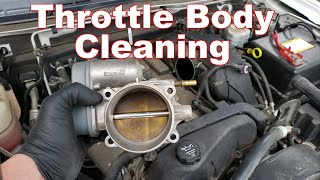
Typical fix: Remove the throttle body and clean it thoroughly with dedicated throttle body cleaner and a soft cloth or brush. Do not just spray cleaner into the intake. 🎬 Watch: Step-by-step guide to cleaning your throttle body properly. It is critical to perform an idle relearn procedure after cleaning.
Est. part cost: $5-$15 for cleaner - Failing Throttle Body Assembly 🟡 Medium Probability → Shop Fuel Injection Throttle Body The internal electric motor or the integrated throttle position sensors can fail over time, which is a known issue for this generation of GM vehicles. The wear is often concentrated in the most-used throttle range, causing dead spots.
How to confirm: If a thorough cleaning does not resolve the code and the wiring is confirmed to be good, the throttle body assembly itself is the likely culprit. A scan tool may show the commanded vs. actual throttle position deviating.
Typical fix: Replace the entire throttle body assembly. An idle relearn procedure is required after replacement.
Est. part cost: $200-$450 - Wiring or Connector Issues ⚪ Low Probability GM vehicles of this era can experience issues with corroded ground connections or damaged wiring in the engine harness. The main ground splice packs located on the inner fenders are a frequent source of various electrical problems, including P2101. The pigtail connector at the throttle body can also have wires break internally from vibration.
How to confirm: Inspect the wiring harness and connector at the throttle body for damage, corrosion, or loose pins. Check the main engine ground points (Splice Packs SP-105 and SP-106) on the fenders for corrosion. Wiggling the harness while the engine is running may trigger the fault.
Typical fix: Repair the damaged section of the harness, replace the pigtail connector, or clean/repair the ground connections. Some owners add redundant ground wires to solve persistent issues.
Est. part cost: $10-$50 for wiring supplies
Rare But Worth Checking
- Missing or Blown Fuse: In one documented case on a 2004 Colorado, the fuse for the Electronic Throttle Control (ETC), located in the underhood fuse box, was missing entirely, causing an immediate P2101 code. Always check fuses before replacing parts.
- Shorted Wiring Harness: In a documented case on a Hummer H3 (a platform mate), a persistent P2101 was traced to a short-to-ground in the low-voltage power wire running from the fuse box to the main computer. The fix was to bypass the damaged section in the main harness with a new wire.
- Faulty Powertrain Control Module (PCM): → Shop Engine Control Module (ECM) This is very rare, but the PCM itself can fail. This should only be considered after all other possibilities, including all wiring and grounds, have been exhaustively ruled out by a professional.
Diagnosis Steps
- Read all stored DTCs with an OBD-II scanner. Note all codes present, especially P1516, P2119, or P2176.
- Inspect the fuse for the Electronic Throttle Control (ETC) system in the underhood fuse box. On a 2004 model, this was fuse #20.
- Inspect the wiring harness and pigtail connector at the throttle body for any signs of damage, corrosion, or loose pins.
- Check the main engine ground connections on the inner fenders for tightness and corrosion. These are Splice Packs SP-105 (driver side) and SP-106 (passenger side), and are a known failure point.
- Remove the air intake duct from the throttle body. Visually inspect the throttle bore and plate for heavy carbon buildup.
- If dirty, remove the throttle body from the vehicle and clean it thoroughly using throttle body cleaner and a soft rag. Have an assistant turn the key on (engine off) and press the gas pedal to open the plate for cleaning; do not force it by hand.
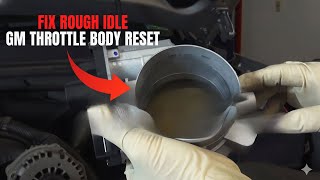
- Reinstall the throttle body and clear the codes. Perform a throttle relearn procedure. A common manual method is to start the engine and let it idle in Park for 3 minutes, turn it off for 60 seconds, then restart and idle for another 3 minutes. A scan tool provides the most reliable relearn. 🎬 Watch: How to manually reset and relearn your throttle body.
- If the code returns after cleaning and relearn, and wiring/grounds are confirmed good, the throttle body assembly is likely faulty and should be replaced.
Parts You'll Likely Need
- Throttle Body Assembly
(OEM #12609500)— This is the most common part to fail if cleaning does not resolve the issue. The assembly includes the throttle plate, actuator motor, and position sensor, which are not typically sold separately. This part number supersedes the older part number 12577029.
Trusted brands: ACDelco (OEM), Standard Motor Products, Hitachi, Dorman
OEM price range: $270-$410
Aftermarket price range: $70-$200 - Throttle Body Cleaner — Required for the most common and first-step fix, which is cleaning carbon buildup from the throttle plate and bore.
Trusted brands: CRC, Berryman, Gumout
Aftermarket price range: $5-$15
Related Codes That Often Appear With This One
- P1516 — This is a GM-specific code for 'Throttle Actuator Control (TAC) Module Performance'. It is frequently set alongside P2101 as they both relate to the throttle body's failure to respond as commanded by the PCM.
- P2119 — This code indicates 'Throttle Closed Position Performance', often meaning the throttle plate is not closing correctly, which can be caused by the same carbon buildup or mechanical failure that triggers P2101.
- P2176 — This code means 'Throttle Actuator Control System - Idle Position Not Learned'. It often appears after a battery disconnect or after cleaning/replacing the throttle body if the relearn procedure hasn't been completed successfully.
- P0068 — This code indicates a mismatch between the Mass Airflow (MAF) sensor, Manifold Absolute Pressure (MAP) sensor, and the throttle position. A sticking throttle can cause this correlation fault, as noted in TSB PIP4578B.
Technical Service Bulletins (TSBs) & Recalls
- PIP4578B: Notes that P2101 can be experienced on high-mileage vehicles, causing idle surge and reduced engine power due to carbon buildup. Recommends cleaning and an idle learn reset.
- PIP4573B: Connects P2101 and other TAC codes to engine starting problems in very cold weather, caused by ice in the throttle body.
Platform-Specific Known Issues
- GM Technical Service Bulletin #PIP4578B directly addresses P2101 (among other codes) related to idle surge and reduced power on high-mileage vehicles, pointing toward carbon buildup or a failing throttle assembly.
- GM Technical Service Bulletin #PIP4573B links P2101 with other throttle codes to starting issues in extreme cold (approx. -10°F / -23°C). This is caused by a frozen PCV system allowing ice/sludge to form in the throttle body, causing the plate to stick.
- Corroded ground packs on the inner fenders are a well-documented cause of various electrical faults on this platform, including P2101.
Mechanic-Grade Diagnostic Values
- Throttle Actuator Control (TAC) Motor Resistance — expected: 5 to 15 Ohms between the two motor control pins.. Failure: A reading of Over Limit (OL) or infinite resistance indicates an open circuit; a reading under 1 Ohm suggests a short circuit.
- Ground Circuit Resistance — expected: Less than 1 Ohm.. Failure: Resistance greater than 5 Ohms between the throttle body connector's ground pin and the chassis ground indicates a poor ground connection.
- Throttle Position Sensor (TPS) Voltage Sweep — expected: Smoothly rises from ~0.5V (closed) to ~4.5V (wide open) as the pedal is pressed.. Failure: Erratic jumps, spikes, or dead spots in the voltage reading indicate a faulty TPS.
- Scan Tool Throttle Position % (Key On, Engine Off) — expected: 13% to 19% at rest (foot off pedal).. Failure: A value stuck at a low percentage (e.g., <10%) or not changing with pedal input suggests a fault.
Scan Tool Commands That Help
- Tech2 / GDS2 or equivalent professional scanner: Throttle Actuator Control (TAC) Test — This bidirectional command allows the technician to command the throttle plate to specific angles (e.g., 25%, 50%, 75%) to verify if the motor responds correctly and if the commanded vs. actual positions match in the live data.
- Tech2 / GDS2 or equivalent professional scanner: ETC Learn / Idle Learn Reset — This function is critical after cleaning or replacing the throttle body. It resets the learned idle and off-idle throttle values in the ECM, preventing issues like high idle or stalling after the repair.
Wiring & Ground Locations
- ETC Fuse #20 — In the underhood fuse block (on 2004 models).. This fuse supplies power to the Electronic Throttle Control system. If it is blown or missing, the throttle body will be completely inoperative and will immediately set a P2101 code.
- SP-105 — Driver's side inner fender, near the battery and behind the ABS module.. This is a main ground splice pack. Corrosion here can disrupt the ground for the Electronic Brake Control Module (EBCM) and Run/Crank relay, causing various electrical issues that can mimic or contribute to throttle body faults.
- SP-106 — Passenger's side inner fender, behind the engine airbox.. This is the other main ground splice pack. A bad connection here can affect the HVAC control module and Data Link Connector (OBD-II port), potentially causing communication errors or other electrical gremlins.
- G103 — Part of the main negative battery cable harness, connected to the left front (driver's side) of the engine block.. This is a primary engine block ground. A poor connection here can cause a host of issues, including problems with the ECM which controls the throttle body.
Real Owner Repair Stories
- YouTube channel 'angel pineda' (2004 Chevrolet Colorado) — Vehicle would not accelerate, Check Engine Light on with code P2101. The owner had recently had a stereo installed.
❌ Tried (didn't work) The technician immediately suspected a wiring or power issue due to the recent stereo work.
✅ What actually fixed it The technician inspected the underhood fuse box and found that the fuse for the Electronic Throttle Control (ETC), position #20, was missing. Installing the correct fuse restored power to the throttle body and completely resolved the P2101 code and drivability issue.
"I Checked Everything" — The Actual Cause
- A common diagnostic path for P2101 involves checking wiring, cleaning the throttle body, and then replacing it. However, a documented case on a 2004 Colorado showed that all of these steps would have failed because the actual cause was a missing ETC fuse in the underhood fuse box. This highlights the importance of checking simple power supply components like fuses before assuming a complex component or wiring failure.
When the Usual Fixes Don't Work
- While the most common fixes for P2101 involve cleaning or replacing the throttle body, there is strong evidence that these steps can be a waste of money if the root cause is simpler. In a documented case on a 2004 Colorado, the vehicle was completely non-responsive to throttle input and showed a P2101 code. The final repair had nothing to do with the throttle body itself; it was a missing ETC fuse in the fuse box, likely removed during an unrelated stereo installation. This proves that verifying the entire circuit's power supply and grounds is a mandatory first step before condemning the throttle body assembly.
OEM Part Supersession History
12577029→12609500— Standard part revision and consolidation by the manufacturer.
Heads up: The replacement part 12609500 may require programming or a special setup procedure (like an idle relearn) to function correctly with the vehicle's ECM. This is not always plug-and-play.
Model Year Variations Within This Range
- 2007-2011: For the 2007 model year, the base and optional engines were updated. The 2.8L I4 was replaced by a 2.9L I4, and the 3.5L I5 was replaced by a 3.7L I5. While the core P2101 issue remains the same, parts listings show different throttle body part numbers for 2004-2006 vs. 2007+ models, meaning the physical part may be different. Always verify the part number with the vehicle's VIN.
Helpful Videos

Used OEM Parts in Stock
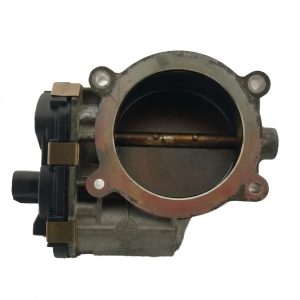
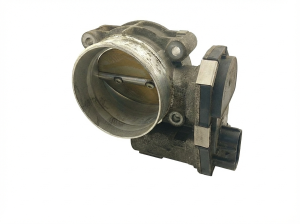
New Aftermarket Parts Available
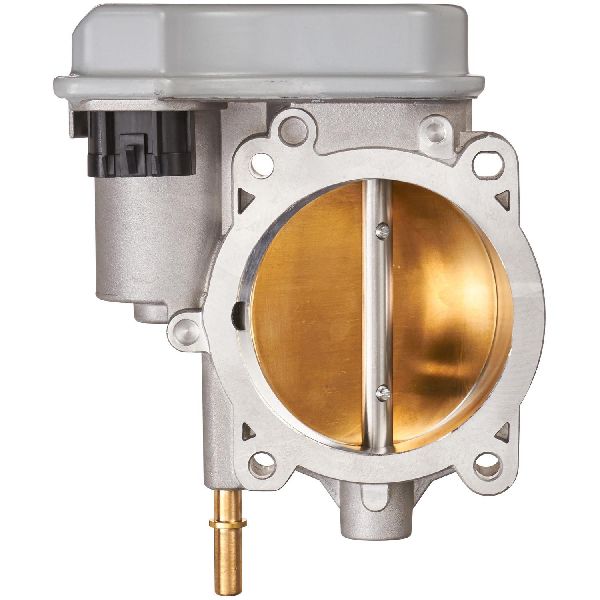



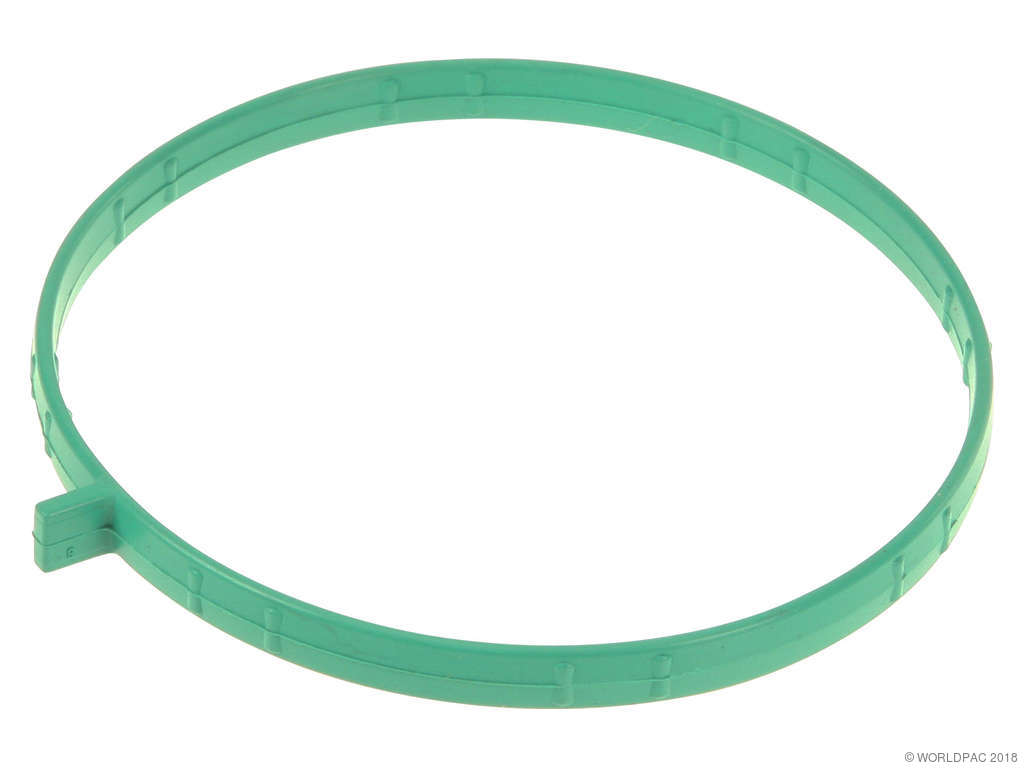

The information in this article is provided for general reference and educational purposes only. Vehicle specifications, procedures, and part compatibility can vary by production date, trim level, and region. Always consult your vehicle's factory service manual and verify part numbers before purchasing or performing repairs. Safety-critical components such as airbags, seat belts, and braking systems should be installed by a qualified professional.
- Chevrolet COLORADO:
- 🧭 Diagnostic Flowchart
- 🎬 Helpful Videos
- 🛍️ Shop This Part
- What's Unique About the 2004-2011 Chevrolet COLORADO
- Symptoms You May Notice
- Most Likely Causes
- Rare But Worth Checking
- Diagnosis Steps
- Parts You'll Likely Need
- Related Codes That Often Appear With This One
- Technical Service Bulletins (TSBs) & Recalls
- Platform-Specific Known Issues
- Mechanic-Grade Diagnostic Values
- Scan Tool Commands That Help
- Wiring & Ground Locations
- Real Owner Repair Stories
- "I Checked Everything" — The Actual Cause
- When the Usual Fixes Don't Work
- OEM Part Supersession History
- Model Year Variations Within This Range
- 🎟️ Get 5% Off