

P2101 on 2005-2009 Saab 9-7X: Throttle Actuator Control Fault Causes and Fixes
On a 2005-2009 Saab 9-7X, code P2101 almost always means the electronic throttle body is dirty or failing, which triggers the 'Reduced Engine Power' warning. The most common fix is to thoroughly clean the throttle body; if that fails, replacement is necessary. A new throttle body costs between $150 and $400. This is a very common issue on its shared GM platform (Trailblazer/Envoy).
- P2101 on this vehicle will immediately put it into 'Reduced Engine Power' mode, making it slow and unsafe for normal driving.
- The first and most important diagnostic step is to thoroughly clean the carbon buildup from the inside of the throttle body. This simple and inexpensive step fixes the problem in a majority of cases.
- If cleaning does not solve the issue, the next step is to inspect the wiring harness near the throttle body connector before assuming the throttle body itself has failed.
- If cleaning and wiring checks don't work, replacing the entire throttle body assembly is the most likely solution.
- After cleaning or replacing the throttle body, you must perform an idle relearn procedure to prevent high idle and ensure the computer recognizes the new clean/closed position.
What's Unique About the 2005-2009 Saab 9-7X
The Saab 9-7X is built on the General Motors GMT360 platform, sharing its entire powertrain and electronics with the Chevrolet Trailblazer, GMC Envoy, Buick Rainier, and Isuzu Ascender. This P2101 code is an extremely common and well-documented fault across this entire family of vehicles. The issue is often caused by carbon buildup from the PCV system, which restricts the throttle plate's movement over time, a known weakness of the design. GM even issued TSB PIP4578B acknowledging this issue on high-mileage vehicles.
Symptoms You May Notice
- Immediate 'Reduced Engine Power' message on the dashboard
- Check Engine Light is on
- Severely limited acceleration and throttle response
- Vehicle will not exceed a low speed (e.g., 25-40 mph)
- Rough or unstable idle
- Potential for engine stalling, especially at idle
- No response from the accelerator pedal
- In some cases, a no-crank condition can occur
- Replacing the Accelerator Pedal Position (APP) Sensor. P2101 specifically points to a fault at the throttle body motor circuit. A bad pedal sensor would typically set different codes, like P2138, often alongside P2135.
- Replacing the Mass Airflow (MAF) Sensor. A dirty or faulty MAF sensor can cause various performance problems, but it is not a direct cause of P2101 and will not fix this specific code.
Most Likely Causes
- Dirty or Sticking Throttle Body 🔴 High Probability → Shop Fuel Injection Throttle Body The PCV (Positive Crankcase Ventilation) system routes oil vapors and combustion byproducts back into the intake, which deposit as sticky carbon on the throttle plate and bore over time. This is a very common issue on the GMT360 platform, acknowledged in GM TSB PIP4578B.
How to confirm: Remove the air intake duct from the throttle body and visually inspect the throttle plate and bore for a thick, black, sticky layer of carbon, especially around the edges where the plate closes. Gently push on the plate (with ignition off); it should move smoothly without catching or sticking.
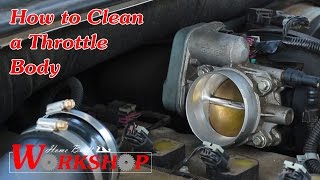
Typical fix: Remove the throttle body from the vehicle, spray it thoroughly with dedicated throttle body cleaner (do not use carburetor cleaner), and wipe away all carbon deposits with a soft cloth. 🎬 Watch: A step-by-step guide to cleaning your throttle body. Reinstall with a new gasket and perform an idle relearn procedure.
Est. part cost: $10-$20 for cleaner and a new gasket. - Failing Throttle Body Assembly 🟡 Medium Probability → Shop Fuel Injection Throttle Body This is the next logical failure point if cleaning does not resolve the issue. The internal electric motor or the integrated throttle position sensors wear out over time, which is common on high-mileage vehicles. This is the most common definitive fix.
How to confirm: If a thorough cleaning and correct relearn procedure do not fix the code, and the wiring is confirmed to be good, the throttle body assembly itself is the culprit. A scan tool can monitor commanded vs. actual throttle position; a discrepancy or jumpy reading confirms failure.
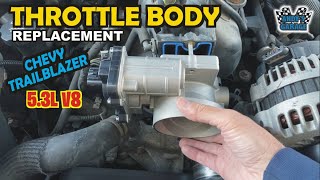
Typical fix: Replace the entire throttle body assembly. This is a bolt-on part that includes the new motor and sensors. 🎬 See this walkthrough on how to replace the throttle body. An idle relearn procedure is required after installation.
Est. part cost: $150-$400 - Wiring or Connector Issue ⚪ Low Probability Engine vibration and heat can cause the wires in the harness leading to the throttle body to fray or break internally, often within a few inches of the connector. The connector pins can also corrode or back out. Poor chassis grounds (specifically G103, G107, G108 on Trailblazers) can also cause this issue.
How to confirm: Visually inspect the 8-pin connector for corrosion or backed-out pins. With the engine running, carefully wiggle the wiring harness near the throttle body to see if it triggers the 'Reduced Engine Power' mode or causes the engine to stumble. Check for a stable 5-volt reference and good ground at the connector pins.
Typical fix: If a broken wire or bad terminal is found, repair the specific circuit or replace the connector with a new pigtail harness (e.g., ACDelco PT2628). Ensure engine and chassis grounds are clean and tight.
Est. part cost: $15-$40 for a pigtail connector.
Rare But Worth Checking
- Shorted Fan Clutch: On the 4.2L I6 engine, the electronic fan clutch can fail internally and short out the 5-volt reference circuit. This circuit is shared with the throttle body and accelerator pedal sensors, which can trigger P2101 and other codes like P2135 or P0641. As a diagnostic step, a user on GMTNation.com disconnected the fan clutch harness connector; if the P2101 code disappears and the engine runs normally (though it will set a fan code), the fan clutch is the likely culprit.
- Faulty Powertrain Control Module (PCM): → Shop Engine Control Module (ECM) This is a very rare cause. The PCM is the computer that controls the throttle body. It should only be considered after all other possibilities, including the throttle body, its wiring, and shared 5V reference circuits, have been definitively ruled out.
- Frozen PCV System (Extreme Cold): GM TSB #PIP4573B notes that in extreme cold (around -10°F), moisture in the PCV system can freeze, causing excessive moisture and ice to form in the throttle body, making it stick and triggering P2101 on startup.
Diagnosis Steps
- Read all stored fault codes with an OBD-II scanner. Note any other codes that appear alongside P2101, especially P1516, P2176, or 5-volt reference codes (P0641, P0651).
- Turn the ignition off. Remove the air intake duct connected to the throttle body.
- Visually inspect the throttle bore and plate for heavy, black carbon buildup.
- Inspect the throttle body's electrical connector and wiring harness for any signs of corrosion, damage, or loose pins. Wiggle the harness to check for intermittent connections.
- If significant carbon is present, remove the four bolts holding the throttle body, disconnect the connector, and clean it thoroughly off-vehicle using throttle body cleaner and a soft rag. Do not use abrasive tools or carb cleaner.
- Reinstall the throttle body with a new gasket.
- Perform a throttle body relearn procedure. A common method for GMT360s without a scan tool is: Start the engine and let it idle for 3 minutes. Turn the engine OFF for 60 seconds. Restart the engine and let it idle for another 3 minutes. The idle should stabilize.
- Clear the codes and test drive the vehicle. If the P2101 code and 'Reduced Engine Power' mode return, the throttle body assembly is likely faulty and requires replacement.
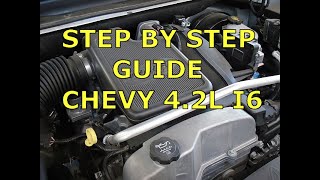
- If 5-volt reference codes are present, consider disconnecting the fan clutch (on 4.2L models) to see if the P2101 code clears, which would isolate the fan clutch as the source of the short. 🎬 Watch: How a faulty fan clutch causes reduced engine power.
Parts You'll Likely Need
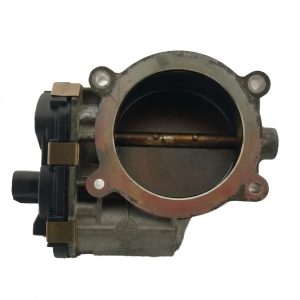
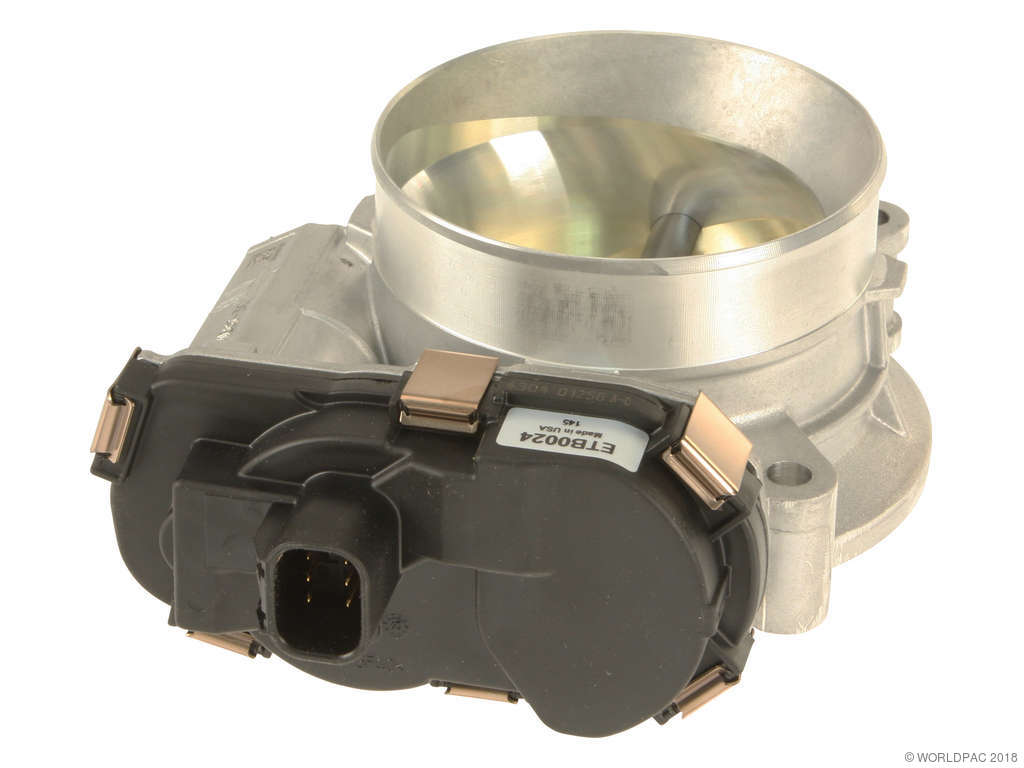
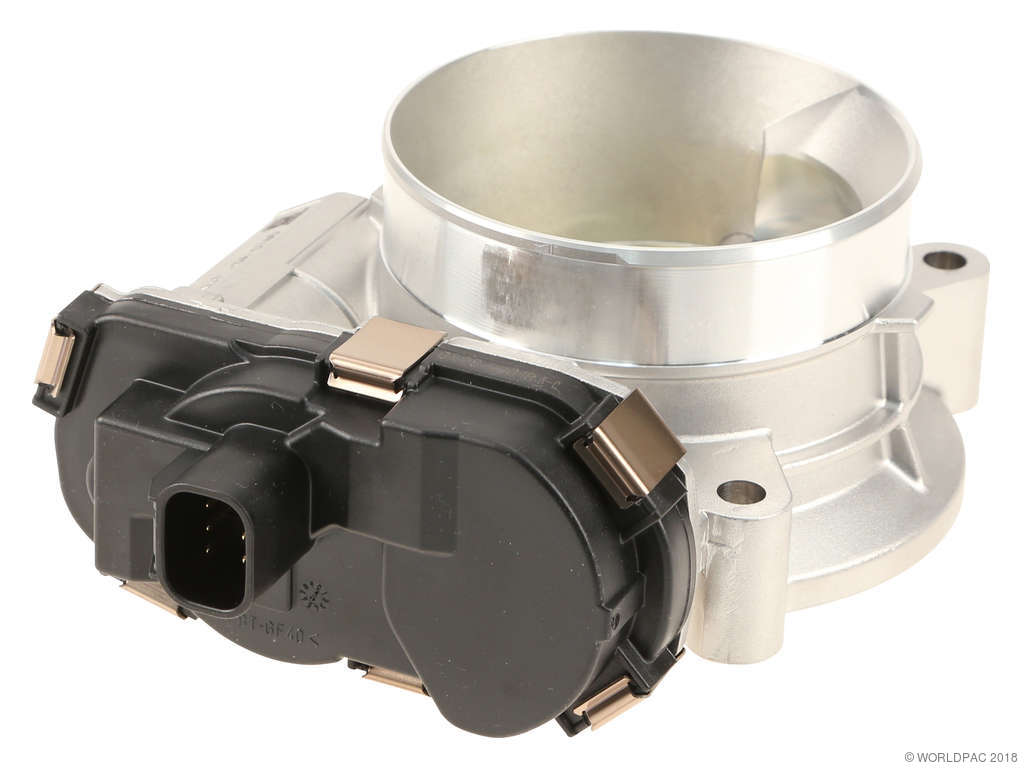
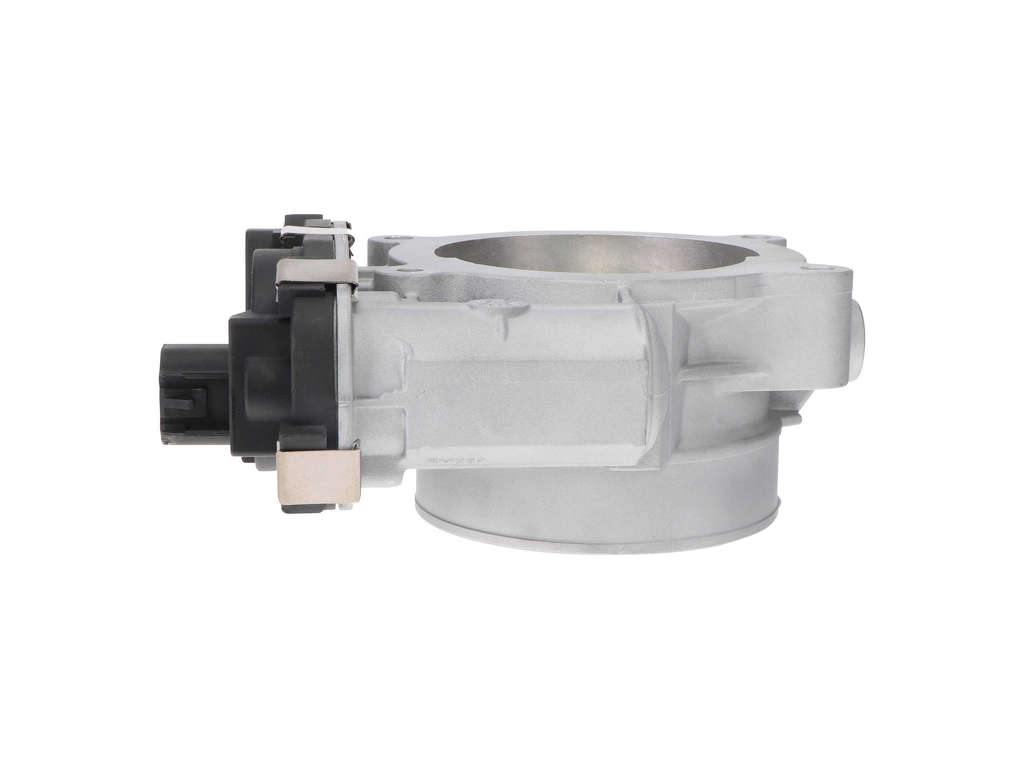
- Throttle Body Assembly (4.2L I6)
(OEM #12568580)— This is the most common definitive fix if cleaning the original unit fails. The internal motor or sensors wear out, and the entire assembly must be replaced.
Trusted brands: ACDelco (GM Genuine), Delphi, Hitachi, Pierburg
OEM price range: $250-$400
Aftermarket price range: $120-$220 - Throttle Body Assembly (5.3L V8)
(OEM #12679524 (supersedes 12579189))— This is the required part for the V8 models if cleaning does not resolve the code. The internal electronics fail over time and are not serviced separately. This part also fits the 6.0L V8 Aero model.
Trusted brands: ACDelco (GM Genuine), Standard Motor Products, Bosch
OEM price range: $250-$400
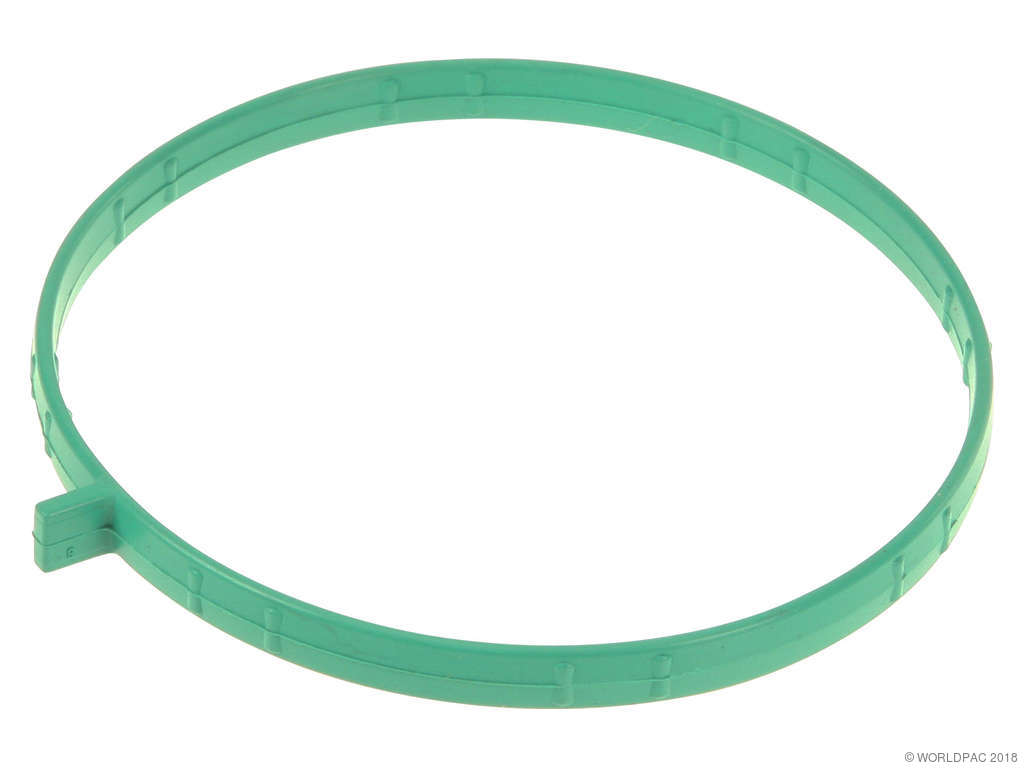
Aftermarket price range: $150-$250 - Throttle Body Gasket
(OEM #12575463)— A new gasket should always be used whenever the throttle body is removed for cleaning or replacement to prevent vacuum leaks.
Trusted brands: Fel-Pro, ACDelco, Mahle
OEM price range: $8-$15
Aftermarket price range: $5-$10
Related Codes That Often Appear With This One
- P1516 — This is a GM-specific code for 'Throttle Actuator Control (TAC) Module Throttle Actuator Position Performance'. It is often set along with P2101 as they both relate to the throttle body's failure to match the commanded position.
- P2176 — This code means 'Minimum Throttle Position Not Learned'. It often appears after a throttle body has been cleaned or replaced but the idle relearn procedure was not performed or was unsuccessful.
- P2119 — This code for 'Throttle Closed Position Performance' indicates the throttle blade is not returning to its rest position correctly, which is often a direct result of the same carbon buildup or mechanical failure that causes P2101.
Technical Service Bulletins (TSBs) & Recalls
- PIP4578B: Acknowledges that on high-mileage vehicles, symptoms like idle surge, Reduced Engine Power, and DTC P2101 can be caused by carbon buildup. The recommended procedure is to clean the throttle body and perform an idle learn reset.
Platform-Specific Known Issues
- This platform is so well-known for this issue that GM released a Technical Service Bulletin (TSB PIP4578B) acknowledging that on high-mileage vehicles, carbon buildup can cause P2101 and Reduced Engine Power mode, and that the first step should be to clean the throttle body.
Mechanic-Grade Diagnostic Values
- Throttle Actuator Control (TAC) Motor Resistance (4.2L I6) — expected: Between 2 and 13 ohms across the two motor pins (E and F).. Failure: A reading below 1 ohm suggests a short circuit, while infinite resistance (OL) indicates an open circuit. Some sources cite a tighter range of 5-15 ohms.
- Throttle Position Sensor (TPS) 1 & 2 Voltage (Key On, Engine Off) — expected: A 5-volt reference signal should be present at Pin G (TPS 1) and Pin B (TPS 2) on the throttle body connector. The signal voltage should sweep smoothly from approximately 0.5V at closed throttle to 4.5V at wide-open throttle.. Failure: Absence of the 5V reference points to a wiring or PCM issue. Jumpy or erratic voltage during the sweep indicates a failed sensor track.
- Ground Circuit Resistance — expected: Less than 1 ohm from the throttle body harness ground pins to a clean chassis ground point.. Failure: Resistance greater than 1 ohm indicates a poor ground connection, which can cause erratic voltage and trigger the code.
Scan Tool Commands That Help
- GM Tech2 / GDS2 (or equivalent professional scanner): TAC Motor Control / Actuator Test — This bidirectional command allows a technician to command the throttle plate to open to specific percentages (e.g., 10%, 25%, 50%). It is used to verify if the motor is physically responding to ECM commands, which helps definitively distinguish between a failed motor, a wiring/connector issue, or a faulty PCM driver.
Wiring & Ground Locations
- Throttle Body Connector (4.2L I6) — The 8-pin electrical connector located directly on the electronic throttle body assembly.. This is the single point of connection for the actuator motor and both throttle position sensors. Pins E (Yellow) and F (Brown) control the motor. Wires are known to fray or break internally within a few inches of this connector due to heat and vibration.
- G103 — On the Saab 9-7X and its platform mates, G103 is located above the right front fenderwell, near the radiator support in the front of the engine bay.. This is a major chassis ground. A loose or corroded connection at G103 can cause intermittent voltage drops and electrical noise, affecting the throttle body's performance and triggering P2101.
- G107 — On the driver's side of the 4.2L I6 engine block, located midway back and below the EVAP Purge Solenoid.. This is a primary engine block ground. A poor connection here can disrupt the ground reference for sensors and actuators, including the throttle body, leading to performance issues.
Real Owner Repair Stories
- GMTNation forum user 'DirtinLa' (2006 Chevrolet Trailblazer 4.2L) — Consistently getting code P1516 (often seen with P2101) after a tune-up, but the vehicle ran perfectly with no noticeable performance issues.
❌ Tried (didn't work) Performing a full tune-up, Thoroughly cleaning the throttle body, Applying dielectric grease to connectors, Performing a throttle relearn procedure, Checking wiring for shorts, Verifying the cylinder head ground was good
✅ What actually fixed it Replacing the entire throttle body assembly. Despite passing visual checks and cleaning, the original unit was internally faulty. A new throttle body resolved the code immediately.
OEM Part Supersession History
12572658, 12580760→12679524— Standard part lifecycle update by GM for the 5.3L V8 throttle body. The newer part number incorporates design and material updates for improved reliability.
Heads up: The new part number (12679524) is the correct replacement for the older numbers and is fully compatible.
Model Year Variations Within This Range
- 2005 vs 2006-2009 (4.2L I6): The wiring diagrams for the Throttle Actuator Control (TAC) system are different for the 2002-2005 and 2006-2007 model year groups on the GMT360 platform. While the throttle body part and its connector pinout appear to be the same, technicians must use the correct year-specific diagram to accurately trace circuits during diagnosis.
- 2008-2009 (5.3L V8): For the 2008 model year, the 5.3L V8 engine was updated with Displacement on Demand (Active Fuel Management) technology to improve fuel economy. While this doesn't directly change the P2101 cause, it is a significant powertrain difference within the model range.
Diagnostic Flowchart
Other Known Issues on This Vehicle
Issues unrelated to this code that are worth knowing about as an owner of this generation:
- Instrument Cluster Stepper Motor Failure 🟠 Medium — Extremely common across all GMT360 vehicles. Gauges (speedometer, tachometer, fuel, etc.) become erratic, get stuck, or stop working entirely. Typically occurs after 50,000 miles. (Ref: While no specific recall for the 9-7X, this was a widespread GM issue leading to lawsuits and special coverage for other models.)
- Cracked Exhaust Manifold (4.2L I6) 🟠 Medium — Very common on the LL8 engine. The manifold develops cracks, causing a loud ticking noise, especially when cold, that may quiet down as the engine warms up. This can also lead to exhaust fumes entering the cabin.
- Failing Air Suspension System 🔴 High — The 9-7X came standard with rear air suspension, which is prone to failure. The rubber air springs develop leaks, causing the rear of the vehicle to sag and the air compressor to run excessively and burn out. This is a very common failure point with age and mileage.
- Faulty Ignition Switch 🟠 Medium — The ignition switch can fail, causing a wide range of bizarre electrical problems, including stalling, failure to start, and random warning lights. Some owners have reported this as a contributing factor to throttle-related codes by causing intermittent power loss.
- Defective Fan Clutch Assembly (4.2L I6) 🔴 High — The electronically controlled fan clutch is a known weak point. It can fail in a way that it's either always engaged (sounding like a jet engine) or not engaged at all (leading to overheating). As noted in the main article, it can also short out internally and disrupt the 5-volt reference circuit, causing other codes like P2101.
- Water Leaks (Sunroof/Rear Wiper) 🟡 Low — Clogged sunroof drains can cause water to leak into the headliner and A-pillars. The rear wiper motor seal is also known to fail, allowing water to enter the tailgate.
Used vs. New Parts: Buying Guide for This Vehicle
When a used part is the smart pick: A used throttle body from a junkyard or salvage vehicle is a reasonable and cost-effective option for this repair, especially given the high cost of a new OEM part. These parts are plentiful due to the popularity of the GMT360 platform (Trailblazer, Envoy, etc.).
Donor-vehicle mileage cap: roughly under 80000 miles for the part to have meaningful remaining life.
What to inspect on the donor part:
- Visually inspect the throttle bore for excessive carbon buildup; a cleaner unit may indicate better engine health or prior service.
- Ask the seller if you can perform a basic resistance test on the TAC motor pins (E and F) before purchase. A reading between 2-13 ohms is a good sign.
- Check the electrical connector for any bent, corroded, or pushed-out pins.
- Ensure the throttle plate moves smoothly by hand (with ignition off) and doesn't bind or stick.
OEM-only on this vehicle (don't cheap out):
- While the throttle body itself can be sourced from aftermarket or used, it is highly recommended to use an OEM (ACDelco) or high-quality OEM-supplier (e.g., Bosch, Hitachi) part if buying new. Cheaper, unbranded units have a higher reported failure rate.
Aftermarket brands forum-validated for this vehicle:
- ACDelco (GM Genuine)
- Bosch
- Hitachi
- Standard Motor Products (SMP)
Brands owners have reported issues with on this vehicle:
- Be cautious with unbranded, low-cost units from online marketplaces. While some may work, forum discussions often report premature failure or out-of-box issues with these parts compared to established brands.
Real Owner Stories
Aggregated from forums and TSBs cited above. Mileages and costs reflect what owners reported in those sources.
2006 Saab 9-7X 5.3L V8 — ~135000 miles
Symptoms: Vehicle went into Reduced Engine Power mode with an idle surge and set a P2101 code.
What fixed it: The recommended procedure was to clean the throttle body thoroughly and perform an idle learn reset.
Source hint: TSB PIP4578B
2005 Chevrolet Trailblazer 4.2L I6 — ~162000 miles
Symptoms: The truck suddenly went into 'Reduced Power Mode' and the Check Engine Light came on with codes P2101 and P1516.
What fixed it: A thorough cleaning of the throttle body using specific throttle body cleaner and a soft cloth, followed by installing a new gasket, resolved the problem.
Cost: $10-$20
Source hint: trailvoy.com thread titled 'P2101 and P1516 Reduced Power Mode'
2007 GMC Envoy 4.2L I6 — ~175000 miles
Symptoms: The 'Reduced Engine Power' light came on, and the scanner showed multiple codes including P2101, P1516, and P2135.
What fixed it: After cleaning the throttle body did not permanently fix the issue, the entire throttle body assembly was replaced. This is the most common definitive fix when cleaning is not sufficient.
Cost: $150-$400
Source hint: gmtnation.com thread titled 'Reduced Engine Power light P2135 P1516 P2101 P2138'
2005 Saab 9-7X 4.2L I6 — ~110000 miles
Symptoms: The 'Service Engine Soon' light and 'Reduce Engine Power' message appeared, and the cooling fan was acting erratically.
What fixed it: Diagnosis revealed the electronic fan clutch was shorting out the 5-volt reference circuit, which also powers the throttle body. Replacing the fan clutch assembly resolved the P2101 code.
Source hint: gmtnation.com thread titled 'SES Reduce Engine Power and Cooling Fan Clutch'
Related OBD-II Codes
Frequently Asked Questions
My 2007 Saab 9-7X just went into 'Reduced Engine Power' mode. Is this a common problem?
I have code P2101. Do I have to buy a new throttle body?
What is the idle relearn procedure for a 9-7X after cleaning the throttle body?
My mechanic suspects a wiring issue. Where should I look on my 9-7X?
I also have a P0641 code with P2101 on my 4.2L model. Could something else be wrong?
Does the fix for P2101 on a Chevrolet Trailblazer also apply to my Saab 9-7X?
Helpful Videos


Used OEM Parts in Stock
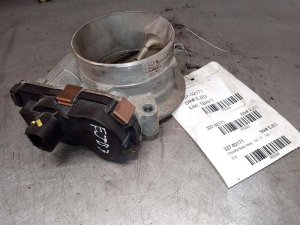
New Aftermarket Parts Available



The information in this article is provided for general reference and educational purposes only. Vehicle specifications, procedures, and part compatibility can vary by production date, trim level, and region. Always consult your vehicle's factory service manual and verify part numbers before purchasing or performing repairs. Safety-critical components such as airbags, seat belts, and braking systems should be installed by a qualified professional.
- Saab 9-7X:
- 🧭 Diagnostic Flowchart
- 🎬 Helpful Videos
- 🛍️ Shop This Part
- What's Unique About the 2005-2009 Saab 9-7X
- Symptoms You May Notice
- Most Likely Causes
- Rare But Worth Checking
- Diagnosis Steps
- Parts You'll Likely Need
- Related Codes That Often Appear With This One
- Technical Service Bulletins (TSBs) & Recalls
- Platform-Specific Known Issues
- Mechanic-Grade Diagnostic Values
- Scan Tool Commands That Help
- Wiring & Ground Locations
- Real Owner Repair Stories
- OEM Part Supersession History
- Model Year Variations Within This Range
- Other Known Issues on This Vehicle
- Used vs. New Parts: Buying Guide for This Vehicle
- Real Owner Stories
- 2006 Saab 9-7X 5.3L V8 — ~135000 miles
- 2005 Chevrolet Trailblazer 4.2L I6 — ~162000 miles
- 2007 GMC Envoy 4.2L I6 — ~175000 miles
- 2005 Saab 9-7X 4.2L I6 — ~110000 miles
- Related OBD-II Codes
- Frequently Asked Questions
- 🎟️ Get 5% Off