

P2421 on 2016-2022 Honda Civic: EVAP Vent Valve Stuck Open Causes and Fixes
On a 2016-2022 Honda Civic, code P2421 almost always means the EVAP canister vent valve has failed and is stuck open. This valve is a known high-failure item. Replacing this valve, located under the car near the charcoal canister, is the most common fix. Expect to pay around $65-$95 for an OEM part (17310-TBA-A01). Before replacing, check the capless fuel filler for debris.
- P2421 on a 2016-2022 Civic is a very common code that almost always points to a failed EVAP canister vent valve.
- This is not a serious issue; you can continue to drive the car, but it will not pass an emissions test and remote start may be disabled.
- The most likely required part is the EVAP Canister Vent Valve, Honda OEM part number 17310-TBA-A01.
- The repair is DIY-friendly for those comfortable working under the rear of the vehicle and can be completed with basic hand tools.
- Before buying parts, check the capless fuel filler for debris and inspect the valve's wiring for obvious damage.
What's Unique About the 2016-2022 Honda Civic
For the 10th and 11th generation Honda Civic, the P2421 code is a very common and straightforward issue. The primary culprit is almost always the canister vent valve itself, which seems prone to failure over time. Unlike some platforms where this code can be ambiguous, on the Civic it points very reliably to this specific component. The vehicle also uses a capless fuel filler system, which can be a secondary, though less common, source of EVAP issues if the sealing flaps are damaged or obstructed by debris. Some owners have had success temporarily resolving small EVAP leak codes by cleaning and lubricating the capless filler neck flaps with WD-40.
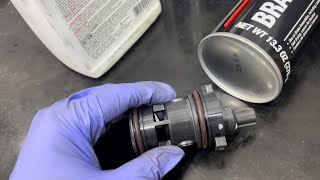
Generation note: The 2016-2022 year range covers two Honda Civic generations: the 10th generation (2016-2021) 🎬 Watch: 10th Gen Civic vent valve diagnosis and replacement and the 11th generation (2022). 🎬 Watch: 11th Gen Civic vent valve replacement walkthrough The cause, symptoms, and fix for code P2421 are consistent across both generations as they share a similar EVAP system design and the same primary failure point, the canister vent valve.
Symptoms You May Notice
- Check Engine Light is on
- "Emissions System Problem" message on the dashboard
- Remote start may be disabled
- Possible faint fuel smell, especially near the rear of the car
- Difficulty refueling (gas pump nozzle clicks off repeatedly)
- Long crank time after refueling
- Replacing the gas cap (this vehicle has a capless system)
- Replacing the EVAP Purge Valve (located in the engine bay, this part typically causes different codes like P0441 or P0496)
Most Likely Causes
- Failed EVAP Canister Vent Valve/Solenoid 🔴 High Probability → Shop Vapor Canister The valve is located under the vehicle and is exposed to road debris and moisture, which can lead to mechanical or electrical failure. It is the most common failure point for this code on this platform and is known to fail frequently.
How to confirm: Use a bidirectional scan tool to command the valve to close; listen for a click. If it doesn't click or the code returns immediately, the valve is likely bad. You can also apply 12V directly to the valve terminals to test its operation. A smoke test of the EVAP system will show a large leak from the vent valve if it is stuck open.
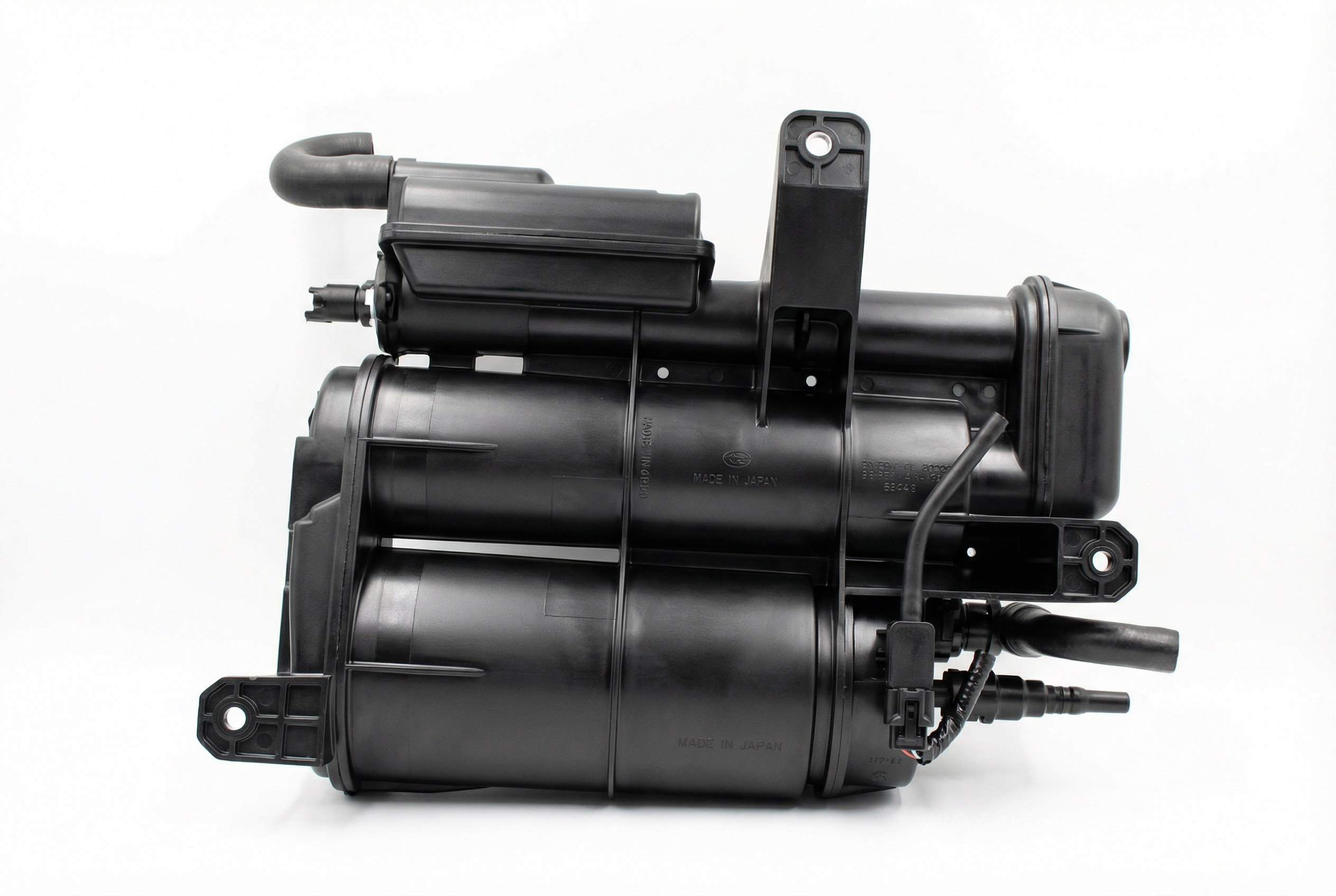
Typical fix: Replace the EVAP canister vent valve. It is located on or near the charcoal canister under the rear of the vehicle, typically on the driver's side.
Est. part cost: $65-$95 - Damaged Wiring or Connector for Vent Valve 🟡 Medium Probability The valve's location under the car makes its wiring harness susceptible to corrosion, road debris, or rodent damage.
How to confirm: Visually inspect the wiring harness and connector leading to the vent valve for any breaks, corrosion, or loose pins. Test for power and ground at the connector with the key on and the valve commanded on/off by a scan tool.
Typical fix: Repair the damaged section of the wiring harness or replace the connector pigtail.
Est. part cost: $10-$30 - Debris in Capless Fuel Filler Neck ⚪ Low Probability The capless system has two flaps that must seal properly. Dirt, dust, or corrosion can prevent one of the flaps from closing, creating a leak that the system might interpret as a stuck open vent valve.
How to confirm: Visually inspect the fuel filler neck for any debris, dirt, or damage to the inner and outer flaps. Use the emergency fuel funnel supplied with the vehicle to gently operate the flaps and check for smooth movement.
Typical fix: Carefully clean any debris from the filler neck flaps using a rag and a cleaner like WD-40. If a flap is damaged, the fuel filler neck assembly may need to be replaced. Honda issued a service bulletin (18-023) for some models related to replacing the capless shutter set.
Est. part cost: $0-$150
Rare But Worth Checking
- Blocked EVAP Canister or Vent Hose: → Shop Vapor Canister Dirt, insects, or carbon pellets from a failed canister can clog the vent path, preventing the system from sealing properly.
- Faulty Powertrain Control Module (PCM): → Shop Engine Control Module (ECM) This is extremely rare. The PCM should only be considered after all other possibilities, including wiring, have been exhaustively tested and ruled out.
- Outdated PCM Software: On some modern Honda models, an error in the PCM's monitoring logic can falsely trigger a P2421 code. A dealership software update (reflash) may be required to resolve the issue after confirming the hardware is functional.
Diagnosis Steps
- Read the code from the PCM using an OBD-II scanner to confirm P2421 is present.
- Visually inspect the capless fuel filler neck for debris or damage to the sealing flaps. Use the vehicle's emergency funnel to check flap operation and clean if necessary.
- Locate the EVAP canister vent valve under the rear of the vehicle, near the charcoal canister. It is often on the driver's side.
- Inspect the wiring and connector going to the vent valve for any signs of damage, corrosion, or looseness.
- If you have a bidirectional scanner, command the vent valve to close (CVS OFF) and listen for an audible click. If it does not operate, proceed to the next step.
- Disconnect the valve and test for 12V power and ground at the connector with the key on. One wire should have battery voltage, and the other is the control (ground) from the PCM.
- If power and ground are present when commanded, test the valve's coil resistance with a multimeter. It should be between 48 and 65 ohms. If outside this range, the valve is faulty and needs to be replaced. This is the most common outcome.
- If power or ground is missing, the issue is in the wiring between the PCM and the valve. For the 10th gen Civic, check the integrated multi-function relay in the under-hood fuse box, as it controls the EVAP system.
- If the valve operates with the scan tool but the code returns, there may be a blockage in the vent hose or the charcoal canister itself. A smoke test of the EVAP system is recommended to find the leak source definitively.
Parts You'll Likely Need
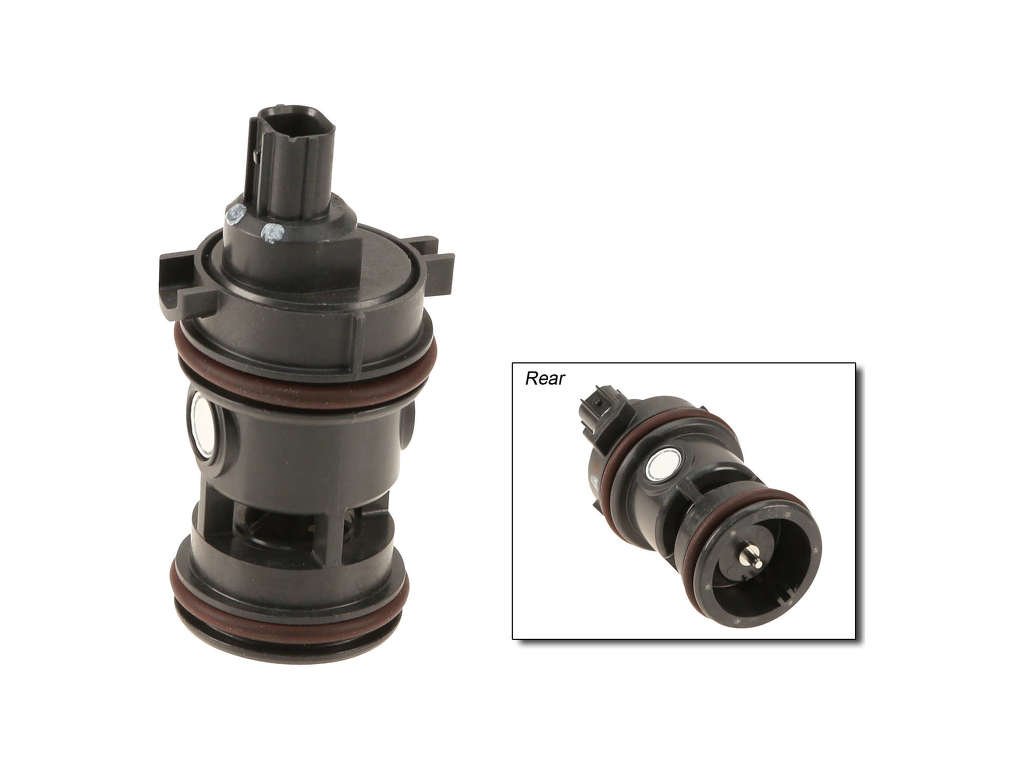
- EVAP Canister Vent Valve / Solenoid
(OEM #17310-TBA-A01 🎬 See this step-by-step diagnosis and replacement guide)— This is the component that fails in the vast majority of P2421 cases on this vehicle. It either gets stuck mechanically or the internal solenoid burns out. This part number supersedes older versions like 17310-SNA-A01 and 17310-TA0-A01.
Trusted brands: Honda (Genuine OEM), Dorman, Standard Motor Products
OEM price range: $65-$95
Aftermarket price range: $40-$70
Related Codes That Often Appear With This One
- P0455 — A vent valve stuck wide open is a very large leak, which can also be interpreted by the system as a 'Gross Leak Detected'.
- P0449 — This code indicates a malfunction in the vent valve's electrical circuit, which could be the root cause of the P2421 code if the solenoid coil is open or shorted.
Technical Service Bulletins (TSBs) & Recalls
- Honda Service Bulletin 18-023: Addresses issues with the capless fuel filler shutter, which can cause EVAP-related codes if it fails to seal properly. The fix is to replace the capless shutter set.
Platform-Specific Known Issues
- Owner experience replacing the valve: An owner on a 2019 Civic with P2421 confirmed that replacing the vent valve under the car resolved the issue. They noted the part is located under the car and is a straightforward replacement for a DIYer comfortable getting under the vehicle.
- Intermittent nature of the code: An owner of a 2021 Honda Odyssey (which shares parts and logic) noted the P2421 code would appear intermittently, often when the fuel tank reached 1/4 full during city driving. This can make diagnosis tricky without a smoke machine or bidirectional scanner.
- Forum consensus on CivicX.com: Multiple threads on the 10th-generation Civic forum (CivicX.com) confirm that P2421 is almost universally solved by replacing the canister vent valve, part number 17310-TBA-A01. Users report it's a common failure item.
Mechanic-Grade Diagnostic Values
- EVAP Canister Vent Valve Solenoid Coil Resistance — expected: 48 to 65 ohms. Failure: A reading of infinity (open circuit), zero (short circuit), or a value significantly outside the expected range indicates a failed solenoid.
- Voltage at Vent Valve Connector (Key On, Engine Off) — expected: One pin should have battery voltage (~12V). The other pin is the control wire, which the PCM provides a ground to when commanding the valve on.. Failure: Absence of 12V power points to a fuse or wiring issue. If the ground signal is not present when commanded by a scan tool, it indicates a wiring break or a faulty PCM driver.
- Fuel Tank Pressure (FTP) Sensor Voltage during HDS Function Test — expected: After applying vacuum until the FTP sensor reads 1.90 volts, the voltage should not increase by more than 0.2 volts over a 1-minute period.. Failure: A voltage increase greater than 0.2 volts indicates a leak in the system, potentially from the vent valve not sealing correctly.
Scan Tool Commands That Help
- Honda Diagnostic System (HDS) or equivalent bidirectional scanner: EVAP Test / Function Test — This is the main function to initiate a full system self-test to confirm if a fault is present after clearing codes.
- Honda Diagnostic System (HDS) or equivalent bidirectional scanner: EVAP CVS OFF — This is a specific command within the EVAP test menu used to directly command the Canister Vent Shut (CVS) valve closed to test its individual operation.
Wiring & Ground Locations
- EVAP System Relay — Inside the under-hood fuse box. It is not a standard individual relay but is integrated into a larger, multi-function relay circuit board.. If there is no power at the vent valve connector, a technician might look for a standard relay that does not exist. Knowing the power is controlled by this integrated unit is critical for diagnosing electrical faults in the circuit.
Real Owner Repair Stories
- Reddit user in r/HondaOdyssey (2021 Honda Odyssey (shares EVAP components and logic)) — Intermittent P2421 Check Engine Light.
❌ Tried (didn't work) Replacing the charcoal canister, Replacing the vent solenoid
✅ What actually fixed it The user who tried replacing parts reported that neither fix resolved the intermittent check engine light, highlighting that for some vehicles, the issue can be elusive and not a simple part swap. Another user noted the code seemed to trigger specifically during city driving when the fuel tank level dropped to 1/4 full. The final resolution was not posted, but the failure of common fixes is a critical data point.
When the Usual Fixes Don't Work
- In at least one documented case on a related Honda platform, replacing both the EVAP canister vent solenoid and the charcoal canister did not resolve an intermittent P2421 code. This suggests that while these are the most common fixes, the root cause can occasionally be more complex, potentially related to intermittent wiring faults, software, or specific operating conditions like fuel level and drive cycle type.
OEM Part Supersession History
17310-SNA-A01, 17310-TA0-A01→17310-TBA-A01— Part has been updated by the manufacturer for improved reliability or to consolidate inventory across multiple models.
Diagnostic Flowchart
Other Known Issues on This Vehicle
Issues unrelated to this code that are worth knowing about as an owner of this generation:
- A/C Condenser Failure 🔴 High — Very common. Can fail at low mileage. Tiny holes develop, causing refrigerant to leak out. (Ref: Honda Service Bulletin 19-091 provides a 10-year/unlimited mileage warranty extension for the condenser on 2016-2021 Civics.)
- Fuel-in-Oil Dilution (1.5T Engine) 🔴 High — Common, especially in colder climates or with frequent short trips. Can occur as early as 10,000 miles. (Ref: Honda issued software updates (e.g., TSB 19-037) and a warranty extension (6 years/unlimited miles) for certain engine components.)
- Sticky Steering (EPS) 🔴 High — Affects 2022-2025 models most notably. Momentary increase in steering effort, especially at highway speeds. Can occur at very low mileage. (Ref: NHTSA investigation opened in March 2023. Honda issued TSB 23-037 and later a recall (24-119) for the steering gearbox assembly.)
- Failing Fuel Pump 🔴 High → Shop Fuel Pump — Affects certain 2016-2021 models. The fuel pump impeller can swell and cause the pump to fail, leading to stalling. (Ref: Safety Recall / Service Bulletin 24-008 was issued to replace the fuel pump motor on affected vehicles.)
- Carbon Buildup on Intake Valves (1.5T Engine) 🟠 Medium — A long-term consequence of direct injection engines. Becomes noticeable at higher mileage (50k+ miles) causing rough idle and reduced performance.
Used vs. New Parts: Buying Guide for This Vehicle
When a used part is the smart pick: Buying a used EVAP canister vent valve is not recommended. This is a known high-failure electronic/mechanical part, and a used unit from a salvage yard has an unknown remaining lifespan and a high probability of failing soon after installation.
Donor-vehicle mileage cap: roughly under 20000 miles for the part to have meaningful remaining life.
What to inspect on the donor part:
- Ensure the connector pins are clean, straight, and free of any green or white corrosion.
- Check the plastic housing for any cracks or signs of heat damage.
- If possible, test the resistance with a multimeter before purchase; it should be between 48-65 ohms.
OEM-only on this vehicle (don't cheap out):
- While not strictly 'OEM-only', using a Genuine Honda part is the safest bet for this repair due to the component's high failure rate and potential for intermittent issues.
Aftermarket brands forum-validated for this vehicle:
- Standard Motor Products (SMP) is generally regarded by forum users as a reliable alternative to OEM for EVAP components.
Brands owners have reported issues with on this vehicle:
- Dorman has mixed reviews; while some find their parts acceptable, others report inconsistent quality and premature failures for various EVAP components.
- Unbranded, low-cost parts from online marketplaces should be avoided due to a high likelihood of poor quality control and early failure.
Real Owner Stories
Aggregated from forums and TSBs cited above. Mileages and costs reflect what owners reported in those sources.
2019 Honda Civic
Symptoms: The owner observed a P2421 code and confirmed the 'Emissions System Problem' message was active.
What fixed it: Replacing the vent valve located under the car.
Source hint: vehicle_specific_issues: Owner experience replacing the valve
2021 Honda Odyssey
Symptoms: The P2421 code appeared intermittently, specifically when the fuel tank reached 1/4 full during city driving.
What fixed it: Replacement of the canister vent valve.
Source hint: vehicle_specific_issues: Intermittent nature of the code
2016-2021 Honda Civic
Symptoms: Multiple users reported the 'Emissions System Problem' light and P2421 code as a common failure item on the platform.
What fixed it: Replacing the canister vent valve, part number 17310-TBA-A01.
Source hint: vehicle_specific_issues: Forum consensus on CivicX.com
Related OBD-II Codes
Frequently Asked Questions
Does Honda Service Bulletin 18-023 apply to my Civic's P2421 code?
What is the specific part number I need to fix the P2421 code on my 10th-gen Civic?
Why does my Civic have a long crank time after I fill up the gas tank?
Is the P2421 code related to the A/C condenser or oil dilution warranty extensions?
Can I test the vent valve myself before buying a new one?
Where is the vent valve located on the 2016-2022 Civic?
Helpful Videos
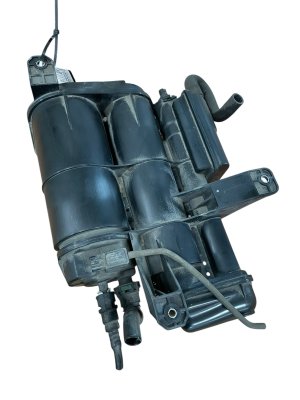
Used OEM Parts in Stock
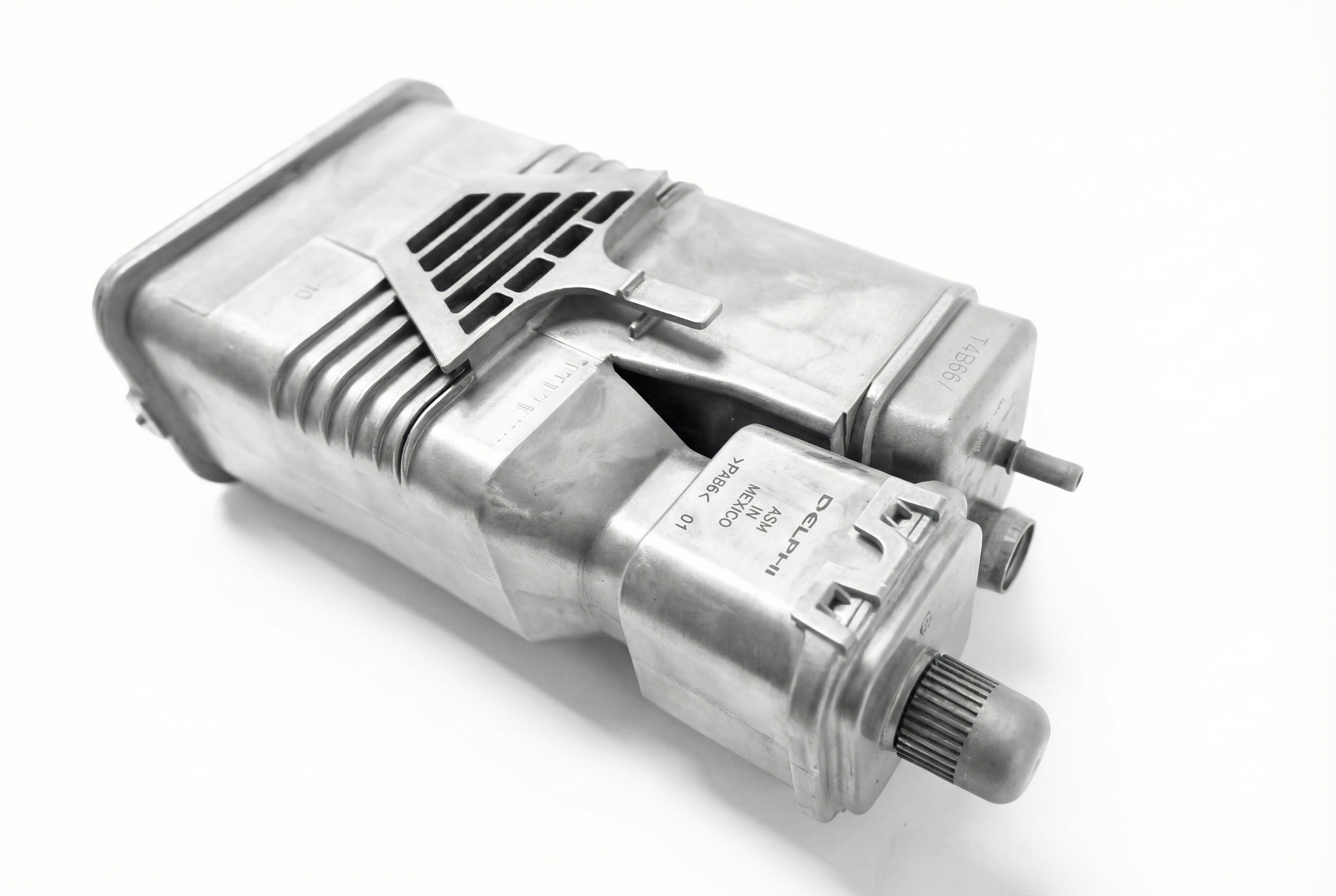
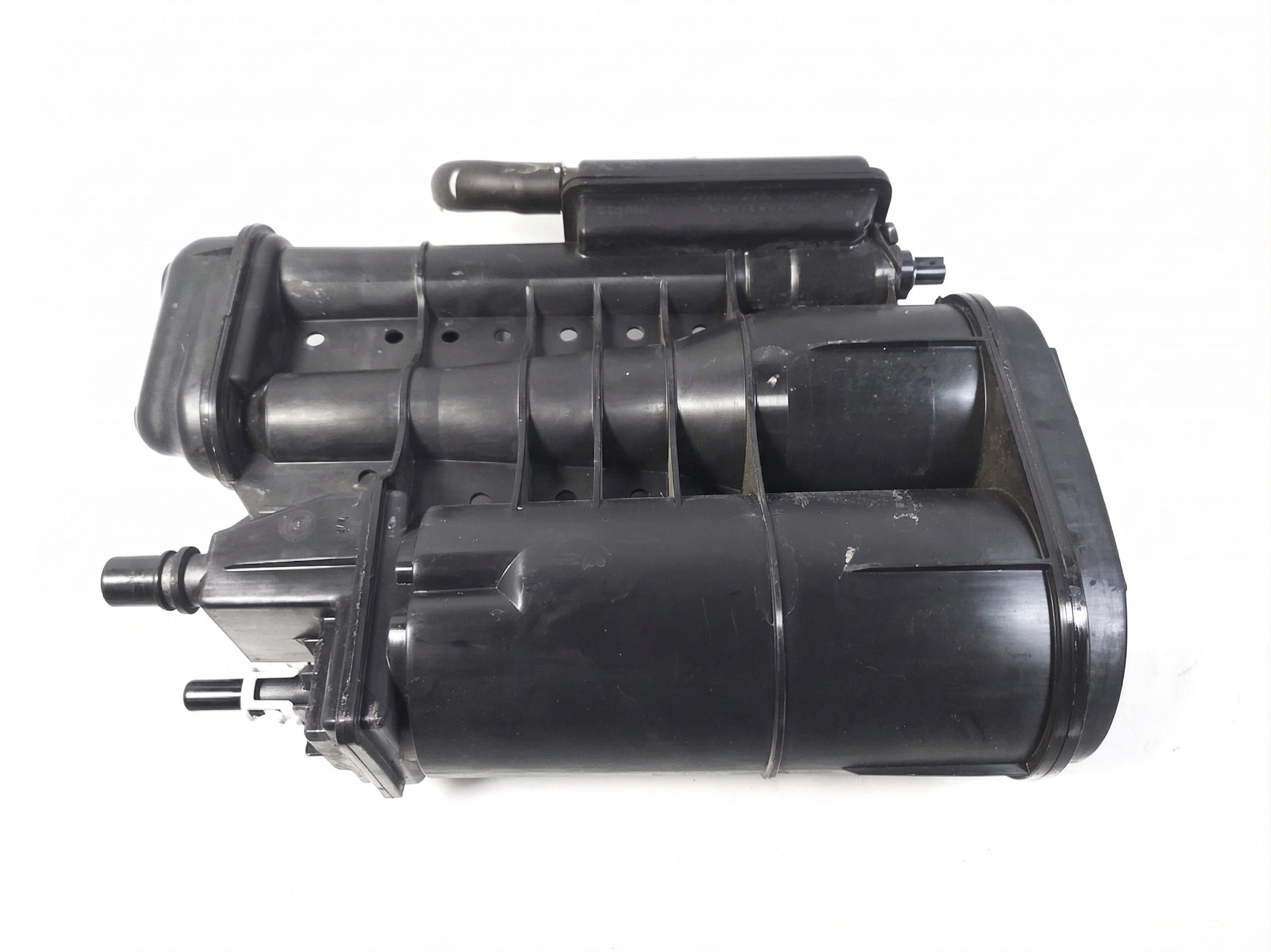
New Aftermarket Parts Available

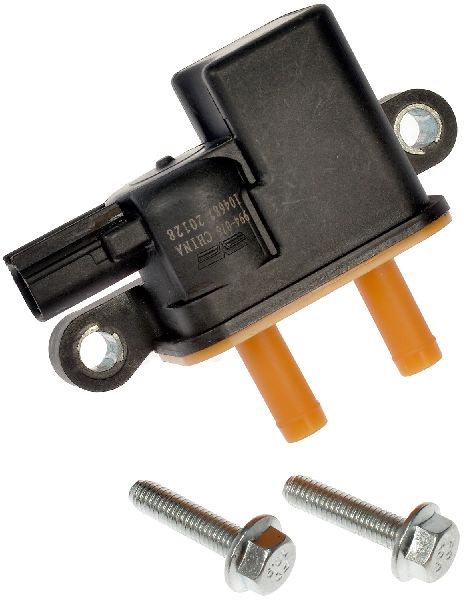

The information in this article is provided for general reference and educational purposes only. Vehicle specifications, procedures, and part compatibility can vary by production date, trim level, and region. Always consult your vehicle's factory service manual and verify part numbers before purchasing or performing repairs. Safety-critical components such as airbags, seat belts, and braking systems should be installed by a qualified professional.
- Honda Civic:
- 🧭 Diagnostic Flowchart
- 🎬 Helpful Videos
- 🛍️ Shop This Part
- What's Unique About the 2016-2022 Honda Civic
- Symptoms You May Notice
- Most Likely Causes
- Rare But Worth Checking
- Diagnosis Steps
- Parts You'll Likely Need
- Related Codes That Often Appear With This One
- Technical Service Bulletins (TSBs) & Recalls
- Platform-Specific Known Issues
- Mechanic-Grade Diagnostic Values
- Scan Tool Commands That Help
- Wiring & Ground Locations
- Real Owner Repair Stories
- When the Usual Fixes Don't Work
- OEM Part Supersession History
- Other Known Issues on This Vehicle
- Used vs. New Parts: Buying Guide for This Vehicle
- Real Owner Stories
- 2019 Honda Civic
- 2021 Honda Odyssey
- 2016-2021 Honda Civic
- Related OBD-II Codes
- Frequently Asked Questions
- 🎟️ Get 5% Off