

P2635 on 2015-2019 GMC Savana: Fuel Pump Performance Causes and Fixes
On a 2015-2019 GMC Savana, code P2635 indicates the fuel pump is not delivering the pressure commanded by the computer. This is often due to a failing in-tank fuel pump or a faulty Fuel Pump Control Module (FPCM), with issues known to occur in both extreme hot and cold temperatures. In hot weather, this is caused by vapor buildup requiring an updated fuel pump module. In cold, it's often fuel gelling that does not require pump replacement. Checking the FPCM ground wire is also a critical step.
- P2635 on a 2015-2019 Savana means the fuel pump's performance doesn't match what the computer is demanding.
- The most likely cause is a failing in-tank fuel pump module, a known issue on these vans that occurs in both extreme heat (vapor lock) and cold (fuel gelling).
- The fix is temperature-dependent: an updated pump is needed for hot-weather stalls, while warming the vehicle is the fix for cold-weather no-starts.
- Before replacing any parts, always check the Fuel Pump Control Module (FPCM) ground wire on the frame for corrosion, as it is a very common and simple fix.
What's Unique About the 2015-2019 Gmc SAVANA
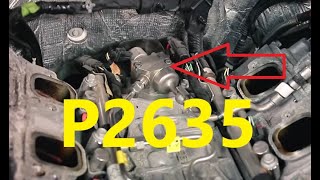
The GMC Savana and its platform mates are uniquely 🎬 Watch: Understanding P2635 flow performance on this GM platform. susceptible to this code under two opposite conditions: extreme cold and extreme heat. Manufacturer Technical Service Bulletins (TSBs) confirm this pattern. In hot weather (>100°F), vapor can build up in the fuel line, starving the pump and causing stalling. [1, TSB #PIP5507B] In cold weather (<20°F), the diesel fuel can gel, or gasoline blends can thicken, causing a pump whine and a no-start or stall condition. [TSB #18NA103] These temperature-specific failures are a hallmark of the P2635 code on this GM platform.
Diagnostic Flowchart
Tap your situation to follow the diagnostic path that matches what you're seeing on this vehicle.
Symptoms You May Notice
- Check Engine Light (MIL) illuminated
- Engine hesitation or surging.
- Stalling, especially in very hot or very cold weather. [1, TSB #PIP5507B]
- Loss of power during acceleration
- No-start or start-and-stall condition. [TSB #18NA103]
- Loud whining noise from the fuel tank area, particularly in cold weather.
- Replacing the fuel pressure sensor. While a faulty sensor can cause incorrect readings, it can be tested. TSB #PIP5286B provides a specific test: with the engine cold, use a scan tool to command fuel system depressurization. The sensor's reading should drop to zero as the engine stalls. If it hangs at a higher value (e.g., 30-40 PSI), the sensor is faulty and should be replaced, not the pump.
Most Likely Causes
- Failing In-Tank Fuel Pump Module 🔴 High Probability → Shop Fuel Pump As documented in TSBs #17-NA-335 and #PIP5507B, the original fuel pump module is susceptible to failure in high heat. Vapor buildup in the fuel line causes the pump to perform poorly, leading to hesitation and stalling. GM released an updated fuel pump module to mitigate this specific hot-weather issue.
How to confirm: Use a scan tool to monitor commanded vs. actual fuel pressure. Perform a fuel pressure test with a mechanical gauge at the fuel rail. If pressure drops significantly under load or during the symptom (e.g., high heat), the pump is likely weak. The issue may not be present in a cool shop environment.
Typical fix: For hot-weather failures, replace the entire in-tank fuel pump module assembly with the updated GM part. For cold-weather failures, TSB #18-NA-103 advises warming the vehicle to thaw the fuel and using a proper winter-blend fuel; do NOT replace the pump for fuel gelling.
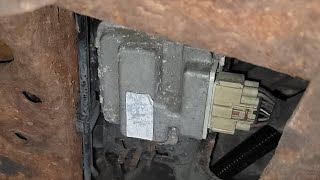
Est. part cost: $250-$500 - Faulty Fuel Pump Control Module (FPCM) or Ground 🟡 Medium Probability → Shop Fuel Pump The FPCM, typically mounted on the frame rail near the spare tire, controls the fuel pump. It can fail internally, but a more common issue is a poor ground connection. The ground wire from the FPCM to the frame is exposed to the elements and frequently corrodes, causing intermittent low voltage to the pump and triggering P2635.
How to confirm: With a scan tool, command the fuel pump to run at various speeds and verify voltage changes. Visually inspect the FPCM, its connector, and especially its ground wire attachment point on the frame for rust or looseness. A voltage drop test on the ground circuit is definitive.
Typical fix: Clean and secure the FPCM ground connection to the frame. If the module itself is faulty, replace the Fuel Pump Control Module and ensure all connections are clean and secure.
Est. part cost: $80-$200 - Clogged Fuel Filter ⚪ Low Probability → Shop Fuel Filter While not specific to this platform, a clogged fuel filter restricts flow and can cause the pump to work harder. On the Savana, the fuel filter is integrated into the fuel pump module inside the tank and is considered non-serviceable separately.
How to confirm: A fuel pressure and volume test is the best diagnostic. If pressure is low and the pump and FPCM are known to be good, the restriction is likely the in-tank filter sock or the module's internal filter.
Typical fix: Replace the entire fuel pump module assembly, as the filter cannot be replaced on its own.
Est. part cost: $250-$500 (internal)
Rare But Worth Checking
- Wiring or Connector Issue: A damaged wire or corroded connector for the FPCM or the fuel pump can cause intermittent voltage drops, mimicking a failing component. Always perform a visual inspection of the harness, especially in areas exposed to the elements.
- Clogged Fuel Tank Vent / Collapsed Tank: → Shop Fuel Tank On related GM trucks with similar fuel systems, TSB 19-NA-277 describes a scenario where a clogged fuel tank vent can create a vacuum as the pump operates. This vacuum can physically collapse the plastic fuel tank, damaging the fuel pump module and triggering a P2635 code. Inspect the tank for deformity and ensure vent lines are clear.
Diagnosis Steps
- Scan for all stored DTCs. Note if P018B or P0087 are present, as this gives clues to a hot or cold-related issue.
- Using a capable scan tool, monitor live data for commanded vs. actual fuel rail pressure. Note any significant deviations. On similar GM trucks, pressure should be 55-65 PSI; a drop to 38-42 PSI under load indicates a problem.
- Inspect the FPCM and Ground: Locate the Fuel Pump Control Module on the driver's side frame rail, often above or near the spare tire. Disconnect and inspect its connector for corrosion. Critically, follow the ground wire from the FPCM to the frame (often designated G400 or similar) and check for rust or looseness. Clean and tighten this connection as a primary step.
- Perform Sensor-Specific Test (if P018B is present): With a cold engine, use the scan tool's functional tests to depressurize the fuel system. Per TSB #PIP5286B, watch the fuel pressure sensor data. If it does not drop to zero when the engine stalls, the sensor is faulty.
- Evaluate Temperature Conditions: If the failure happens in heat >100°F, suspect vapor lock and a faulty original-design fuel pump per TSB #17-NA-335. If it happens in cold <20°F with a whining pump, suspect fuel gelling per TSB #18-NA-103 and attempt to warm the vehicle before replacing parts.
- Command the fuel pump to different duty cycles with the scan tool to check the response of the FPCM and the pump. Verify voltage changes at the pump.
- If the FPCM, wiring, ground, and sensor are confirmed good but fuel pressure is still low or erratic, the in-tank fuel pump module is the most likely cause.
Parts You'll Likely Need
- Fuel Pump Module Assembly
(OEM #Varies by VIN; must use parts catalog. Updated GM part is required for hot-weather fix per TSB 17-NA-335.)— This is the most common failure part for code P2635, especially for the documented hot-weather stalling issue, which requires an updated module.
Trusted brands: ACDelco, Delphi
OEM price range: $350-$500
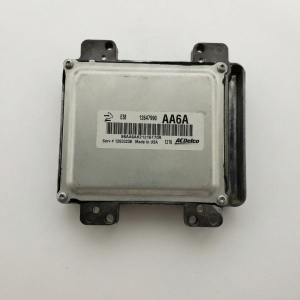
Aftermarket price range: $250-$400 - Fuel Pump Control Module (FPCM) — This module regulates the fuel pump's speed and is a known failure point, though checking its ground wire is often the actual fix.
Trusted brands: ACDelco, Dorman
OEM price range: $120-$200
Aftermarket price range: $80-$150
Related Codes That Often Appear With This One
- P018B — This code for 'Fuel Pressure Sensor 'B' Circuit Range/Performance' is frequently set with P2635, especially during high-temperature stalling events, as noted in TSB #PIP5507B and TSB #17-NA-335.
- P0087 — Indicates 'Fuel Rail/System Pressure - Too Low'. This code can appear with P2635 in cold weather conditions, confirming that the fuel system is not achieving the required pressure, often due to fuel gelling. [TSB #18NA103]
- P069E — This code for 'Fuel Pump Control Module Requested MIL Illumination' often appears alongside P2635. It indicates the FPCM has detected a fault within its own control system (like the low flow of P2635) and has asked the ECM to turn on the Check Engine Light.
Technical Service Bulletins (TSBs) & Recalls
- 18NA103: Addresses start/stall, no start, and loss of power in cold weather (below -6C/20F), citing P2635. Advises against pump replacement, pointing to fuel gelling as the cause.
- PIP5507B: Mentions P2635 setting with hesitation or stalling in high ambient temperatures (over 100F/37.7C) due to vapor buildup.
- 17-NA-335: Supersedes earlier bulletins on the high-heat issue. Confirms the cause is vapor buildup and the fix is an updated fuel pump module.
Platform-Specific Known Issues
- Extreme Cold Failure (Fuel Gelling): As per TSB #18NA103, these vans can experience a start-and-stall, no-start, or loss of power with code P2635 in temperatures below 20°F (-6°C). This is often caused by the fuel gelling or waxing. The recommended fix is to warm the vehicle, not to replace the pump.
- Extreme Heat Failure (Vapor Lock): TSB #17-NA-335 and #PIP5507B note that P2635 can set with hesitation or stalling in ambient temperatures of 100°F (38°C) or higher. This is due to vapor buildup in the fuel line. The official fix is to replace the original fuel pump module with an updated design.
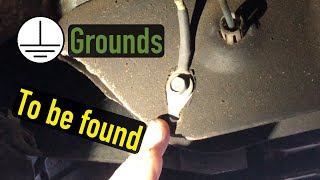
- FPCM Ground Failure: A common real-world failure is not the FPCM itself, but its ground connection to the vehicle's frame. This connection is prone to corrosion, leading to intermittent power loss to the fuel pump, which perfectly mimics a failing pump or module. This is a zero-cost fix if caught early and should be one of the first things checked.
Mechanic-Grade Diagnostic Values
- Low-side fuel pressure (at rail, engine running) — expected: 55-65 PSI. Failure: Drops to 38-42 PSI or lower under load or when symptoms occur.
- FPCM Ground Circuit Voltage Drop — expected: < 0.5 Volts. Failure: Voltage drop greater than 0.5V indicates high resistance in the ground connection, which needs to be cleaned or repaired.
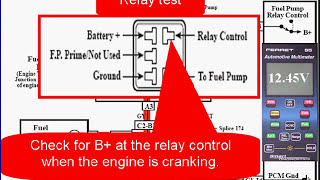
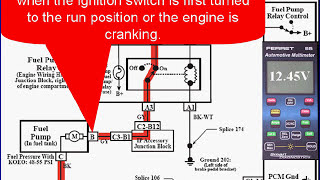
- FPCM Fuel Pump Supply Voltage (at pump) — expected: Should match battery voltage when commanded on.. Failure: Voltage significantly lower than battery voltage points to a problem with the FPCM or wiring between the FPCM and the pump.
Scan Tool Commands That Help
- GDS2 (GM Dealer Software): Fuel Pump Relay/Control Module Command — Used to manually turn the fuel pump on and off to verify the FPCM and pump are responding to commands. This helps isolate a control issue from a component failure.
- GDS2 (GM Dealer Software): Fuel System Pressure Test — This function commands the fuel pump to a specific duty cycle while displaying commanded vs. actual fuel pressure, allowing a technician to see discrepancies that trigger P2635.
- GDS2 (GM Dealer Software): Module Diagnostics > FPCM > Data Display — Allows viewing of FPCM-specific data, including pump duty cycle, module voltage, and fault status, which can provide more detail than the generic ECM data stream.
Wiring & Ground Locations
- Fuel Pump Control Module (FPCM) — On the driver's side frame rail, typically above or near the spare tire.. This module directly controls the fuel pump's voltage and speed. Its location makes it vulnerable to weather and corrosion, and it is a primary suspect for this code.
- G400 — On the left rear frame rail, behind the left rear tire. This is a common ground point for rear components, including the fuel system.. This is the primary ground point for the fuel pump and FPCM on many Savana/Express vans. A corroded or loose G400 connection is a very common cause of intermittent fuel pump issues and P2635, as documented in GM service information.
- FPCM Connector — The electrical plug connecting to the Fuel Pump Control Module.. Corrosion or backed-out pins in this connector can cause intermittent power or signal loss to the FPCM, mimicking a module failure. The Dark Green/White wire (Pin 13 on some models) is the command signal from the ECM.
Real Owner Repair Stories
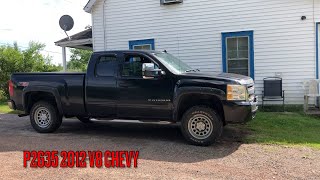
- YouTube channel 'Burnin Gas' (2012 Chevrolet Silverado 1500 4.8L V8 with 350,000 km) — P2635 code, flashing check engine light, misfire on light throttle up a hill, fuel pressure dropping to 38-40 PSI under load.
❌ Tried (didn't work) Replaced the in-tank fuel pump with an OEM unit., Checked spark plugs, plug wires, and injectors.
✅ What actually fixed it The Mass Airflow (MAF) sensor was heavily contaminated with oil residue and dirt. Cleaning the MAF sensor with brake cleaner resolved all symptoms and the P2635 code did not return. - YouTube channel 'Silverado P2635' (2017 Chevrolet Silverado) — P2635 code that would return instantly after clearing.
❌ Tried (didn't work) Research pointed towards fuel pump and other complex issues.
✅ What actually fixed it Replacing the fuel rail pressure sensor. The original part number was 13579380 and it was replaced with part number 13516496.
Helpful Videos
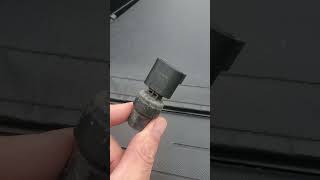
Used OEM Parts in Stock

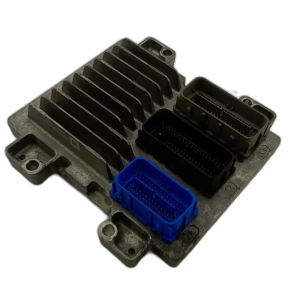
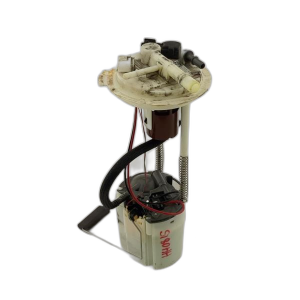
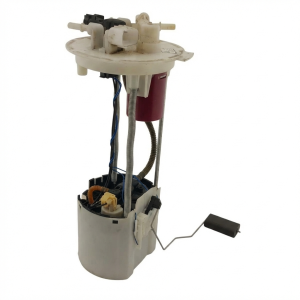
New Aftermarket Parts Available



The information in this article is provided for general reference and educational purposes only. Vehicle specifications, procedures, and part compatibility can vary by production date, trim level, and region. Always consult your vehicle's factory service manual and verify part numbers before purchasing or performing repairs. Safety-critical components such as airbags, seat belts, and braking systems should be installed by a qualified professional.
- Gmc SAVANA:
- 🧭 Diagnostic Flowchart
- 🎬 Helpful Videos
- 🛍️ Shop This Part
- What's Unique About the 2015-2019 Gmc SAVANA
- Symptoms You May Notice
- Most Likely Causes
- Rare But Worth Checking
- Diagnosis Steps
- Parts You'll Likely Need
- Related Codes That Often Appear With This One
- Technical Service Bulletins (TSBs) & Recalls
- Platform-Specific Known Issues
- Mechanic-Grade Diagnostic Values
- Scan Tool Commands That Help
- Wiring & Ground Locations
- Real Owner Repair Stories
- 🎟️ Get 5% Off