

P2635 on 2013-2017 GMC Yukon Denali: Fuel Pump Performance Causes and Fixes
On a 2013-2017 Yukon Denali, P2635 almost always indicates a problem with the low-pressure fuel system, causing stalling in hot weather. The most common fix is replacing the in-tank fuel pump with an updated GM part to prevent vapor lock, a known issue addressed by GM in TSB 17-NA-335. A faulty Fuel Pump Control Module (FPCM) is the second most likely cause, often due to corrosion from its location on the frame rail.
- P2635 on a 2013-2017 Yukon Denali is a serious code that often points to a specific, well-documented flaw causing the engine to stall in hot weather.
- The most likely fix is replacing the in-tank fuel pump with an updated part from GM, as recommended in multiple service bulletins.
- Before replacing the expensive fuel pump, inspect the Fuel Pump Control Module (FPCM) and its wiring on the frame rail for corrosion, as this is a common and cheaper point of failure.
- This code is almost always accompanied by P018B; seeing them together strongly reinforces the diagnosis of a fuel delivery issue under thermal stress.
- Do not drive the vehicle extensively with this code, as the risk of stalling in traffic is high and poses a significant safety risk.
What's Unique About the 2013-2017 Gmc YUKON DENALI
GMC trucks and SUVs from this era, including the Yukon Denali, are notoriously prone to setting code P2635 due to a specific design flaw addressed in multiple Technical Service Bulletins (TSBs). The primary issue is the fuel pump's susceptibility to causing vapor buildup in the fuel lines during high ambient temperatures (over 100°F/38°C). This leads to fuel starvation symptoms like hesitation and stalling. GM acknowledged this by releasing an updated fuel pump module with a new one-way breather valve design to resolve the problem. This issue is common across the entire K2XX platform.
Diagnostic Flowchart
Tap your situation to follow the diagnostic path that matches what you're seeing on this vehicle.
Generation note: This year range covers two generations of the GMC Yukon Denali: the end of the third generation (GMT900, 2013-2014) and the start of the fourth (K2UG/K2XX, 2015-2017). The hot-weather stalling issue is most prominently documented for the 2015-2017 K2XX models in TSBs, but the underlying causes (fuel pump, FPCM) and the P2635 code are common to both generations sharing similar fuel systems. The FPCM location on the driver's side frame rail is consistent, but some aftermarket modules for the GMT900 platform are specifically marketed as not requiring programming, unlike many OEM replacements.
Symptoms You May Notice
- Engine stalling, especially in hot weather or after a hot soak.
- Hesitation or surging during acceleration.
- Extended engine cranking time before starting.
- Reduced engine power and poor acceleration.
- Illuminated Check Engine Light
- Rough idle, sometimes with black smoke on a cold start.
- Replacing the high-pressure fuel pump. P2635 specifically refers to the low-pressure pump ('Pump A') in the fuel tank, not the engine-mounted high-pressure pump.
Most Likely Causes
- Failing In-Tank Fuel Pump Module 🔴 High Probability → Shop Fuel Pump As documented in GM TSBs #17-NA-335 and #PIP5507B, the original pump design is prone to causing vapor lock in the fuel lines in ambient temperatures over 100°F (38°C). The fix is an updated pump assembly with a revised one-way breather valve.
How to confirm: Monitor low-side fuel pressure with a scan tool while driving. A sharp drop in pressure preceding a stall, especially in hot weather, points to the pump. The issue may not be reproducible in a cool shop environment. The ultimate confirmation is replacing the pump and seeing if the issue resolves.
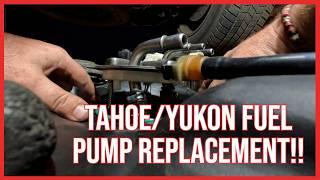
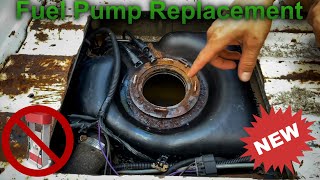
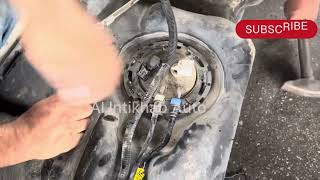
Typical fix: Replace the entire in-tank fuel pump module assembly with the updated OEM part. This requires dropping the fuel tank. 🎬 Watch this step-by-step guide on replacing the fuel pump.
Est. part cost: $300-$550 - Faulty Fuel Pump Control Module (FPCM) 🟡 Medium Probability → Shop Fuel Pump The FPCM is typically mounted on the driver's side frame rail, near the rear of the second door, exposing it to moisture, road salt, and vibration. This can lead to corrosion on the connector pins or internal failure of the module's electronics.
How to confirm: Visually inspect the FPCM and its connector for green/white corrosion or physical damage. Use a scan tool to check for communication with the module (DTC U0109 indicates lost communication). A diagnostic test can be performed by commanding the pump on and checking for voltage output from the module.
Typical fix: Replace the Fuel Pump Control Module. Note that a new OEM module requires programming to the vehicle's VIN using GM's Service Programming System (SPS), though some aftermarket 'plug and play' modules from brands like Dorman do not.
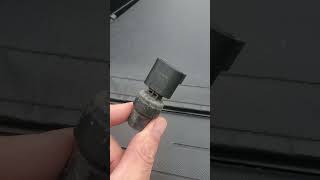
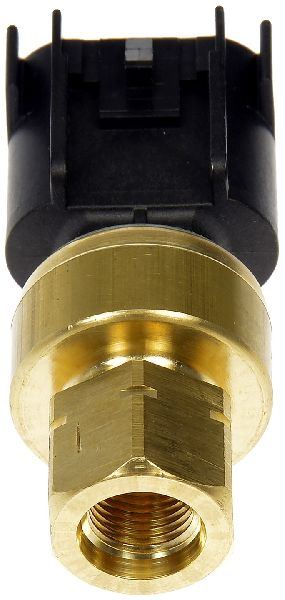
Est. part cost: $80-$200 - Faulty Fuel Pressure Sensor ⚪ Low Probability → Shop Fuel Pressure Sensor While less common than the pump or FPCM, the low-pressure fuel pressure sensor can fail and send incorrect readings to the ECM, falsely triggering a P2635 code. TSB #PIP5286B outlines diagnostics for this specific failure, which can happen on cold starts or when the sensor gets stuck.
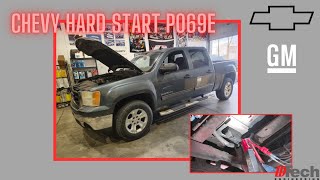
How to confirm: Monitor the fuel pressure sensor reading on a scan tool. If the reading is erratic, stuck at a specific value (e.g., 48.7 PSI) even with the engine off, or doesn't align with a manual pressure gauge reading, the sensor is likely faulty. TSB #PIP5286B provides a specific test: 🎬 Watch a mechanic diagnose and fix P2635 and P018B codes. with a cold engine, use a scan tool to command the 'Fuel System Depressurize' function. A good sensor will drop to zero as the engine stalls; a bad one will get stuck at a higher reading (e.g., 30-40 PSI).
Typical fix: Replace the low-pressure fuel pressure sensor, which is located on the frame rail fuel line. The O-ring seal may need to be ordered separately.
Est. part cost: $50-$100
Rare But Worth Checking
- Corroded Wiring or Ground: Before replacing expensive modules, always check the wiring harness and ground connections for the FPCM. A corroded ground or a break in the power wire can mimic a failed module or pump. The FPCM ground is critical for proper operation. On K2XX platforms, grounds located on the frame behind the front wheels are in a terrible location and are prone to corrosion from tire splash.
- Clogged Fuel Filter: → Shop Fuel Filter The fuel filter is integrated into the fuel pump module on these vehicles. If the filter is severely clogged, it can restrict flow and trigger this code. In this case, the entire module must be replaced anyway.
- Active Grille Shutter Malfunction: In rare cases, a malfunctioning active grille shutter system can cause communication bus errors that lead to a P2635 code being set, even if the fuel system is healthy. This was documented by an owner of a 2018 Silverado who found that a binding shutter actuator was the root cause of the intermittent P2635 code.
- Collapsed Fuel Tank: → Shop Fuel Tank TSB #19-NA-277 describes a condition where a plugged fuel tank vent can cause the rear of the tank to collapse, which can lead to a P2635 code. The fix involves replacing the tank and adding a new vent hose.
Diagnosis Steps
- Scan for Codes: Check for P2635 and any other related codes, paying close attention to P018B, P069E, and communication codes like U0109.
- Check TSBs: Verify if your vehicle's symptoms (especially stalling in heat) match the conditions described in TSBs #17-NA-335 and #PIP5507B.
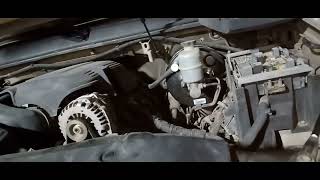
- Inspect the FPCM: Locate the Fuel Pump Control Module on the driver's side frame rail, usually above the spare tire or near the rear of the second door. 🎬 See exactly where to find the fuel pump control module. Disconnect and inspect the module and its wiring harness connector for any signs of green or white corrosion, or backed-out pins.
- Monitor Live Data: Use a capable scan tool to monitor 'Fuel Tank Fuel Pressure', 'Commanded Fuel Pressure', and 'Fuel Pump Duty Cycle'. Look for discrepancies between commanded and actual values. A stuck or erratic fuel pressure reading points to the sensor.
- Test Drive (if safe): Attempt to replicate the fault condition (e.g., driving in hot weather). A sudden drop in fuel pressure just before a stall strongly indicates a failing in-tank pump.
- Test the Fuel Pressure Sensor: Follow the diagnostic procedure in TSB #PIP5286B. With the engine cold, use a scan tool to command the 'Fuel System Depressurize' function. The pressure should drop to zero. If it hangs at 30-40 PSI, the sensor is faulty.
- Isolate the Pump vs. FPCM: If the FPCM has power (approx. 12V on the Red/Violet wire) and ground but is not sending the correct signal to the pump, the FPCM is likely bad. If the FPCM is sending the correct signal but the pump isn't responding or pressure is low, the in-tank pump is the culprit.
Parts You'll Likely Need
- Fuel Pump Module Assembly
(OEM #13512935)— This is the most common failure and the official fix recommended by GM TSBs for the hot-weather stalling issue. This part number is for long-wheelbase utilities like the Yukon XL and Suburban and supersedes part number 13582497. The updated part prevents vapor lock.
Trusted brands: ACDelco, Delphi
OEM price range: $310-$560
Aftermarket price range: $250-$450 - Fuel Pump Control Module (FPCM)
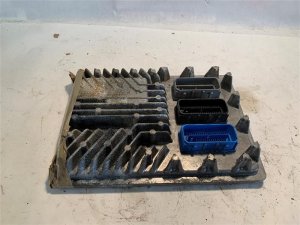
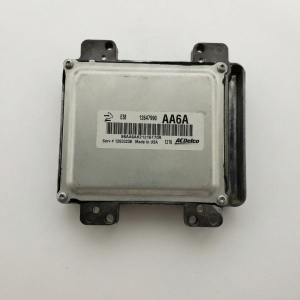
(OEM #23382215)— This is the second most common cause, often due to corrosion or electronic failure. It controls the in-tank fuel pump. This part may require programming by a dealer using SPS software.
Trusted brands: ACDelco, Dorman (OE FIX, may not require programming)
OEM price range: $80-$150
Aftermarket price range: $80-$150 - Low Pressure Fuel Pressure Sensor
(OEM #12708493)— A less common but possible cause. Failure can mimic a bad pump by sending false low-pressure signals. Always diagnose before replacing the more expensive pump.
Trusted brands: ACDelco
OEM price range: $50-$100
Aftermarket price range: $40-$80
Related Codes That Often Appear With This One
- P018B — Stands for 'Fuel Pressure Sensor 'B' Circuit Range/Performance'. This code is explicitly mentioned alongside P2635 in multiple GM TSBs (#17-NA-335, #PIP5507B) as they are both triggered by the same fuel delivery issue, especially during high-temperature stalling events.
- P069E — Stands for 'Fuel Pump Control Module Requested MIL Illumination'. This code indicates that the FPCM itself has detected a fault and has asked the ECM to turn on the Check Engine Light. It often appears with P2635.
- U0109 — Stands for 'Lost Communication With Fuel Pump Control Module'. This code points directly to an issue with the FPCM or its wiring/power supply, rather than the pump itself.
- U0074 — Stands for 'Control Module Communication Bus B Off'. TSB #PIP5427B notes this code can appear with P2635. It indicates a network problem that should be diagnosed first, as it could be the root cause.
Technical Service Bulletins (TSBs) & Recalls
- 17-NA-335: Malfunction Indicator Lamp Illuminated (MIL) - DTC P2635 and/or P018B Set In High Ambient Temperatures With Hesitation, Surging and Stalling. This is the primary TSB calling for the replacement of the fuel pump module with an updated version.
- PIP5507B: Preliminary information linking P2635 and/or P018B to hesitation or stalling in temperatures of 100°F or higher. Interestingly, it notes that if the updated pump is already installed and the issue persists, replacing it again will not fix it and suggests other measures like using higher octane fuel.
- PIP5286B: Provides diagnostic information for a vehicle setting both P2635 and P018B, pointing towards a potential fuel pressure sensor issue. It gives a specific test to confirm if the sensor is stuck.
- PIP5411F: An earlier TSB, superseded by 17-NA-335, that also identified the hot-weather stalling issue and specified updated fuel pump part numbers for different GM truck/SUV models.
Platform-Specific Known Issues
- A series of TSBs (#17-NA-335, #PIP5507B, #PIP5411F) were issued by GM specifically for hesitation, surging, and stalling in ambient temperatures of 100°F (38°C) or higher. The cause is identified as 'vapor buildup in fuel feed line' and the official correction is to replace the in-tank fuel pump module with an updated design.
Mechanic-Grade Diagnostic Values
- Low-Side Fuel Pressure (Scan Tool, Engine On) — expected: Fluctuating between 30-60 PSI depending on load.. Failure: Pressure is stuck at a fixed value (e.g., 48.7 PSI) or is significantly below commanded pressure.
- Low-Side Fuel Pressure (GDS2 Depressurize Command) — expected: With a cold engine at idle, commanding depressurization should cause the pressure value to drop to zero and the engine to stall.. Failure: The engine stalls, but the scan tool continues to read 30-40 PSI, indicating a faulty sensor.
- FPCM Power Supply Voltage (at module connector) — expected: Battery voltage (approx. 12V) on the main power wire.. Failure: Low or no voltage, indicating a wiring or fuse issue before the module.
- Low-Side Fuel Pressure Sensor Signal Voltage (Key On, Engine Off) — expected: Approximately 0.5V.. Failure: Voltage is stuck high (e.g., 4.8V) and does not change.
Scan Tool Commands That Help
- GDS2 (GM Dealer Tool): Fuel System Depressurize — Used with a cold engine to test the low-pressure fuel sensor's ability to read down to zero, as outlined in TSB #PIP5286B.
- GDS2 / SPS (Service Programming System): FPCM Fuel Pump Flow Control Module - Programming — Required after replacing the FPCM with a new OEM unit to load the correct calibration software for the vehicle's VIN.
- Autel J2534 / HP Tuners: FPCM Programming / Tuning — Advanced aftermarket tools can be used to program a new FPCM or modify fuel pump parameters, bypassing the need for dealer software.
Wiring & Ground Locations
- Fuel Pump Control Module (FPCM) — Mounted to the driver's side frame rail, typically near the rear of the second door or above the spare tire.. This location exposes the module and its connector to road salt, moisture, and vibration, making corrosion a common cause of failure leading to P2635 and U0109.
- FPCM Ground — A critical ground point is located on the frame right behind the front wheels.. This location is highly susceptible to corrosion from tire splash. A poor ground here can cause intermittent FPCM operation and mimic a failed pump or module.
- Underhood Fuse Block — On the driver's side of the engine bay.. Contains the fuse(s) that supply power to the Fuel Pump Control Module. A blown fuse will cut all power and trigger codes.
Real Owner Repair Stories
- CK5.com forum user (2014 Chevrolet Silverado 5.3L) — Persistent P2635 code, also had P018B.
❌ Tried (didn't work) Replacing the in-tank fuel pump.
✅ What actually fixed it The P2635 and P018B codes were resolved by replacing the low-pressure fuel pressure sensor on the fuel line under the driver's seat. - YouTube user 'Silverado P2635' (2017 Chevrolet Silverado) — P2635 code that would come back instantly after being cleared.
❌ Tried (didn't work) Reading forums where others replaced the fuel pump without success.
✅ What actually fixed it Replacing the fuel rail pressure sensor (low-pressure sensor on the frame rail) with part number 13516496 (superseding 13579380). The fix took 5 minutes and cost $40. - TahoeYukonForum.com user 'Denali12' (GMC Yukon Denali) — Check Engine Light with codes P018B, P2635, P069E. Truck was running fine.
❌ Tried (didn't work) The dealer suggested a list of unrelated maintenance items (injector cleaning, fluid flushes).
✅ What actually fixed it The user was quoted $1500 to replace the fuel pump and sensor. Other forum members advised against this, suggesting the FPCM or its wiring was the more likely and cheaper culprit, highlighting a common misdiagnosis path.
When the Usual Fixes Don't Work
- While the most common fix documented in GM's own service bulletins is the replacement of the in-tank fuel pump, multiple owner-sourced repairs have confirmed that the much cheaper and easier to replace low-pressure fuel pressure sensor was the actual cause of both P2635 and the accompanying P018B code. In these cases, even replacing the fuel pump did not resolve the issue, but replacing the sensor did. This suggests that the diagnostic procedure outlined in TSB #PIP5286B to specifically test the sensor should be a mandatory first step before condemning the expensive fuel pump assembly.
OEM Part Supersession History
13582497→13512935— Updated fuel pump module assembly for long-wheelbase utilities (Yukon XL, Suburban) to address hot-weather vapor lock issues per TSBs.13579380→13516496— Updated low-pressure fuel pressure sensor.
Heads up: A user confirmed the new part number worked on a 2017 Silverado, even though some parts systems said it would not fit.Varies (ACDelco/GM OEM FPCM)→Varies (Dorman OE FIX, e.g., 601-130)— Aftermarket modules are often designed to be 'plug-and-play' without requiring dealer programming.
Heads up: While OEM modules for this generation typically require VIN programming with GM's SPS software, some aftermarket replacements from brands like Dorman are pre-programmed and do not.
Model Year Variations Within This Range
- 2013-2014 (GMT900): While the FPCM is in a similar location, some aftermarket modules are specifically marketed as 'pre-programmed' for these model years, suggesting a different programming requirement than later models.
- 2015-2017 (K2XX): This generation is the primary focus of the TSBs related to hot-weather stalling (#17-NA-335, #PIP5286B), indicating the vapor lock issue is most pronounced on these models.
Helpful Videos

Used OEM Parts in Stock
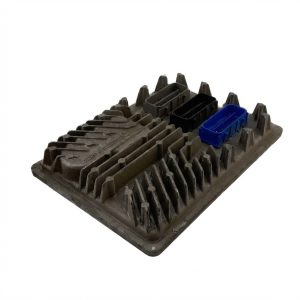
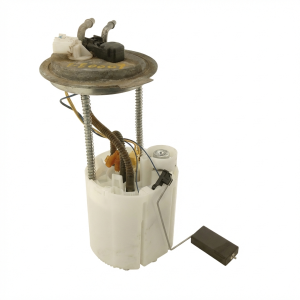
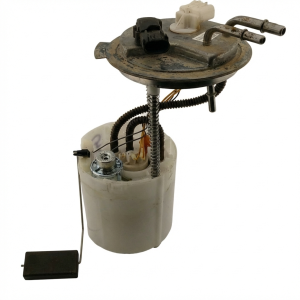
New Aftermarket Parts Available
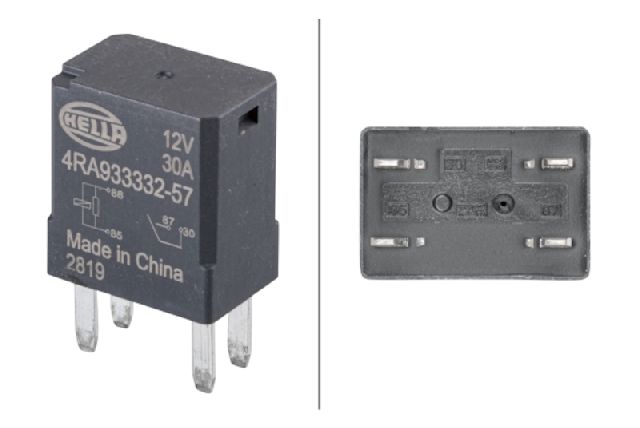



The information in this article is provided for general reference and educational purposes only. Vehicle specifications, procedures, and part compatibility can vary by production date, trim level, and region. Always consult your vehicle's factory service manual and verify part numbers before purchasing or performing repairs. Safety-critical components such as airbags, seat belts, and braking systems should be installed by a qualified professional.
- Gmc YUKON DENALI:
- 🧭 Diagnostic Flowchart
- 🎬 Helpful Videos
- 🛍️ Shop This Part
- What's Unique About the 2013-2017 Gmc YUKON DENALI
- Symptoms You May Notice
- Most Likely Causes
- Rare But Worth Checking
- Diagnosis Steps
- Parts You'll Likely Need
- Related Codes That Often Appear With This One
- Technical Service Bulletins (TSBs) & Recalls
- Platform-Specific Known Issues
- Mechanic-Grade Diagnostic Values
- Scan Tool Commands That Help
- Wiring & Ground Locations
- Real Owner Repair Stories
- When the Usual Fixes Don't Work
- OEM Part Supersession History
- Model Year Variations Within This Range
- 🎟️ Get 5% Off