

U0140 on 2007-2011 GMC Yukon Denali XL: Lost Communication with BCM Causes and Fixes
On a 2007-2011 GMC Yukon, U0140 means the Body Control Module (BCM) is offline. This is most often caused by damaged wiring or corroded connectors under the driver's side dash, sometimes due to water leaks. A very common chafe point is the harness near the parking brake assembly. Before replacing the BCM, a thorough inspection of the GMLAN wiring harness and ground connections is critical, as advised by GM TSBs.
- U0140 on a 2007-2011 Yukon indicates a loss of communication with the Body Control Module, which can cause serious drivability issues, including transmission shifting problems.
- The most likely cause is not a failed BCM, but rather a damaged or corroded wiring harness under the driver's side dashboard, often due to water leaks or chafing against the parking brake assembly.
- Do not drive the vehicle. The unpredictable nature of the electrical system and potential for the transmission to stop shifting make it unsafe.
- Diagnosis is complex and should be performed by a professional. Do not replace the BCM without first performing a thorough inspection of all related wiring and connectors, as this is a common misdiagnosis.
What's Unique About the 2007-2011 Gmc YUKON DENALI XL
On this generation of GMC Yukon (GMT900 platform), the BCM is located under the driver's side of the dashboard and is a critical hub for the vehicle's complex electrical system. A key failure point for these trucks is water intrusion from clogged sunroof drains or leaking windshield seals, which can drip directly onto the BCM and its connectors, causing corrosion and communication failures. GM has acknowledged network communication issues on these vehicles in Technical Service Bulletin #08-07-30-021H, which specifically points to wiring harness problems—such as chafing near the parking brake or corrosion in connectors—rather than outright module failure. Another bulletin, PIT4730B, warns that an intermittent short on the GMLAN can make the BCM appear offline for an entire ignition cycle, leading to misdiagnosis.
Diagnostic Flowchart
Tap your situation to follow the diagnostic path that matches what you're seeing on this vehicle.
Symptoms You May Notice
- Multiple warning lights on the instrument panel cluster (IPC), such as ABS or Stabilitrak.
- Transmission may not shift or defaults to one gear.
- Door locks cycling intermittently or not working.
- Constant or intermittent chimes.
- Instrument panel gauges fluctuating erratically or dropping to zero.
- Engine may not crank or may stall.
- Malfunctioning power windows, lights, or wipers.
- Radio or HVAC displays may go blank. 🎬 See a real-world case of a Yukon with no communication.
- Replacing the BCM without thoroughly inspecting the wiring harness first. TSBs #08-07-30-021H and #PIT4730B specifically warn that intermittent wiring faults can make a good BCM appear offline.
- Replacing other control modules (like the TCM or ECM) that are logging the U0140 code. These modules are reporting the code because they cannot hear the BCM; the fault lies with the BCM or its network connection, not the reporting modules.
Most Likely Causes
- Damaged or Corroded Wiring Harness 🔴 High Probability TSB #08-07-30-021H specifically calls out wiring issues. The harness can chafe against the parking brake assembly under the dash. Another common failure point is the harness under the underhood fuse block rubbing against the frame. Water leaks from windshields or sunroof drains are also common, leading to corrosion in connectors, especially large inline connectors in the driver's footwell and under the driver's door sill plate.
How to confirm: Visually inspect the wiring harnesses under the driver's side dashboard, especially around the parking brake mechanism. Check for chafed wires (specifically the Tan and Tan/Black GMLAN wires), green corrosion in connectors, or pinched sections of the harness. Inspect the harness below the underhood fuse block for rubbing on the frame. A continuity test on the GMLAN wires (circuits 2500 and 2501) between the BCM and the OBD-II port can confirm an open or short.
Typical fix: Repair the damaged section of the wire or replace the corroded connector terminal. Ensure the harness is re-routed or protected with loom to prevent future damage. Dielectric grease should be used in connectors prone to moisture.
Est. part cost: $10-$100 - Failed Body Control Module (BCM) 🟡 Medium Probability → Shop Body Control Module Water intrusion is a primary cause of BCM failure on this platform. Also, intermittent network shorts can cause the BCM to go offline for an entire ignition cycle, mimicking a failed module as described in TSB PIT4730B, leading to frequent misdiagnosis. A GM bulletin also warns that disconnecting a BCM ground while the battery is connected can permanently damage the module.
How to confirm: After verifying all power, ground, and communication wires (GMLAN circuits) to the BCM are intact, free of corrosion, and show correct resistance (~60 ohms between pins 6 and 14 of the OBD-II port), and a scan tool still cannot communicate with it, the BCM is likely faulty.
Typical fix: Replace the Body Control Module. The new module MUST be programmed by a dealer or qualified shop with the correct software for the vehicle's VIN and options.
Est. part cost: $200-$500 - Poor Power or Ground Connection ⚪ Low Probability While harness damage is more common, a loose or corroded main ground for the BCM can cause intermittent communication loss. On the GMT900 platform, ground points like G201 (under driver's dash) and G218 (driver's A-pillar kick panel area) are critical and can become corroded or loose. A user on TahoeYukonForum.com fixed a host of electrical issues by cleaning a corroded ground on the frame under the driver's door.
How to confirm: Using a multimeter, verify the BCM has stable battery voltage on its power pins and a solid ground connection (less than 0.1 ohm of resistance to the chassis). A voltage drop test on the ground side is also effective. A temporary jumper cable from the negative battery post to the engine block or chassis can help diagnose a bad main ground.
Typical fix: Clean the corroded ground point (e.g., G218) and terminal with a wire brush, then re-secure it tightly.
Est. part cost: $0-$5
Rare But Worth Checking
- Low Battery Voltage: → Shop Vehicle Battery Communication modules are sensitive to voltage. A weak or dying battery can cause modules to drop off the network intermittently, generating a U0140 code. Always check battery health first.
- Aftermarket Device Interference: Poorly installed remote starters, alarms, or OBD-II plug-in devices (like insurance trackers or performance tuners) can interfere with the CAN bus network and cause communication codes.
- Faulty Terminating Resistor: The GMLAN network has two 120-ohm terminating resistors. If one fails (or a module containing one is disconnected), the total network resistance will read 120 ohms instead of the correct 60 ohms, causing communication failures.
- Shorted Module on Network: A different module on the GMLAN, such as the Suspension Control Module, can short internally and pull down the entire communication bus, preventing the BCM from talking and logging a U0140 code in other modules.
Diagnosis Steps
- Check and charge the battery. Ensure it has a stable voltage above 12.4V and performs well under load.
- Use a professional scan tool to check for codes in ALL vehicle modules. Note which modules are logging U0140 and which, if any, are completely offline.
- Thoroughly inspect the wiring harness under the driver's side dash, paying close attention to the area around the parking brake assembly as detailed in TSB #08-07-30-021H.
- Inspect the harness that runs from the underhood fuse block down along the frame rail for any signs of chafing.
- Inspect the BCM and its connectors for any signs of water intrusion or corrosion. The BCM is located under the driver's side dash.
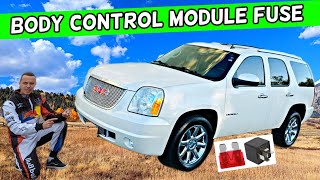
- Check BCM-related fuses in the interior and under-hood fuse panels. 🎬 Watch: How to find all BCM-related fuse locations.
- With the battery disconnected, measure the resistance between Pin 6 (CAN High) and Pin 14 (CAN Low) at the OBD-II port. A healthy network should read approximately 60 ohms.
- Verify the BCM is receiving proper power on its supply wires and has a clean, tight ground connection at all specified ground points (e.g., G218).
- If all wiring, power, and grounds are good but the BCM remains offline, the BCM itself is the likely point of failure.
Parts You'll Likely Need
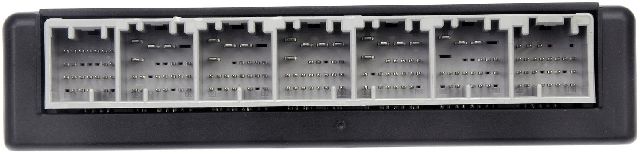
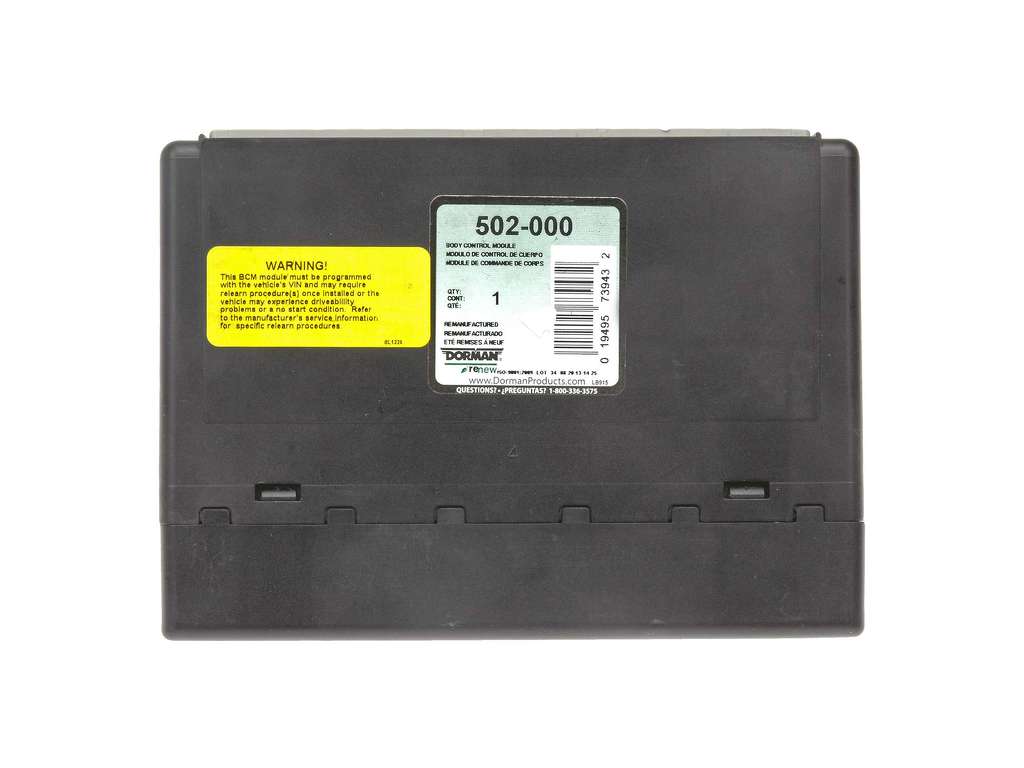
- Body Control Module (BCM)
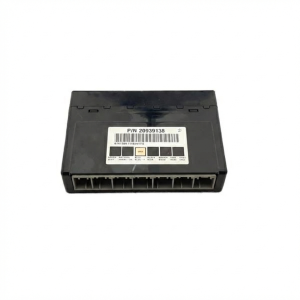
(OEM #25823558, 25790508, 20939138)— This module is the source of the communication loss. It often fails due to internal faults or external factors like water damage, but should only be replaced after ruling out wiring/ground issues.
Trusted brands: ACDelco (GM Genuine)
OEM price range: $250-$450
Aftermarket price range: $200-$350 - Wiring Harness Connector / Terminals — Corrosion from water intrusion or physical damage often requires replacing the connector housing or individual wire terminals to restore a solid connection to the BCM or at inline harness connectors.
Trusted brands: ACDelco, Dorman
OEM price range: $25-$75
Aftermarket price range: $10-$50
Related Codes That Often Appear With This One
- U0073 — This is a general code for 'Control Module Communication Bus 'A' Off', indicating a problem with the high-speed GMLAN network that the BCM uses. It is explicitly mentioned alongside U0140 in TSB #08-07-30-021H.
- U0100 — Lost Communication with ECM/PCM. This can be set if the BCM's failure disrupts the entire network. It is also listed in TSB #08-07-30-021H.
- U0101 — Lost Communication with TCM. This directly relates to the symptom of the transmission not shifting, as mentioned in TSB #08-07-30-021H.
- U0121 — Lost Communication With Anti-Lock Brake System (ABS) Control Module. This is another critical module on the high-speed network that will log a code if communication is disrupted, also cited in TSB #08-07-30-021H.
Technical Service Bulletins (TSBs) & Recalls
- Bulletin #08-07-30-021H: Addresses loss of high-speed GMLAN communications (including U0140) causing various symptoms like no-shift, warning lamps, and engine stalling due to wiring and connector issues. It specifically mentions chafing and backed-out terminals in connectors.
- Bulletin #PIT4730B: A diagnostic tip explaining that U0140 can be set intermittently. If the GMLAN data circuits short together or to ground twice in less than a second, the BCM will go offline for the entire ignition cycle, appearing dead to a scan tool. Cycling the ignition and letting the BCM power down (up to 20 minutes) may restore communication.
Platform-Specific Known Issues
- TSB #08-07-30-021H documents that intermittent communication loss, including code U0140, can be caused by chafed wiring near the park brake pedal assembly or corroded terminals in various connectors, leading to severe symptoms like the transmission failing to shift.
- TSB #PIT4730B notes that an intermittent short on the communication network can cause the BCM to go offline for a full ignition cycle, making it appear faulty when the root cause is a wiring issue. Technicians are warned not to replace the BCM without proper diagnosis.
- Water leaks from clogged sunroof drains or poorly sealed windshields are a known problem that can lead to water dripping directly onto the BCM and its wiring, causing corrosion and this code.
- A common real-world failure point is the wiring harness directly under the underhood fuse block, where it can rub through on the frame, causing shorts.
Mechanic-Grade Diagnostic Values
- GMLAN Bus Resistance — expected: ~60 Ω. Failure: A reading of ~120 Ω indicates an open circuit or a missing terminating resistor. A reading of 0 Ω indicates the CAN High and CAN Low wires are shorted together.
- GMLAN High-Speed Bus Voltage (Key On, Idle) — expected: Each line (High and Low) rests at ~2.5V. During communication, CAN High toggles to ~3.5V and CAN Low toggles to ~1.5V.. Failure: Voltages stuck at 0V, 5V, or not toggling indicate a short to ground, short to power, or an open circuit.
- BCM Power Supply Voltage — expected: 12.2V - 12.8V with ignition on, engine off.. Failure: Significantly lower voltage indicates a power supply issue (fuse, relay, wiring) to the module.
Hidden / Shadow Codes Worth Checking
- U0140 00: This is a more specific version of the code, with '00' as a symptom byte indicating a general 'No Communication' status. It is often seen with other network codes. (see via A professional scan tool like the GM Tech 2 or GDS2 can display codes with their symptom bytes, as referenced in TSB PIT4730B.)
- U0073 71: This code for 'Control Module Communication Bus 'A' Off' can appear with a '71' symptom byte, indicating an 'Invalid Serial Data Received' error. This points to data corruption on the bus, not just a loss of signal. (see via Visible with a GM-specific scan tool (Tech 2/GDS2) as noted in TSB PIT4730B.)
Scan Tool Commands That Help
- GM Tech 2 / GDS2 or equivalent professional scanner: Setup SDM Primary Key in BCM — This procedure is required after replacing the BCM. Failure to perform this step will result in the airbag (SIR) warning light remaining illuminated, as the new BCM must be synchronized with the Sensing and Diagnostic Module (SDM).
Wiring & Ground Locations
- BCM (Body Control Module) — Located under the driver's side of the dashboard, to the left of the steering column.. This is the module that has lost communication. Its connectors are a primary inspection point for corrosion or damage.
- G201 — Behind the upper left end of the dashboard, near the A-pillar.. This is a critical ground point for the BCM and other interior electronics. Corrosion or a loose connection here can cause the BCM to lose power and drop off the network.
- GMLAN Terminating Resistors — There are two 120-ohm resistors. One is internal to the Engine Control Module (ECM). The second is located after the last module on the bus, which on some models can be the Suspension Control Module or within the harness itself.. The network requires both resistors to function. Their combined resistance should be 60 ohms. If one fails or is disconnected, communication becomes unstable.
- Driver's Door Sill Wiring Channel — Under the plastic door sill trim plate on the driver's side floor.. This channel contains numerous wire harnesses and splice packs. It is a known area for water to collect from leaks, causing hidden corrosion that can sever GMLAN communication wires.
Real Owner Repair Stories
- TahoeYukonForum.com user (2007 Chevrolet Tahoe) — No start, multiple warning lights including 'Service Stabilitrak', and code U0140.
❌ Tried (didn't work) Replacing the battery, Checking all fuses
✅ What actually fixed it The owner found a corroded splice pack and several damaged wires in the harness located under the driver's side door sill plate. Water had leaked into the wiring channel. Repairing the corroded wires and sealing the area resolved all symptoms. - YouTube channel 'scannerdanner' (2007 GMC Yukon) — No crank, no start, multiple network codes including U2099 in the BCM for a shorted wakeup signal.
❌ Tried (didn't work) Replacing and reprogramming the BCM (the issue persisted)
✅ What actually fixed it The technician diagnosed that the Serial Data Wakeup circuit was shorted to ground. By disconnecting modules one by one, it was determined the Electronic Suspension Control Module was internally shorted, pulling the entire network down. Unplugging the faulty module allowed the vehicle to crank and start. The final fix was to replace the Suspension Control Module.
"I Checked Everything" — The Actual Cause
- In one documented case, a 2007 Tahoe with U0140 would not start. Standard checks of fuses and the battery were clean. The actual cause was a corroded wire splice pack hidden in the wiring channel under the driver's side door sill plate, which had been damaged by a water leak. This location is outside the typical under-dash inspection area and would not be found with a visual check of the BCM itself.
OEM Part Supersession History
25790508, 25823558, 20939138→These part numbers are often listed as interchangeable or are superseded by later numbers like 25835966 for the 2007-2013 model years.— Part consolidation and minor revisions by the manufacturer.
Heads up: While many part numbers are interchangeable, they MUST be programmed to the vehicle's specific VIN and options. A BCM from a vehicle with different options (e.g., with/without autoride suspension) may cause issues even if it physically fits and communicates.
Model Year Variations Within This Range
- 2007-2014: The entire GMT900 platform, which includes the 2007-2011 Yukon, relies on the GMLAN communication protocol. This is a significant departure from older GM Class 2 data bus systems. The architecture for the BCM and its communication network remained largely consistent through these model years, making TSBs and diagnostic procedures broadly applicable.
Helpful Videos

Used OEM Parts in Stock
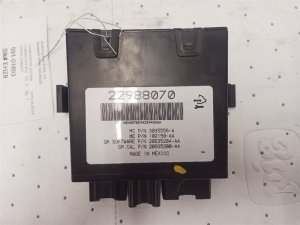
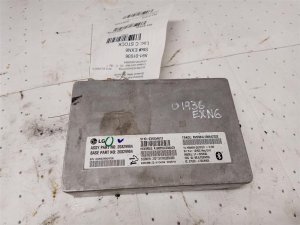
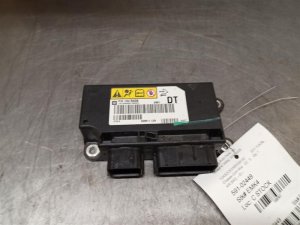
New Aftermarket Parts Available
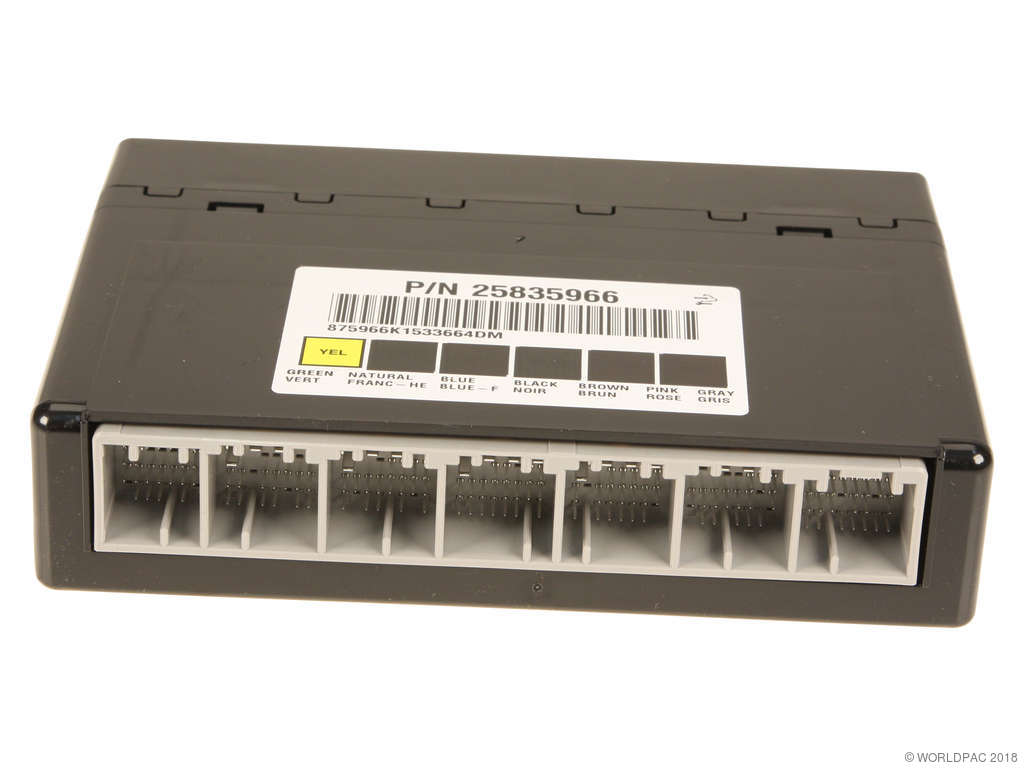

The information in this article is provided for general reference and educational purposes only. Vehicle specifications, procedures, and part compatibility can vary by production date, trim level, and region. Always consult your vehicle's factory service manual and verify part numbers before purchasing or performing repairs. Safety-critical components such as airbags, seat belts, and braking systems should be installed by a qualified professional.
- Gmc YUKON DENALI XL:
- 🧭 Diagnostic Flowchart
- 🎬 Helpful Videos
- 🛍️ Shop This Part
- What's Unique About the 2007-2011 Gmc YUKON DENALI XL
- Symptoms You May Notice
- Most Likely Causes
- Rare But Worth Checking
- Diagnosis Steps
- Parts You'll Likely Need
- Related Codes That Often Appear With This One
- Technical Service Bulletins (TSBs) & Recalls
- Platform-Specific Known Issues
- Mechanic-Grade Diagnostic Values
- Hidden / Shadow Codes Worth Checking
- Scan Tool Commands That Help
- Wiring & Ground Locations
- Real Owner Repair Stories
- "I Checked Everything" — The Actual Cause
- OEM Part Supersession History
- Model Year Variations Within This Range
- 🎟️ Get 5% Off