

U1001 on 2005-2012 Nissan Titan: CAN Communication Failure Causes and Fixes
The U1001 code on a 2005-2012 Nissan Titan indicates a CAN communication network failure. The most common cause is a poor or corroded ground connection, especially the main grounds near the battery and on the engine block. Many owners report that cleaning, tightening, or replacing these ground wires resolves a host of electrical issues, including the U1001 code, often for minimal cost.
- U1001 on your Titan almost always points to an electrical connection problem, not a failed expensive computer.
- Before any other diagnosis, thoroughly inspect, clean, and tighten the battery terminals and all major ground wire connections to the frame and engine.
- A weak battery is the second most likely culprit. Have it tested and replace it if it's failing.
- If grounds and battery are good, the issue may be a damaged wire or, rarely, a failed module, which may require professional diagnosis.
What's Unique About the 2005-2012 Nissan TITAN

First-generation Nissan Titans are well-known for having electrical grounding issues that can trigger communication codes like U1001. Over time, the main ground cables connected to the battery, frame, and engine block are prone to corrosion, which increases resistance and disrupts sensitive module communications. This is often accelerated by gases venting from the battery, which can cause a chemical reaction on the terminals and cables. Many owners on forums like Reddit and TitanTalk have reported bizarre electrical problems—from gauges sweeping to no-start conditions—that were ultimately traced back to cleaning or replacing these inexpensive ground points, making it the first and most important place to check on this specific truck.
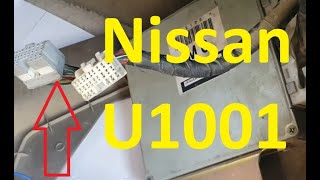
🎬 Watch: Understanding the U1001 code and how to fix it.Diagnostic Flowchart

Tap your situation to follow the diagnostic path that matches what you're seeing on this vehicle.
Symptoms You May Notice

- Check Engine Light is on
- Multiple other warning lights may illuminate (ABS, Traction Control, VDC, SLIP)
- Engine may crank but not start, or experience intermittent no-start where it just clicks
- Erratic or non-functional gauges on the instrument cluster, such as the tachometer not working
- Transmission may shift harshly or get stuck in one gear (limp mode)
- Noticeable drop in engine performance, including stalling or rough idle
- A/C system may not function correctly
- Radio or audio system producing static or cutting out
- Replacing the ECM or another control module without first thoroughly checking all ground connections and battery voltage.
- Replacing the alternator when a charging issue is present, as the root cause could be a communication failure preventing the alternator from charging correctly.
- Assuming a no-start condition is a bad starter motor when it's actually a communication issue preventing the starter relay from engaging.
Most Likely Causes

- Corroded or Loose Ground Wires 🔴 High Probability Nissan Titans of this era are notorious for corrosion at the main battery ground cable, frame grounds, and engine block grounds. The battery design can vent acidic gases that accelerate corrosion on nearby terminals and wires. Forum users frequently point to the ground connection on the engine block and the one from the battery to the chassis as the main culprits.
How to confirm: Visually inspect the negative battery cable and where it bolts to the chassis and engine block. Look for green or white crust, swelling, or fraying. Use a multimeter to check for a voltage drop between the negative battery post and the chassis/engine block; it should be less than 0.1V. Any significant reading indicates high resistance in the ground path.
Typical fix: Disconnect the battery. Remove, thoroughly clean (with a wire brush and contact cleaner), and securely re-attach the ground connections. If the cable is badly corroded, swollen, or internally broken, it must be replaced.
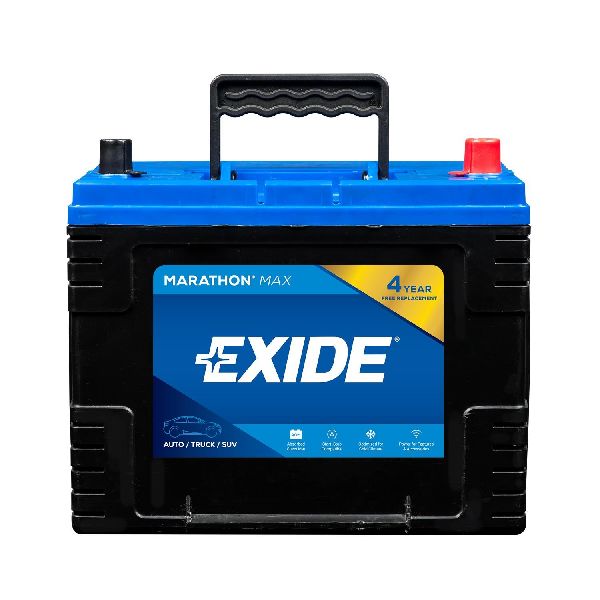
Est. part cost: $5-$70 - Low Battery Voltage or Failing Battery 🟡 Medium Probability → Shop Vehicle Battery
How to confirm: Test the battery with a multimeter. A healthy, fully charged battery should read approximately 12.6 volts with the engine off. With the engine running, the alternator should bring the voltage to between 13.7 and 14.7 volts. A voltage drop during cranking can also trigger communication codes.
Typical fix: Charge or replace the battery. Ensure battery terminals are clean and tight.
Est. part cost: $150-$300 - Damaged CAN Bus Wiring or Connectors ⚪ Low Probability Some owners have reported that the wiring harness running along the passenger side frame can be melted by exhaust leaks, causing shorts. Other potential areas for chafing or damage are where harnesses pass through the firewall or connect to modules under the dash.
How to confirm: Visually inspect the CAN wiring harness for any signs of physical damage, such as chafing, melting, or rodent damage. Pay close attention to the harness near the exhaust and at major connection points. This requires a wiring diagram and a multimeter to check for continuity and shorts between the CAN High and CAN Low wires.
Typical fix: Repair the damaged section of the wiring harness. This may involve soldering, heat-shrinking, and re-wrapping the harness according to manufacturer-approved procedures.
Est. part cost: $10-$100
Rare But Worth Checking
- Faulty IPDM (Intelligent Power Distribution Module): The IPDM, which is the smart fuse/relay box in the engine bay, can fail internally. The original white-cased IPDMs are known to be problematic, with updated replacements often being black. A failing IPDM can cause a wide range of issues, including no-start conditions and communication codes. A self-test can be initiated to check its function. 🎬 See how to perform a Nissan IPDM self-test yourself.
- Faulty Control Module (ECM, BCM, TCM): While less common than wiring or ground issues, a module can fail internally and disrupt the entire network. This is usually a last resort after all wiring, grounds, and power sources have been verified as good. A professional scan tool can help identify which module is not communicating.
- Blown Fuse in IPDM: A blown fuse for a critical module can take it offline, causing a communication code. Check fuses related to 'Electronic Parts', 'IGN', or specific modules like 'TCM' in the Intelligent Power Distribution Module (IPDM). A short in the trailer wiring harness is a known cause for blowing trailer-related fuses in the IPDM, which can sometimes trigger network codes.
Diagnosis Steps
- Check Battery Health: Ensure the battery is fully charged (12.6V+ engine off) and the alternator is charging correctly (13.7-14.7V engine on). Clean battery terminals. Low voltage is a known cause of CAN DTCs.
- Inspect All Grounds: This is the most critical step for a Titan. Disconnect, clean, and tighten the main negative battery cable at the battery, the frame connection (often near the battery), and the engine block connection. Also inspect smaller ground straps, such as one reported on the exhaust.
- Check Fuses: Inspect all fuses, particularly in the IPDM (Intelligent Power Distribution Module), for any related to control modules, ignition, or electronic parts.
- Scan for Other Codes: Use an advanced OBD-II scanner that can read manufacturer-specific codes from all modules (ECM, TCM, BCM, ABS). Note which modules are reporting codes or are not responding. This helps pinpoint the area of the fault.
- Inspect Wiring Harness: Visually inspect the main wiring harnesses for obvious damage, especially near the exhaust on the passenger side frame rail and where harnesses pass through the firewall.
- Check CAN Bus Resistance: With the battery disconnected, use a multimeter to measure the resistance between Pin 6 (CAN-H) and Pin 14 (CAN-L) on the OBD-II port. A healthy network should read approximately 60 ohms. A reading of 120 ohms suggests a missing termination resistor (often in the ECM or IPDM) or a break in the circuit.
- Isolate Modules: If the resistance is incorrect or the problem persists, you may need to disconnect modules one by one to see if the resistance returns to 60 ohms. This is an advanced step best left to professionals as it requires knowledge of module locations and can be time-consuming.
Parts You'll Likely Need
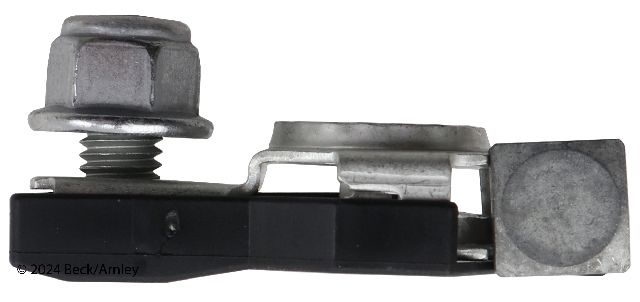
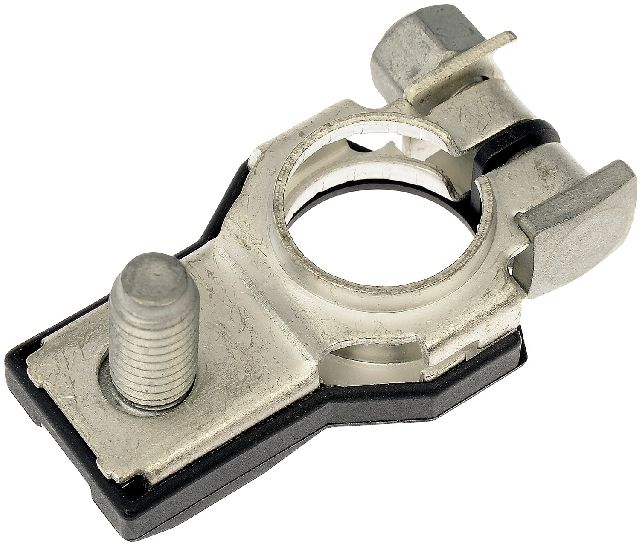
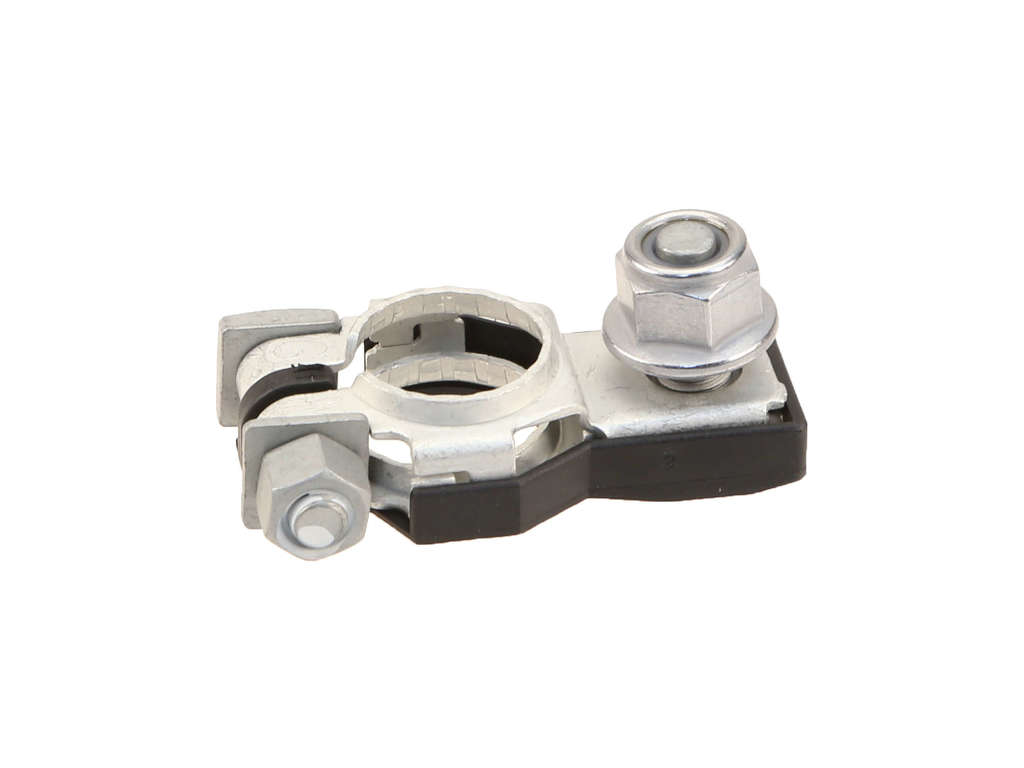
- Negative Battery Ground Cable
(OEM #24080-ZR00A)— The original cable is highly prone to corrosion, which is the leading cause of the U1001 code on this truck. Replacing it is a common and effective fix. 🎬 Watch this walkthrough on replacing your negative battery cable.
Trusted brands: Nissan OE, Standard Motor Products
OEM price range: $120-$175
Aftermarket price range: $20-$50 - Battery — A weak or failing battery can cause low voltage conditions that trigger communication faults across the CAN network.
Trusted brands: Interstate, DieHard, Duralast
OEM price range: $200-$300
Aftermarket price range: $150-$250
Related Codes That Often Appear With This One
- U1000 — U1000 is a general CAN communication failure code. U1001 is often a more specific version of the same fault, and they frequently appear together as they both indicate a network problem.
- P0XXX codes — If the Engine Control Module (ECM) loses communication with other modules (like the TCM), it can trigger various engine-related performance codes.
- C1XXX codes — If the ABS or Vehicle Dynamic Control (VDC) module loses communication, it will set chassis-related codes and illuminate warning lights like ABS, SLIP, and VDC.
Technical Service Bulletins (TSBs) & Recalls
- NTB10-066A / NTB10-066B: A general service bulletin regarding communication codes U1000, U1001, U1002, and U1010. It advises technicians to always diagnose communication codes first, notes that low battery voltage can set CAN DTCs, and provides guidelines for checking CAN resistance (should be ~60 ohms).
- NTB13-027A: Provides a detailed diagnostic flowchart for CAN communication issues, outlining steps to check for open/short circuits and faulty modules based on resistance and voltage readings at the DLC.
- NTB10-145B: Focuses on ABS/VDC CAN diagnosis. It specifies that if U1000 is the only code in the ABS unit, a specific repair flow should be followed, and directs technicians to NTB10-066 for U1000 codes in other systems.
Platform-Specific Known Issues
- Widespread reports of corroded battery terminals and ground wires causing a variety of electrical faults, including CAN communication codes.
- The wiring harness that runs along the passenger-side frame rail is susceptible to melting from exhaust leaks, which can short out the CAN bus wires.
- The original white-cased IPDM (Intelligent Power Distribution Module) is known to be less reliable than the updated black-cased version.
Mechanic-Grade Diagnostic Values
- CAN Bus Resistance (Battery Disconnected) — expected: ~60 Ω between Pin 6 (CAN-H) and Pin 14 (CAN-L) of the DLC.. Failure: A reading of ~120 Ω indicates an open circuit or a missing termination resistor. A reading of 0 Ω indicates a short between CAN-H and CAN-L.
- CAN Bus Voltage (Key On, Engine Off) — expected: CAN-H (Pin 6 to ground) should be ~2.7V. CAN-L (Pin 14 to ground) should be ~2.3V.. Failure: Voltages that are stuck high, low, or at 0V indicate a short to power or ground on the respective line.
- Termination Resistor Resistance — expected: ~120 Ω at each terminating module (e.g., ECM, IPDM) when disconnected from the network.. Failure: A reading significantly different from 120 Ω indicates a faulty terminating resistor within the module.
- Ground Voltage Drop (Engine Running) — expected: < 0.1V (100mV) between the negative battery post and various ground points (chassis, engine block).. Failure: A voltage reading higher than 0.1V indicates excessive resistance in the ground circuit, which is a primary cause of CAN issues on this platform.
Scan Tool Commands That Help
- Nissan CONSULT: CAN Diag Support Monitor — This function provides a visual network diagram showing which modules are communicating (Green), which have current errors (Red), and which have past errors (Orange). It is the primary diagnostic tool for isolating the source of a U1001 code.
- Manual Procedure (No Scan Tool): IPDM Auto Active Test — This built-in self-test checks the IPDM's ability to power various components like wipers, lights, and the A/C compressor clutch. To initiate: Turn ignition ON, press and release the driver's door switch 10 times within 10 seconds, turn ignition OFF, then turn ignition back ON. A single horn chirp confirms the test has started. This can help verify if the IPDM itself is functional.
Wiring & Ground Locations

- E15 — Right side of the engine compartment.. This is a primary engine bay ground point. Corrosion or looseness here can disrupt communication for multiple modules.
- E24 — Left front of the engine compartment, often near the battery.. This is a critical ground point that includes the main battery-to-chassis connection. It is highly susceptible to corrosion and is a top suspect for the U1001 code.
- F16 — Left front of the engine.. This ground point serves the ECM, TCM, and various critical sensors. A fault here directly impacts the main control units on the CAN bus.
- M57 / M61 — Behind the left side and center of the dashboard, respectively.. These are major interior ground points for the BCM, combination meter, and data link connector. A fault here can cause instrument cluster issues and prevent scanner communication.
Real Owner Repair Stories
- etrailer.com expert answer (Nissan Titan (year not specified)) — Trailer turn signal fuse repeatedly blowing, leading to CAN communication codes.
❌ Tried (didn't work) Replacing the fuse without finding the root cause.
✅ What actually fixed it The problem was traced to a short circuit in the trailer's own wiring harness. The short caused the fuse in the Titan's IPDM to blow, which in turn disrupted the CAN network and logged communication codes. Repairing the trailer wiring resolved the issue. - YouTube channel 'Abdullah auto electrician' (Nissan Tiida (shares CAN architecture principles)) — U1001 code, check engine light blinking, tachometer not working (stuck at zero).
❌ Tried (didn't work) Replacing crank and cam sensors., Checking wiring.
✅ What actually fixed it The Engine Control Module (ECM) itself was faulty. After replacing the ECM and performing the key registration/programming procedure with a scan tool, the RPM gauge started working, the code cleared, and the vehicle started and ran properly.
OEM Part Supersession History
Various (White Case)→Various (Black Case), e.g., 284B6-ZE03C— The original white-cased IPDMs were known to have higher failure rates. The updated black-cased modules are considered more robust and reliable.
Heads up: There were several mid-production changes. Ordering an IPDM without verifying the VIN can result in receiving an incompatible part.
Model Year Variations Within This Range
- 2008-2012: A facelift for the 2008 model year brought cosmetic changes and some interior updates. The 5.6L V8 engine received a minor power increase from 305 hp to 317 hp around this time. However, the core electrical architecture and susceptibility to grounding/CAN issues remained largely the same throughout the 2005-2012 period.
Helpful Videos
We Have This Part in Stock


The information in this article is provided for general reference and educational purposes only. Vehicle specifications, procedures, and part compatibility can vary by production date, trim level, and region. Always consult your vehicle's factory service manual and verify part numbers before purchasing or performing repairs. Safety-critical components such as airbags, seat belts, and braking systems should be installed by a qualified professional.
- Nissan TITAN:
- 🧭 Diagnostic Flowchart
- 🎬 Helpful Videos
- 🛍️ Shop This Part
- What's Unique About the 2005-2012 Nissan TITAN
- Symptoms You May Notice
- Most Likely Causes
- Rare But Worth Checking
- Diagnosis Steps
- Parts You'll Likely Need
- Related Codes That Often Appear With This One
- Technical Service Bulletins (TSBs) & Recalls
- Platform-Specific Known Issues
- Mechanic-Grade Diagnostic Values
- Scan Tool Commands That Help
- Wiring & Ground Locations
- Real Owner Repair Stories
- OEM Part Supersession History
- Model Year Variations Within This Range
- 🎟️ Get 5% Off