

U1002 on 2005-2009 Nissan 350Z: CAN Communication Failure Causes and Fixes
Code U1002 on a 350Z indicates a CAN network communication failure. The most common causes are poor/corroded ground wires or a weak battery, not a failed computer. Before any expensive repairs, thoroughly clean all major ground connections—especially the battery-to-chassis and engine block grounds—and test the battery.
- U1002 is a network communication error, not a specific component failure.
- Do not replace any expensive modules (like the ECM) until you have ruled out the most common causes.
- The most likely fix is cleaning and tightening all major ground connections, particularly the battery-to-chassis and engine-to-chassis straps.
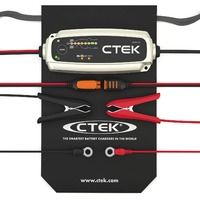
- Ensure the battery is fully charged and healthy before starting any complex diagnosis.
- Diagnosis is complex and best left to a professional with a scan tool that can read data from all vehicle modules.
What's Unique About the 2005-2009 Nissan 350Z
On the 350Z (Z33 platform), which it shares with the Infiniti G35, CAN bus errors like U1002 are very frequently traced back to the vehicle's foundational electrical system rather than a specific failed module. Owners and technicians consistently report that corroded or loose ground straps are the primary culprit, creating electrical 'noise' that disrupts the sensitive network. Diagnosis often rewards a back-to-basics approach focusing on grounds and battery health before suspecting expensive components like the ECM or IPDM.
Diagnostic Flowchart
Tap your situation to follow the diagnostic path that matches what you're seeing on this vehicle.
Generation note: This range covers the entire Z33 generation post-facelift, including models with the VQ35DE 'Rev-Up' engine (2005-2006) and the VQ35HR engine (2007-2008). While the core electrical system is similar, some module locations or wiring specifics may vary slightly between these engine updates. The VQ35HR models (07-08) feature a different engine block, twin intakes, and a transmission with an internal clutch slave cylinder, which can affect access to certain components compared to the DE models.
Symptoms You May Notice
- Multiple warning lights on the dashboard, such as VDC OFF, SLIP, ABS, and BRAKE 🎬 Watch: How to clear these common dashboard warning lights
- Engine will not start or has an intermittent no-start condition
- Engine enters 'limp mode,' limiting RPMs (often to around 2,000 RPM)
- Erratic or non-functional gauges on the instrument cluster
- Unpredictable automatic transmission shifting
- Automatic transmission may not shift into the highest gear, and manual mode may become inoperable.
- Horn may stop working
- Replacing the Engine Control Module (ECM) or another control unit without first exhaustively checking the battery, grounds, and wiring harness. The fault is most often in the network's foundation, not the module itself. 🎬 See this walkthrough on fixing ECM communication issues
Most Likely Causes
- Poor or Corroded Ground Connections 🔴 High Probability Nissan vehicles of this era are known for issues with corrosion at key grounding points, especially the main battery-to-chassis and engine-to-firewall straps. This increases resistance and disrupts sensitive module communication.
How to confirm: Visually inspect all major ground straps for corrosion, fraying, or looseness. Key locations to check are the main negative battery cable connection to the chassis, the ground strap on the engine's timing cover (near the right valve cover), and the chassis ground near the brake fluid reservoir. Use a multimeter to perform a voltage drop test on the ground circuit; a reading of more than 0.2 volts indicates a problem.
Typical fix: Remove, thoroughly clean (with a wire brush), and securely re-fasten all corroded ground connections. It is critical to sand any paint under the connection point to ensure a bare metal contact. In some cases, the entire ground cable may need to be replaced.
Est. part cost: $5-$50 - Weak Battery or Low System Voltage 🔴 High Probability → Shop Vehicle Battery Control modules require a stable voltage to operate. A weak battery can cause modules to randomly drop off the network during the high-load event of engine cranking, triggering a communication code.
How to confirm: Test the battery with a multimeter. A healthy, resting battery should be at ~12.6V. With the engine running, voltage should be ~13.7-14.7V. Perform a load test to confirm the battery's health, as a battery can show good voltage but fail under load.
Typical fix: Recharge or replace the battery. Ensure terminals are clean and tight.
Est. part cost: $150-$300 - Damaged Wiring Harness or Connectors 🟡 Medium Probability
How to confirm: Visually inspect the CAN bus wiring harness for any signs of chafing, melting, or corrosion, paying close attention to areas near the engine, exhaust, and behind the dashboard. Check for bent or loose pins at the OBD-II port and module connectors.
Typical fix: Repair the damaged section of wiring. Clean or replace damaged connectors.
Est. part cost: $10-$200 - Faulty Intelligent Power Distribution Module (IPDM) ⚪ Low Probability → Shop Fuse Box The IPDM is a 'smart' fuse and relay box in the engine bay that powers many other modules. Internal failure, often due to age or corrosion, can cut power to a module, causing it to drop off the CAN network and trigger a U1002 code.
How to confirm: A professional scan tool can show which modules are not receiving power. A technician may also perform the IPDM's self-test to check its functions. Swapping in a known-good IPDM is a common diagnostic step. Nissan generally advises against replacing the individual relays inside the module.
Typical fix: Replace the entire IPDM assembly.
Est. part cost: $150-$400
Rare But Worth Checking
- Faulty Control Module (ECM, BCM, ABS): While less common than wiring or ground issues, an individual module can fail internally and either stop communicating or broadcast corrupt data, bringing down the entire network. Diagnosis requires a scan tool to isolate the failing module.
- Aftermarket Electronics Interference: Improperly installed aftermarket stereos, alarms, or remote starters can interfere with the CAN bus. Disconnecting these devices is a valid diagnostic step.
Diagnosis Steps
- Check Battery and Charging System: Ensure the battery has a full charge (12.6V+) and the alternator is charging correctly (13.7-14.7V when running). A weak power source is a primary cause of module communication errors.
- Inspect and Clean All Grounds: This is the most critical step. Disconnect, wire brush, and securely re-attach the main battery negative cable to the chassis, the engine block ground straps (especially the one on the timing cover), and any grounds near the ECM and IPDM.
- Scan for Codes in All Modules: Use a professional-grade scan tool that can communicate with all modules (ECM, BCM, ABS, etc.). Note which modules are reporting 'no communication'. This helps narrow down the location of the fault.
- Check CAN Bus Resistance: With the battery disconnected, measure the resistance between Pin 6 (CAN High) and Pin 14 (CAN Low) at the OBD-II port. A healthy network should read approximately 60 Ω. This reading confirms the two 120 Ω terminating resistors (one in the ECM, one in the IPDM) are connected in parallel. A reading of 120 Ω suggests an open circuit or that one of the terminating modules has lost power/ground. A reading near 0 Ω indicates a short circuit between the CAN lines.
- Perform IPDM Self-Test: With the ignition off, turn the ignition ON and, within 20 seconds, press the driver's side door jam switch 10 times. Turn the ignition OFF, then ON again. The horn will sound, and the IPDM will begin to cycle its outputs (wipers, lights, A/C compressor). This can help verify if the IPDM is functioning and sending power to other components.
- Perform a Harness 'Wiggle Test': With the ignition on, gently wiggle wiring harnesses connected to the non-communicating modules and along the main CAN bus path. If communication is restored, it indicates an intermittent connection that needs to be repaired.
- Isolate Modules: If the fault persists, a technician will disconnect modules one by one from the CAN network to see if the 60 Ω resistance returns, which would isolate the faulty module that is pulling the network down.
Parts You'll Likely Need
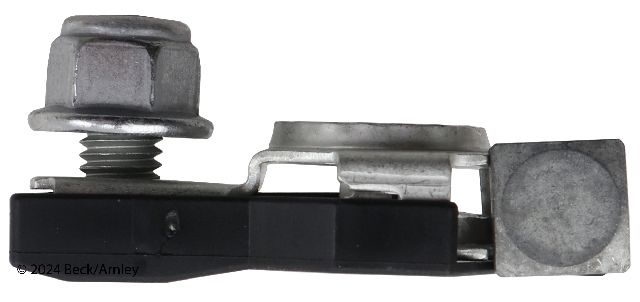
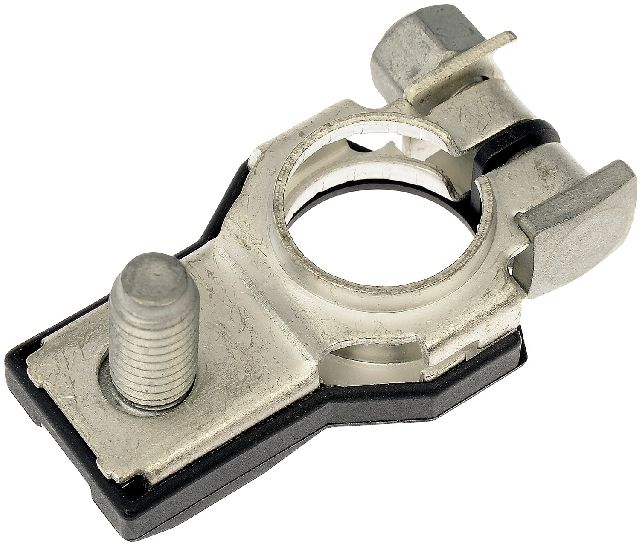
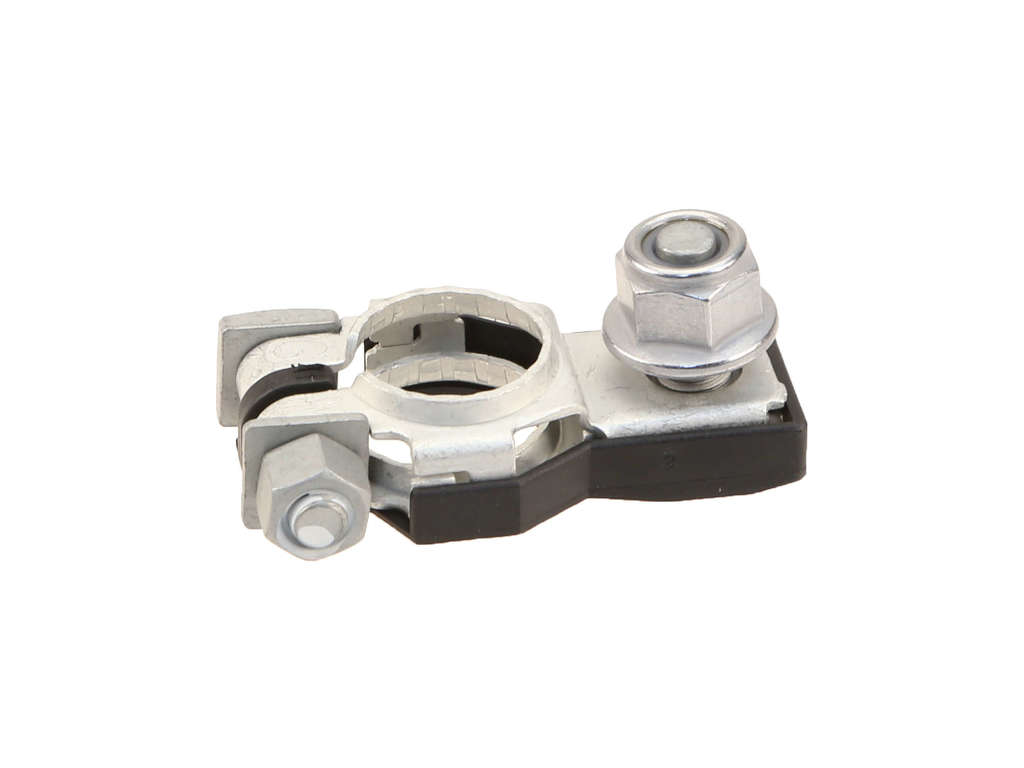
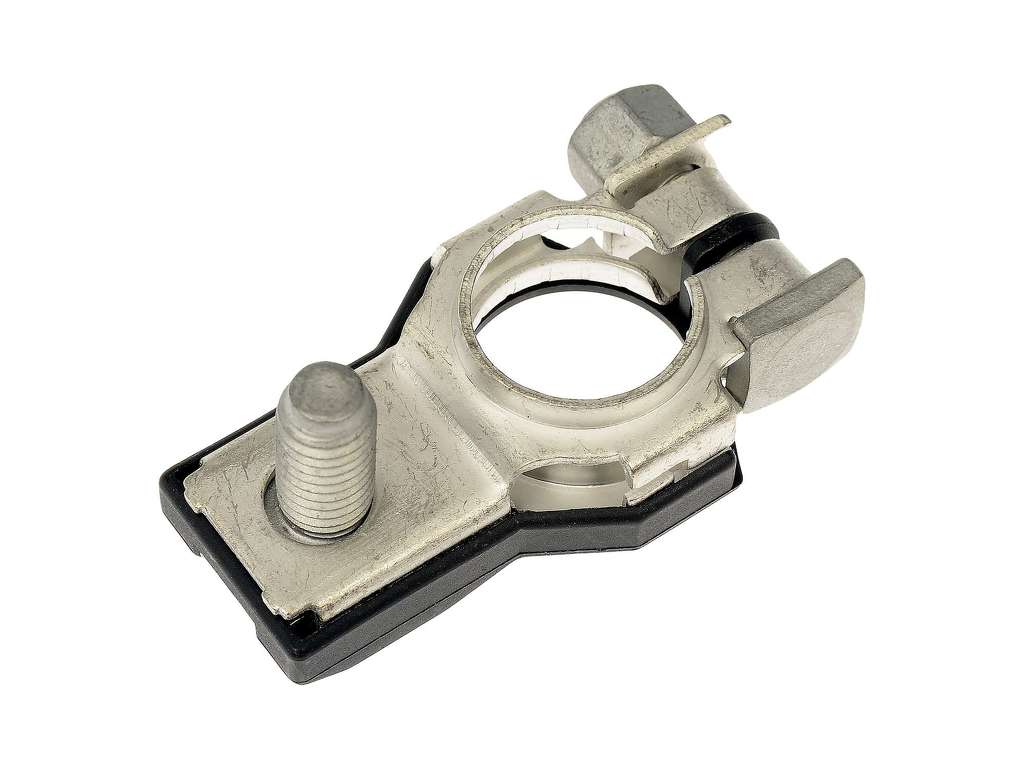
- Battery Ground Cable
(OEM #24080-AM600)— The factory ground cables are a known weak point and are often the primary cause of the high resistance that triggers CAN communication faults. The negative terminal is crimped to the cable, requiring replacement of the entire assembly if the terminal is corroded.
Trusted brands: Nissan OE, Dorman
OEM price range: $70-$115
Aftermarket price range: $20-$40
Related Codes That Often Appear With This One
- U1000 / U1001 — These are all CAN communication failure codes. U1002 has a stricter detection time, but they all point to the same family of network, power, or ground issues.
- U0121 — This code specifically indicates 'Lost Communication With Anti-Lock Brake System (ABS) Control Module.' If the ABS module is the source of the network failure, this code will often appear alongside U1002.
Technical Service Bulletins (TSBs) & Recalls
- NTB10-066A: States that communication codes like U1002 should always be diagnosed first and defines it as having a tighter timing spec than U1000. It also advises confirming power, ground, and CAN resistance at a suspect module before replacement.
Platform-Specific Known Issues
- The two 120Ω terminating resistors for the CAN bus on the 350Z are located in the ECM (Engine Control Module) and the IPDM (Intelligent Power Distribution Module). A resistance reading of 120Ω at the OBD-II port points to a problem with one of these modules or the wiring between them.
Mechanic-Grade Diagnostic Values
- CAN Bus Voltage (at OBD-II Port) — expected: CAN High (Pin 6 to Ground): ~2.5–3.5V; CAN Low (Pin 14 to Ground): ~1.5–2.5V. Both wires should rest at 2.5V with no data transmission.. Failure: Voltage above 3.5V or near 5V on CAN High, or below 1.5V or near 0V on CAN Low, indicates a short to power or ground, respectively.
- CAN Bus Baud Rate — expected: 500k. Failure: An incorrect baud rate setting in a scan tool or aftermarket device will prevent communication.
- Ground Circuit Voltage Drop — expected: < 0.2V. Failure: A reading higher than 0.2V between the negative battery terminal and a module's ground pin indicates excessive resistance in the ground path.
Scan Tool Commands That Help
- Nissan CONSULT-III / CONSULT-III plus: CAN Diagnosis Support Monitor — This is the primary function to use when a U-code is present. It performs a network-wide health check and displays which modules are actively communicating and which are offline, quickly isolating the source of the communication failure.
- Nissan CONSULT-III / CONSULT-III plus: IPDM Auto Active Test — This function, also triggerable manually (see Diagnosis Steps), forces the IPDM to cycle its outputs (wipers, fans, lights). It helps confirm if the IPDM itself is operational and capable of sending power to other components, which is crucial if a module is suspected of being offline due to lack of power from the IPDM.
- Launch X431 (or similar advanced scanner): Work Support / Active Test — Advanced aftermarket scanners can replicate many CONSULT functions, including active tests for various BCM-controlled components like wipers and lights. This allows a technician to command a function and see if the module responds, helping to verify if the module is powered and communicating even if it's not the source of the U1002 code.
Wiring & Ground Locations
- Engine Ground (Timing Cover) — A crucial ground point for the engine harness is located on the front timing cover, near the right (passenger side on LHD models) valve cover.. This ground is essential for the ignition coils and other engine sensors. Corrosion or looseness here is a frequently cited cause of misfires and can introduce electrical noise that disrupts the CAN network, leading to U-codes.
- Main Chassis Grounds — Primary ground points are located in the battery compartment (from negative terminal to chassis), on the fender wall, and near the front of the engine bay by the fluid reservoirs.. These are the foundational grounds for the entire vehicle's electrical system. High resistance at any of these points can cause widespread, intermittent communication failures across all modules.
- OBD-II Port Pins — The Data Link Connector (DLC) under the driver's side dashboard.. Pin 6 is CAN High and Pin 14 is CAN Low. These are the primary test points for measuring network-wide resistance (should be ~60Ω) and voltage.
Real Owner Repair Stories
- my350z.com forum user (2004 Nissan 350Z) — Car would not crank, multiple warning lights (VDC, SLIP), buzzing and flickering tail lights.
❌ Tried (didn't work) Replaced the fuel pump.
✅ What actually fixed it The user found and cleaned a corroded engine ground wire under the hood. The electrical issues were caused by a bad ground connection, which had previously blown the ECM fuse.
OEM Part Supersession History
284B7-AL505 (for 2003 models)→Multiple revisions exist, e.g., 284B7-CF40A, 284B7-AQ01B. Compatibility is year and trim-specific.— Revisions to internal circuitry and relays to improve reliability.
Heads up: IPDMs are not universally interchangeable between model years, especially across the DE to HR engine change in 2007. Using an incorrect IPDM can cause a no-start condition or other CAN communication faults. It is critical to match the part number to the vehicle's specific year and model.
Model Year Variations Within This Range
- 2007-2009 (VQ35HR models): The VQ35HR engine has a different block, dual throttle bodies/intakes, and a higher redline (7500 RPM vs 6500-7000 RPM). The transmission (CD009/JK series) also differs, notably moving the clutch slave cylinder inside the bell housing, which makes it harder to service than on DE models. These changes can affect harness routing and component locations relevant to diagnosing CAN faults.
- 2005-2006 (VQ35DE 'Rev-Up' models): The 'Rev-Up' engine added variable valve timing to the exhaust side and had a higher redline than the base DE, but was also known for higher oil consumption due to piston ring design. While electrically similar to the base DE, any engine-internal work is more complex.
Helpful Videos

We Have This Part in Stock


The information in this article is provided for general reference and educational purposes only. Vehicle specifications, procedures, and part compatibility can vary by production date, trim level, and region. Always consult your vehicle's factory service manual and verify part numbers before purchasing or performing repairs. Safety-critical components such as airbags, seat belts, and braking systems should be installed by a qualified professional.
- Nissan 350Z:
- 🧭 Diagnostic Flowchart
- 🎬 Helpful Videos
- 🛍️ Shop This Part
- What's Unique About the 2005-2009 Nissan 350Z
- Symptoms You May Notice
- Most Likely Causes
- Rare But Worth Checking
- Diagnosis Steps
- Parts You'll Likely Need
- Related Codes That Often Appear With This One
- Technical Service Bulletins (TSBs) & Recalls
- Platform-Specific Known Issues
- Mechanic-Grade Diagnostic Values
- Scan Tool Commands That Help
- Wiring & Ground Locations
- Real Owner Repair Stories
- OEM Part Supersession History
- Model Year Variations Within This Range
- 🎟️ Get 5% Off