

U3000 on 2016-2020 Kia Sorento: Control Module Fault Explained
Code U3000 on a 2016-2020 Kia Sorento indicates a generic fault with an unspecified electronic control module. Diagnosis requires an advanced scan tool to identify the specific module and the nature of the internal error. Do not replace parts without a deeper diagnosis, and check battery voltage first, as low voltage is a common trigger.
- U3000 is a generic code; you MUST get the vehicle scanned with a professional tool to find out which module is at fault.
- Before any expensive repairs, the first step should always be to test the battery and charging system thoroughly. A weak battery is a very common cause.
- Do not replace any control modules without a complete diagnosis. The problem could be a simple wiring issue or a software bug that needs a dealer update.
- While no specific TSBs for U3000 on the Sorento are publicly available, be aware that modules like the ABS (HECU) and Body Control Module (BCM) have had service campaigns on this platform.
What's Unique About the 2016-2020 Kia Sorento
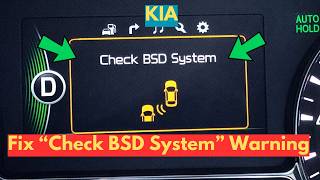
For the 2016-2020 Kia Sorento, while there isn't one single TSB for U3000, specific modules are known to cause issues. The Blind Spot Detection (BSD) modules, located in the rear bumper, are susceptible to moisture and damage, which can trigger a 'Check BSD system' warning and may log a U3000 fault. A critical diagnostic trap is that the master (right) and slave (left) BSD module connectors are physically identical and can be mistakenly swapped during collision repair, causing a communication failure. Additionally, the platform is subject to major recalls for the HECU (ABS module) 🎬 Watch: How to diagnose and fix common Kia ABS issues. and has known issues with the Motor Driven Power Steering (MDPS) module, both of which can cause network communication faults. Diagnosis relies on a professional scan tool to pinpoint which of these (or other) modules is the source, as there are several potential culprits specific to this vehicle.
Symptoms You May Notice
- Check Engine Light or other warning lamps (ABS, ESC, Airbag, BSD) are illuminated.
- Warning message on the instrument cluster, such as 'Check Blind-Spot Safety system 🎬 Watch: Troubleshooting the 'Check BSD System' warning on your Kia.'.
- Loss of function in a specific system (e.g., power steering assist fails, power windows stop working, blind spot detection is inoperative).
- Vehicle may enter a 'limp' or safety mode.
- Inability to communicate with a specific module using a standard OBD-II scanner.
- Backup camera may not function. 🎬 See how to test a failing Kia backup camera.
- Replacing a module without confirming it is the source of the U3000 code. The code only indicates a module has a problem; it doesn't specify which one until a deeper scan is performed.
- Replacing a module when the actual cause is a weak battery or poor connection. Always verify the battery and charging system health first.
- Replacing a BSD module when the issue is simply a missing calibration. After any rear-end work, a BSD calibration may be required.
- Assuming a BSD module is faulty when the master and slave connectors have been accidentally swapped during a previous repair.
Most Likely Causes
- Low Battery Voltage or Charging System Issue 🔴 High Probability → Shop Vehicle Battery Modern control modules are highly sensitive to voltage. A weak or failing battery can cause modules to fail their startup self-check, logging a false U3000 code, especially if voltage drops below 9.5V during cranking.
How to confirm: Test the battery with a digital multimeter or electronic tester. Voltage should be ~12.6V with the engine off and 13.7V-14.7V with the engine running. Check battery terminals for corrosion and tightness.
Typical fix: Recharge or replace the battery. Clean battery terminals and cable ends.
Est. part cost: $150-$350 - Internal Failure of a Control Module (e.g., BSD, PSCM, Backup Camera) 🟡 Medium Probability Certain modules on the Sorento are more prone to failure. The Blind Spot Detection (BSD) radar units are located in the rear bumper corners and are vulnerable to water intrusion and physical damage. The backup camera is also known to fail from water intrusion, which can short the CAN bus and cause widespread communication faults. The Motor Driven Power Steering (PSCM) module is another potential point of failure.
How to confirm: This is a diagnosis of exclusion after a specific module has been identified by a scan tool. If the module has stable power, good ground, is on the latest software, and still sets an internal failure code (like U3000:49), the module itself is condemned.
Typical fix: Replacement of the faulty control module (e.g., BSD radar unit, backup camera, steering column with integrated MDPS), followed by programming and calibration where required.
Est. part cost: $200-$1500+ - Software Glitch in a Control Module 🟡 Medium Probability Manufacturers often release software updates to fix bugs that can cause erroneous codes. While no specific TSB for U3000 on the Sorento was found, TSBs for reprogramming various control modules to fix performance issues are common.
How to confirm: A Kia dealer or a specialized shop with a factory scan tool (KDS) can check if any module has a pending software update.
Typical fix: Reprogramming (re-flashing) the affected control module with the latest software.
Est. part cost: $0-$200 - Wiring or Connector Issue ⚪ Low Probability Physical damage, corrosion, or loose pins in a connector can interrupt power, ground, or data to a module. A specific issue on the Sorento is that the master and slave BSD module connectors are identical and can be swapped, causing an immediate communication fault. The soy-based wire coating used in some modern vehicles can also attract rodents, leading to chewed wires.
How to confirm: Visually inspect the wiring harness and connector going to the module that has stored the code. Perform a wiggle test on the connector while monitoring system function. Check for power and ground at the connector with a multimeter. For BSD faults, confirm the master (right) and slave (left) connectors are not swapped.
Typical fix: Repairing the damaged wire, cleaning/replacing the faulty connector, or correcting swapped connectors.
Est. part cost: $10-$300
Diagnosis Steps
- Connect an advanced scan tool capable of reading manufacturer-specific codes from all vehicle modules (e.g., Kia KDS/GDS).
- Perform a full system scan to identify which specific module (e.g., BCM, PSCM, ABS, BSD Right, BSD Left) is logging the U3000 code.
- Record the two-digit suffix code (e.g., U3000:49 for Internal Electronic Failure) for a more specific diagnosis.
- Check for other highly specific codes, such as C270254 (Control Module Master Missing Calibration) or C270354 (Control Module Slave Missing Calibration), which point to BSD system issues.
- Thoroughly test the battery and charging system. Ensure voltage is stable and within specification (approx. 12.6V off, 13.7-14.7V running), especially during engine cranking. Correct any voltage issues first as this is a very common cause.
- If a CAN communication error is present, power down the vehicle and measure the resistance between the CAN_High and CAN_Low pins at the DLC. A reading of approximately 60 Ohms indicates the main terminating resistors are intact.
- Visually inspect the wiring and connector for the identified module. For BSD faults, this involves inspecting the radar units and wiring behind the rear bumper cover for corrosion, damage, or loose connections. Crucially, verify the master (right) and slave (left) connectors are not swapped.
- Using a wiring diagram, verify the module has proper power and ground at its connector. Check grounds like GF03 (rear bumper area) for corrosion or looseness.
- Check for any available Technical Service Bulletins (TSBs) for the specific module and symptoms. A software update may be the required fix.
- If a module has been replaced or disturbed (especially BSD), attempt a calibration using the scan tool's service function (e.g., 'BSD Radar Calibration').
- If power, ground, wiring, and software are all good, the module itself is likely faulty and requires replacement, followed by any necessary programming or calibration procedures.
Parts You'll Likely Need
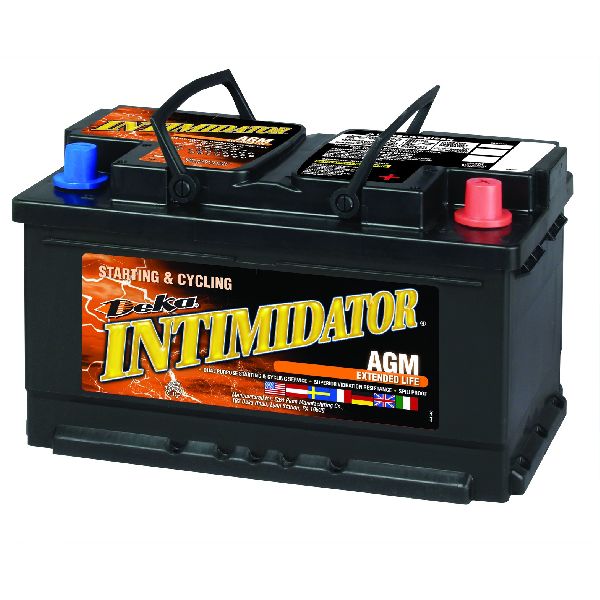
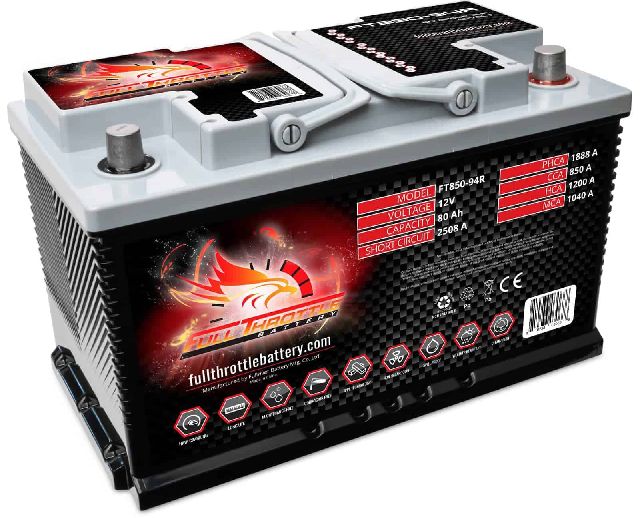
- Vehicle Battery — Low voltage is a very common trigger for spurious control module fault codes like U3000.
Trusted brands: Bosch, Interstate, DieHard
OEM price range: $250-$400
Aftermarket price range: $150-$300 - Blind Spot Detection (BSD) Radar Module
(OEM #e.g., 95820-C6000 (Right), 95810-C6000 (Left) - Part numbers vary by year and specific options, must verify by VIN.)— A known failure point on this platform. Located in a vulnerable position, it can fail due to moisture or impact, triggering a U3000 code in the BSD system. Replacement requires calibration.
Trusted brands: Kia (OEM)
OEM price range: $500-$900
Aftermarket price range: N/A - Control Module (Varies) — If diagnosis confirms an internal hardware failure, the specific module that set the code (e.g., Body Control Module, ABS Control Module, Power Steering Control Module) will need to be replaced.
Trusted brands: Kia (OEM)
OEM price range: $400-$1500+
Aftermarket price range: $200-$800 (Remanufactured)
Technical Service Bulletins (TSBs) & Recalls
- NHTSA Recall SC212: Addresses a potential for an electrical short circuit inside the Hydraulic Electronic Control Unit (HECU) due to internal brake fluid leakage, increasing fire risk. While this recall is for 2014-2015 models, similar HECU recalls exist for other years. The issue highlights the potential for critical module failure on this platform.
- Kia Pitstop PS464: Details an issue where a 'Check BSD System' message appears after collision repairs. It identifies the common cause as the rear bumper harness being installed backwards, with the identical master and slave module connectors swapped.
Platform-Specific Known Issues
- While not directly linked to U3000 in search results, the 3rd generation Sorento has known TSBs and recalls related to module performance. This includes potential electrical shorts in the HECU (ABS module) which can cause a fire (Recall SC212) and software updates for various control units. These issues highlight that various modules on the platform have required manufacturer attention and can be potential sources for network communication faults.
- Owners have reported failures of the Blind Spot Detection (BSD) system, which illuminates a warning on the dash and may store a U3000 code. This is often due to failure of one of the two radar sensors located behind the rear bumper.
- A critical failure mode for the BSD system is the accidental swapping of the master (right) and slave (left) module connectors, which are physically identical. The master module is the only one on the C-CAN network, so swapping them will cause a communication loss.
- In cross-manufacturer diagnostics, NHTSA ODI Investigation #PE14030 notes that U3000-49 and U3000-46 are among the DTCs stored during electric power steering failures, which may necessitate the replacement of the entire steering system.
Mechanic-Grade Diagnostic Values
- C-CAN Bus Network Resistance — expected: ~60 Ω. Failure: A reading of ~120 Ω indicates a faulty terminating resistor or a break in one of the CAN lines. A reading significantly different from 60 or 120 Ω suggests a wiring short or module issue.
Hidden / Shadow Codes Worth Checking
- C270254: Control Module Master Missing Calibration. This code specifically indicates the master (right side) Blind Spot Detection module has lost its calibration data. (see via Requires a dealer-level scan tool like the Kia KDS/GDS, as it may not be visible with standard OBD-II readers.)
- C270354: Control Module Slave Missing Calibration. This code specifically indicates the slave (left side) Blind Spot Detection module has lost its calibration data. (see via Requires a dealer-level scan tool like the Kia KDS/GDS, as it may not be visible with standard OBD-II readers.)
Scan Tool Commands That Help
- Kia KDS/GDS: BSD Radar Calibration — This function is required after replacing a Blind Spot Detection (BSD) module, replacing its mounting bracket, or after any rear collision repairs. Failure to perform calibration will result in a 'Check BSD System' warning and stored DTCs.
- Kia KDS/GDS: ASP (Absolute Steering Position) Calibration — This function must be performed after replacing the Electric Power Steering (EPS) ECU or performing any work related to the EPS system. An uncalibrated steering sensor can cause network communication faults.
Wiring & Ground Locations
- BSD Master/Slave Connectors — Behind the rear bumper cover at the left and right corners.. The master (right side) and slave (left side) BSD module connectors are physically identical and can be accidentally swapped. The master is the only one on the C-CAN bus; if swapped, the system will lose communication and log faults. This is a common error after rear-end repairs.
- GF03 — In the rear bumper area.. This is a primary ground point for components in the rear bumper harness, including the Parking Distance Warning system and potentially the BSD modules. A corroded or loose ground here can cause intermittent faults.
- F20 (Left BSD Radar Connector) — Connector for the left-hand (driver side) Blind Spot Detection radar module.. For manual testing, pin 1 (Green wire) is C-CAN Low and pin 5 (Orange wire) is C-CAN High on some diagrams. Verifying signal and integrity at these pins can confirm if the module is receiving data.
Real Owner Repair Stories
- YouTube channel 'Pine Hollow Auto Diagnostics' (2016 Kia Sorento) — Multiple warning lights on the dash, multiple network communication codes stored (including CAN bus off), and a non-functional backup camera.
❌ Tried (didn't work) Initial scan showed CAN bus off codes in the ABS and Blind Spot Detection modules, suggesting a network-wide problem.
✅ What actually fixed it The backup camera had failed due to internal saltwater intrusion. The failed camera was shorting out and taking down the entire C-CAN bus. Replacing the backup camera resolved all the network codes and warning lights. - YouTube channel 'TutoBuild English' (Hyundai/Kia vehicle (procedure applies to Sorento)) — 'Check BSD system' warning message on the dashboard.
❌ Tried (didn't work) Dealers often recommend immediate replacement of the expensive radar sensor without attempting other diagnostics.
✅ What actually fixed it The sensor had been slightly dislodged from its mounting bracket, likely from a minor bump. The owner physically pushed the sensor back into its bracket to ensure it was seated correctly, then had a dealership perform only the 'BSD Radar Calibration' service function. The recalibration was successful and the error message disappeared, saving the cost of a new module.
"I Checked Everything" — The Actual Cause
- In one documented case on a 2016 Sorento, multiple CAN bus communication codes were present across various modules. Standard network diagnostics could have led to a chase for a wiring fault or a failed gateway module. The actual cause was a faulty backup camera, which had shorted internally due to water damage and was disrupting the entire network. Unplugging the camera restored communication, proving it was the source.
Model Year Variations Within This Range
- 2019-2020: A significant facelift for the 2019 model year included redesigned front and rear bumpers, a new steering wheel, and an updated instrument cluster. The wider availability of ADAS features (like Lane Keeping Assist) on more trims means more potential electronic modules that could fail and log a U3000 code. The bumper redesign could also mean slightly different mounting or wiring for the BSD radar units compared to 2016-2018 models.
Diagnostic Flowchart
Other Known Issues on This Vehicle
Issues unrelated to this code that are worth knowing about as an owner of this generation:
- Theta II GDI/T-GDI Engine Failure 🔴 High — Widespread across 2.0L and 2.4L engines. Issues can arise under 100,000 miles, often starting with knocking noises or excessive oil consumption. The 3.3L V6 is generally considered more reliable but has also had some issues. (Ref: Multiple recalls (e.g., SC147, 17V-224) and a major class-action lawsuit settlement cover premature bearing wear, engine seizure, and fire risk.)
- HECU (ABS Module) Electrical Short/Fire Risk 🔴 High — Affects millions of Kia/Hyundai vehicles across many model years, including the Sorento. The risk exists even when the vehicle is parked and turned off. (Ref: Multiple large-scale recalls, including NHTSA campaign SC212 for 2014-2015 models and others for later years, have been issued. The fix involves installing a new multi-fuse and, if leakage is found, replacing the HECU.)
- Peeling Exterior Paint (Especially 'Snow White Pearl') 🟡 Low — Very common complaint, particularly for white paint. Peeling and flaking can start after only a few years, often around the windshield, hood, and roof. (Ref: No recall exists as it's not a safety issue, but many owner complaints have been filed. Kia has handled some cases individually, but warranty coverage is often denied if outside the 3yr/36k mile paint warranty.)
- Faulty Accelerator Pedal Assembly 🔴 High — Primarily affected early 2016 models. (Ref: A recall was issued for Sorentos manufactured between Oct 2014 and Jan 2015 due to an improperly soldered component that could prevent the vehicle from accelerating.)
- Accessory Trailer Hitch Wiring Fire Risk 🟠 Medium — Affects vehicles with an OEM or dealer-installed tow hitch harness. (Ref: Recall SC249 was issued because moisture and debris can short the harness module's circuit board, causing a fire risk.)
Used vs. New Parts: Buying Guide for This Vehicle
When a used part is the smart pick: For expensive electronic modules like the Blind Spot Detection (BSD) radar, a used part from a reputable salvage yard can offer significant savings. This is a viable option if the part is guaranteed to be functional and comes from a vehicle with no rear collision damage.
Donor-vehicle mileage cap: roughly under 50000 miles for the part to have meaningful remaining life.
What to inspect on the donor part:
- Verify the part number exactly matches the original. Part numbers can vary by trim and model year.
- Inspect the connector pins on the used module for any signs of corrosion, moisture, or physical damage.
- Ask for the donor vehicle's VIN to confirm it was not involved in a collision near the part's location.
- Ensure there is a return policy in case the part is DOA (Dead on Arrival).
OEM-only on this vehicle (don't cheap out):
- Blind Spot Detection (BSD) Module
- Power Steering Control Module (PSCM)
- Airbag Control Module (SRS)
Brands owners have reported issues with on this vehicle:
- Unbranded, no-name electronic modules from online marketplaces should be avoided, as they often lack proper software and quality control, and may not be calibratable.
Real Owner Stories
Aggregated from forums and TSBs cited above. Mileages and costs reflect what owners reported in those sources.
2020 Kia Sorento
Symptoms: Owner reported a 'BSD warning flash to check the system' appearing on the instrument cluster immediately upon startup.
What fixed it: The source suggests performing a hard reset by disconnecting the battery or checking for sensor blockage, though advanced scanning is required to identify if a module replacement is necessary.
Source hint: Reddit r/KiaSorento thread titled 'Blind spot detection failure'
2016-2020 Kia Sorento
Symptoms: A 'Check BSD System' message appeared specifically after the vehicle had undergone collision repairs involving the rear bumper.
What fixed it: Correcting the rear bumper harness installation; the identical master and slave module connectors had been swapped.
Source hint: Kia Pitstop PS464
Related OBD-II Codes
Frequently Asked Questions
Why is my 2016-2020 Kia Sorento displaying a 'Check Blind-Spot Safety system' message but my basic scanner shows no codes?
Could a weak battery cause a U3000 code on my Sorento even if the car still starts?
I just had my rear bumper repaired and now the BSD system is failing. What could be wrong?
Is there a recall for electrical module failures on the 3rd generation Sorento?
What does the suffix ':49' mean when added to a U3000 code on my Kia?
Where is the ground point for the BSD modules on the Sorento?
Helpful Videos

We Have This Part in Stock



The information in this article is provided for general reference and educational purposes only. Vehicle specifications, procedures, and part compatibility can vary by production date, trim level, and region. Always consult your vehicle's factory service manual and verify part numbers before purchasing or performing repairs. Safety-critical components such as airbags, seat belts, and braking systems should be installed by a qualified professional.
- Kia Sorento:
- 🧭 Diagnostic Flowchart
- 🎬 Helpful Videos
- 🛍️ Shop This Part
- What's Unique About the 2016-2020 Kia Sorento
- Symptoms You May Notice
- Most Likely Causes
- Diagnosis Steps
- Parts You'll Likely Need
- Technical Service Bulletins (TSBs) & Recalls
- Platform-Specific Known Issues
- Mechanic-Grade Diagnostic Values
- Hidden / Shadow Codes Worth Checking
- Scan Tool Commands That Help
- Wiring & Ground Locations
- Real Owner Repair Stories
- "I Checked Everything" — The Actual Cause
- Model Year Variations Within This Range
- Other Known Issues on This Vehicle
- Used vs. New Parts: Buying Guide for This Vehicle
- Real Owner Stories
- 2020 Kia Sorento
- 2016-2020 Kia Sorento
- Related OBD-II Codes
- Frequently Asked Questions
- 🎟️ Get 5% Off