

Accessory Drive Belt Guide for the 1941-1947 Dodge WC
Keep your vintage military truck running strong by understanding its essential accessory drive belt.
- The Dodge WC uses a single V-belt for the generator and fan; its failure will cause overheating and a loss of electrical charging.
- Modern aftermarket belts from brands like Gates are superior in material and durability compared to original or NOS parts.
- Squealing noises are the most common warning sign of a failing belt; check tension and condition immediately if you hear them.
- Ensure you have the correct belt length, as some trucks have been converted to 12-volt systems which may alter the required size.
Understanding the V-Belt on Your Dodge WC
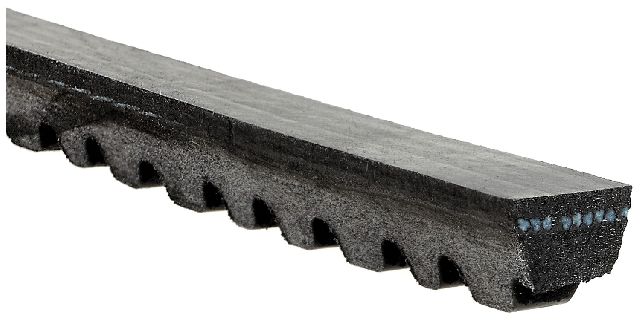
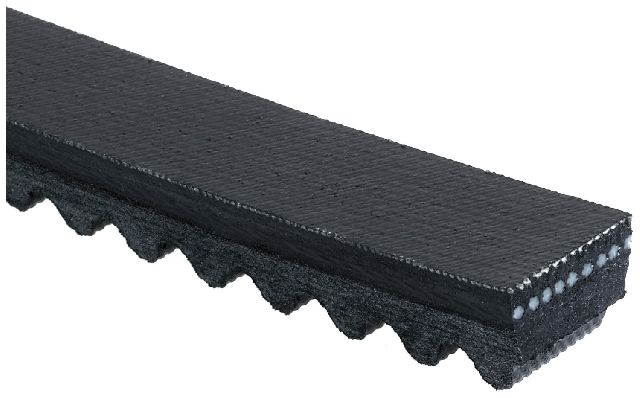
The 1941-1947 Dodge WC uses a simple and rugged V-belt system to power its accessories. Unlike modern cars that might have one long serpentine belt, your truck uses a single, durable V-belt for the fan and generator. These belts were originally made from basic rubber compounds, but modern aftermarket replacements offer superior materials and longer life. Regular inspection is the key to preventing a breakdown on the road or in the field.
Symptoms of a Bad Accessory Drive Belt
A failing belt will almost always give you a warning sign before it breaks completely. Recognizing these signs can save you from being stranded and prevent potential engine damage.
- Squealing Noises: A loud squeal or screech, especially when you first start the engine, is the most common symptom. This noise is caused by the belt slipping on the pulleys because it's old and hardened, or because it has stretched and lost proper tension. You can diagnose this by spraying a small amount of water on the belt; if the noise temporarily stops, the belt is likely worn or misaligned.
- Visible Wear and Cracks: Look at the belt itself. If you see cracks, splits, fraying edges, or a glazed, shiny appearance, the belt is worn out and needs to be replaced.
- Engine Overheating: The belt drives the cooling fan. If the belt slips badly or breaks, the fan stops pulling air through the radiator. You will see the engine temperature gauge climb rapidly, which can cause severe engine damage.
- Charging System Issues: The belt also spins the generator. If the belt fails, the generator will stop charging the battery. You might see a battery or generator warning light, or your headlights may appear dim.
Choosing the Right Aftermarket Belt: OEM vs. Aftermarket
For a vintage vehicle like the Dodge WC, "OEM" parts are typically New Old Stock (NOS) – original parts that have been in storage for decades. While authentic, these belts can be very expensive and their rubber may have degraded over time. Modern aftermarket belts from a reputable brand like Gates are an excellent choice. They are made with advanced materials like EPDM rubber that resist heat, oil, and cracking far better than the original-spec belts. This means a new aftermarket belt is often more reliable than a 70-year-old NOS part.
Accessory Drive Belt Cost
| Option | Estimated Cost | Notes |
|---|---|---|
| New Aftermarket (Gates) | $30 - $42 | Modern materials, readily available, excellent durability. |
| New Old Stock (NOS) | $50 - $150+ | Authentic for restorations, but rubber may be aged. Price and availability vary widely. |
Check Your Belt Tension
For these older V-belt systems, proper tension is set manually by adjusting the generator's position. A good rule of thumb is to press on the belt at its longest point between two pulleys. It should have about 1/2 inch of give. A belt that is too loose will slip and squeal, while a belt that is too tight can cause damage to the bearings in your generator.
Frequently Asked Questions (FAQ)
Are there any recalls or technical service bulletins (TSBs) for the Dodge WC accessory belt?
No. There are no NHTSA recalls or manufacturer TSBs for the accessory drive belt on a 1941-1947 Dodge WC. This is common for vehicles of this era, as these systems were very simple and maintained by owners and mechanics as a routine wear item.
What is the difference between a 6-volt and 12-volt system belt?
Some Dodge WC trucks have been converted from their original 6-volt electrical system to a more modern 12-volt system. This sometimes involves a different alternator or generator, which may change the required belt length. Always measure your old belt or check your specific setup to ensure you order the correct length. Part interchange lists from vintage military vehicle communities can be a valuable resource.
Is replacing the accessory drive belt a difficult job?
No, for a mechanically inclined owner, this is a straightforward job. It typically involves loosening the mounting bolts on the generator, pushing it inward to create slack, removing the old belt, and installing the new one. The most difficult part can be the limited space between the fan and the radiator. After the new belt is on, you pull the generator back to apply tension and tighten the bolts.
Why choose a Gates brand belt?
Gates is a long-standing, reputable manufacturer of automotive belts. Their modern V-belts are designed to resist oil, heat, and aging, providing reliable performance and a long service life, which is a significant upgrade over the original materials.
Technical Specifications
OEM Part Numbers: 1191449 965923 617171
V-Belt, various lengths depending on 6V/12V system (Commonly ~48 in. or ~53 in. outside circumference).
We Have This Part in Stock

The information in this article is provided for general reference and educational purposes only. Vehicle specifications, procedures, and part compatibility can vary by production date, trim level, and region. Always consult your vehicle's factory service manual and verify part numbers before purchasing or performing repairs. Safety-critical components such as airbags, seat belts, and braking systems should be installed by a qualified professional.