

1950-1958 Buick Roadmaster Engine Coolant Bypass Hose Guide
Keep your classic Roadmaster's Nailhead V8 running cool with the right coolant bypass hose.
- For this classic Buick, a new aftermarket hose from a brand like ACDelco or Gates is a significant reliability upgrade over any original part.
- Symptoms of failure include visible leaks, a sweet antifreeze smell, engine overheating, and visible damage like cracks or swelling on the hose.
- Do not drive with a coolant leak; a hose failure can cause rapid overheating and catastrophic engine damage.
- Always replace hose clamps when replacing the hose to ensure a proper, long-lasting seal.
Signs of a Failing Engine Coolant Bypass Hose
On a classic car like your Buick Roadmaster, rubber parts are often the first to fail due to decades of heat cycles and exposure to chemicals. A bad bypass hose can lead to serious engine damage if ignored. Watch for these clear warning signs:
- Coolant Leaks: This is the most common symptom. You may find puddles of green or orange fluid under the front of your car. Leaks often start small, appearing as crusty white or rust-colored deposits around the hose connections before they begin to drip.
- Sweet Smell: The distinct, sweet smell of antifreeze in your garage or around the engine bay after a drive is a sure sign of a coolant leak, even if you can't see it.
- Engine Overheating: A leaking bypass hose will cause the coolant level to drop, leading your temperature gauge to climb into the red. A complete rupture will cause rapid overheating, which can lead to catastrophic engine damage.
- Visible Hose Damage: Inspect the hose itself. If you see cracks, splits, or feel that the rubber has become rock-hard, brittle, or excessively soft and swollen, it needs to be replaced immediately.
Do Not Drive With a Coolant Leak
A leaking coolant hose can fail completely without warning. This leads to a rapid loss of engine coolant and can cause severe engine damage from overheating in just a few minutes, including warped cylinder heads or a seized engine. It is not safe to drive the vehicle until the leak is fixed.
Choosing the Right Aftermarket Hose
For a vehicle from the 1950s, finding a "New Old Stock" (NOS) original GM hose is nearly impossible. Even if one were found, the rubber would be over 60 years old and unreliable. The best and only practical choice is a new aftermarket part made from modern materials.
Today's hoses are typically made from EPDM rubber, which is far more resistant to heat, ozone, and chemical breakdown than the materials used in the 1950s. A new aftermarket hose is a significant upgrade in durability and reliability for your classic Buick.
Brand Quality: ACDelco vs. Gates
Both ACDelco and Gates are top-tier manufacturers of replacement parts for classic American cars. You can be confident in the quality and fitment from either brand.
- ACDelco: As GM's original parts division, ACDelco parts are made to meet or exceed original factory specifications. They are a trusted choice for maintaining the integrity of your Buick.
- Gates: Gates is a world-renowned manufacturer of belts and hoses and is often the supplier for OEM brands, including GM. They have a strong reputation for producing high-quality, durable rubber components that are ideal for classic car restorations.
Pro Tip: Given the quality of both brands, your choice can simply come down to availability and price. Both offer a significant reliability upgrade over an aging original hose.
Estimated Replacement Costs for 1950-1958 Buick Roadmaster
The price for this specific hose is higher than a typical coolant hose because it is a specially molded part with low production volume for a classic vehicle.
| Part Type | Estimated Cost |
|---|---|
| New Aftermarket Hose | $93.36 - $97.57 |
| Shop Labor | $105 - $210 |
Cost estimates are for the part and labor only. Prices do not include taxes, shop supplies, or the cost of new coolant.
Frequently Asked Questions (FAQ)
Is a new aftermarket hose really better than an original?
Yes. For rubber components, modern is always better. A new aftermarket hose made from EPDM rubber is significantly more durable and resistant to heat and chemicals than an original-style rubber hose would be, even a perfectly preserved NOS part.
Should I replace the hose clamps at the same time?
Absolutely. Old hose clamps can lose their tension, rust, or dig into the new hose. Using new, high-quality worm-gear or spring-style clamps is a cheap and essential step to ensure a leak-free seal.
What else should I inspect while replacing the bypass hose?
When replacing any part of the cooling system, it's a good time to inspect the entire system. Check the condition of the upper and lower radiator hoses, heater hoses, water pump, and radiator. This is also an ideal time to flush the cooling system and refill with fresh antifreeze.
Are there any recalls for the coolant bypass hose on my Roadmaster?
No. There are no NHTSA recalls or Technical Service Bulletins (TSBs) for this part on a 1950-1958 Buick Roadmaster. The NHTSA database was established long after these vehicles were produced, and any failures today are due to the age of the original components.
Technical Specifications
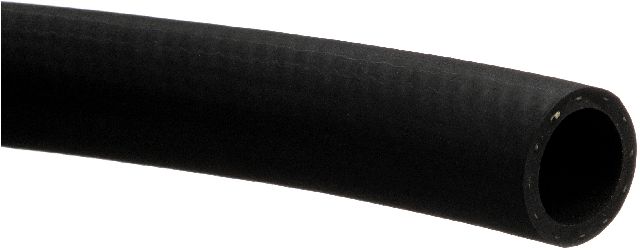
Material: EPDM (Ethylene Propylene Diene Monomer) Rubber. Type: Molded Bypass Hose.
We Have This Part in Stock

The information in this article is provided for general reference and educational purposes only. Vehicle specifications, procedures, and part compatibility can vary by production date, trim level, and region. Always consult your vehicle's factory service manual and verify part numbers before purchasing or performing repairs. Safety-critical components such as airbags, seat belts, and braking systems should be installed by a qualified professional.