

A Guide to Suspension Stabilizer Bar Bushings for the 1950-1959 Buick Roadmaster
Restore that smooth, commanding ride by eliminating suspension clunks and body roll from your classic Roadmaster.
- The most common sign of failure is a clunking noise from the front end when going over bumps.
- Aftermarket parts are the only realistic option and can offer better materials (like polyurethane) than the 1950s originals.
- Replacement is a simple DIY job for most home mechanics, with the main obstacle being potential rust on the original bolts.
- There are no recalls or TSBs for this part; failure is due to normal age and wear on a classic vehicle.
Signs of Failing Stabilizer Bar Bushings
The original rubber bushings on a 1950s Buick have likely become hard, cracked, or worn out from age. When these bushings fail, they create noticeable symptoms. Being attentive to these signs can help you diagnose the issue before it worsens.
The most common symptom is a clunking or rattling sound from the front of the car, especially when driving over bumps or uneven roads. This noise is the metal sway bar moving and hitting against the frame because the worn bushings no longer hold it securely. You may also notice your Roadmaster feels less stable, with excessive body lean or sway when you take a corner. This can make the car feel 'loose' or less responsive. In some cases, this can also lead to uneven tire wear over time as the suspension alignment is affected.
Choosing the Right Aftermarket Bushing Kit
For a vintage vehicle like the 1950-1959 Roadmaster, finding New Old Stock (NOS) OEM parts is nearly impossible. Aftermarket parts are the most practical and often the best choice, as modern rubber or polyurethane compounds can offer superior durability compared to the original 1950s materials. Here’s a look at the available brands:
| Brand Tier | Brands | General Assessment |
|---|---|---|
| Premium | Moog, Delphi | Moog is widely regarded as a premium aftermarket brand, often engineering parts to meet or exceed original standards and sometimes including design improvements. Delphi has a similar reputation for quality. For owners seeking the best possible performance and durability, these brands are a strong choice. |
| Standard / Value | Dorman, Mevotech, QuickSteer | Dorman offers a vast catalog and is known for providing cost-effective solutions that perform well for daily driving. Mevotech also aims to balance affordability with quality. Forum discussions show mixed but generally acceptable experiences with these brands for less critical components like bushings. QuickSteer falls into this category as a standard replacement option. |
Pro Tip: Consider Polyurethane
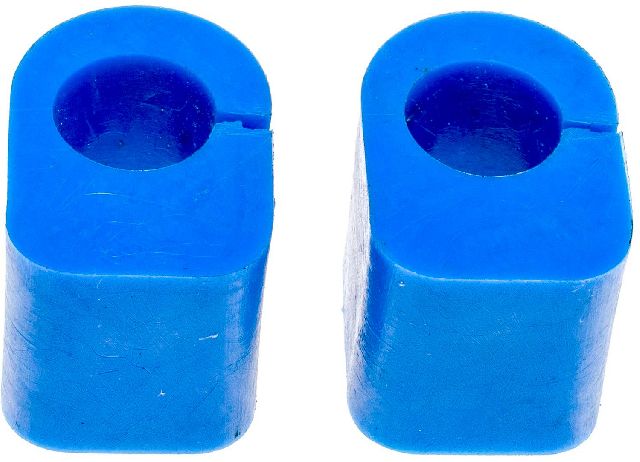
Some aftermarket kits offer polyurethane bushings instead of traditional rubber. Polyurethane is a firmer material that is highly resistant to wear, oils, and road grime. This can result in a slight increase in suspension firmness but offers a significant improvement in durability and sway bar effectiveness, which can be a great upgrade for a heavy classic car.
Known Issues, Recalls, or TSBs
There are no specific recalls or Technical Service Bulletins (TSBs) from the NHTSA related to the suspension stabilizer bar bushings for the 1950-1959 Buick Roadmaster. Any issues with these components today are due to the age and natural wear of the original rubber parts. Forum discussions among classic Buick owners confirm that suspension noises are common, and checking all bushings is a standard diagnostic step.
Frequently Asked Questions (FAQ)
Is it difficult to replace stabilizer bar bushings myself?
No, this is generally an easy job for a DIY mechanic. It involves unbolting the two brackets that hold the sway bar to the frame, removing the old bushings, and installing the new ones. The most common challenge on a classic car is dealing with rusted bolts, so be sure to soak them in penetrating oil beforehand. You will need basic hand tools, a jack, and jack stands for safety.
Should I replace just the bushings or the whole sway bar?
In most cases, only the bushings need replacement. The sway bar itself is a solid piece of steel and rarely fails unless it has been physically damaged in an accident or is severely corroded. The bushings are designed as a wear item.
Do I need a wheel alignment after replacing the bushings?
A wheel alignment is generally not required after replacing only the frame-mount stabilizer bar bushings. These parts do not affect the car's primary alignment angles like caster, camber, or toe. However, if you are also replacing other components like control arms or tie rods, an alignment is necessary.
Should I use grease on the new bushings?
Yes. Most new bushing kits, especially polyurethane ones, come with a special silicone-based grease. Apply this grease to the inside of the bushing where it contacts the sway bar. This prevents squeaking and allows the bar to pivot smoothly within the bushing.
Technical Specifications
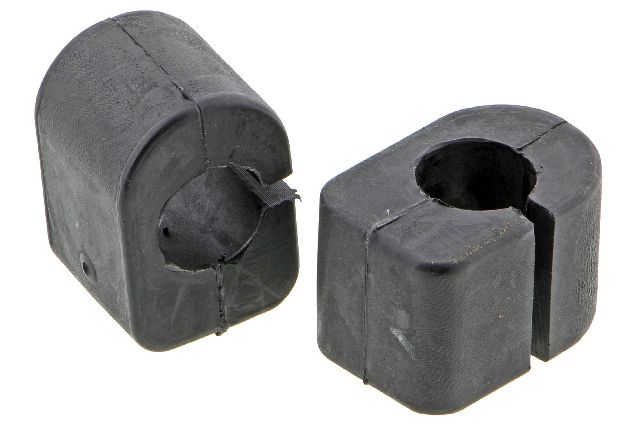
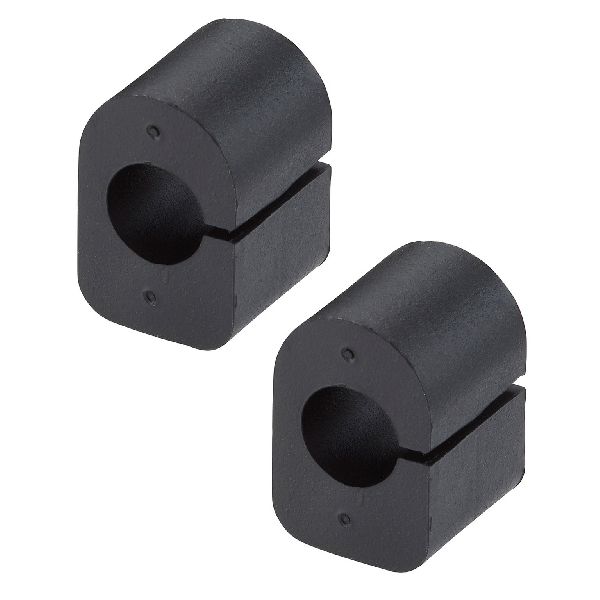
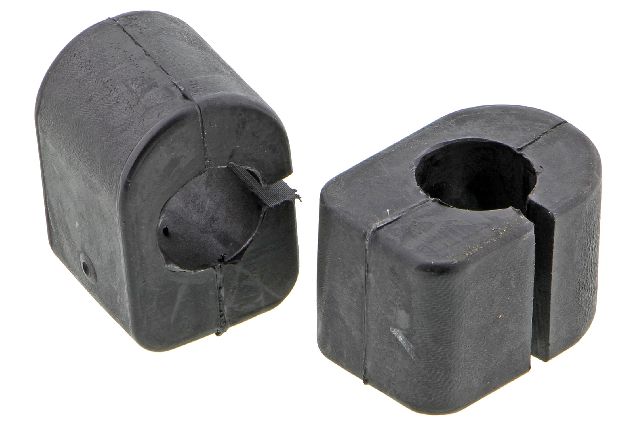
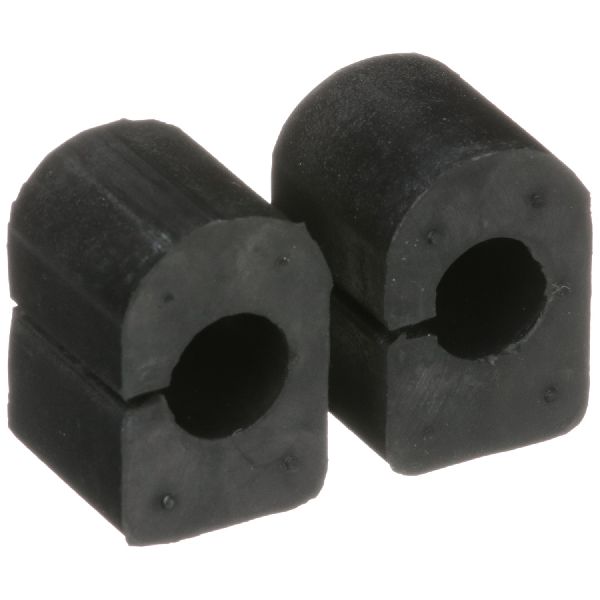
Bushings are typically made of rubber or polyurethane. The kit includes two frame-mount bushings. The inner diameter must match the diameter of your vehicle's specific sway bar.
We Have This Part in Stock

The information in this article is provided for general reference and educational purposes only. Vehicle specifications, procedures, and part compatibility can vary by production date, trim level, and region. Always consult your vehicle's factory service manual and verify part numbers before purchasing or performing repairs. Safety-critical components such as airbags, seat belts, and braking systems should be installed by a qualified professional.