

Oldsmobile 98 Ignition Coil Guide: 1950-1959
A failing ignition coil can leave your classic Oldsmobile 98 stranded; here’s how to choose the right replacement.
- Verify if your Oldsmobile is a 6-volt or 12-volt system before ordering a new coil.
- A failing coil will cause symptoms like no-starts, misfiring, stalling, and poor power.
- For a stock vehicle, a reliable replacement brand like Standard Ignition (SMP) is a safer bet than performance brands with mixed reviews.
- If your 12V system uses an external ballast resistor, it's good practice to replace it with the coil.
Is Your Oldsmobile 98 Showing Signs of a Bad Ignition Coil?
On a straightforward vehicle like the 1950-1959 Oldsmobile 98, ignition problems are often easy to spot. The coil is a common failure point due to age, heat, and vibration. Over time, the oil inside can leak, or the internal windings can break down. Watch for these classic symptoms of a failing ignition coil.
- No-Start or Hard Starting: The engine cranks but won't fire up, or takes a very long time to start. This happens when the coil isn't producing enough voltage for a spark.
- Engine Misfires: The car may run rough, shake, or hesitate during acceleration because a weak spark is causing incomplete combustion.
- Stalling: The engine may suddenly cut out, especially after it has warmed up. This can be caused by the coil overheating and failing.
- Backfiring: A loud pop from the exhaust can occur when unburned fuel from a misfire ignites in the hot exhaust system.
- Reduced Power: Your car may feel sluggish and lack its usual power, a direct result of a weak or inconsistent spark.
A Note on Voltage: 6V vs. 12V Systems
Early 1950s Oldsmobiles used a 6-volt electrical system, while later models (around 1953 and up) switched to a 12-volt system. You MUST use an ignition coil that matches your vehicle's voltage. Using a 6V coil on a 12V system will burn it out quickly, and a 12V coil on a 6V system will produce a very weak spark.
Choosing a New Aftermarket Ignition Coil
Since new original GM parts for this era are no longer made, your choice is between a New Old Stock (NOS) part and a new aftermarket coil. While NOS parts are authentic, they can be very expensive and may have degraded from decades of storage. A modern aftermarket coil from a quality brand is often the most reliable and affordable choice.
Aftermarket coils for your Oldsmobile 98 generally fall into two tiers:
- Standard Replacement Brands (Good): Brands like Standard Ignition (SMP) and NGK have a long-standing reputation for producing reliable parts that meet or exceed original specifications. They are a solid choice for daily drivers and stock restorations. Brands such as Spectra, DriveWire, and Global Parts are typically value-focused options suitable for standard repairs.
- Performance Brands (Mixed Reviews): A brand like Accel is often marketed as a high-performance upgrade for a hotter spark. However, owner experiences are mixed; some report good performance, while others have experienced premature failures and oil leaks. For a stock engine, a standard replacement coil is usually the more dependable option.
Don't Forget the Ballast Resistor
Many 12-volt points ignition systems use an external ballast resistor. This small ceramic block reduces voltage to the coil while the engine is running to prevent it from overheating. It is bypassed during starting to give a full 12 volts for a stronger spark. If your car has one, it's wise to replace it when you replace the coil. Some coils are designed with an internal resistor and do not require an external one. Always check if the new coil requires an external resistor to avoid damaging it.
Aftermarket Ignition Coil Cost for 1950-1959 Oldsmobile 98
| Part Type | Estimated Cost |
|---|---|
| New Aftermarket Ignition Coil | $23.02 - $51.38 |
| Shop Labor for Installation | $50 - $100 |
Frequently Asked Questions
Is replacing the ignition coil a difficult job?
No, this is a very easy job for a DIY mechanic. It typically involves disconnecting the battery, removing two small primary wires, pulling the main coil-to-distributor wire, and unbolting the coil's mounting bracket. The entire process usually takes less than 30 minutes with basic hand tools.
Do I need a special type of coil for my Oldsmobile 98?
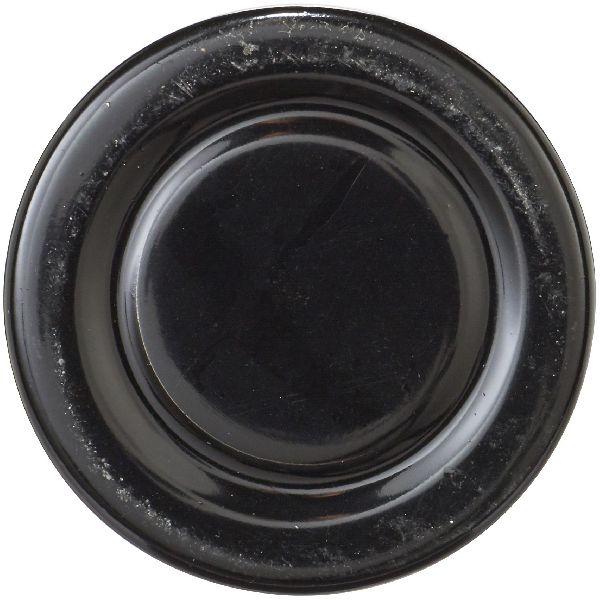
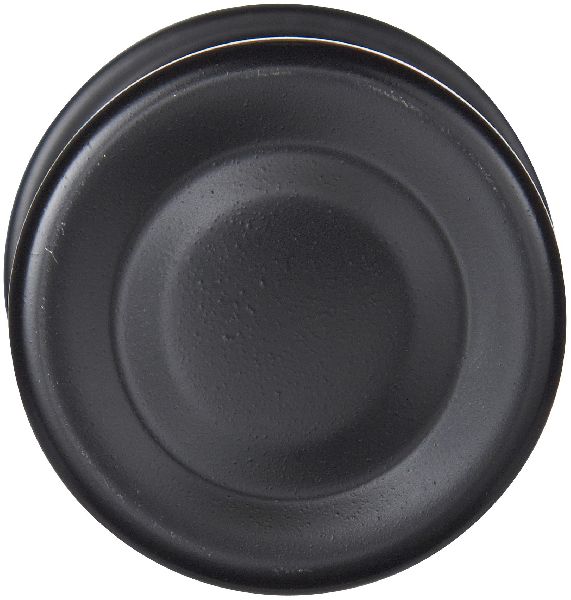
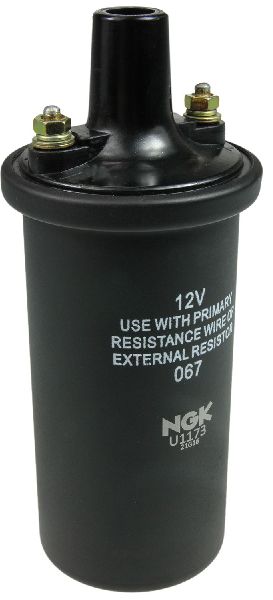
Yes, you need a canister-style, oil-filled coil designed for a points-style ignition system. The most important factors are matching your car's voltage (6V or 12V) and knowing whether your new coil requires an external ballast resistor.
Can a bad coil damage other parts?
Yes. A consistently misfiring engine can allow unburned fuel to enter the exhaust, which can lead to backfiring. While these classic cars don't have catalytic converters, running with a severe misfire for a long time is not good for overall engine health.
What are the signs of a coil overheating?
A common sign is the engine stalling after it has been running for a while and then refusing to restart until it cools down. The coil may also be hot to the touch (use caution). This is often caused by an incorrect coil/resistor combination or internal failure.
Technical Specifications
Canister-style, oil-filled ignition coil for points-type ignition. Available in 6-volt and 12-volt versions. Some 12V systems require an external ballast resistor.
We Have This Part in Stock


The information in this article is provided for general reference and educational purposes only. Vehicle specifications, procedures, and part compatibility can vary by production date, trim level, and region. Always consult your vehicle's factory service manual and verify part numbers before purchasing or performing repairs. Safety-critical components such as airbags, seat belts, and braking systems should be installed by a qualified professional.