

Choosing the Right Spark Plug Wire Set for Your 1950-1960 Chrysler Saratoga
Get the right spark and keep your classic Saratoga's V8 running strong with the correct set of wires.
- Symptoms of bad wires include rough idle, engine misfires, and difficulty starting.
- For a stock restoration, an OEM-style 7mm wire set from a brand like Standard or ACDelco is a good choice.
- For improved performance and heat resistance, consider an 8mm spiral core wire set from a brand like Taylor Cable.
- Always replace wires as a complete set to ensure reliable performance across all cylinders.
Signs of Failing Spark Plug Wires
On a classic car like the Saratoga, the signs of bad spark plug wires are usually easy to feel and hear. Your car doesn't have a computer to warn you, so you need to pay attention to how the engine behaves. Problems usually start small and get worse. Look for these common symptoms:
🎬 Watch this video to see common signs of failing wires.- Rough Idle: The engine may shake, sputter, or sound uneven when the car is stopped. This happens because weak wires can't deliver a consistent spark.
- Engine Misfires: You might feel a jerking or stumbling sensation, especially when you accelerate. A misfire means a cylinder isn't firing correctly because the spark is weak or absent.
- Trouble Starting: Worn wires can make it harder for the engine to start. They may not deliver enough voltage to create the initial spark needed for ignition.
- Poor Acceleration: The car may feel sluggish or less responsive than usual. Degraded wires provide an irregular electrical current, causing the engine to hesitate.
- Visible Damage: Inspect the wires for any visible cracks, burns, or melting on the outer insulation. Exposure to engine heat and chemicals breaks them down over time.
Known Issues, Recalls, and TSBs
Given the age of the 1950-1960 Chrysler Saratoga, there are no active recalls or modern Technical Service Bulletins (TSBs) from the National Highway Traffic Safety Administration (NHTSA) for spark plug wires. Any issues today are related to the natural aging and wear of components. 🎬 Learn more about identifying the symptoms of bad spark plug wires. Regular inspection is your best defense against failure.
Choosing the Right Aftermarket Spark Plug Wires
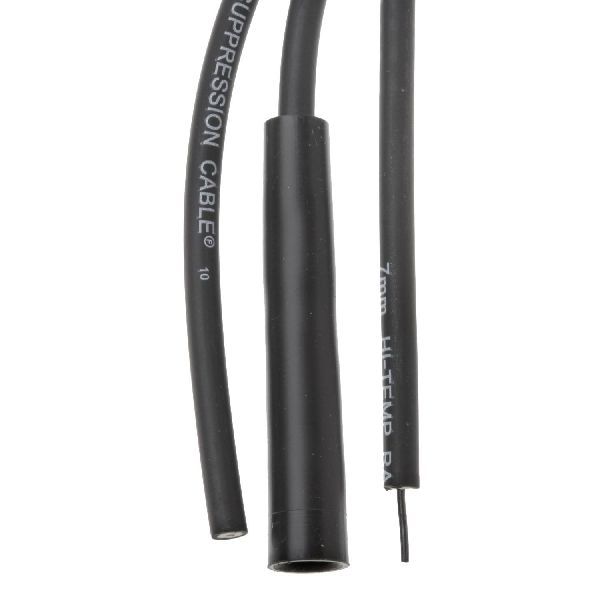
When replacing the wires on your Saratoga, you have a choice between period-correct looks and modern performance. Original wires were typically 7mm with a carbon core to suppress radio frequency interference (RFI). Many aftermarket options offer better performance and durability.
Brand & Quality Tiers
Not all spark plug wire sets are created equal. They generally fall into three categories:
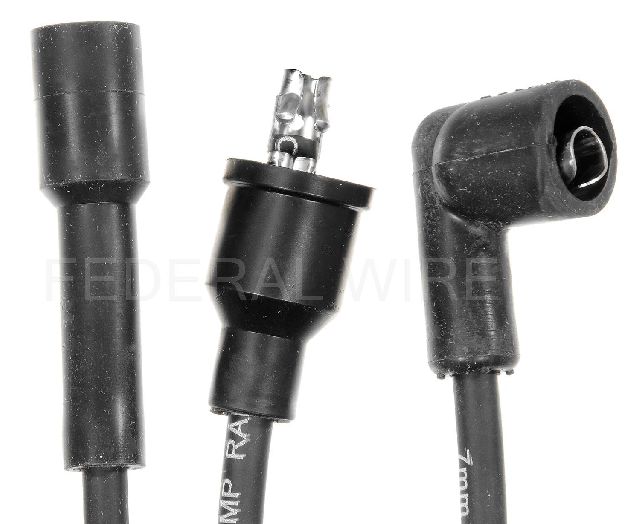
- Economy/OEM-Style (Good): Brands like Standard Wires, ACDelco, and Walker Products offer direct-fit, OEM-style replacement wires. These are often 7mm carbon core wires that look correct for a stock restoration and provide reliable performance for a daily driver or show car. They are the most affordable option.
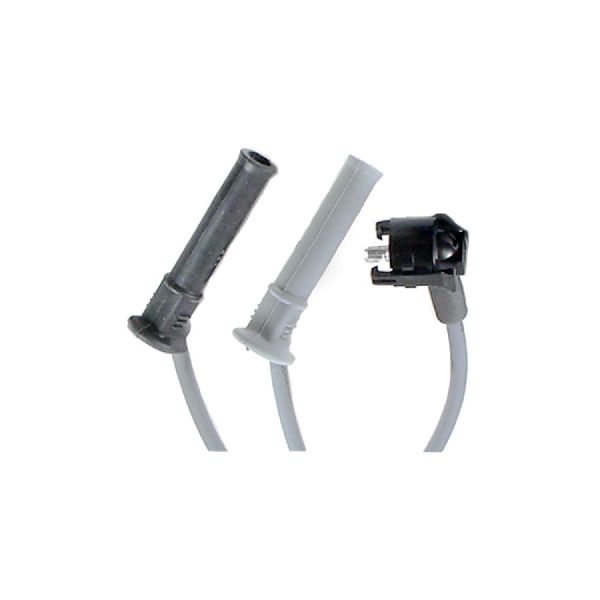
- Street Performance (Better): Brands like Taylor Cable and Denso offer a step up. They often feature thicker 8mm silicone jackets for better heat resistance and spiral-wound conductors for lower resistance than carbon cores. This means more spark energy gets to the plugs without causing radio static. These are a great all-around choice for owners who want improved durability.
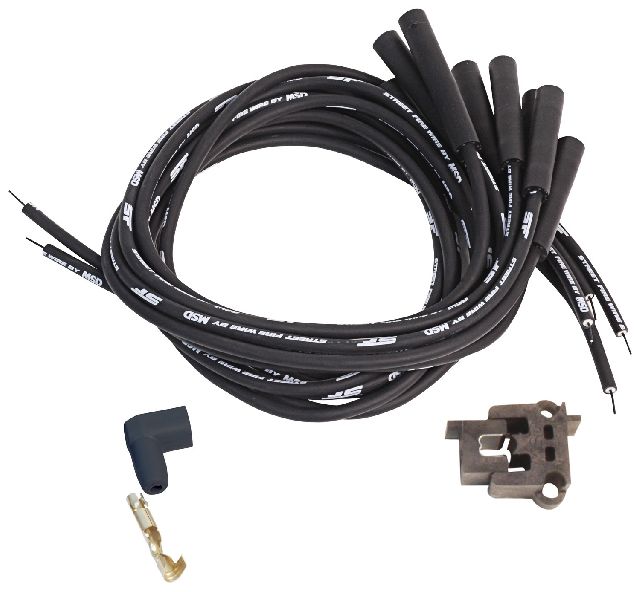
- High-Performance (Best): Brands like MSD and Accel are popular in the hot rod and racing communities. They typically use 8.5mm or larger silicone jackets, have very low resistance for maximum spark delivery, and often come in 'universal, cut-to-fit' kits so you can create custom wire lengths. These are ideal for modified engines with high-output ignition systems but may be overkill for a stock Saratoga.
Pro Tip: Universal vs. Direct-Fit. Direct-fit sets are pre-cut and ready to install, which is fast and easy. Universal sets require you to cut the wires to the desired length and crimp on the distributor cap terminals. This allows for custom routing to keep wires away from hot exhaust manifolds—a common choice for modified cars.
| Tier | Common Brands | Price Range | Best For |
|---|---|---|---|
| Economy/OEM-Style | Standard, ACDelco, Walker | $30 - $60 | Stock restorations, daily drivers |
| Street Performance | Taylor Cable, Denso | $60 - $120 | Enhanced durability and performance |
| High-Performance | MSD, Accel | $100 - $240+ | Modified engines, custom builds |
Frequently Asked Questions (FAQ)
Do I need special wires for my Hemi engine?
While not strictly necessary for a stock engine, the early Chrysler Hemi engines have deep spark plug tubes. Ensure your chosen wire set has boots that are long enough to seat properly on the spark plugs and seal the tubes from moisture and debris. Some performance brands like FireCore offer sets specifically for Hemi engines.
What's the difference between 7mm, 8mm, and 8.5mm wires?
The measurement refers to the outer diameter of the wire. A thicker wire generally has more insulation, providing better protection against heat and preventing voltage from arcing to the engine block. For a stock Saratoga, 7mm or 8mm is perfectly adequate. Performance wires are often 8.5mm or larger.
Should I choose carbon core or spiral core wires?
Carbon core wires are the original style and are fine for a stock vehicle. Spiral core (or mag core) wires are a modern upgrade that offers lower electrical resistance, meaning a hotter spark, while still suppressing radio noise. For a classic car with a radio, spiral core is a good choice to prevent static.
Do I need to replace all the wires at once?
Yes. It is always recommended to replace the spark plug wires as a complete set. This ensures consistent performance across all cylinders and prevents you from having to diagnose another old, failing wire in the near future.
Helpful Videos
Technical Specifications
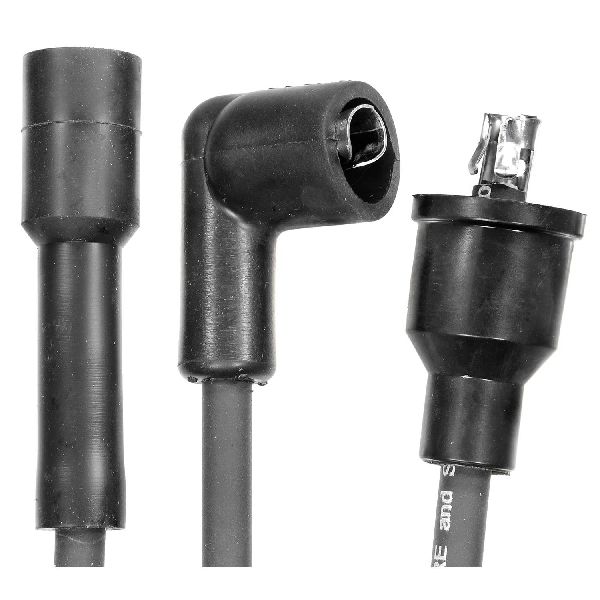
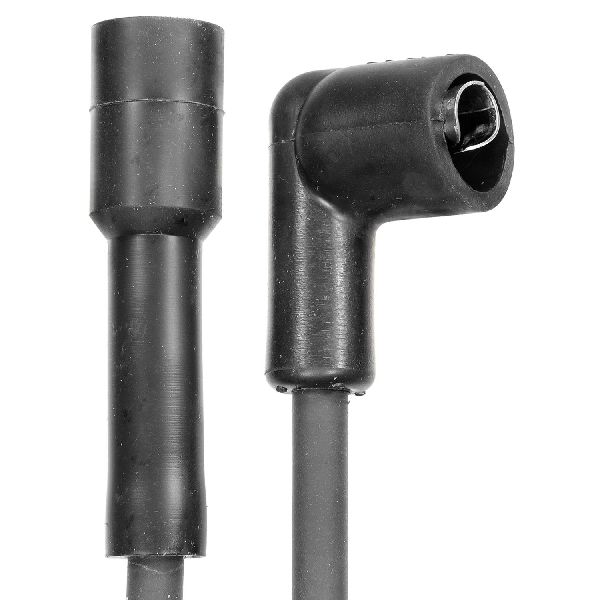
Varies by engine. Common wire diameters are 7mm (stock) and 8mm or 8.5mm (performance). Core types include carbon (stock) and spiral/magnetic (performance). Boot angles are typically 90-degrees or straight.
We Have This Part in Stock

The information in this article is provided for general reference and educational purposes only. Vehicle specifications, procedures, and part compatibility can vary by production date, trim level, and region. Always consult your vehicle's factory service manual and verify part numbers before purchasing or performing repairs. Safety-critical components such as airbags, seat belts, and braking systems should be installed by a qualified professional.