

A Guide to Spark Plugs for the 1950-1963 Ford Country Squire
Keep your classic Ford wagon running strong with the right set of new spark plugs.
- For a stock 1950-1963 Country Squire, use standard copper-core spark plugs from brands like Autolite, Champion, or NGK for best performance.
- The infamous Ford spark plug breakage and blowout problems DO NOT apply to these classic engines.
- Always check and set the spark plug gap before installation, typically to 0.030-0.035 inches.
- Replacing spark plugs on these vehicles is a simple, low-cost DIY job that can be done in under an hour with basic tools.
Signs of Failing Spark Plugs
When spark plugs wear out, your Country Squire's engine will let you know. Because these vehicles don't have modern computers to compensate, the symptoms are often very clear. Look for these common signs:
- Rough Idle: The engine may shake, sputter, or run unevenly when you're stopped.
- Hard Starting: The engine cranks for a long time before it finally starts, especially when cold.
- Engine Misfires: You might feel a hesitation, stumble, or jerk from the engine, particularly when you try to accelerate.
- Poor Fuel Economy: If you're visiting the gas station more often, worn plugs could be wasting fuel by not burning it completely.
- Lack of Power: The wagon may feel sluggish, weak, and slow to accelerate.
Choosing the Right Aftermarket Spark Plugs
For a classic vehicle like the 1950-1963 Country Squire, you do not need expensive or complex spark plugs. The original ignition systems were designed for simple, standard copper-core plugs, and they still provide the best performance today. Modern aftermarket brands offer excellent quality that meets or exceeds the original specifications.
A Note on Ford Spark Plug Problems
You may have heard stories about Ford spark plugs breaking off in the cylinder head or blowing out of the engine. These well-known issues DO NOT affect your 1950-1963 Country Squire. Those problems are specific to much newer Ford Triton engines made from the late 1990s through the late 2000s. Your vehicle's engine design is not prone to these issues.
Brand Tiers for Your Country Squire
Your engine could be an inline-6 or one of several V8s. Always confirm your specific engine to get the correct plugs. For a stock engine, focus on these brands:
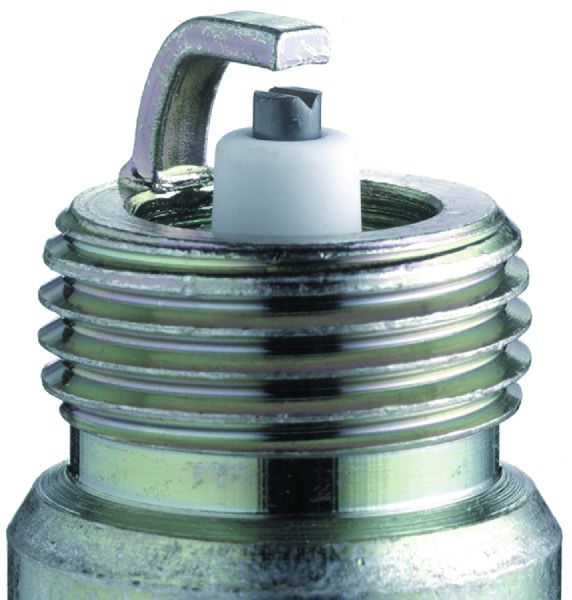
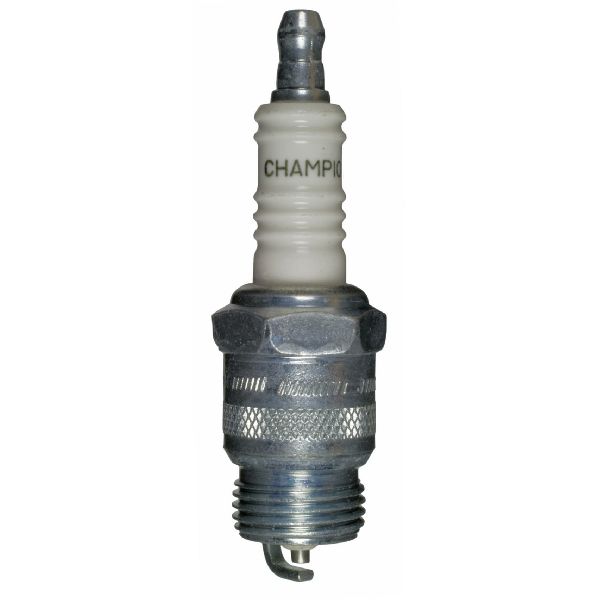
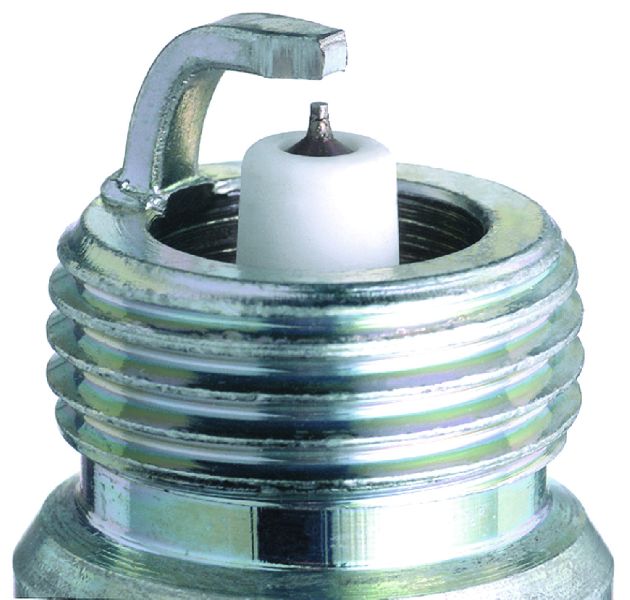
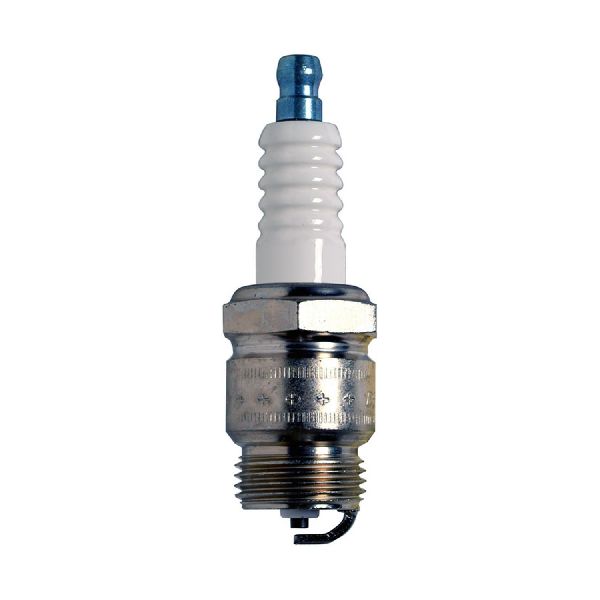
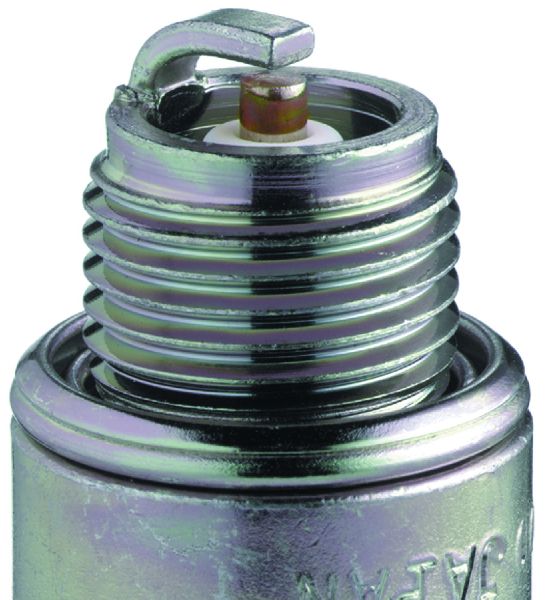
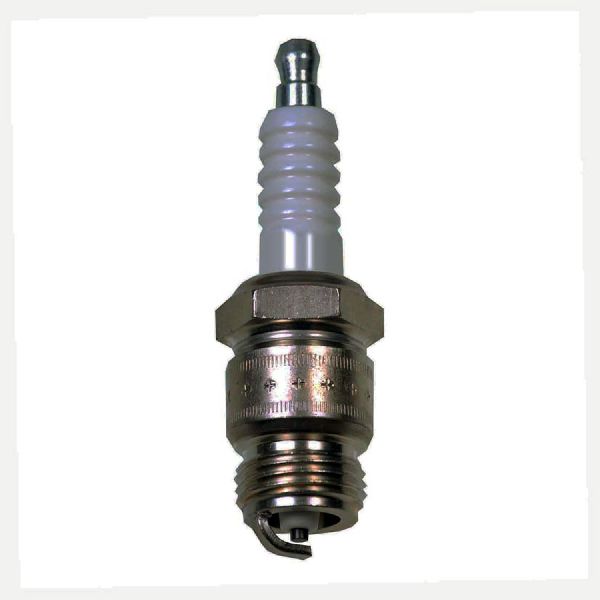
- Standard & Recommended (Copper Core): These are the best choice for originality and performance. They are affordable and work perfectly with your car's ignition system. Brands like Autolite and Champion were original suppliers to Ford, making them a historically accurate choice. Autolite part numbers like 45 and 46 are frequently recommended for Y-block V8s. Standard NGK V-Power and Denso plugs are also excellent, high-quality copper options.
- Premium Tier (Not Recommended for Most): Modern iridium or platinum plugs are designed for high-energy electronic ignition systems and long life (up to 100,000 miles). Your Country Squire's original ignition system will not benefit from them, and they may not provide as strong a spark as a fresh copper plug in this application. Stick with copper unless you have a highly modified engine with an upgraded ignition system.
- Performance Tier: Brands like MSD are geared towards racing and high-performance engines. Unless your Country Squire is significantly modified for performance, these are unnecessary.
Check the Gap!
Before installing any new spark plug, you must check the gap—the small space between the electrodes. For a stock Country Squire, this gap should be set to approximately 0.030 to 0.035 inches. Use a simple gapping tool to measure and adjust the gap. An incorrect gap is a common cause of poor engine performance.
New Aftermarket Spark Plug Cost
| Brand Tier | Our Price Range (Per Plug) |
|---|---|
| Standard Copper (Autolite, Champion, NGK, Denso) | $3.89 - $7.50 |
| Premium/Performance (Iridium/MSD) | $8.00 - $14.32 |
Pricing is approximate and subject to change.
Frequently Asked Questions (FAQ)
How often should I change the spark plugs on my Country Squire?
For standard copper plugs in a vintage engine, a good rule of thumb is to inspect them every 10,000 miles and replace them every 20,000 to 30,000 miles. Since these cars are often not driven daily, replacing them every few years regardless of mileage is also a good practice to ensure reliability.
What's the difference between a "hot" and "cold" spark plug?
This refers to the plug's heat range, or its ability to transfer heat. A "hotter" plug (like an Autolite 46) retains more heat, which helps burn off carbon deposits on a lower-compression or oil-burning engine. A "colder" plug (like an Autolite 45) dissipates heat faster and is better for higher-compression, high-RPM use. For a stock engine in good condition, the standard recommended heat range is best.
Do I need to use anti-seize on the plug threads?
This is a debated topic. Many modern plugs, like those from NGK, have a special plating that prevents seizing, and the manufacturer recommends NOT using additional anti-seize compound. If you do use it, you should reduce the final tightening torque slightly to avoid over-tightening and damaging the cylinder head threads.
Is it hard to replace the spark plugs myself?
No, this is a very straightforward job on a 1950s Ford and is a great task for a beginner. Access to the plugs on the side of the engine is generally good. You only need basic tools like a ratchet, an extension, and a spark plug socket.
Technical Specifications
Engine-specific. Common plugs include Autolite 45/46, Champion H10C, and NGK WR5. The required plug depends on whether you have an I-6 or V8 engine and its specific model (Flathead, Y-block, etc.). Always verify the correct part for your engine.
We Have This Part in Stock

The information in this article is provided for general reference and educational purposes only. Vehicle specifications, procedures, and part compatibility can vary by production date, trim level, and region. Always consult your vehicle's factory service manual and verify part numbers before purchasing or performing repairs. Safety-critical components such as airbags, seat belts, and braking systems should be installed by a qualified professional.