

1955-1959 Buick Century Generator to Alternator Upgrade Guide
Thinking about upgrading your classic Century's charging system? Here's what you need to know about switching from a generator to a modern alternator.
- Your 1955-1959 Buick Century has a generator, not an alternator; upgrading is recommended for reliability.
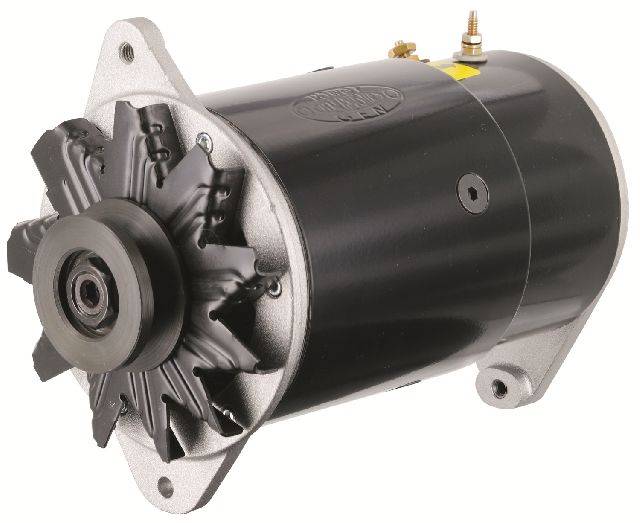
- The Powermaster PowerGEN is a popular conversion that looks like a generator but provides modern alternator power.
- Symptoms of a failing generator include dim lights, a weak battery, and the 'GEN' light on the dash.
- This conversion is a DIY-feasible task for those comfortable with classic car wiring, but involves bypassing the original voltage regulator.
Is it an Alternator or a Generator?
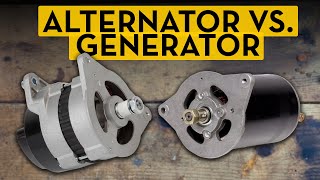
Your 1955-1959 Buick Century was originally equipped with a DC generator and an external voltage regulator from the factory. Alternators, which are more efficient, became standard on most cars in the early 1960s. The part you are looking for is not a direct replacement but an upgrade. Aftermarket alternators for this vehicle are designed as conversion kits, often shaped to look like the original generator to maintain a vintage appearance under the hood. This upgrade provides the reliability and power of a modern charging system.
Symptoms of a Failing Generator
If you're still running the original generator, you might notice signs that it's time for an upgrade. A failing generator can't keep the battery properly charged, leading to a variety of electrical issues. Watch for these common symptoms:
- Dim or Flickering Headlights: Your headlights and dashboard lights may appear dim, especially at idle, and then brighten as you rev the engine. This is a classic sign that the generator isn't producing enough power at low speeds.
- Difficulty Starting: A generator that isn't charging properly will leave you with a weak or dead battery, making it hard to start the engine.
- Battery Warning Light: The "GEN" or battery light on your dashboard may flicker or stay on, indicating a problem with the charging system.
- Discharged Battery: If your battery constantly needs a jump-start or won't hold a charge, the generator is a likely culprit. Electrical drains from old wiring can also be a cause.
Why Upgrade to an Alternator?
Upgrading from a generator to an alternator is one of the most common and beneficial reliability improvements for a classic car. Generators are complex, heavy, and can't keep up with the demands of modern driving or accessories like better headlights, stereos, or air conditioning. An alternator is more efficient, reliable, lighter, and provides a much stronger and more stable charge at idle. Powermaster PowerGEN alternators, for example, can produce over 60 amps at idle, a huge improvement over the original 30-35 amp generator's maximum output.
Choosing the Right Aftermarket Alternator
For the 1955-1959 Buick Century, you are not just buying a replacement part but a conversion system. The primary brand available for this specific upgrade is Powermaster.
- Powermaster PowerGEN: This is the go-to option for a generator-to-alternator conversion. These units are designed to look like the original generator, preserving the classic under-hood appearance of your Buick. They are one-wire, internally regulated alternators 🎬 Watch this step-by-step guide on converting your classic car's charging system., which simplifies wiring significantly by eliminating the need for the old external voltage regulator. They offer a substantial increase in power, with outputs around 90 amps.
Important Fitment Note
Some early GM vehicles had the power steering pump mounted to the back of the generator. The Powermaster alternator conversion does not have a provision for this setup. Before ordering, confirm that your vehicle does not have a generator-mounted power steering pump.
Cost of Upgrading Your Charging System
| Part Type | Estimated Cost |
|---|---|
| New Aftermarket Alternator Conversion | $584 |
| Rebuilt OEM Generator | $95 - $900 (Varies widely by rebuilder) |
| Shop Labor for Conversion | $200 - $400 |
Frequently Asked Questions
Do I have to modify my car to install an alternator?
Yes, some modifications are necessary. You will need to bypass or remove the old external voltage regulator. The Powermaster PowerGEN is designed to use the original mounting brackets, but minor adjustments may be needed. The wiring will also be simplified to a one-wire setup. Some owners have noted needing to slightly enlarge mounting holes or trim brackets for a perfect fit.
Is this a good DIY job?
For a mechanic with some experience with classic car electrical systems, this is a manageable job. It involves removing the old generator and regulator, mounting the new alternator, and running a new main charge wire. 🎬 See how to properly wire a generator to alternator conversion. However, due to the nature of modifying vintage wiring, beginners may want to seek professional help.
What is a one-wire alternator?
A one-wire alternator has an internal voltage regulator and only needs one large wire to connect its output post to the battery. This simplifies installation dramatically compared to the multi-wire setup of the original generator and external regulator.
Will upgrading to an alternator affect my car's value?
For a daily driver or a car you want to be more reliable, an alternator conversion is widely seen as a positive upgrade that improves usability and safety. For a concours-level show car where absolute originality is key, sticking with a rebuilt generator might be preferred. However, since products like the Powermaster PowerGEN look like a generator, the impact on appearance is minimal.
Helpful Videos
Technical Specifications
Original Equipment: 30-35 Amp DC Generator with external regulator. Aftermarket Upgrade: Powermaster PowerGEN one-wire alternator, ~90 Amp output with internal regulator.
We Have This Part in Stock

The information in this article is provided for general reference and educational purposes only. Vehicle specifications, procedures, and part compatibility can vary by production date, trim level, and region. Always consult your vehicle's factory service manual and verify part numbers before purchasing or performing repairs. Safety-critical components such as airbags, seat belts, and braking systems should be installed by a qualified professional.