

A Practical Guide to Spark Plugs for the 1955-1959 Porsche 356A
Keep your classic air-cooled engine running strong by choosing the right spark plugs for today's driving conditions.
- Most 356A owners now prefer NGK spark plugs (like BP6HS or BPR6HS) for their superior resistance to fouling compared to classic Bosch plugs.
- Set the spark plug gap to 0.028 inches for a standard ignition system.
- Fouling is the most common problem; inspect plugs regularly if you experience rough running or hard starts.
- Install new plugs on clean, dry threads without anti-seize, and be careful not to cross-thread the aluminum heads.
Signs of Failing Spark Plugs
Worn or fouled spark plugs can cause a number of noticeable problems in your 356A. Because these engines are known to consume some oil and can run rich, plugs can foul more often than in modern cars. Look out for these symptoms:
- Hard Starting: Difficulty getting the engine to turn over and start, especially when cold.
- Rough Idle: The engine may shake or vibrate more than usual when the car is stopped.
- Engine Misfires: You may feel a hesitation or stumble from the engine during acceleration. In severe cases, the car will lose power and run poorly.
- Poor Fuel Economy: Inefficient combustion from a weak spark means you'll be visiting the gas station more often.
- Visible Fouling: When you remove the plugs, they may be black and sooty (carbon fouled) or wet with oil (oil fouled).
Choosing the Right Aftermarket Spark Plug
While Bosch was the original equipment manufacturer for the 356A, many owners today prefer modern alternatives that offer better resistance to fouling with today's fuels. The distinction between 'OEM' and 'aftermarket' is blurry for a vintage car; the key is to choose a quality brand with the correct specifications.
Aftermarket Brand Tiers for Porsche 356A
| Tier | Brands | Assessment |
|---|---|---|
| Highly Recommended | NGK | This is the overwhelming favorite among 356 owners today. NGK plugs like the BP6HS and BPR6HS are widely praised for their reliability and superior resistance to fouling compared to classic Bosch plugs. Many owners report smoother running and longer plug life after switching to NGK. |
| Good Alternative | Bosch | While many owners have moved away from the standard classic Bosch plugs due to fouling issues, the Bosch WR7BP platinum plug is often recommended as a durable option that also resists fouling well. However, some mechanics argue that platinum plugs with their fine electrodes are not ideal for these older, carbureted engines. |
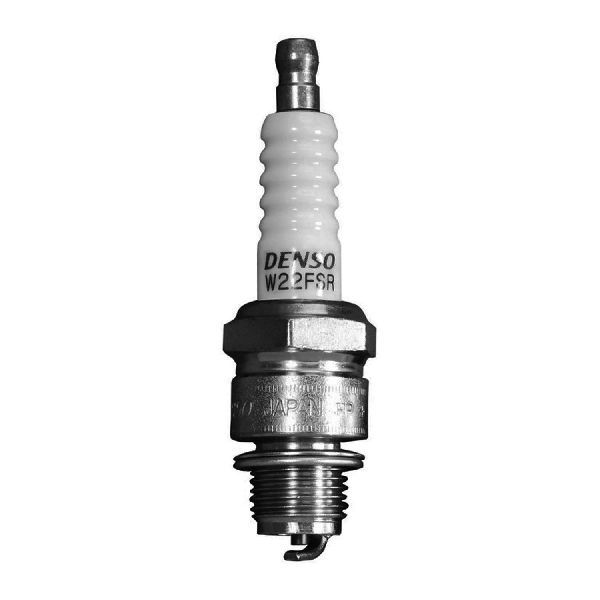
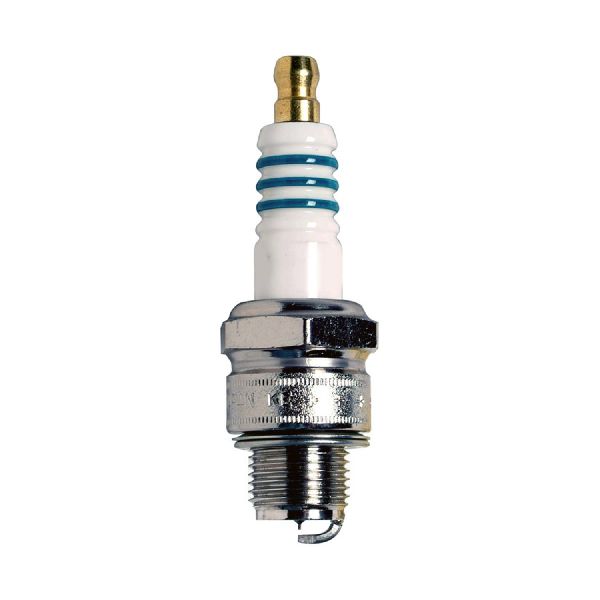
| Value Options | Autolite, Denso | While these brands are available and will function if the specs are correct, they are not commonly discussed or recommended in the 356 community. Given the low cost of the highly-recommended NGK plugs, most owners stick with what is proven to work best in these specific engines. |
A Warning on Projected Tip Plugs
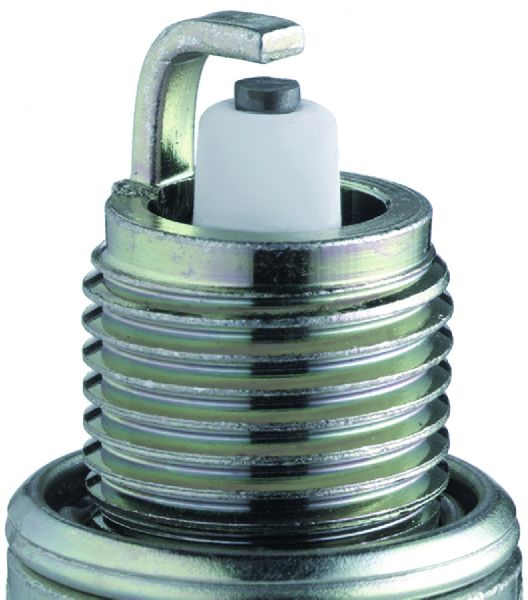
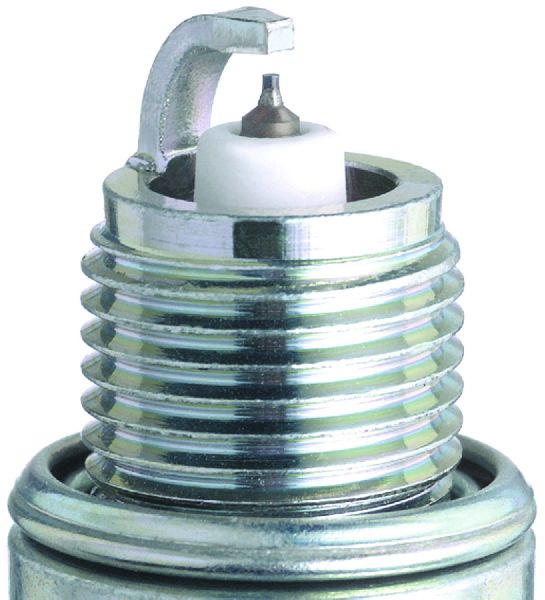
Some recommended plugs, like the NGK BP6HS, have a 'projected tip' where the center electrode sticks out further. This can improve combustion, but in some high-compression or modified engines, the piston can hit the electrode. After installing new plugs, always turn the engine over by hand two full rotations with the spark plugs in to ensure there is no contact.
Frequently Asked Questions
What is a spark plug 'heat range' and why does it matter?
The heat range determines how hot the plug's firing tip gets during operation. A 'hotter' plug (lower number for NGK) has a longer insulator nose and retains more heat, which helps burn off carbon deposits during low-speed city driving. A 'colder' plug (higher number for NGK) has a shorter insulator and transfers heat away faster, which is necessary for high-speed or racing conditions to prevent overheating. For most 356A owners, an NGK '6' heat range is the perfect starting point.
How often should I change the spark plugs on my 356A?
Unlike modern cars with 100,000-mile plugs, the spark plugs in a 356A require more frequent attention. Due to the nature of the engine, plugs can foul in as little as a few hundred miles if there are other issues like rich carburetion. 🎬 Learn how to tune your carburetors for better engine performance A good practice is to inspect them every few thousand miles or at every oil change. Many owners simply replace them annually or every 5,000 to 10,000 miles, as they are inexpensive.
🎬 Watch: A complete electrical tune-up guide for your 356What should the spark plug gap be set to?
For a 1955-1959 Porsche 356A with a standard points ignition system, a spark plug gap of 0.028 inches is the most common and reliable setting. While original factory specs were slightly smaller, modern fuels and ignition components respond well to this gap. If you have an aftermarket electronic CDI ignition, you may be able to run a wider gap, but 0.028" is a safe and effective choice for all.
🎬 See this quick demonstration on how to gap spark plugsShould I use anti-seize on the spark plug threads?
This is a point of debate. While many mechanics and owners have a habit of using a small amount of anti-seize, a Porsche technical bulletin from 1991 that applies to all models states that spark plugs should be installed with the threads clean and dry. The concern is that lubricant can cause you to overtighten the plug, potentially damaging the threads in the aluminum cylinder head. The torque specification of 19-22 ft. lbs. is for dry threads.
What is the difference between a resistor and non-resistor plug?
A resistor spark plug (indicated by an 'R' in the part number, like NGK BR6HS) includes a small internal resistor designed to suppress radio frequency interference (RFI). This can prevent static or buzzing in your original radio. If you don't have a radio or don't care about potential static, a non-resistor plug works just as well. Functionally, both will make your engine run properly.
Helpful Videos
Technical Specifications
OEM Part Numbers: Bosch W7BC Bosch W200T35 Bosch WR7BP
Thread Size: 14mm Reach: 1/2 inch (12.7mm) Hex Size: 13/16 inch (21mm) Recommended Gap: 0.028 inches (0.7mm) Recommended Torque: 19-22 ft-lbs (25-30 Nm) on dry threads
We Have This Part in Stock

The information in this article is provided for general reference and educational purposes only. Vehicle specifications, procedures, and part compatibility can vary by production date, trim level, and region. Always consult your vehicle's factory service manual and verify part numbers before purchasing or performing repairs. Safety-critical components such as airbags, seat belts, and braking systems should be installed by a qualified professional.