

Choosing the Right Alternator for Your 1955-1965 Mercury Monterey
A guide to understanding your classic Monterey's charging system and selecting the best new aftermarket alternator.
- First, identify if your Monterey has the original generator or an updated alternator, as this determines which part you need.
- Upgrading from a generator to an alternator is a highly recommended modification for improved reliability and electrical performance.
- Brands like Powermaster specialize in conversion and high-output units, while BBB, MPA, and Remy offer standard replacements.
- Always inspect your vehicle's wiring when replacing the alternator; old, brittle wires can cause problems with the new unit.
Generator or Alternator: What's In Your Monterey?
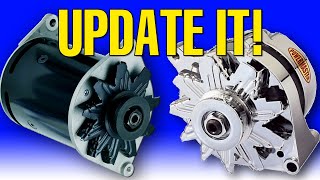
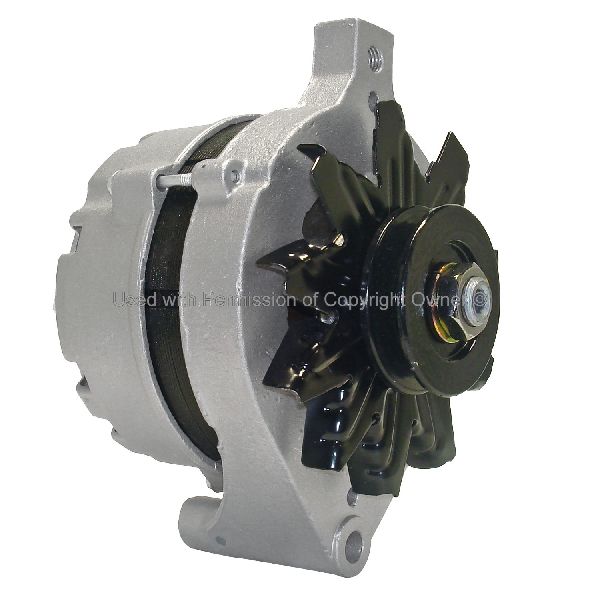
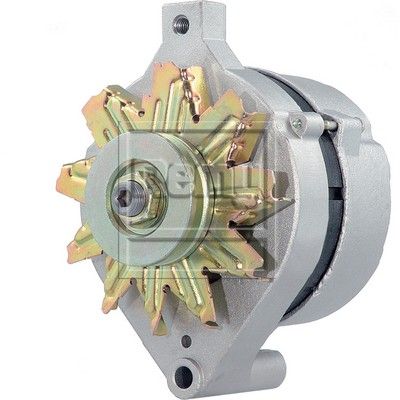
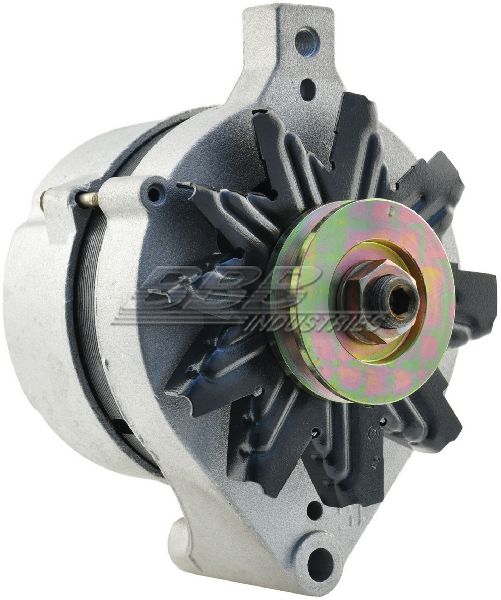
Before you shop for a replacement, you need to know what's in your car now. Mercury, like other Ford Motor Company vehicles, began phasing out generators in favor of alternators in the early-to-mid 1960s. A 1955 Monterey will have a generator, while a 1965 model will have an alternator. If you own a model from the years in between (roughly 1960-1964), it could have either, especially if a previous owner already performed an upgrade. Generators are typically longer, heavier, and cylindrical, often black. Alternators are more compact, have a finned aluminum casing, and a fan at the front. Because alternators provide more stable power at idle and are more reliable, many owners of generator-equipped cars choose to convert.
Symptoms of a Failing Charging System
Whether you have a generator or an alternator, the warning signs of failure are similar. A failing unit can't properly charge the battery, leading to a host of electrical problems. Ignoring these symptoms will eventually leave you stranded.
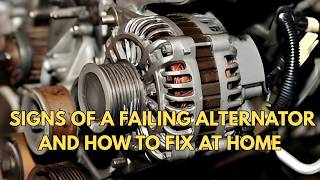
🎬 Watch: How to identify and fix common alternator failure symptoms.- Dim or Flickering Lights: Headlights and dash lights may dim when the engine is idling and brighten as you accelerate.
- Weak or Dead Battery: A classic sign is a battery that dies repeatedly, even if it's new. The charging system isn't doing its job of recharging it.
- "GEN" or Battery Warning Light: The warning light on your dashboard is a direct indicator of a problem with the charging system.
- Whining or Grinding Noises: Worn-out bearings inside the unit can produce a distinct whining or grinding sound from the engine bay.
- Slow Electrical Accessories: Things like power windows (if equipped) or the radio may operate slowly or stop working.
- Difficulty Starting or Stalling: A weak charging system may not provide enough power to the ignition system to start the engine or keep it running smoothly.
Generator to Alternator Conversion
If your Monterey still has its original generator, replacing it with a modern aftermarket alternator is one of the most common and beneficial upgrades you can make. The conversion provides better charging at idle, supports modern accessories like electronic ignition or better stereos, and improves overall reliability. The process involves some wiring changes, as the old external voltage regulator is no longer needed. 🎬 See this step-by-step guide for a Ford generator-to-alternator swap. Kits and guides are widely available for this popular conversion.
Choosing the Right Aftermarket Alternator
When selecting a new aftermarket alternator, you have several options that fit different needs and budgets. For this vehicle, there is no "new OEM" option available; all replacements are aftermarket.
Tier 1: Performance & Conversion Specialists
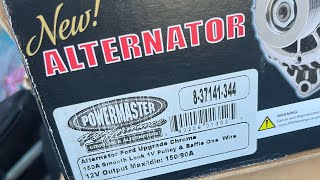
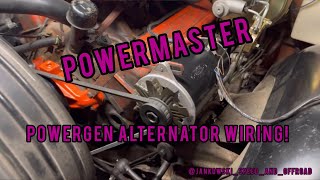
- Powermaster: This brand is a top choice for classic car owners. They offer high-output alternators and direct-fit models for generator-to-alternator conversions. They even make a "PowerGEN" unit that looks exactly like an original generator but contains modern alternator internals, perfect for owners who want a stock appearance with modern performance. 🎬 Watch: How to wire a PowerGen unit to your dashboard light.
Tier 2: Standard Aftermarket Replacements
- BBB Industries, MPA, and Remy: These are major manufacturers and remanufacturers that supply parts to many retail stores. They offer reliable, direct-fit replacements that meet or exceed original specifications. While generally dependable, some owner reviews for remanufactured units from any brand can be mixed, with occasional reports of premature bearing failure. These brands provide a cost-effective solution for a standard replacement.
Pro Tip: Check Your Wiring
When replacing your alternator or converting from a generator, inspect the wiring. Old, brittle, or undersized wires can't handle the output of a new alternator and can cause performance issues or even a fire. Consider upgrading the main charge wire to a heavier gauge to get the most from your new part.
Cost of a New Aftermarket Alternator
| Item | Price Range |
|---|---|
| New Aftermarket Alternator | $116.37 - $503.92 |
| Shop Labor for Installation | $150 - $300 |
Prices are estimates and can vary based on your location, vehicle condition, and the specific part selected. The wide price range for the part reflects the difference between standard replacements and high-output or generator-look conversion units.
Frequently Asked Questions
Do I have a generator or an alternator?
Look at the unit in your engine bay. Generators are typically long, heavy, solid-cased cylinders. Alternators are more compact, have a finned aluminum case for cooling, and an external fan. If your Monterey is from 1963 or earlier, it likely came with a generator unless it has been converted.
Why should I upgrade from a generator to an alternator?
An alternator provides much better electrical output at low engine speeds, like when you're stopped at a light. This prevents the dimming lights common with generators. They are also lighter, more efficient, and more reliable, with internal voltage regulation that simplifies wiring.
Is converting from a generator to an alternator difficult?
For someone with basic mechanical skills, it is a manageable project. It requires swapping the physical unit and making some wiring changes, primarily bypassing the old external voltage regulator. Many aftermarket alternators for this conversion are designed to use the original brackets. There are also conversion modules and kits available to simplify the wiring.
What amperage do I need?
For a stock vehicle with no major electrical additions, a standard replacement alternator with an output of 60-75 amps is usually sufficient. If you have added or plan to add accessories like a powerful stereo, electric fans, or brighter lights, you should choose a high-output alternator (100 amps or more) to handle the extra electrical load.
Helpful Videos
Technical Specifications
Vehicle may be equipped with a generator or an alternator. Physical inspection is required before ordering. Generator-to-alternator conversions are common and may require wiring modifications. Amperage needs depend on vehicle's electrical load (stock vs. modified).
We Have This Part in Stock

The information in this article is provided for general reference and educational purposes only. Vehicle specifications, procedures, and part compatibility can vary by production date, trim level, and region. Always consult your vehicle's factory service manual and verify part numbers before purchasing or performing repairs. Safety-critical components such as airbags, seat belts, and braking systems should be installed by a qualified professional.
- 🎬 Helpful Videos
- 🛍️ Shop This Part
- Generator or Alternator: What's In Your Monterey?
- Symptoms of a Failing Charging System
- Generator to Alternator Conversion
- Choosing the Right Aftermarket Alternator
- Pro Tip: Check Your Wiring
- Cost of a New Aftermarket Alternator
- Frequently Asked Questions
- 🎟️ Get 5% Off