

A Ford Owner's Guide to the 1955-1968 Country Squire Distributor
Learn how to diagnose a failing distributor and choose the right modern upgrade for your classic wagon.
- Upgrading from the original points system to an electronic distributor is the most common and beneficial repair for reliability and performance.
- Brands like Pertronix offer popular electronic conversion kits that maintain a stock appearance, while MSD and FAST are for high-performance builds.
- Before ordering, you must identify your Ford's specific engine (e.g., Y-Block, FE, Windsor) as distributors are not interchangeable.
- Proper installation requires setting the engine timing with a timing light, a critical step for engine health and performance.
Signs of a Failing Distributor in Your Country Squire
The distributor in a classic car like the 1955-1968 Ford Country Squire is a common source of engine trouble. Because it has moving parts and is responsible for timing your engine's spark, any wear or failure can cause noticeable problems. If you experience any of these issues, your distributor could be the culprit.
- Engine Misfires or Rough Idle: A worn distributor cap, rotor, or shaft can cause the spark to be delivered inconsistently, leading to a rough-running engine.
- Difficulty Starting: If the distributor fails to send spark, the engine won't start at all. This can be caused by a bad ignition module (on electronic setups) or failed points.
- Engine Stalling: A distributor that's on its way out can cause the engine to stall unexpectedly, especially when it gets hot.
- Shaking or Unusual Noises: A worn distributor shaft can wobble, creating an unstable points gap and erratic timing. You might also hear clicking or tapping sounds from the engine.
- Poor Acceleration and Power Loss: If the mechanical or vacuum advance mechanisms are stuck or worn, the ignition timing won't adjust correctly for engine speed and load, resulting in sluggish performance.
No Recalls or Bulletins Found
Searches of the National Highway Traffic Safety Administration (NHTSA) database and for Technical Service Bulletins (TSBs) did not find any specific recalls or bulletins related to the distributor for the 1955-1968 Ford Country Squire. Given the vehicle's age, issues are typically addressed through standard maintenance and repair procedures.
Choosing the Right Aftermarket Distributor
Since new original equipment (OEM) distributors for this era are no longer available, you'll be choosing from aftermarket options. For a Country Squire owner, this is actually a great opportunity to improve reliability. The biggest decision is whether to stick with a traditional points-style system or upgrade to an electronic ignition.
Pro Tip: Check Your Engine!
Ford used several V8 engines in the Country Squire during this period, including the Y-Block, FE (like the 390), and Windsor families. These engines use different distributors. Always confirm your engine type before ordering to ensure a proper fit.
Brand & Quality Tiers
Your choice of brand often depends on your goals for the car—whether it's a stock restoration, a reliable weekend cruiser, or a modified performance vehicle.
- Performance Tier (MSD, FAST): Brands like MSD and FAST are geared toward high-performance applications. Their distributors offer precise timing adjustments, high-output coils, and robust construction, making them ideal for modified engines with aftermarket carburetors or fuel injection. For a stock or mildly-tuned Country Squire, these may be more than you need.
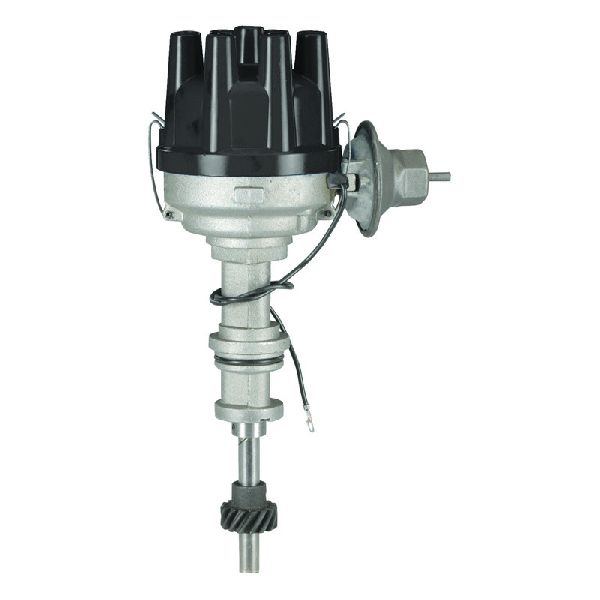
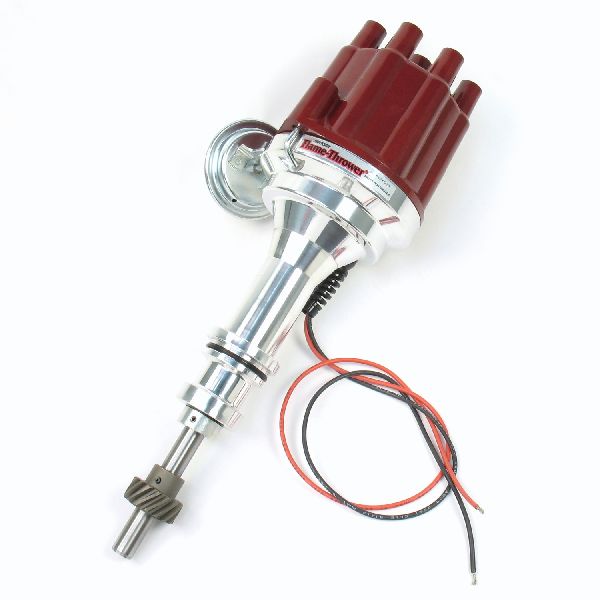
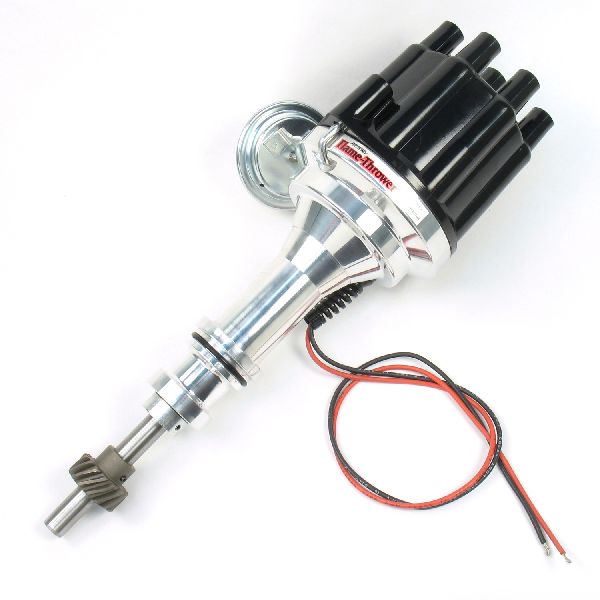
- Electronic Upgrade Tier (Pertronix): Pertronix is extremely popular in the classic car community for its simple and effective electronic ignition conversion kits. These kits often fit inside your stock distributor, replacing the points and condenser with a reliable magnetic or optical sensor. This gives you the benefit of electronic ignition while keeping a stock appearance. They also sell complete electronic distributors.
- Standard Replacement Tier (WAI Global): WAI Global offers new, complete distributors that are designed to be direct replacements for the original units. These are a budget-friendly choice if you need a new distributor but don't require high-performance features. However, owner reviews are mixed, with some reporting quality control issues.
| Part Type | Estimated Cost |
|---|---|
| New Aftermarket | $122.53 - $966.01 |
| Shop Labor | $150 - $300 |
| New OEM | Not Available |
| Used OEM | $50 - $200 |
| Remanufactured | $75 - $250 |
Frequently Asked Questions (FAQ)
What's the difference between points and electronic ignition?
A points-style distributor uses a small mechanical switch (the points) that opens and closes to trigger the spark. These wear out and require regular adjustment. An electronic distributor uses a sensor (like a magnetic pickup or optical sensor) to do the same job without any moving parts to wear out, making it much more reliable and maintenance-free.
Do I need a new ignition coil with my new distributor?
It's highly recommended. Many electronic ignition systems are designed to work with a specific coil that has a lower primary resistance. Using the wrong coil can damage the new electronic module in your distributor. Check the manufacturer's recommendation for your new distributor.
How do I set the timing after installing a new distributor?
Setting the timing is critical. It involves rotating the engine to Top Dead Center (TDC) on the #1 cylinder, aligning the rotor to the #1 spark plug wire terminal on the cap, and then using a timing light to make fine adjustments with the engine running. If you are not comfortable with this process, it is best to have a professional mechanic do it.
Will an electronic distributor look original?
It depends on the type you buy. A Pertronix conversion kit fits inside your original distributor cap, so the appearance is nearly identical to stock. Some complete electronic distributors are designed to look like the original, while others (like many from MSD or FAST) have a modern, high-performance look with billet aluminum housings.
Technical Specifications
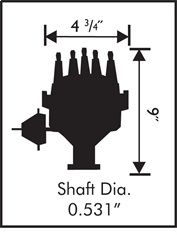
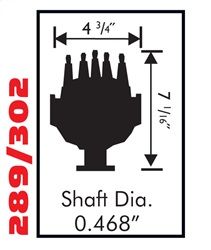
Distributor type varies based on engine (Ford Y-Block, FE, or Windsor series). Key differences include shaft length, gear material, and advance mechanisms. Early models (1955-1956) may have used a Load-O-Matic distributor with vacuum-only advance, while later models used a dual mechanical and vacuum advance system. Aftermarket options include points-style, electronic conversion kits, and complete electronic units (Hall effect, magnetic, or optical trigger).
We Have This Part in Stock

The information in this article is provided for general reference and educational purposes only. Vehicle specifications, procedures, and part compatibility can vary by production date, trim level, and region. Always consult your vehicle's factory service manual and verify part numbers before purchasing or performing repairs. Safety-critical components such as airbags, seat belts, and braking systems should be installed by a qualified professional.