

A Guide to Spark Plugs for the 1955-1972 Chrysler 300
Keep your classic FirePower Hemi or Wedge engine running strong with the correct set of spark plugs.
- You must identify your specific engine (e.g., 392 Hemi, 413 Wedge) to get the correct spark plugs.
- Matching the factory-specified heat range and thread reach is more important than the brand you choose.
- Standard copper plugs from brands like Champion or Autolite work great for stock engines and are affordable.
- Modern NGK plugs are highly regarded by other classic Mopar owners for their quality and reliability.
Choosing the Right Spark Plug for Your Classic 300
Selecting a spark plug for a 1955-1972 Chrysler 300 requires more than just picking a brand. Over its long production run, the 300 was equipped with a variety of legendary engines, from the early FirePower Hemis to the later 'Wedge' head designs like the 413 and 440. Each engine has specific requirements. Before buying, you must know your engine's exact displacement and year.
Engine Damage Warning: Know Your Plug's Reach and Seat
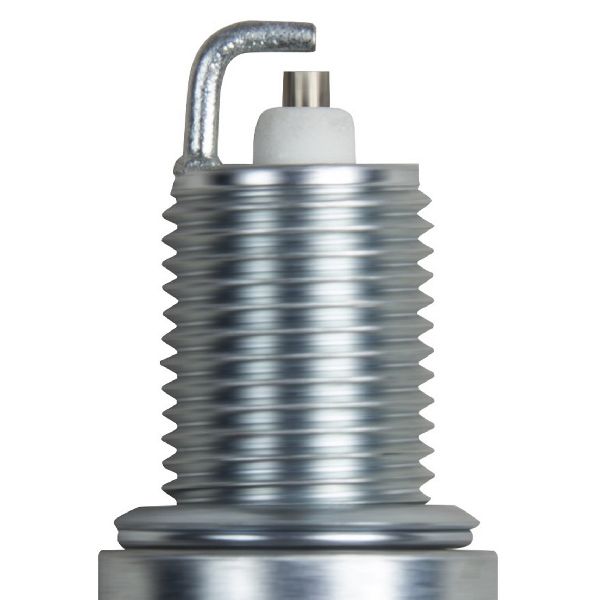
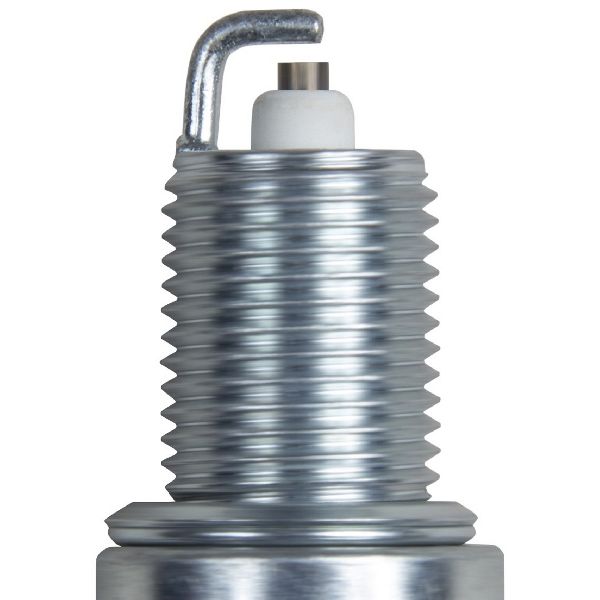
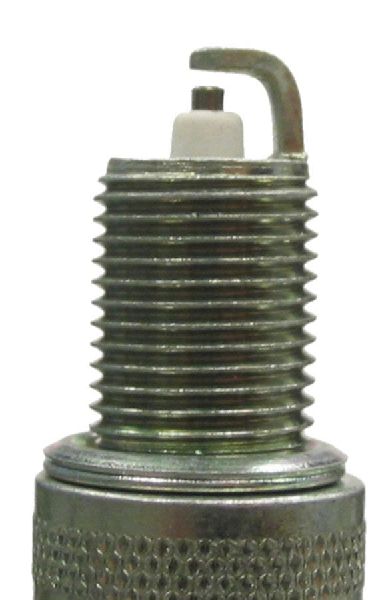
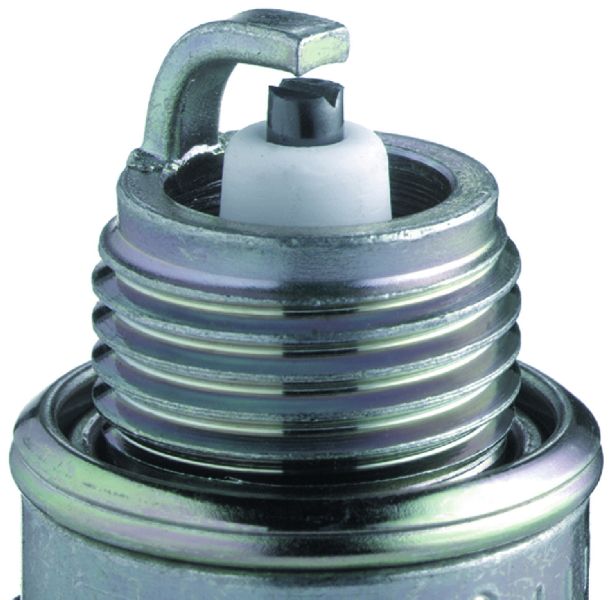
Using the wrong spark plug can cause severe engine damage. The two most critical factors are Thread Reach (the length of the threaded part) and Seat Type (tapered or gasket). A plug with too long a reach can be hit by the piston, destroying the plug, piston, and possibly the cylinder head. Always verify the correct specifications for your specific engine heads before installation.
Aftermarket Brand Tiers & Quality
For a classic vehicle, 'aftermarket' doesn't imply lower quality. Many aftermarket brands were original equipment (OE) suppliers, and modern brands offer technology that can be an upgrade.
- OEM Style / Standard Copper Plugs: These are the most traditional and affordable options. They perform very well in stock or lightly modified engines but have a shorter service life.
- Champion: Champion was a common original equipment plug for this era. Many purists stick with them for an authentic restoration. While some forum users report a decline in quality over the years, they remain a viable, factory-style choice.
- Autolite: A widely respected and reliable choice. Their standard copper plugs are a go-to for many classic Mopar owners who want a dependable, affordable plug that just works.
- Modern Technology / Performance Plugs: These plugs use precious metals like platinum or iridium, which last much longer and can provide a more consistent spark under high-stress conditions.
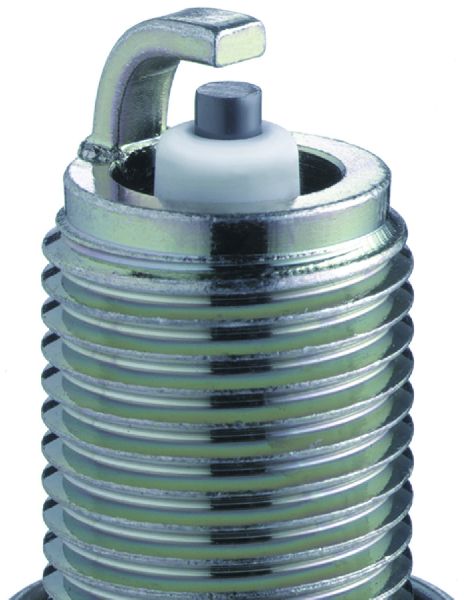
- NGK: This brand is highly recommended across classic Mopar forums. Their V-Power and Iridium IX plugs are praised for their quality, durability, and ability to be 'read' easily for engine tuning. They are an excellent choice for both stock and high-performance builds.
- Denso: Denso also produces high-quality iridium and platinum plugs that are a suitable modern alternative for classic engines, offering long life and reliable performance.
- Accel: Often geared towards the performance and racing market, Accel provides plugs designed for high-compression, high-horsepower applications.
What is Spark Plug Heat Range?
Heat range is a measure of how quickly the spark plug tip dissipates heat. A 'hot' plug retains more heat, which helps burn off carbon deposits at low speeds. A 'cold' plug dissipates heat faster to prevent overheating and pre-ignition in a high-horsepower or high-load engine. Using the correct heat range specified for your engine is critical for performance and preventing engine damage. For modified engines (e.g., higher compression, forced induction), a colder plug is usually required.
Known Issues: Oil Fouling in Older Engines
As these classic engines age, worn piston rings or valve seals can allow oil to enter the combustion chamber. This oil can coat the spark plug's electrode, preventing it from firing correctly—a condition known as 'oil fouling'. If you notice a plug is consistently wet with oil, it indicates a deeper engine issue. As a temporary measure, some owners install a spark plug non-fouler. This small adapter moves the spark plug slightly out of the cylinder, shielding it from direct oil splash to extend its life until the engine can be properly repaired.
| Part Tier | Example Brands | Typical Price Range (per set of 8) | Best For |
|---|---|---|---|
| Standard Copper | Champion, Autolite | $28 - $50 | Stock engines, budget-conscious owners, purists |
| Platinum / Iridium | NGK, Denso, Bosch | $60 - $120 | Long life, high-performance engines, smoother idle |
| Performance | Accel, some NGK/Denso lines | $80 - $200+ | Modified engines, racing applications |
Frequently Asked Questions
How often should I change the spark plugs on my classic Chrysler 300?
For standard copper plugs, a good interval is every 10,000-15,000 miles or every few years, as they are inexpensive and vital to engine health. For more expensive iridium or platinum plugs, you can extend that interval to 30,000 miles or more, but it's still wise to inspect them periodically.
Can I use modern iridium spark plugs in my old Hemi or Wedge engine?
Yes, you can. As long as the plug has the correct heat range, thread reach, and seat type, an iridium plug will work and often provide a longer service life and more stable spark. Many classic car owners have successfully upgraded to modern plugs.
Do I need to gap my new spark plugs?
Yes. Even if the box says 'pre-gapped', you should always verify the gap with a feeler gauge or gapping tool before installation. The gap specification can vary by year and ignition system, so consult your vehicle's service manual for the correct setting.
Which brand is truly the best?
For a stock engine, any of the major brands like Champion, Autolite, or NGK will perform well if it's the correct plug for the application. Many experienced Mopar enthusiasts prefer NGK for its consistent quality. The most important factors are the heat range and physical dimensions, not the brand name.
Technical Specifications
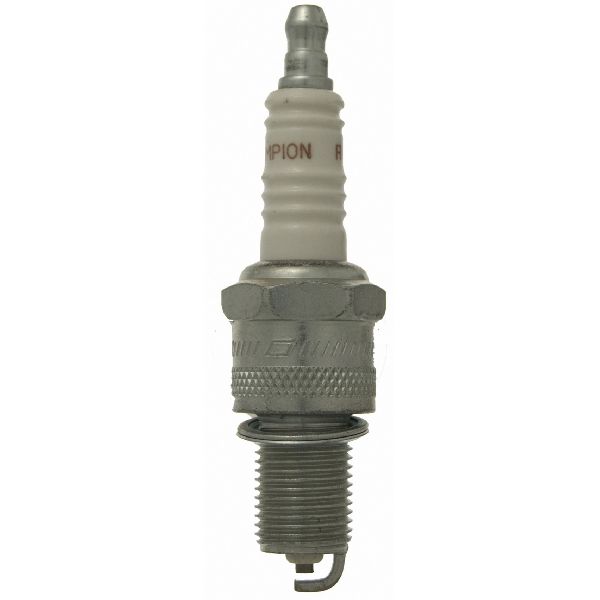
Due to the wide variety of engines used from 1955-1972, there is no single part number. Owners MUST consult a service manual or a classic Mopar-specific parts catalog for their exact engine and year. Key specifications to verify are: Heat Range, Thread Reach (e.g., 3/8", 3/4"), Seat Type (Tapered or Gasket), and Hex Size.
We Have This Part in Stock

The information in this article is provided for general reference and educational purposes only. Vehicle specifications, procedures, and part compatibility can vary by production date, trim level, and region. Always consult your vehicle's factory service manual and verify part numbers before purchasing or performing repairs. Safety-critical components such as airbags, seat belts, and braking systems should be installed by a qualified professional.