

Universal Joint Guide for the 1957-1966 Mercury Colony Park
Eliminate driveline vibrations and clunking noises by choosing the right U-joint for your classic Mercury wagon.
- Address symptoms like clunking or vibrations immediately to prevent a dangerous driveshaft failure.
- For long-term reliability, choose a premium aftermarket brand like Dana Spicer.
- Decide between a sealed U-joint for a maintenance-free option or a greasable one if you perform regular maintenance.
- Before ordering, measure your existing U-joint's bearing cap diameter and width to ensure you purchase the correct size.
Signs of a Failing Universal Joint
A worn U-joint will give you clear warning signs. Because these parts are under constant stress, they wear out from normal use. Ignoring the symptoms can lead to a complete failure where the driveshaft can detach from the car, causing a loss of control and expensive damage.
- Clunking or Banging Noise: The most common sign is a loud "clunk" when you shift from Park into Drive or Reverse. You might also hear it when you accelerate or decelerate. This sound is caused by excessive play in the worn-out joint.
- Vibration Throughout the Vehicle: A vibration that you can feel in the floor or seats is another key symptom. This vibration often starts at a certain speed, like 30-35 mph, and gets worse as you go faster. This is often confused with an unbalanced tire, but if a tire balance doesn't fix it, the U-joint is a likely cause.
- Squeaking or Chirping: A rhythmic squeaking that matches the rotation of the driveshaft (not the wheels) points to a dry, failing U-joint. This is often most noticeable at low speeds, between 5 and 10 mph.
- Visible Rust or Leaking Grease: If you look under the car, you might see rust-colored dust around the U-joint's bearing caps. This indicates the internal needle bearings are turning to dust. You may also see grease that has leaked out.
Choosing the Right Aftermarket U-Joint
For a classic vehicle like the 1957-1966 Colony Park, new original equipment (OEM) parts from Mercury are no longer available. Aftermarket parts are your only option, but the quality varies significantly between brands. Your choice will impact the smoothness of your ride and how long the repair lasts.
Brand Quality Tiers
Based on owner feedback and mechanic consensus, aftermarket U-joints generally fall into these tiers:
- Premium (OEM Quality or Better): Dana Spicer is widely considered the best choice for American vehicles. They are known for high-quality materials and durability, often lasting for many years. Many classic car owners and mechanics will use nothing else. They are available in both greasable and non-greasable (sealed) versions.
- Mid-Grade (Good Quality): SKF is a well-respected bearing manufacturer, and their U-joints are considered a solid, reliable choice. Moog was once a top brand, but in recent years, owner reviews have become very mixed. While some of their heavy-duty lines may still be good, many have experienced premature failures, so caution is advised.
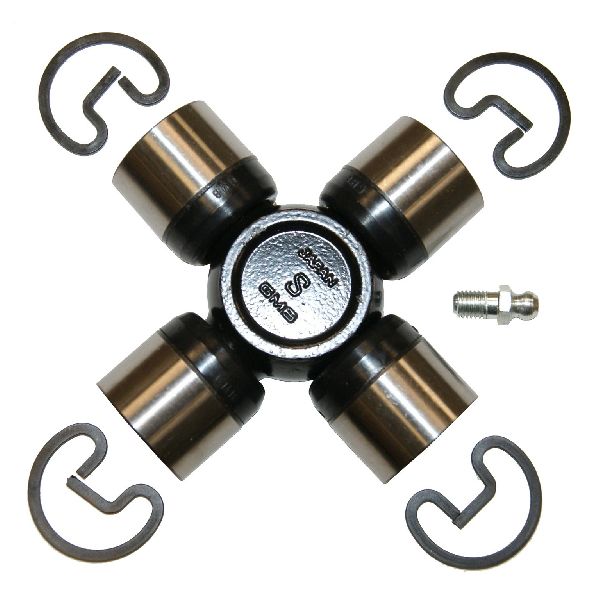
- Standard / Economy (Value-Oriented): GMB is a Japanese manufacturer that offers a good balance of quality and price. They are a popular choice for daily drivers and are generally seen as a reliable standard replacement part that meets or exceeds original specifications.
Pro Tip: Greasable vs. Sealed U-Joints
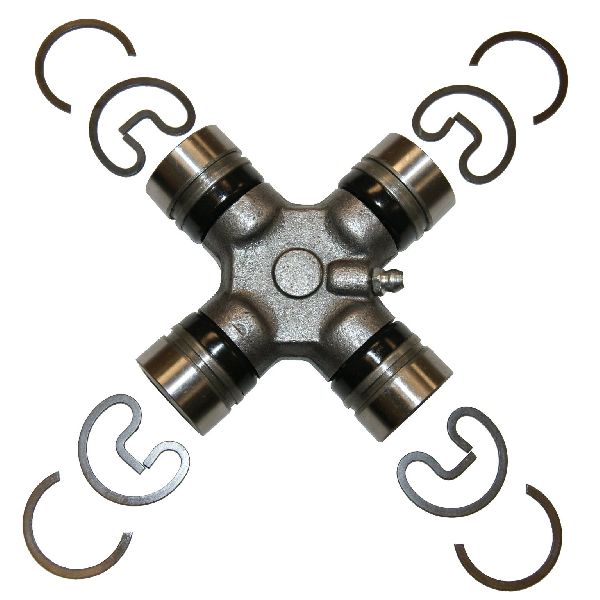
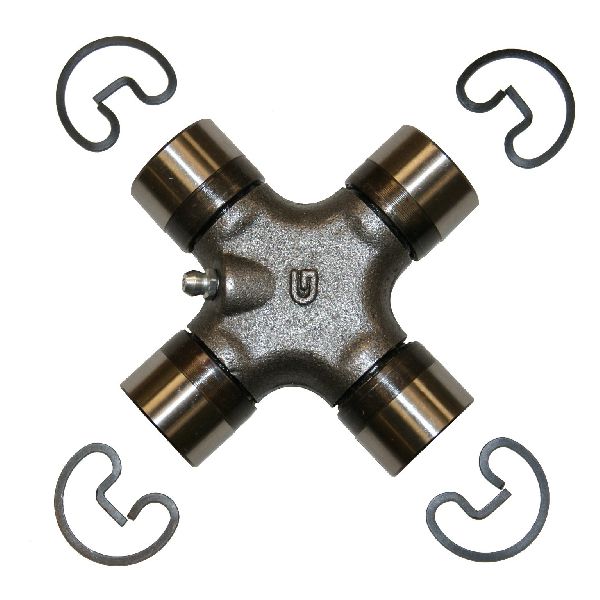
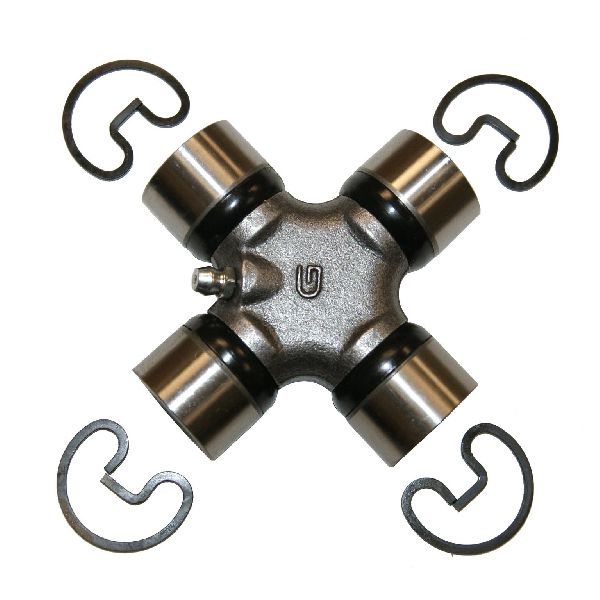
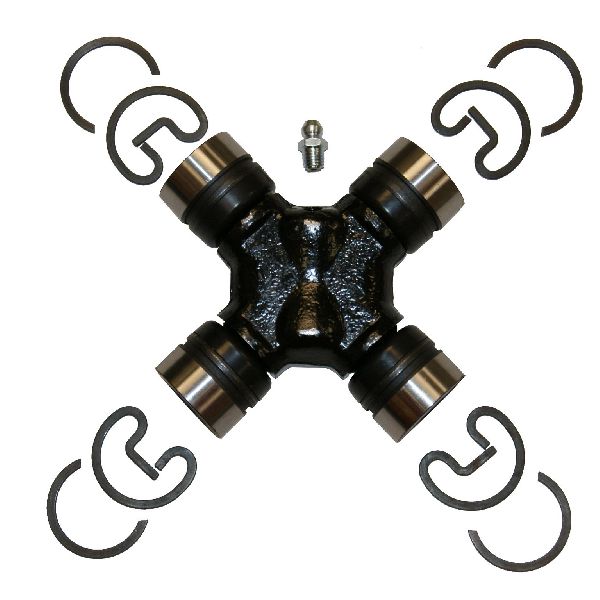
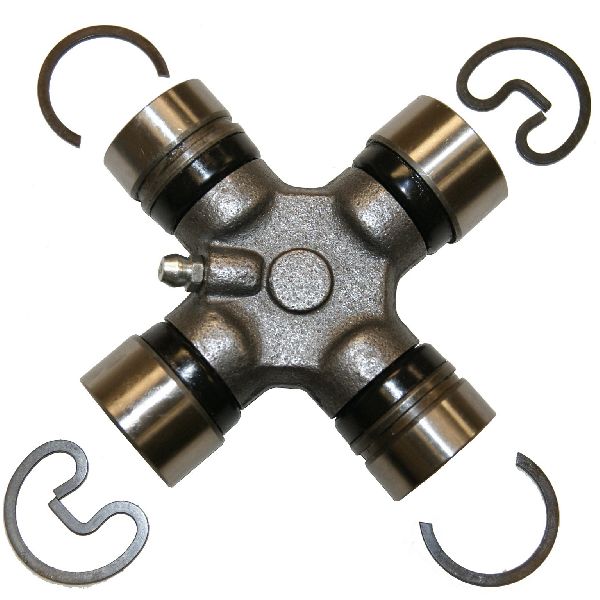
You will see options for both "greasable" (with a zerk fitting) and "non-greasable" (sealed) U-joints. Sealed joints are often considered stronger because the cross is solid steel. They are preferred by many for a fit-and-forget installation that mimics the original factory parts. Greasable joints can last just as long, but only if you are diligent about greasing them regularly. If you don't plan on doing regular maintenance, a high-quality sealed joint from a brand like Spicer is the safer bet.
Estimated Costs
| Item | Estimated Cost |
|---|---|
| Aftermarket Universal Joint | $18.53 - $58.37 (per joint) |
| Shop Labor | $200 - $450 |
| Total Cost (Professional) | $220 - $510 |
Cost estimates are for a single U-joint replacement and can vary based on your location and the specific parts chosen. Your Colony Park has at least two U-joints.
Frequently Asked Questions (FAQ)
How many U-joints does my 1957-1966 Colony Park have?
Most 1957-1966 Mercury Colony Park models with a standard one-piece driveshaft have two universal joints: one at the transmission end and one at the rear axle (differential) end. Some models with longer wheelbases could potentially have a two-piece driveshaft, which would require a third U-joint and a center support bearing.
How do I make sure I'm buying the right size U-joint?
Ford and Mercury used different U-joint sizes over the years, even within the same model. The only way to be 100% certain is to measure your old U-joints. You will need to measure the diameter of the bearing caps and the width of the joint from cap to cap. Having these measurements ready when you order will ensure you get the correct part and avoid installation problems.
Can I replace the U-joints myself?
Yes, this is a job a skilled DIY mechanic can do, but it requires specific tools. You will need to safely raise the vehicle, remove the driveshaft, and then use a heavy-duty bench vise and sockets or a specialized U-joint press to remove the old joints and install the new ones. If the original joints are held in with injected nylon, you may need a torch to melt it out first. If you are not comfortable with this process, it is best to have a professional mechanic do the work.
What happens if I don't replace a bad U-joint?
Ignoring a failing U-joint is dangerous. The initial vibrations and noises will get worse. Eventually, the joint can break completely, causing the driveshaft to fall while you are driving. This will cause an immediate loss of power to the wheels and can cause the driveshaft to dig into the pavement, potentially flipping the vehicle or causing you to lose control.
Technical Specifications
OEM Part Numbers: C3AZ-4635-C C3AZ-4635-E
The 1957-1966 Mercury Colony Park uses two U-joints on a standard one-piece driveshaft. Multiple sizes were used during this period. Physical measurement of the original part's bearing cap diameter and overall width is required for accurate replacement. Common retention methods are inside 'C' clips or outside snap rings.
We Have This Part in Stock

The information in this article is provided for general reference and educational purposes only. Vehicle specifications, procedures, and part compatibility can vary by production date, trim level, and region. Always consult your vehicle's factory service manual and verify part numbers before purchasing or performing repairs. Safety-critical components such as airbags, seat belts, and braking systems should be installed by a qualified professional.