

Accessory Drive V-Belts for the 1959-1963 Checker A9
Keep your classic Checker reliable by understanding its simple but crucial V-belt system.
- Your Checker A9 has multiple V-belts, not a single serpentine belt; you must identify which belt needs replacing (e.g., generator or power steering).
- Modern aftermarket brands like Gates and Dayco are high-quality and more durable than original 1960s parts.
- Replacement is a simple DIY job for most owners, requiring only basic hand tools.
- A broken belt will disable your car, leading to overheating or a dead battery. Do not drive with a bad belt.
Understanding the V-Belts on Your Classic Checker
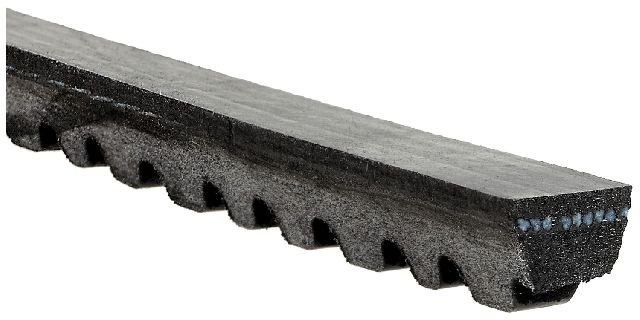
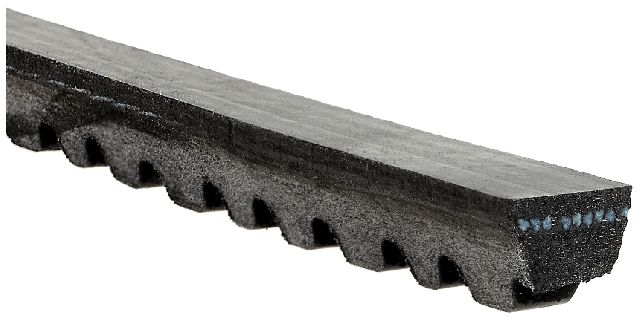
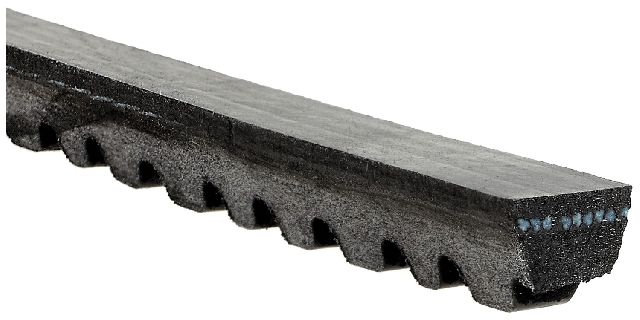
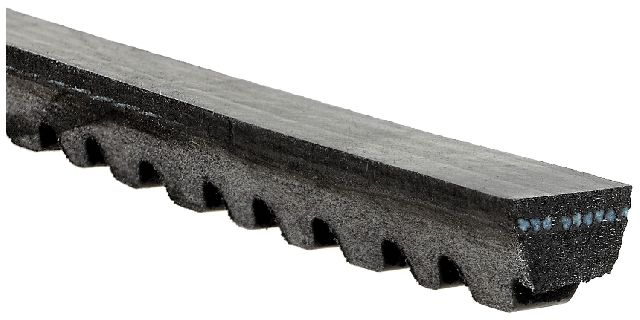
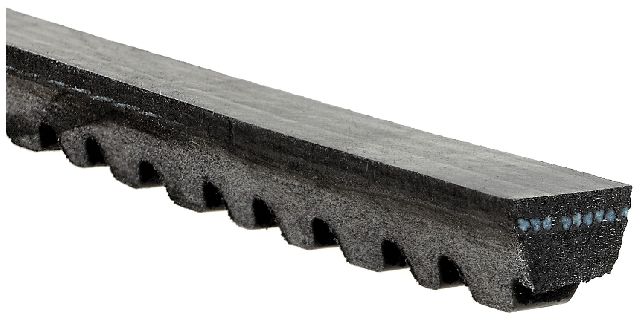
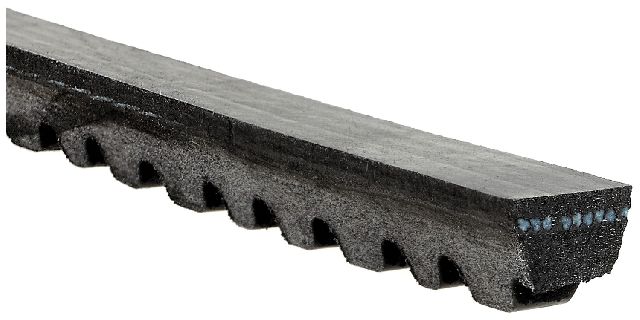
Unlike modern cars that use a single, wide serpentine belt, the 1959-1963 Checker A9 relies on an older, simpler system of one or more V-belts. These belts get their name from their V-shaped cross-section, which helps them grip the pulleys of the accessories they drive. The standard engine for this period was the Continental 3.7L (226ci) inline-6. The number of belts your car has depends on its options. A base model will have a belt for the generator and water pump, while a model with power steering will have a second belt. Because these belts are made of rubber, they wear out over time and require regular inspection and replacement.
Symptoms of a Failing V-Belt
A worn or failing V-belt will usually give you a few warning signs. Ignoring them can leave you stranded and risk engine damage.
- Squealing Noises: A high-pitched squeal, especially when you start the engine or during acceleration, is the most common symptom. This is caused by the belt slipping on the pulleys because it's loose, worn, or glazed.
- Visible Damage: Look at the belts. If you see cracks, fraying, missing chunks, or a shiny, smooth surface (glazing), the belt is old and needs to be replaced immediately.
- Accessory Failure: If the 'GEN' or 'AMP' light comes on, the battery isn't being charged. If the temperature gauge climbs rapidly, the water pump isn't turning. These are signs that a belt has broken or is slipping badly.
Critical Warning
If your engine starts to overheat or the generator light comes on, pull over immediately. Driving with a broken or severely slipping accessory drive belt can lead to catastrophic engine failure from overheating or leave you stranded with a dead battery.
Choosing the Right Aftermarket Belt
Original equipment belts for a car from the early 1960s are no longer produced. Even if you found a "New Old Stock" (NOS) part, the rubber would be too old to be reliable. Modern aftermarket belts are the correct and superior choice, as they are made from advanced EPDM rubber compounds that last longer and perform better than original materials.
Brand Quality: Dayco vs. Gates
Both Dayco and Gates are well-respected American brands that have been making V-belts for decades. You can confidently use either for your Checker A9.
- Gates: Often enjoys a slightly higher reputation among classic car and performance enthusiasts. Many users in forums prefer Gates and note they are sometimes more forgiving and stretch less over time. NAPA-branded belts are often manufactured by Gates.
- Dayco: A high-quality manufacturer that produces millions of belts for both aftermarket and OEM applications. Many owners use Dayco belts for years with no issues. Dayco themselves note that most top-tier belts today use similar materials and offer comparable performance.
Pro Tip: The most important factor is getting the correct belt for your specific application (e.g., generator belt vs. power steering belt) and ensuring it is tensioned correctly after installation. Both Dayco and Gates will provide excellent service.
| Part | Cost Range |
|---|---|
| Accessory Drive Belt (Aftermarket) | $24.64 - $40.37 |
Frequently Asked Questions
Is replacing a V-belt on my Checker a DIY job?
Yes, absolutely. For a vehicle from this era, replacing a V-belt is a very straightforward job for a home mechanic. It typically involves loosening the bolts on an accessory (like the generator), pushing it inward to create slack, removing the old belt, fitting the new one, and then prying the accessory outward to create tension while tightening the bolts.
How do I know which belt to buy?
You must identify which belt you are replacing. The belt for the generator is a different size than the belt for the power steering pump. Check part numbers and application notes carefully. Listings will specify if a belt is for the "Fan and Generator" or "Power Steering" and whether it is for a car with or without air conditioning.
How tight should the new belt be?
A common rule of thumb for V-belts is that at the longest point between two pulleys, you should be able to press down on the belt with your thumb and have it deflect about half an inch. A belt that is too loose will slip and squeal. A belt that is too tight can cause premature wear on the bearings in your generator or water pump.
Were there any recalls or TSBs for the Checker A9 drive belts?
No. A search of the National Highway Traffic Safety Administration (NHTSA) database shows no recalls or Technical Service Bulletins (TSBs) related to the accessory drive belts for the 1959-1963 Checker A9. Any failures are due to normal wear and age.
Technical Specifications
The primary specification is the belt's length and V-profile. This is determined by the engine (Continental 3.7L I6) and the specific accessory being driven (e.g., Fan/Generator, Power Steering). Always verify the application in the part description before ordering.
We Have This Part in Stock

The information in this article is provided for general reference and educational purposes only. Vehicle specifications, procedures, and part compatibility can vary by production date, trim level, and region. Always consult your vehicle's factory service manual and verify part numbers before purchasing or performing repairs. Safety-critical components such as airbags, seat belts, and braking systems should be installed by a qualified professional.