

Jeep CJ5 Ignition Coil Guide for 1959-1967 Models
Solve rough running and no-start problems by choosing the right ignition coil for your classic CJ5.
- A bad ignition coil is a very common cause of no-start, rough running, and stalling issues in a 1959-1967 CJ5.
- Replacement is an easy DIY job that takes less than 30 minutes with basic hand tools.
- Before buying, check if your Jeep's ignition system uses an external ballast resistor and purchase a compatible coil.
- Brands like Standard Ignition and NGK have a strong reputation for quality, while Jeep specialists like Crown and Omix-Ada are also common choices.
Is Your CJ5's Ignition Coil Failing?
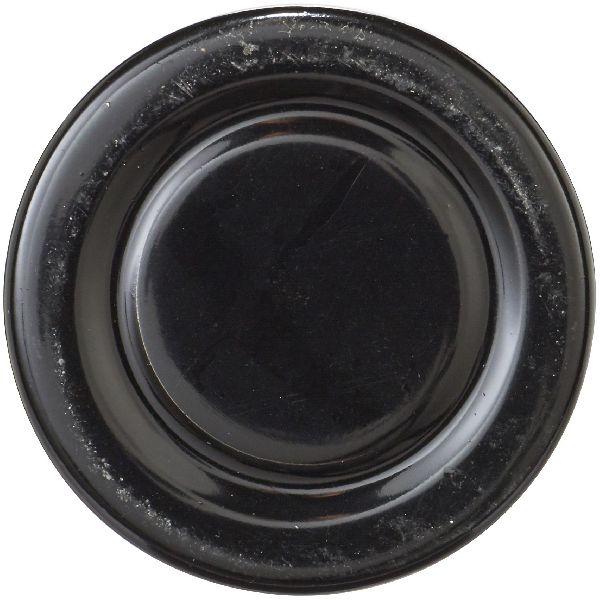
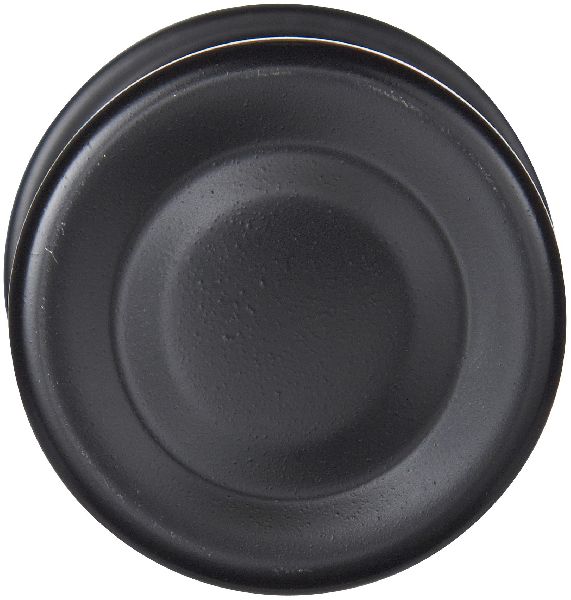
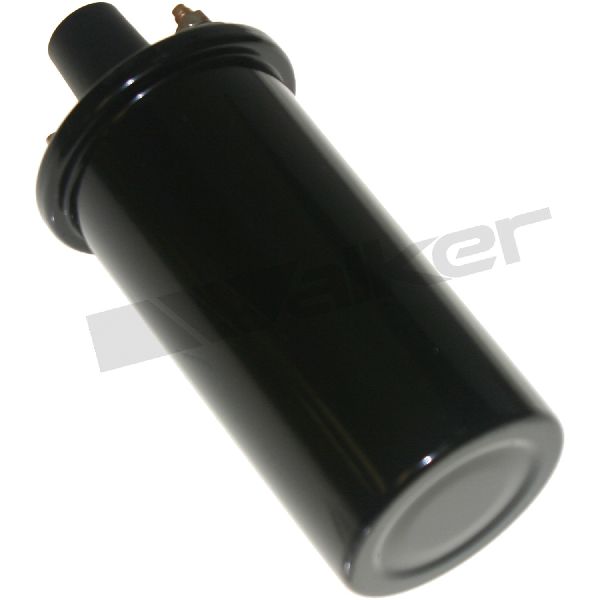
The ignition coil in a classic CJ5 is a simple, canister-style part that works hard every time the engine is running. Over decades of use, heat and vibration cause the internal windings to break down, leading to a weak or non-existent spark. If you're experiencing engine problems, the coil is a common and easy-to-replace suspect.
Symptoms of a Bad Ignition Coil
- No-Start or Hard Starting: The most common symptom. The engine will crank but won't fire up because there's no spark to ignite the fuel.
- Engine Misfires and Rough Idle: The engine may shake, sputter, or run unevenly, especially at idle. This happens when the coil provides a weak or inconsistent spark.
- Backfiring: Loud pops from the exhaust can occur when unburned fuel enters the exhaust system because of a missed spark, and then ignites.
- Stalling: The engine may stall unexpectedly, especially when it gets hot. Heat increases the coil's internal resistance, and a failing coil may stop working once it warms up, only to work again after it cools down.
- Poor Acceleration and Power Loss: A weak spark leads to incomplete combustion, making your Jeep feel sluggish and underpowered.
A Note on Diagnostics
These classic Jeeps do not have On-Board Diagnostics (OBD) systems, so there will be no "Check Engine Light" or diagnostic trouble codes to read. Diagnosis relies on observing these symptoms and testing the ignition system components directly.
Choosing the Right Aftermarket Ignition Coil
Original OEM parts for a 1959-1967 CJ5 are long gone. Today's market is all aftermarket, but quality can vary. For a simple part like this, most options will work, but brand reputation can be a guide to longevity.
Brand Tiers for Your CJ5
- Performance Brands (Accel, NGK): Brands like Accel are known for performance applications, often promising a "hotter" spark for better performance. Reviews can be mixed, with some users reporting great results and others experiencing premature failure. NGK is a highly respected name in ignition parts and is generally considered a top-tier choice.
- Jeep Specialist Brands (Crown Automotive, Omix-Ada): These companies specialize in parts for Jeeps of all eras. They aim for an OEM-style fit and function. While they offer an extensive catalog, owner reviews suggest that quality, especially for electrical parts, can sometimes be inconsistent. However, for a simple canister coil, they are often a perfectly acceptable and widely available choice.
- Standard Replacement Brands (Standard Ignition, Spectra, Walker, etc.): Standard Motor Products (SMP) has a long-standing reputation for producing reliable electrical components and is often considered a safe, high-quality bet. Other brands in this category offer budget-friendly solutions that meet basic requirements.
Ballast Resistor Check
Some ignition systems of this era use a ballast resistor to protect the coil and points. Coils are designed to be used either with or without an external resistor. Using the wrong type of coil can lead to premature failure of the coil or other ignition components. Check your service manual or trace the wiring to the coil's positive terminal to see if a ceramic ballast resistor is present. Choose a coil that matches your system's requirements (e.g., "for use with external resistor").
Estimated Cost for a New Ignition Coil (1959-1967 Jeep CJ5)
| Part Type | Estimated Cost |
|---|---|
| New Aftermarket | $23.02 - $51.38 |
| New OEM (Mopar) | Not Available |
| Shop Labor | $50 - $100 |
Frequently Asked Questions (FAQ)
How do I replace the ignition coil on my CJ5?
Replacement is very simple. First, disconnect the negative battery cable. Label the small positive (+) and negative (-) wires and the main coil wire so you know where they go on the new coil. Disconnect them. Loosen the clamp holding the coil and remove it. Install the new coil in the clamp, reconnect the wires to the correct terminals, and reconnect the battery. The whole process usually takes less than 30 minutes.
Do I need a special coil for my F-134 "Hurricane" or Dauntless V6 engine?
Both the 4-cylinder Hurricane and the V6 Dauntless engines use a standard 12-volt, canister-style ignition coil. The key is to ensure the coil is compatible with your ignition system (i.e., whether it requires an external ballast resistor). Performance is not significantly different between coils for these two engines.
What is the difference between an oil-filled and an epoxy-filled coil?
Traditional coils are filled with oil to help dissipate heat. Modern and performance coils are often filled with epoxy, which is more resistant to vibration and can offer better heat transfer. For a stock CJ5, either type will work, but an epoxy-filled coil may be more durable, especially if you do a lot of off-roading.
How can I test my old ignition coil?
You can perform a basic test with a multimeter. You'll measure the resistance of the primary windings (between the small + and - terminals) and the secondary windings (between the + terminal and the center tower). Your Jeep's service manual will provide the correct resistance specifications. If the readings are outside the specified range, the coil is bad.
Technical Specifications
Canister-style, 12-volt ignition coil. Typically requires a primary resistance of around 1.4-1.5 ohms for systems with an external ballast resistor, or around 3.0 ohms for systems without. Secondary resistance is typically in the 9-12k ohm range. Check your specific application (F-134 vs. Dauntless V6) and whether a ballast resistor is used.
We Have This Part in Stock


The information in this article is provided for general reference and educational purposes only. Vehicle specifications, procedures, and part compatibility can vary by production date, trim level, and region. Always consult your vehicle's factory service manual and verify part numbers before purchasing or performing repairs. Safety-critical components such as airbags, seat belts, and braking systems should be installed by a qualified professional.
- 🛍️ Shop This Part
- Is Your CJ5's Ignition Coil Failing?
- Symptoms of a Bad Ignition Coil
- A Note on Diagnostics
- Choosing the Right Aftermarket Ignition Coil
- Brand Tiers for Your CJ5
- Ballast Resistor Check
- Estimated Cost for a New Ignition Coil (1959-1967 Jeep CJ5)
- Frequently Asked Questions (FAQ)
- 🎟️ Get 5% Off