

Choosing the Right Aftermarket Alternator for Your 1959-1972 Buick LeSabre
Keep your classic LeSabre's electrical system reliable with the right new alternator.
- Confirm if your LeSabre has a generator (pre-1963) or an alternator; this is critical for ordering the correct part or conversion kit.
- Choose a standard output alternator for a stock vehicle, or a high-output model from a brand like Powermaster if you have added electrical accessories.
- Replacing the alternator is a very feasible DIY project on these classic cars, typically taking about an hour.
- Symptoms like dimming lights, a recurring dead battery, and whining noises from the engine bay are strong indicators of a failing alternator.
Is Your Buick LeSabre's Alternator Failing?
On a classic car like the 1959-1972 Buick LeSabre, alternator problems can sometimes be mistaken for battery issues. A failing alternator won't properly charge the battery or power your car's electrical systems. Watch for these common symptoms before you get stranded.
- Dimming or Flickering Headlights: One of the most common signs is headlights that dim when the car is idling and brighten as you accelerate.
- Battery Warning Light: A "BATT," "GEN," or "ALT" light on your dashboard indicates a problem with the charging system.
- Weak or Dead Battery: If the alternator is failing, it can't recharge the battery, leading to a battery that repeatedly dies.
- Strange Noises: A grinding or whining sound from the front of the engine can point to worn-out bearings inside the alternator. A squealing noise might indicate a loose or worn belt.
- Erratic Accessories: Slow-moving power windows, a radio that cuts out, or gauges that behave strangely can be caused by inconsistent power from a failing alternator.
Generator vs. Alternator: A Key Distinction
Buick models from 1959 through the early 1960s were originally equipped with a DC generator, not an alternator. Alternators became standard equipment on GM cars around 1962-1963. If you have an earlier model, you may be replacing an original generator or a previously installed alternator conversion. An alternator is a significant upgrade, providing more stable and higher electrical output, especially at low engine speeds. Many owners of early models convert to an alternator when adding modern accessories like powerful stereos or air conditioning.
Choosing the Right Aftermarket Alternator
With no new OEM parts available for a vehicle of this age, the aftermarket is your only source for a new alternator. The quality can vary, but many aftermarket brands offer reliable performance. Your choice depends on your needs—are you keeping a stock setup or do you need more power for upgrades?
Brand Tiers for Your LeSabre
- Performance/High-Output (Powermaster, Proform): If you've added electric fans, a high-power stereo, or air conditioning, a high-output alternator is a smart investment. Brands like Powermaster are well-regarded in the classic car community for providing the necessary amperage for modern accessories. They are often designed for direct fitment but may sometimes require minor modifications, like drilling a bracket hole. These units are built to handle a higher electrical load than stock replacements.
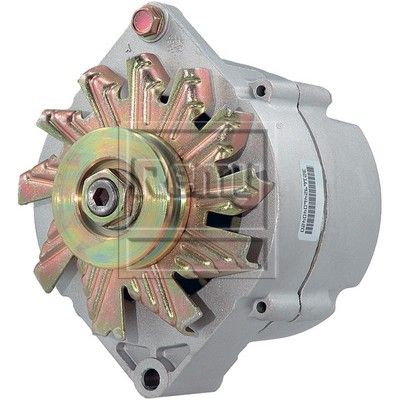
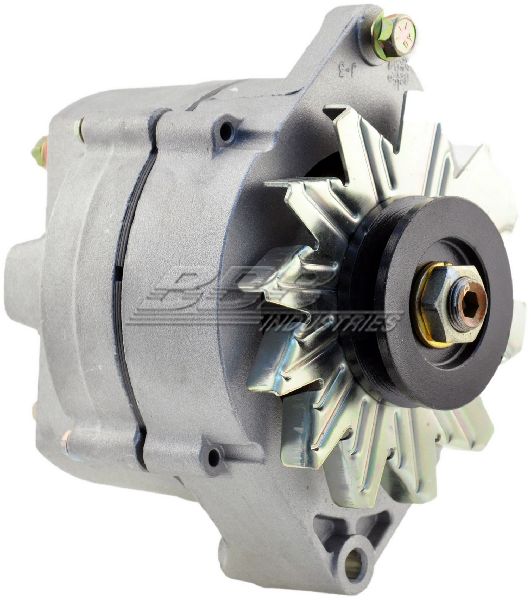
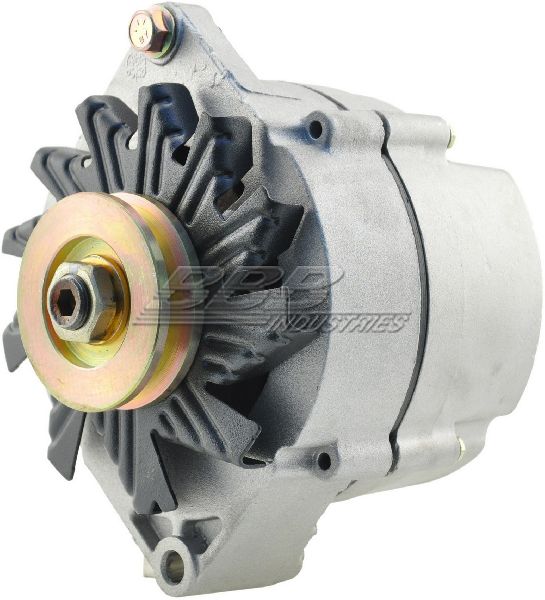
- Standard Replacement (Remy, WAI Global, BBB Industries, MPA): For a mostly stock LeSabre, a standard replacement alternator is usually sufficient.
- Remy: A long-established brand that was once part of GM (as Delco-Remy), Remy offers both new and remanufactured units that are generally considered a solid, affordable choice. However, like any mass-produced part, occasional failures have been reported.
- WAI Global: WAI is a large manufacturer that produces new alternators for a wide range of vehicles. Some units come with a test sheet showing their performance, which is a good sign of quality control. However, some users have reported issues like whining noises or output not meeting the advertised amperage.
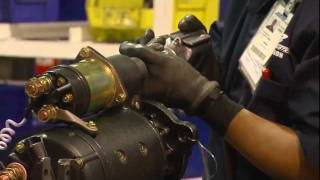
- BBB Industries / MPA (Motorcar Parts of America): These are major suppliers in the aftermarket, often providing parts sold under other store brands. 🎬 Learn more about how BBB Industries manufactures their replacement alternators. They are generally seen as a decent, budget-friendly option for standard applications.
Pro Tip: Check Your Amperage Needs
Before ordering, consider your LeSabre's electrical load. A stock car from this era may have only needed a 30-40 amp generator/alternator. If you have added an electric cooling fan, a modern sound system, or other accessories, you will need a higher-amperage alternator (e.g., 75-100 amps or more) to keep the battery charged and the systems running properly.
Cost of Replacing a Buick LeSabre Alternator
Replacing the alternator on a 1959-1972 LeSabre is a relatively simple job for a DIY mechanic. The part is usually easy to access at the top of the engine. Shop labor costs will be lower than on a modern car due to this simplicity.
| Category | Estimated Cost |
|---|---|
| New Aftermarket Part | $39.60 - $583.93 |
| Shop Labor | $100 - $200 |
| Total Professional Replacement | $140 - $784 |
Frequently Asked Questions
Do I need a one-wire or three-wire alternator?
Many aftermarket alternators for classic cars are "one-wire" units, which simplifies installation by connecting a single wire to the battery. This is a clean setup but may not start charging until the engine reaches a certain RPM. Three-wire alternators, similar to the original GM design, use extra wires for voltage sensing and a warning light, which provides more precise voltage regulation and an immediate indication of charging issues. For a stock-style restoration with a functional dash light, a three-wire setup is preferable.
Will a new alternator fit my original brackets?
Mostly, yes. Most replacement alternators are designed to fit the original Delco-style brackets used by GM. However, high-output alternators may have a larger case, and some early models converting from a generator will need specific conversion brackets. It's always a good idea to compare the mounting points of the new alternator with your old one before installation.
Can I replace the alternator myself?
Yes, for most mechanically inclined owners, this is a straightforward DIY job. It typically involves disconnecting the battery, loosening the belt tensioner, removing the old belt, unbolting the alternator and its wiring, and then reversing the process. The job usually takes about an hour.
Are there any recalls or known issues for the 1959-1972 LeSabre alternator?
Due to the age of the vehicle, there are no active recalls or Technical Service Bulletins (TSBs) from the NHTSA regarding the alternator for this model range. The most common known issue is the transition from generators to alternators in the early 60s, which can cause confusion when ordering parts.
Helpful Videos
Technical Specifications
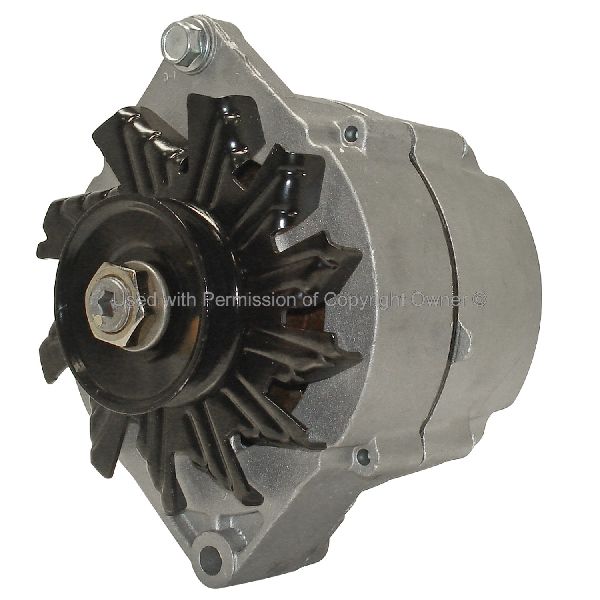
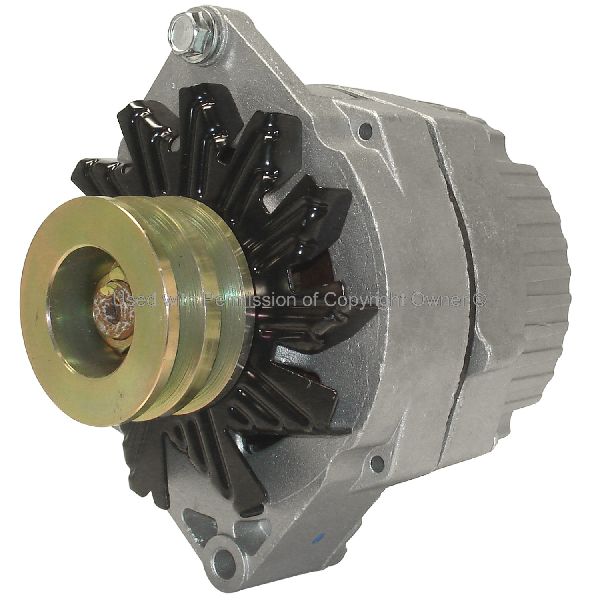
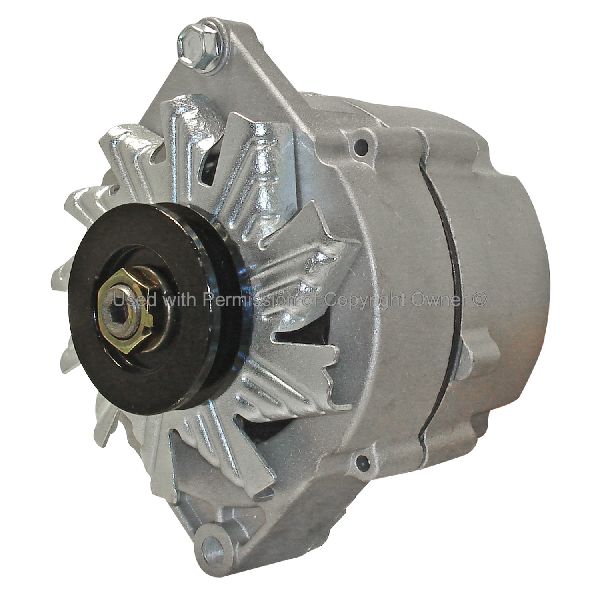
Varies by year and original equipment. Early models used a Delco DC Generator. Later models used a Delco 10DN (external regulator) or 10SI (internal regulator) style alternator. Amperage ranged from ~30A for generators to 42A-63A for standard alternators. Replacements are available in one-wire or three-wire configurations.
We Have This Part in Stock

The information in this article is provided for general reference and educational purposes only. Vehicle specifications, procedures, and part compatibility can vary by production date, trim level, and region. Always consult your vehicle's factory service manual and verify part numbers before purchasing or performing repairs. Safety-critical components such as airbags, seat belts, and braking systems should be installed by a qualified professional.
- 🎬 Helpful Videos
- 🛍️ Shop This Part
- Is Your Buick LeSabre's Alternator Failing?
- Generator vs. Alternator: A Key Distinction
- Choosing the Right Aftermarket Alternator
- Brand Tiers for Your LeSabre
- Pro Tip: Check Your Amperage Needs
- Cost of Replacing a Buick LeSabre Alternator
- Frequently Asked Questions
- 🎟️ Get 5% Off