

A Guide to Engine Timing Sets for the 1962-1968 Ford Country Squire
Keep your classic Ford V8 running strong by understanding when and how to replace your engine's timing set.
- You must verify your specific engine (e.g., 289, 352, 390 V8) before ordering a new timing set.
- Upgrading from the original nylon-toothed cam sprocket to an all-metal aftermarket set is essential for reliability.
- Symptoms of failure include rattling from the engine front, rough running, and plastic pieces in the oil.
- While replacing the timing set, it is highly recommended to also replace the water pump, timing cover gasket, and front crankshaft seal.
Is Your Timing Set Failing?
For 1962-1968 Ford Country Squire wagons, the most common reason for timing set failure is age and original material. Many original Ford V8 engines of this era, including the popular FE series (like the 352 and 390) and Windsor engines (like the 289), used a camshaft sprocket with nylon-coated teeth. Over decades, this nylon becomes brittle, cracks, and can break off, falling into the oil pan. This causes the timing chain to become very loose.
Common Symptoms: 🎬 Watch: Top 5 symptoms of a bad timing chain
- Rattling Noise: A loose chain can slap against the inside of the timing cover, creating a noticeable rattle from the front of the engine, especially at idle or on startup.
- Rough Idle or Misfires: As the chain stretches, the camshaft and crankshaft timing can become inaccurate, leading to a rough-running engine.
- Loss of Power: Inaccurate timing means the engine isn't operating efficiently, which can cause a noticeable decrease in power and acceleration.
- Engine Won't Start: If the chain has stretched too much and jumped a tooth on the gears, or if it has broken completely, the engine will not start.
Check Your Oil for Plastic
When changing your oil, look for small pieces of plastic or nylon in the drained oil or the bottom of the pan. This is a sure sign that the original cam sprocket is coming apart and the timing set needs to be replaced immediately.
Choosing the Right Aftermarket Timing Set
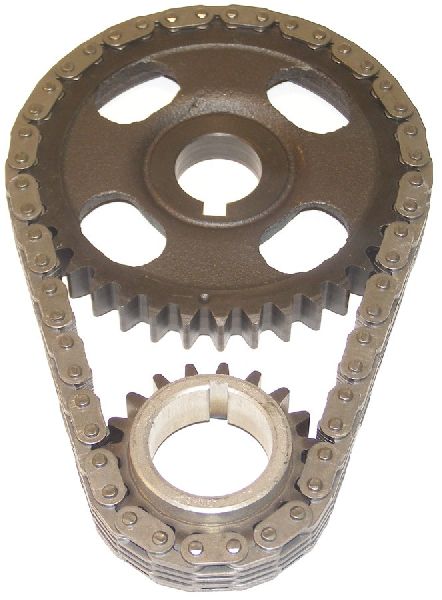
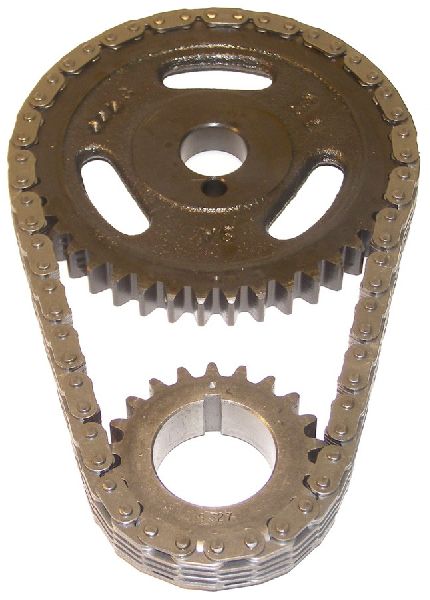
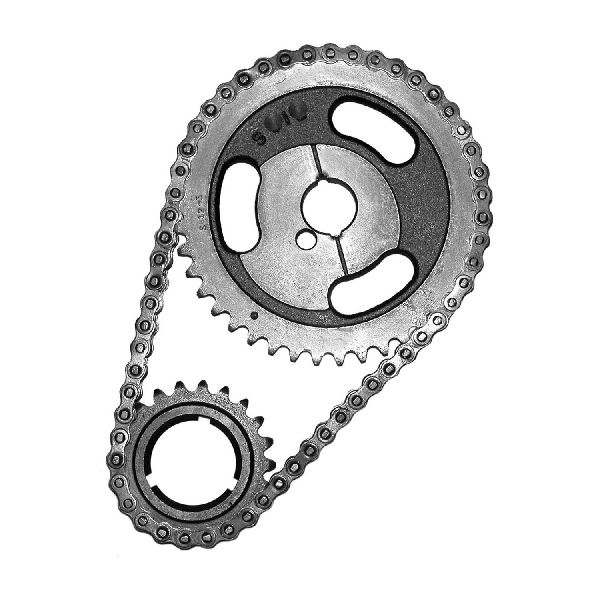
For a classic vehicle like the Country Squire, new OEM Ford parts are generally not available. Aftermarket parts are the go-to solution, and many are considered significant upgrades over the original design because they use all-metal sprockets instead of the failure-prone nylon-toothed ones. Before ordering, you must confirm which V8 engine your wagon has, as timing sets are engine-specific. Common engines for this generation include the 289, 352, 390, and 428 V8s.
Brand Quality Tiers
Your choice of brand depends on your budget and how you use your vehicle.
- Performance/Heavy-Duty (Edelbrock, Ford Performance, Melling Select): These brands offer high-quality timing sets, often with features like double-roller chains and billet steel gears. They provide maximum durability and precise timing, making them ideal for modified engines or for owners who want the best possible reliability. Edelbrock sets are well-regarded for quality and ease of installation. 🎬 See this walkthrough for installing an FE 390 timing set
- Standard/OEM-Quality Replacement (Cloyes, Melling): Cloyes and Melling are trusted names for standard replacement parts. Their timing sets are an excellent, affordable upgrade from the stock nylon-toothed gear, typically featuring an all-metal construction. For a daily driver or stock restoration, these brands offer a great balance of quality and value. In some cases, Cloyes has been the manufacturer for Ford-branded parts.
Pro Tip: While You're In There...
Replacing the timing set requires removing the timing cover. This is the perfect time to also replace the timing cover gasket, the front crankshaft seal, and the water pump. These parts are all accessible during the job and replacing them at the same time can save you from having to do the same labor all over again in the near future.
Estimated Costs
| Part/Service | Estimated Cost |
|---|---|
| New Aftermarket Timing Set | $32 - $152 |
| Shop Labor | $450 - $800 |
| Total Estimated Cost | $482 - $952 |
Frequently Asked Questions
Do I need a special tool to replace the timing set?
Yes, you will likely need a harmonic balancer puller to remove the crankshaft pulley/balancer. You may also need a torque wrench to tighten bolts to factory specifications. The job can be done with the engine in the truck.
What's the difference between a standard chain and a double-roller chain?
A standard, or "silent," link-type chain is what came from the factory. A double-roller chain is a more robust design with two sets of rollers, which reduces friction and stretch over time. For most stock or mildly modified engines, a quality standard replacement is sufficient, but a double-roller is a worthwhile durability upgrade.
How do I know if my timing chain has too much slack?
A common method is to remove the distributor cap and turn the engine by hand using a wrench on the crankshaft bolt. Turn it in one direction until the distributor rotor just begins to move. Note the position of the timing mark on the harmonic balancer. Then, slowly turn the crankshaft in the opposite direction and measure how many degrees it moves before the rotor moves again. More than a few degrees of movement indicates significant slack in the chain. Some owners consider 6-10 degrees to be within a tolerable, but worn, range.
🎬 Watch: A quick and easy way to check timing slackAre there any recalls for the 1962-1968 Ford Country Squire timing set?
No, there are no recalls from the National Highway Traffic Safety Administration (NHTSA) related to the engine timing set for this vehicle. Any failures are due to age and wear of the original components.
Helpful Videos
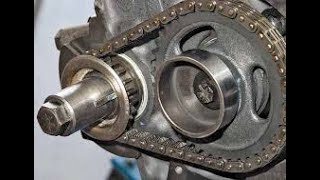
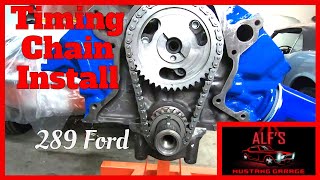
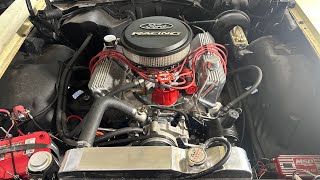
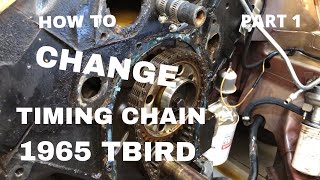
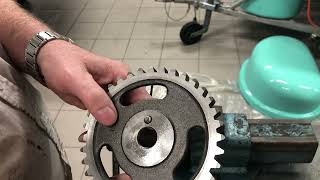
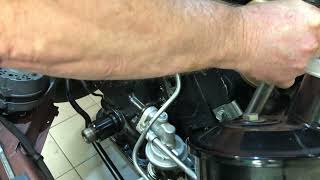
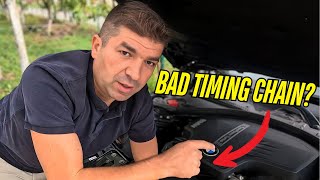
![Top 5 Symptoms of a BAD TIMING CHAIN [What to Look Out For]](https://img.youtube.com/vi/7beQX8cE-18/mqdefault.jpg)
Technical Specifications
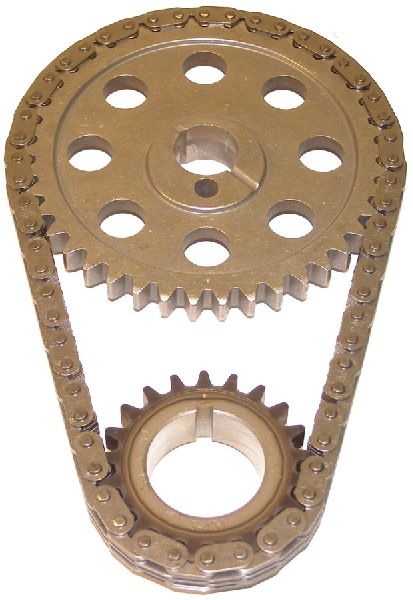
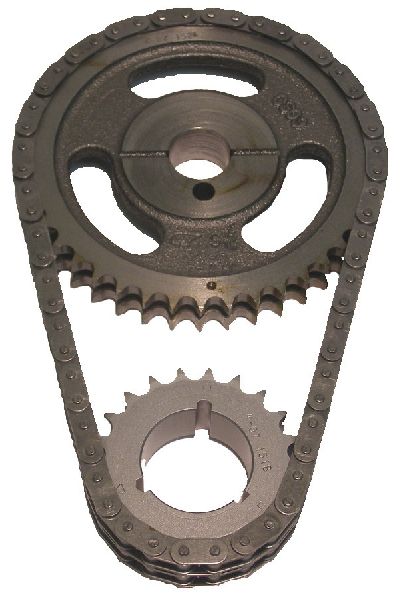
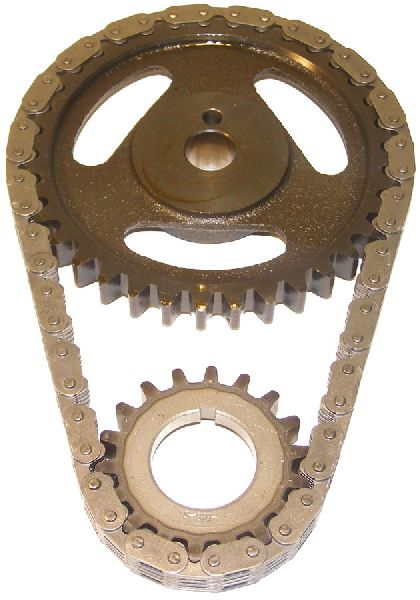
Vehicle-specific fitment based on engine type. Common engines include the 223 I6, 289 V8, 292 V8, 352 FE V8, 390 FE V8, and 428 FE V8. Aftermarket sets are typically made with iron or steel sprockets, replacing the original nylon-toothed camshaft sprocket.
We Have This Part in Stock

The information in this article is provided for general reference and educational purposes only. Vehicle specifications, procedures, and part compatibility can vary by production date, trim level, and region. Always consult your vehicle's factory service manual and verify part numbers before purchasing or performing repairs. Safety-critical components such as airbags, seat belts, and braking systems should be installed by a qualified professional.