

Ford Country Squire Starter Replacement Guide (1962-1968)
Solve your classic wagon's starting problems, from slow cranking to that dreaded click.
- Always diagnose the battery and fender-mounted solenoid first; they are common, inexpensive failure points.
- A high-torque, gear-reduction starter is the most effective upgrade to solve common heat soak and slow-cranking issues.
- When replacing the starter, inspect and clean all battery and starter cable connections for optimal performance.
- Check the teeth on the flywheel for damage while the starter is removed to prevent issues with the new part.
Diagnosing a Bad Starter in Your Country Squire
Before you blame the starter, always check the simple things first. Many starting problems on these classic Fords are caused by a weak or dead battery, corroded battery terminals, or a bad ground connection. Also, the fender-mounted starter solenoid is a very common failure point and is much cheaper and easier to replace than the starter itself.
Pro Tip: Check the Fender Solenoid First!
Before spending money on a new starter, consider replacing the fender-mounted starter solenoid. This part is inexpensive and a very common failure point on 1960s Fords. If you turn the key and hear a single, loud "CLICK" but the engine doesn't crank, the solenoid is the most likely culprit. If a new solenoid doesn't fix the issue, then you can be more confident the starter itself is the problem.
Choosing the Right Aftermarket Starter
Original Ford starters for this era are no longer available new. While you could have an original unit rebuilt, a new aftermarket starter offers modern technology that can significantly improve reliability. The main choice is between a standard, stock-style replacement and a modern high-torque starter.
Brand Tiers: BBB Industries vs. Remy
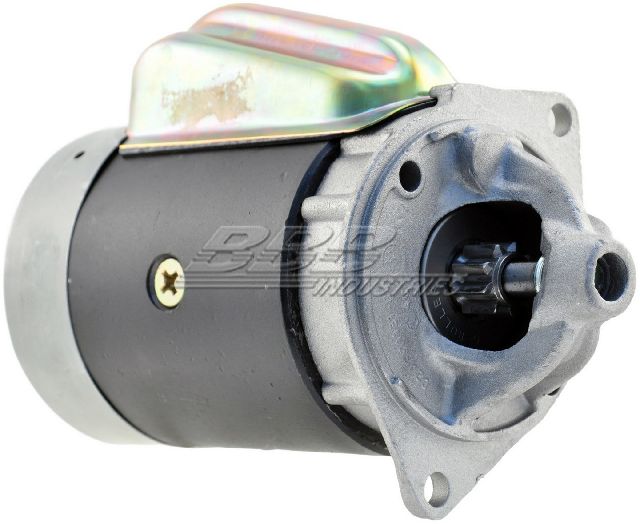
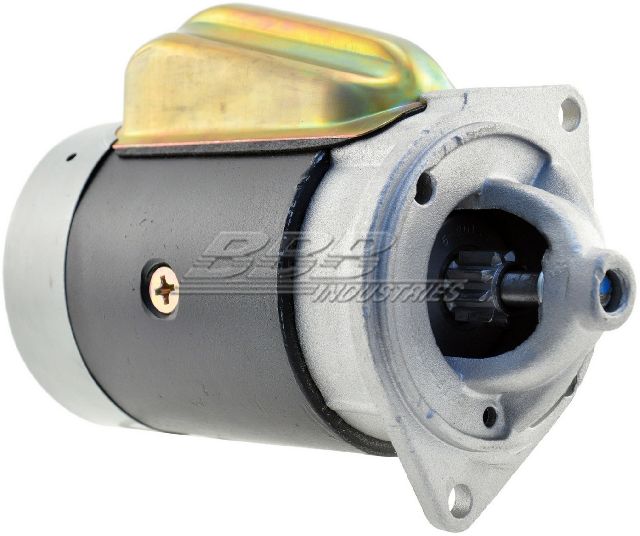
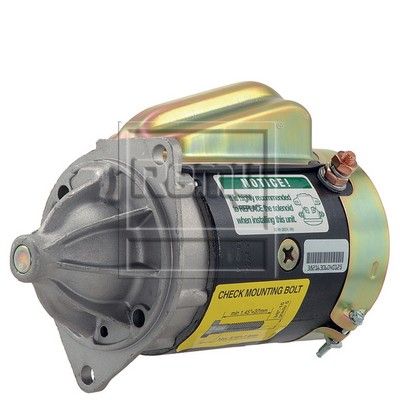
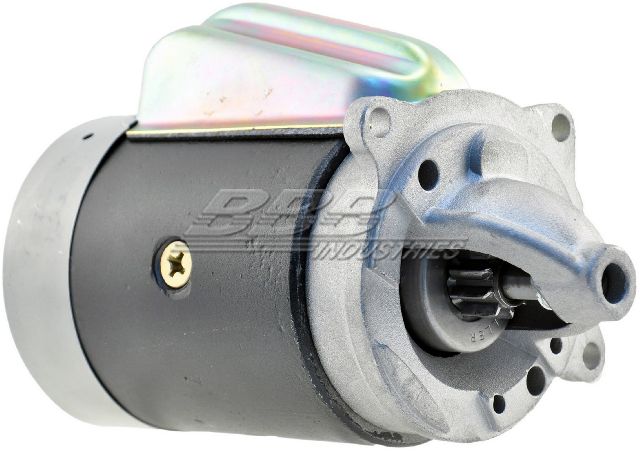
- BBB Industries: This brand offers remanufactured starters that are rebuilt to meet or exceed original equipment (OE) standards. Components are tested, and vital parts are replaced with new ones to ensure reliability. They provide a cost-effective solution that is designed to be a direct fit.
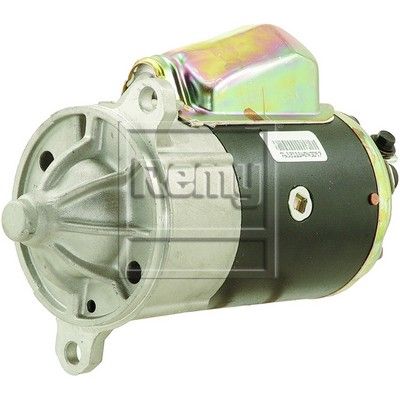
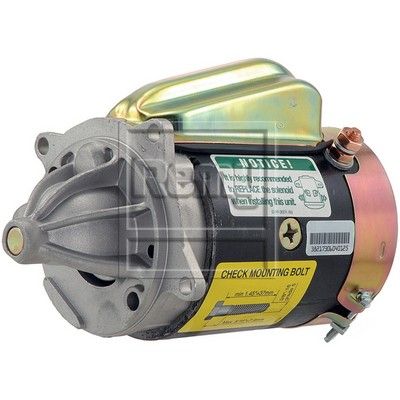
- Remy: Remy offers both new and remanufactured starters. Their new starters, particularly the gear-reduction models, are a popular upgrade. Owners often report that a new Remy starter provides more torque, spins the engine faster, and solves common issues like heat soak. While many have good experiences, some forum users have reported premature failures with remanufactured units, making a new Remy starter the safer bet.
Standard vs. High-Torque Starters
A standard replacement starter is a direct, stock-style replacement. It's the most affordable option and is perfectly fine for a stock, daily-driven car with no existing issues.
A high-torque starter, also known as a gear-reduction or mini-starter, is the most popular upgrade. These modern starters use internal gears to spin the engine with more force while drawing less power from the battery. They are also smaller and lighter than the original. A high-torque starter is the best solution for the common "heat soak" problem, where the starter fails to crank when the engine is hot.
| Feature | Standard Replacement | High-Torque (Gear Reduction) |
|---|---|---|
| Best For | Stock vehicles, budget repairs | Modified engines, solving heat soak |
| Performance | Equivalent to original | Faster cranking, less battery draw |
| Heat Soak | Prone to this issue | Effectively solves this issue |
| Size/Weight | Large and heavy like original | Smaller and lighter |
Frequently Asked Questions (FAQ)
Is it hard to replace the starter on my Country Squire?
No, this is a job most DIY mechanics can handle. It involves disconnecting the battery, safely raising the front of the vehicle, and removing two mounting bolts and the power cables from the starter. The top bolt can sometimes be difficult to access, but the process is straightforward.
Is the problem my starter, battery, or solenoid?
First, fully charge and test your battery. If the battery is good, a single loud click when you turn the key usually points to the fender-mounted solenoid. Slow, sluggish cranking, especially when the engine is hot, points to the starter motor itself.
What is "heat soak"?
The big V8 engines in these wagons generate a lot of heat. The starter is located close to the hot exhaust manifold. This heat increases the starter's internal electrical resistance, causing it to crank slowly or not at all when hot. A modern high-torque starter is the best fix for this.
Are there any recalls on the starter for my car?
No, searches of the National Highway Traffic Safety Administration (NHTSA) database show no recalls specifically for the starter motor on the 1962-1968 Ford Country Squire.
Technical Specifications
The starter for a 1962-1968 Ford Country Squire is a 12-volt, direct-drive motor with a fender-mounted solenoid. The specific starter may differ based on the engine (e.g., 289, 390 V8) and transmission type (manual or automatic). Upgrades to a smaller, high-torque gear-reduction starter are common.
We Have This Part in Stock

The information in this article is provided for general reference and educational purposes only. Vehicle specifications, procedures, and part compatibility can vary by production date, trim level, and region. Always consult your vehicle's factory service manual and verify part numbers before purchasing or performing repairs. Safety-critical components such as airbags, seat belts, and braking systems should be installed by a qualified professional.