

Jeep Gladiator Starter Motor Guide for 1962-1970 Models
Get your classic Gladiator turning over reliably with the right starter.
- For a 1962-1970 Gladiator, new aftermarket starters are the most practical choice, as new OEM parts are unavailable.
- Always confirm your battery is charged and cables are clean before condemning the starter.
- A common issue is 'heat soak' on V8 models; a gear-reduction starter or a heat shield can solve this problem.
- Address grinding noises immediately to avoid expensive damage to the engine's flywheel.
Diagnosing Your Gladiator's Starting Problems
On a classic truck like the 1962-1970 Jeep Gladiator, starting issues are common. Age, wear, and simple electrical systems can all be factors. Before you replace the starter, it's important to make sure it's actually the problem. A weak or dead battery, corroded battery terminals, or a bad ground wire can all mimic the symptoms of a failed starter. Always check that your battery is fully charged and that the cable connections are clean and tight before proceeding.
Symptoms of a Failing Starter Motor
If your battery and cables are in good shape, look for these classic signs of a bad starter:
- Single, Loud Click: You turn the key and hear a solid "clunk" or "click," but the engine doesn't turn over. This often means the starter solenoid is engaging, but the motor itself has failed or is jammed.
- Grinding Noise: A harsh grinding sound when you try to start the engine can indicate that the starter's Bendix gear is not meshing correctly with the flywheel, or it's failing to retract. This can cause serious damage to the flywheel if not addressed.
- Slow Cranking: If the engine turns over much slower than usual, it could be a starter that's worn out and drawing too much power from the battery.
- No Sound at All: If there's no click and no crank, and you know the battery is good, the problem could be in the ignition switch, starter relay, or a complete failure of the starter solenoid.
A Note on "Heat Soak"
A common issue on older V8 engines, like the AMC 327 found in some Gladiators, is "heat soak." This happens when the starter is located close to the hot exhaust manifold. After the engine is shut off, the heat radiates to the starter, increasing its internal electrical resistance. This can make the starter struggle or fail to crank the engine until it cools down. Using a starter heat shield or upgrading to a modern gear-reduction starter can often solve this problem.
Choosing the Right Aftermarket Starter
For a vehicle from the 1960s, finding a new original equipment manufacturer (OEM) starter is nearly impossible. The market consists of new aftermarket parts and, occasionally, remanufactured units. New aftermarket starters are the most practical and reliable choice, often incorporating modern technology for better performance.
Brand Options
- MPA (Motorcar Parts of America): MPA is a well-known manufacturer that supplies parts to many major auto parts retailers. Their starters are designed to be reliable, standard replacements that meet or exceed original specifications. An MPA starter is a solid, dependable choice for a stock restoration or daily-driven classic Gladiator.
- Powermaster: Powermaster specializes in high-performance starters and alternators. Their starters often feature a gear-reduction design, which provides more cranking torque with less battery draw. This makes them an excellent upgrade for Gladiators with high-compression engines, persistent heat soak issues, or for owners who simply want the most robust and powerful starting performance available.
Frequently Asked Questions
Is a gear-reduction starter better for my classic Gladiator?
For many owners, yes. A gear-reduction starter, like those from Powermaster, provides more torque to turn over the engine, which is helpful for older engines or in cold weather. They also draw less amperage from the battery and are often smaller and lighter than the original units, which can help with installation and heat dissipation.
Do I need to replace the starter solenoid too?
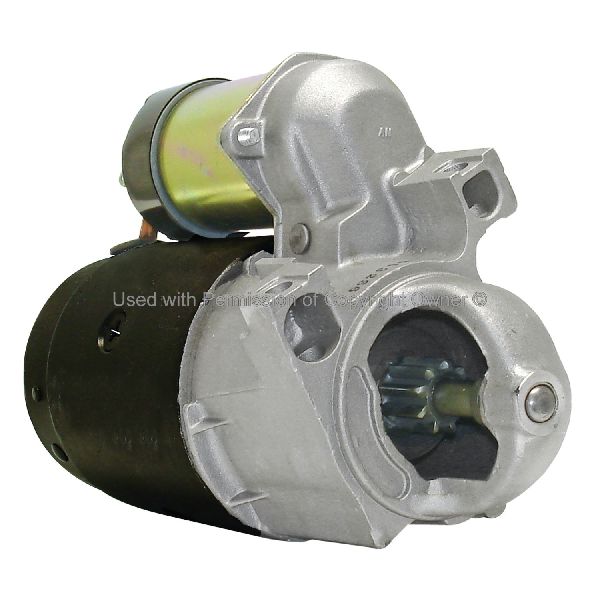
Yes. On these starters, the solenoid is attached directly to the motor and is sold as a single assembly. A faulty solenoid is a common cause of starter failure, and a new starter will always include a new solenoid.
Can I replace the starter myself?
Yes, for someone with basic mechanical skills and tools, this is a very feasible DIY job. The process involves disconnecting the battery, safely raising the vehicle if needed, removing a few electrical connections, and unbolting the starter from the engine's bellhousing. The main challenges will likely be working in a tight space and dealing with bolts that may be rusty after 50+ years.
What's the difference between a starter and a solenoid?
Think of the solenoid as the switch and the starter as the motor. The solenoid is an electromagnet that does two things when it gets power from the ignition switch: it pushes the starter gear forward to engage the flywheel, and it closes a high-current circuit to send battery power to the starter motor, making it spin.
Technical Specifications
The starter for a 1962-1970 Jeep Gladiator is engine-specific. Common engines included the Kaiser 'Tornado' 230 I6 and the AMC 327 V8. Starters are typically 12-volt with a clockwise rotation. Aftermarket options may include direct-drive or gear-reduction designs. It is critical to match the new starter to the engine and transmission combination in your vehicle.
We Have This Part in Stock

The information in this article is provided for general reference and educational purposes only. Vehicle specifications, procedures, and part compatibility can vary by production date, trim level, and region. Always consult your vehicle's factory service manual and verify part numbers before purchasing or performing repairs. Safety-critical components such as airbags, seat belts, and braking systems should be installed by a qualified professional.